

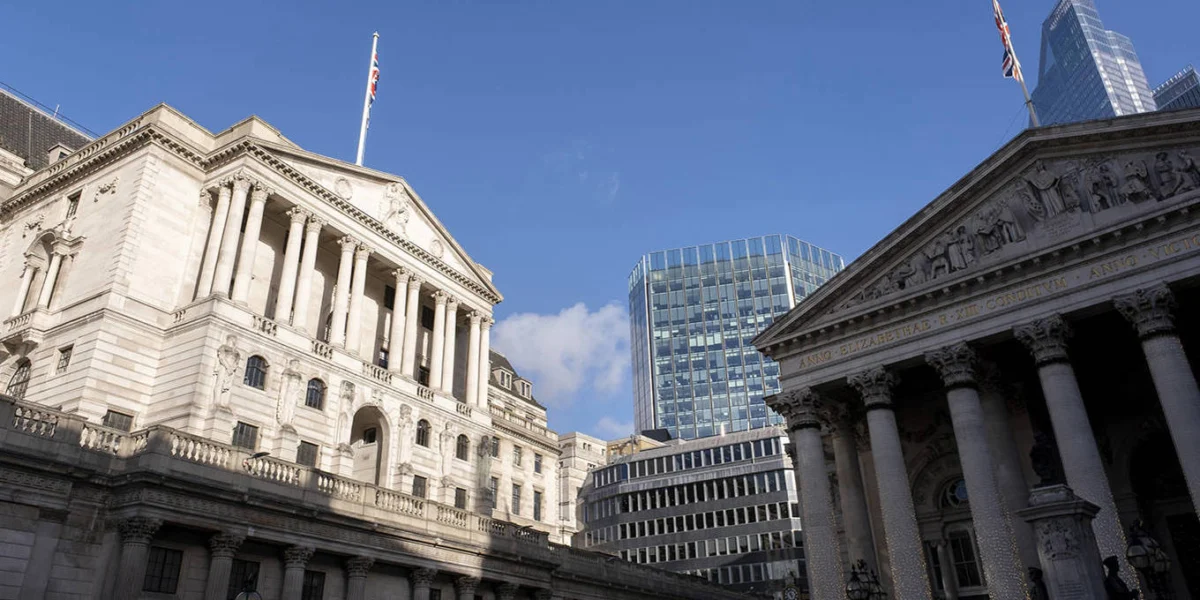
ATHENS – June 16, 2026 – The enduring notion of a "special relationship" between the United Kingdom and the United States, often framed through historical ties, cultural kinship, and shared defense imperatives, is increasingly being revealed as fundamentally transactional, resting heavily on the willingness of American financiers to absorb British government debt. This reliance, according to economic analysts and historical precedent, places an unsustainable burden on successive UK Prime Ministers, creating a precarious financial tightrope walk that has defined recent political turmoil. The fragility of this arrangement was starkly illustrated by the swift downfall of Liz Truss in 2022, a stark reminder that even well-laid economic plans can be shattered by the unforgiving realities of the gilt market.
The Gilt Market: A Unseen Hand in British Politics
The United Kingdom’s sovereign debt, known as gilts, forms the bedrock of its financial stability. These bonds represent loans taken out by the UK government, which are then purchased by investors seeking a return. For decades, a significant portion of these gilts has been acquired by foreign entities, with American financial institutions playing a particularly dominant role. This continuous demand from across the Atlantic has historically provided a crucial backstop for British government borrowing, allowing the UK to finance its deficits and fund public services.
However, this reliance creates a unique vulnerability. When the appetite of these American financiers wanes, or when they demand higher yields (interest rates) to compensate for perceived risk, the cost of borrowing for the UK government escalates dramatically. This can trigger a cascade of negative economic consequences, including increased inflation, pressure on public spending, and a general erosion of confidence in the UK economy.
A Historical Perspective: From Post-War Alliance to Financial Interdependence
The "special relationship" has evolved significantly since its post-World War II origins. Initially, it was characterized by close military and intelligence cooperation, as well as shared diplomatic goals. The Marshall Plan, for instance, saw significant American aid flowing into a recovering Britain. Over time, however, the economic dimension of the relationship has grown in prominence, particularly as Britain’s industrial base shifted and its financial services sector expanded.
The late 20th and early 21st centuries witnessed a growing trend of foreign ownership of UK government debt. Data from the Bank of England and the UK Debt Management Office consistently shows a substantial presence of US-based investors in the gilt market. This trend accelerated during periods of quantitative easing by central banks, where large-scale asset purchases, including government bonds, became commonplace. While this provided liquidity and suppressed borrowing costs globally, it also deepened the reliance of nations like the UK on the continued demand from major financial centers.
The Truss Experiment: A Wake-Up Call from the Markets
The premiership of Liz Truss serves as a potent case study in the power of the gilt market. In September 2022, her government announced a package of unfunded tax cuts, a policy that was met with widespread alarm by financial markets. Investors, particularly those holding gilts, viewed these measures as fiscally irresponsible and likely to significantly increase the UK’s national debt.
The reaction was swift and severe. The value of gilts plummeted, and their yields surged. This rise in borrowing costs threatened to destabilize pension funds, which hold significant amounts of gilts, and risked a broader financial crisis. The Bank of England was forced to intervene with emergency measures to stabilize the gilt market, a move that underscored the severity of the situation and the extent to which the government’s fiscal credibility was being tested. Truss’s tenure, lasting just 49 days, was effectively brought to an end by the market’s repudiation of her economic agenda, demonstrating that political will alone cannot override the fundamental forces of financial markets.
The Burden on Prime Ministers: A Tightrope Walk
Every leader occupying 10 Downing Street inherits this delicate balancing act. They must navigate the demands of domestic policy – healthcare, education, infrastructure – while simultaneously appeasing the financial markets that underwrite their nation’s ability to function. The need to maintain investor confidence, particularly from key international players like American financiers, often dictates fiscal policy, limiting the scope for radical departures from established economic orthodoxy.
This pressure can manifest in various ways:
- Fiscal Austerity: Governments may be compelled to implement spending cuts or tax increases to demonstrate fiscal responsibility and reassure investors, even if these measures are politically unpopular or economically damaging in the short term.
- Limited Policy Space: Ambitious policy initiatives that require substantial government borrowing can be constrained by the market’s reaction, leading to watered-down proposals or outright abandonment.
- Vulnerability to External Shocks: Geopolitical events, global economic downturns, or shifts in investor sentiment can disproportionately impact the UK due to its reliance on foreign capital.
Supporting Data and Economic Indicators
To understand the scale of this interdependence, consider the following:
- Foreign Holdings of UK Gilts: As of recent available data, foreign investors consistently hold a significant percentage of UK government debt, often exceeding 20-30% of the total outstanding amount. A substantial portion of this foreign ownership originates from the United States.
- Yield Spreads: The difference in yield between UK gilts and those of other major economies, such as US Treasuries or German Bunds, serves as a key indicator of perceived risk. A widening spread suggests that investors demand higher compensation for holding UK debt, signaling a potential loss of confidence.
- National Debt: The UK’s national debt has grown considerably over the past two decades, driven by a combination of factors including the 2008 financial crisis, increased public spending, and the COVID-19 pandemic. This rising debt burden necessitates continued borrowing, thus amplifying the importance of a stable gilt market.
- Currency Fluctuations: Market sentiment towards UK gilts can directly impact the Sterling’s exchange rate. A loss of confidence can lead to Sterling depreciation, increasing the cost of imports and contributing to inflation.
Broader Impact and Implications
The financial dependence on foreign capital, particularly from American financiers, has profound implications for the UK’s sovereignty and its ability to chart its own course.
- Diminished Policy Autonomy: The need to maintain market confidence can constrain a government’s ability to pursue independent economic policies that might diverge from the preferences of international investors.
- Systemic Risk: A sudden withdrawal of foreign investment or a significant increase in borrowing costs could trigger a severe financial crisis, with ripple effects across the global economy.
- Erosion of Public Trust: When economic hardship is perceived as being driven by external financial forces rather than domestic policy choices, it can lead to public disillusionment and political instability.
- The Future of the "Special Relationship": The evolving nature of the UK-US relationship suggests a potential recalibration. As the UK grapples with its economic vulnerabilities, the traditional narrative of a relationship based on shared values and strategic interests may increasingly be viewed through a lens of financial interdependence, raising questions about the long-term sustainability of the "special" status.
Official Responses and Future Outlook
While official pronouncements from HM Treasury and the Bank of England consistently emphasize the UK’s financial resilience and the depth of its capital markets, the underlying reality remains one of significant reliance. Future UK governments will likely face a continued imperative to demonstrate fiscal prudence and maintain the confidence of international investors.
The challenge lies in finding a sustainable path that balances the need for public investment and social well-being with the imperative of fiscal stability. This may involve a strategic re-evaluation of the UK’s debt management policies, exploring avenues to diversify its investor base, and fostering a domestic savings culture.
The ghost of Liz Truss’s short-lived premiership serves as a perpetual reminder: in the intricate dance between politics and finance, the gilt market remains an ever-present, and at times unforgiving, partner. The true nature of Britain’s "special relationship" with the United States, therefore, is not just about shared history or strategic alignment, but critically about the ongoing willingness of American financiers to underwrite Britain’s financial future. This dependence, as it stands, is a burden that is becoming increasingly difficult to bear.
