

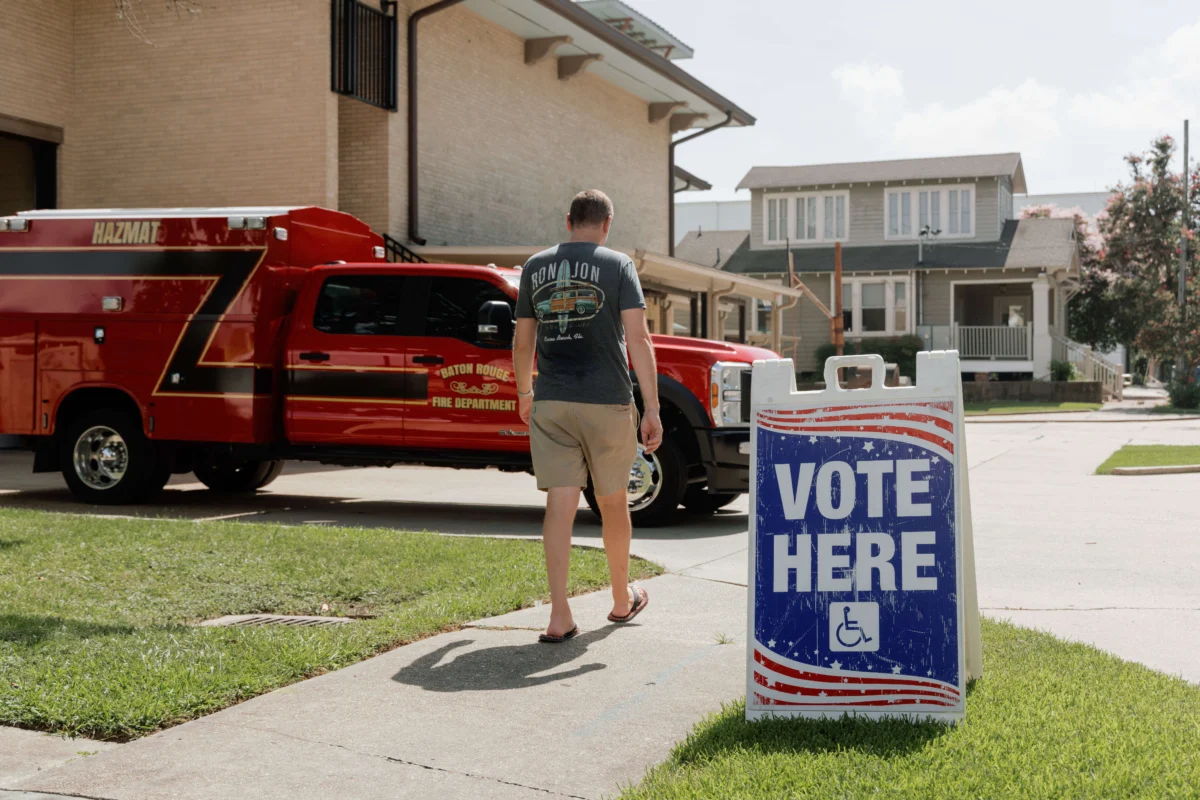
As the nation approaches the November elections, American voters are presented with a rare and direct opportunity to influence tax policy, with 26 ballot initiatives concerning tax rates appearing across 13 states. This unprecedented number of measures reflects a broader national conversation driven by ballooning government spending and a growing perception of escalating tax burdens on households and businesses. These initiatives, particularly those focused on property tax rollbacks, will serve as a significant barometer of public sentiment regarding government expenditure levels and the sources of public funding, directly impacting 128 million registered voters, especially working-class and middle-class individuals who often bear a disproportionate share of the tax load.
The November Referendum: A National Overview
While some high-profile proposals, such as California’s Prop. 40, which would impose a one-time 5% "wealth tax" on the state’s billionaires, have garnered significant media attention, the vast majority of tax-related ballot initiatives this cycle aim not to expand existing tax regimes but rather to scale them back. A predominant theme among these measures is the reduction of property taxes, which represent a substantial financial obligation for tens of millions of American homeowners.
Seven states — Florida, Georgia, Louisiana, Oklahoma, North Carolina, Tennessee, and Wyoming — have introduced proposals designed to significantly curb property tax expenditures. These mechanisms vary, including increasing the property assessment thresholds for existing tax exemptions, creating entirely new exemptions specifically for senior citizens, and, in the case of Tennessee, outright prohibitions on state-level property taxes. The diversity of approaches underscores the widespread concern over property tax burdens and the varied legislative strategies being deployed to address them.
The Heart of the Debate: Property Taxes Under Scrutiny
Property taxes, traditionally the cornerstone of local government funding, have long been a contentious issue. Unlike income or sales taxes, which are often perceived as directly tied to earnings or consumption, property taxes are levied on the assessed value of real estate, regardless of the owner’s current income or ability to pay. This characteristic often leads to the sentiment expressed by Tennessee State Senator Brent Taylor, who, in advocating for his state’s Amendment 2 prior to its initial legislative passage in 2025, remarked, "The property tax is the most egregious tax there is because you never own your property. You’re only paying rent to the government. And if you don’t think you’re just paying rent to the government, try not paying your property taxes."
This perspective resonates deeply with many homeowners, particularly in areas experiencing rapid property value appreciation, where tax bills can surge even if household incomes remain stagnant. The debate around property taxes also highlights the delicate balance between individual financial relief and the collective need for public services.
A Look at State-Level Property Tax Dynamics
It is important to note that Tennessee, like most states, does not currently levy a state-level property tax and has not done so since 1949. Property taxes in the U.S. are predominantly administered by local governments—counties, municipalities, and special districts—which set tax rates based on market values and their specific budgetary needs for services like schools, public safety, and infrastructure. Consequently, Tennessee’s Amendment 2, which aims to constitutionally prohibit a state-imposed property tax, is largely symbolic, preventing a future shift in state fiscal policy rather than rolling back an existing burden.
However, other property tax initiatives across the country carry far more direct and significant implications for local government revenues. As a result, voters will be faced with a complex choice: prioritize immediate personal financial savings through reduced tax burdens or safeguard the funding for vital local government services that contribute to community well-being and property values.
Local Governance at a Crossroads: Revenue Implications
The potential for substantial revenue losses has sparked alarm among local political leaders, who find themselves on both sides of the debate, grappling with the immediate and long-term consequences of these tax rollbacks.
Jacksonville Mayor Donna Deegan, leading Florida’s largest city, has vocalized profound concerns regarding Florida’s proposed Amendment 3. This amendment seeks to increase the maximum property assessment threshold for the state’s homestead tax exemption from $150,000 to $250,000. Deegan estimates that this change could result in a staggering one-third reduction to Jacksonville’s city budget. "A $300 million hit is not a small hit," Mayor Deegan stated, outlining a grim forecast: "This proposed reduction will inevitably result in roads deteriorating, libraries, pools, and parks closing, public safety response times going up, housing affordability worsening, and more homeless on our streets." Her remarks highlight the direct link between property tax revenues and the operational capacity of municipal services.
Further south, Hallandale Beach Mayor Joy Cooper took a direct approach with her constituents, posing the question, "What city services do people want to cut?" in a Nextdoor post following the state legislature’s passage of Amendment 3. The responses, often suggesting reductions in official salaries, underscore the public’s desire for fiscal responsibility from government officials, even as they seek tax relief.
These mayoral sentiments are not isolated anecdotes; they are supported by economic analyses of the proposed measures. Estimates indicate that the eight property tax ballot initiatives across six states could collectively deprive their respective state and local governments of hundreds of millions, and potentially tens of billions, of dollars in revenue over the coming years.
Case Studies: Key States and Their Proposals

The financial impact projections are particularly stark in several key states:
- Florida’s Amendment 3 leads with an estimated revenue reduction of around $46 billion by 2032. This amendment, if passed, represents a significant shift in Florida’s property tax landscape, affecting local governments across the state.
- Florida’s Exempt Tangible Personal Property Used for Agriculture or Agritourism from Property Taxes Amendment is projected to result in $96.9 million in losses by 2030, impacting specific sectors but contributing to the overall erosion of the tax base.
- Wyoming’s Homeowner’s Primary Residence Property Tax Exemption Initiative is estimated to cause a minimum of $188 million in losses by 2030. Wyoming, a state with a relatively small population, would feel such a loss acutely in its local government budgets.
- Other measures, such as those in Louisiana, are still awaiting comprehensive cost appraisals but are nonetheless projected to curb local government revenue streams, necessitating adjustments in public spending.
Voices from the Frontlines: Proponents and Opponents
Proponents of these tax reductions argue that the projected costs are a necessary trade-off for eliminating wasteful spending and directly alleviating the crushing burden of cost-of-living expenses. North Carolina Treasurer Brad Briner, commenting on his state’s proposed constitutional amendment directing state legislators to pass laws limiting property tax levy increases, told CNBC, "We have seen egregious over-taxing by some of our municipalities here in North Carolina. That is not fair to homeowners who are already stretching their budgets, and it makes it impossible for some potential new homeowners to consider jumping into the housing market."
Briner, referencing his role on North Carolina’s Local Government Commission, acknowledged that while most municipalities are financially well-managed, some have resorted to supplemental revenue-raising to "cover their mistakes." He emphasized the importance of financial literacy, stating, "A basic principle of that is to live within your means. We recognize municipalities are also being stretched, but we need to find other avenues to balance their budgets, without relying too heavily on property taxes."
However, state and local officials are sharply divided on how to interpret rising municipal budget costs. Don Mial, Chair of the Wake County Board of Commissioners in North Carolina, offered a contrasting perspective: "The property tax is Wake County’s largest and most stable source of revenue. It funds about 75% of the county’s annual budget and makes financing new schools, libraries, fire stations and other infrastructure possible. If we lose the ability to set our own tax rate, it could result in significant service reductions and force us to scale back much-needed capital improvement plans." This highlights the fundamental conflict between tax relief and the stability of public services.
Florida Governor Ron DeSantis has been one of the most vocal proponents of property tax reductions, with his state featuring two amendments dedicated to the issue. Highlighting a projected increase in local government revenue from $32 billion to $83 billion over a 12-to-13-year period, DeSantis argued at a May roundtable event, "I think everybody understands that [basic services could be provided] at a lower level than $83 billion. That money…would be put to use if people could keep [it] in their pockets. Imagine what they would be able to do with the economy if people who owe $2,000 a year [in property taxes] all of a sudden had that money at their disposal." He frames tax reduction as an economic stimulus, empowering individual citizens.
The Political Calculus: Voter Mood and Historical Precedent
In Florida, constitutional amendments require 60% voter support to pass, a higher bar than the simple 50%-plus-one majority typically sought by state Republicans in other states. This raises the critical question of how likely these measures are to pass.
The outlook is complex. Geographically, with the notable exceptions of North Carolina and Georgia, states featuring property tax initiatives tend to lean heavily conservative. In a national political climate that might favor Democratic voter turnout, the electorates in states like Wyoming and Oklahoma are still expected to be overwhelmingly favorable to tax rollbacks, aligning more often with the opinions expressed by the Republican legislative leaders who placed these initiatives on the ballot.
Recent state votes offer a mixed but instructive picture. Two taxation ballot initiatives voted on earlier this year failed: Oregon’s Measure 120, which proposed increasing the state’s fuel tax and public transportation payroll tax, was overwhelmingly rejected in May. Similarly, Louisiana’s Amendment 4, which would have allowed local governments to exempt business inventory from property taxes, failed by a 2:1 margin. These results, in isolation, might suggest a general voter hesitancy to alter the tax status quo, whether for an increase or a specific exemption that might shift the burden.
However, neither of these failed amendments directly decreased the tax burden on a primary residence in the same way many of the upcoming measures will. Precedent for such homestead-focused reductions presents a more favorable outlook for large-scale property tax rollbacks. In 2025, Texas’ Proposition 13, which increased the state’s homestead property tax exemption from $100,000 to $140,000 of a homestead’s market value, passed overwhelmingly with nearly 80% voter support. In 2024, Georgia’s Referendum A, increasing the state’s personal property tax exemption from $7,500 to $20,000, secured over 64% voter approval. That same year, Arizona voters approved an initiative allowing homeowners to apply for property tax refunds in municipalities that do not enforce public nuisance laws. These examples suggest a strong public appetite for direct property tax relief.
Yet, even in highly conservative states, voters have demonstrated caution when property tax rollbacks are perceived as too extreme or disruptive. North Dakota’s 2024 Initiated Measure 4, which would have effectively banned local governments from imposing property taxes altogether, was soundly defeated amidst widespread concerns about its catastrophic impact on local government budgets and services.
A recent poll by the University of North Florida Public Opinion Research Lab further illuminates this nuanced voter sentiment. Initially, when respondents were informed that Amendment 3 would "phase out taxes on homestead property, other than those directed to schools," 61% expressed support, with only 32% indicating opposition. However, when subsequently informed of the projected budget shortfalls for city and county governments across the state, support plummeted to 45%, while opposition rose to 47%. This stark shift suggests that while voters desire tax relief, they are also sensitive to the potential degradation of public services.
Florida Senate Minority Leader Lori Berman encapsulated this concern, telling local Tampa NPR station WUSF 89.7, "We will really have to spend the summer and the early fall educating voters about what’s going to happen as a result of this bill. I’m really worried about the impact on our local counties and cities. I think it could bankrupt some."
Broader Economic and Social Implications
The outcomes of these ballot initiatives will have far-reaching implications beyond individual tax bills and municipal budgets. Economically, significant property tax reductions could stimulate housing markets by making homeownership more affordable, potentially attracting new residents and businesses to states with lower tax burdens. However, if revenue shortfalls lead to cuts in public education, infrastructure, or public safety, these benefits could be offset by a decline in overall quality of life, potentially diminishing property values in the long run.
Socially, the debate highlights a fundamental tension in American governance: the desire for fiscal austerity versus the demand for robust public services. The decisions made at the ballot box in November will not only shape the financial landscape for millions of homeowners but also redefine the relationship between citizens and their local governments, influencing everything from the quality of schools to the responsiveness of emergency services. The national trend towards increased government spending at all levels, coupled with the rising cost of living, has brought these tax policy debates to the forefront, making the upcoming elections a pivotal moment for direct democracy and fiscal governance in the United States.
