

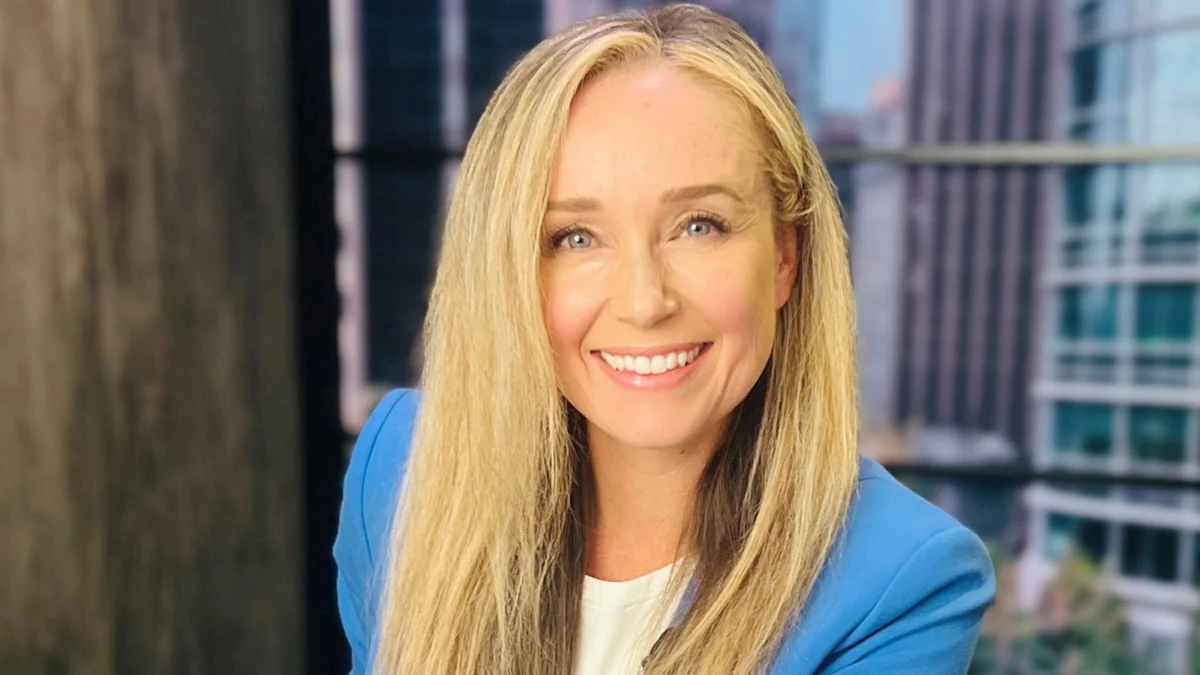
As financial advisors increasingly grapple with the dual anxieties of market volatility and the potential for an artificial intelligence-driven bubble, executives at Vanguard are offering a perspective that balances caution with optimism. Rachel Aguirre, head of product and portfolio strategy for financial advisor services at Vanguard, recently shared insights into the firm’s outlook, emphasizing the long-term transformative potential of AI while acknowledging the current market’s bifurcated sentiment. In an interview with Wealth Management, Aguirre discussed strategies for advisors to navigate this complex landscape, Vanguard’s approach to meeting advisor needs, and the evolving definition of investment diversification.
Vanguard forecasts a robust 2.3% U.S. GDP growth in 2026, escalating to 3% in 2027. This projection is significantly underpinned by the sustained evolution and investment in artificial intelligence technology. Vanguard researchers estimate that the current wave of AI-related investment activity is likely to persist for another one to two years. Despite this positive economic outlook, Aguirre acknowledges the prevailing sentiment among advisors, who are simultaneously excited by AI’s potential and fearful of market overvaluation. This dichotomy creates a challenging environment for portfolio management, requiring a strategic approach that balances risk mitigation with the pursuit of growth opportunities.
The Dual Drivers of Market Sentiment: Greed and Fear
Aguirre described the current market environment as a "pretty interesting moment," characterized by a powerful interplay of both fear and greed among investors. This dynamic is particularly evident in the strong investor demand for AI-related investments, leading to significant "return chasing." Year-to-date, U.S.-listed Exchange Traded Funds (ETFs) have seen inflows exceeding $1 trillion, with a substantial portion directed towards equities, particularly those associated with AI.
However, this pursuit of AI-driven growth is juxtaposed with a palpable wariness about market uncertainty. Concerns about potential interest rate hikes and stretched equity valuations contribute to this cautious sentiment. This is reflected in investor behavior, where alongside the strong equity inflows, the fastest-growing category in fixed income has been ultra-short-term funds, attracting $64 billion year-to-date. This phenomenon underscores the investor’s dilemma: a "fear of missing out" (FOMO) on AI’s potential coupled with a deep-seated apprehension about market downturns.
Vanguard’s Long-Term Vision for Artificial Intelligence
Vanguard’s perspective on AI extends beyond short-term market trends. The firm expresses a growing conviction in AI’s potential to be a truly transformative force for the U.S. economy, projecting it to usher in one of its strongest growth periods in years. This optimism is rooted in the belief that AI is not merely a driver of incremental growth but a catalyst for profound enhancements in productivity and the unlocking of new avenues for innovation and economic expansion. Vanguard researchers emphasize that the current AI investment cycle is still in its nascent stages, suggesting significant room for continued development and impact.
However, Aguirre cautioned against conflating the broad economic promise of AI with guaranteed outsized returns for specific technology companies, particularly "hyperscalers." Drawing from historical precedents in technological breakthroughs, Vanguard’s analysis suggests that the long-term value capture often accrues to the users of new technologies rather than their developers. This distinction is crucial for advisors as they strategize on where to allocate capital.
Strategic Portfolio Allocation in the Age of AI
From an advisory standpoint, Aguirre stressed the imperative of adopting a strategic, long-term view. The opportunity, she posits, lies in identifying companies and market segments that can effectively leverage AI to boost productivity, expand revenue streams, or develop innovative products and services. This includes sectors like healthcare and financial services, as well as companies operating outside the United States. Vanguard is closely monitoring profit margins and earnings growth in these "value sectors" as early indicators of AI-driven productivity permeating the broader economy.
The firm’s analysis suggests that "value" as an investment strategy offers a compelling solution in the current market. It not only aligns with areas where the long-term AI opportunity is expected to manifest but also provides a degree of insulation against potential short-term market turbulence. This dual benefit makes value-oriented investments an attractive proposition for advisors seeking to optimize portfolio construction.
Mitigating Bubble Risks and the Role of Diversification
In scenarios where market overvaluation does materialize into a bubble, Aguirre reiterates the foundational importance of diversification and the strategic elegance of value investing. Vanguard’s high confidence in AI’s transformative power remains, but the firm also recognizes that diversification, particularly through value-oriented investments, offers a robust hedge. Should AI’s impact fall short of current expectations, value investments are seen as a resilient positioning within the market.
Aguirre highlighted the increasing concentration within U.S. equity markets, where exposure to AI, directly or indirectly, now constitutes a significant portion of broad-based equity indexes. This underscores the critical need for diversification. She advised advisors to consider value investments and companies outside the U.S. to achieve meaningful diversification within their portfolios, thereby mitigating the risks associated with concentrated market exposure.
The Evolving Landscape of Fixed Income
The strong inflows into ETFs, while notable, also prompt a closer examination of advisor portfolio construction. Research from AdvizorPro indicates that while advisors continue to integrate ETFs, they are becoming more selective and strategic in their choices, which can impact growth opportunities for established issuers.
Vanguard observes healthy ETF flows but also notes a significant shift in advisor positioning within fixed income. Approximately two-thirds of the advisor community is currently "short duration," with nearly 20% holding portfolios short by two years or more. Aguirre sees this as an opportunity for advisors to adopt a more strategic approach to fixed income, given the dramatically altered landscape. With significantly higher starting yields compared to 2022, even core-plus strategies, offering yields around 5% with five-year duration, can potentially deliver positive total returns even with one to two rate hikes. This suggests that advisors can now strategically allocate to fixed income to achieve enhanced returns with reduced risk and often lower costs.
Opportunities in Fixed Income and International Equities
Vanguard views fixed income as a fertile ground for opportunities, playing a central role in portfolio construction. High-quality fixed income is seen as a crucial component for providing the "ballast" needed to balance portfolios and build resilience. The firm expresses strong conviction in the enduring appeal of fixed income, particularly in the core-plus segment, and believes that the income-generating potential of fixed income is firmly re-established.
In the equity space, Vanguard finds international equities particularly attractive, encompassing both developed and emerging markets. The firm recognizes a meaningful "home bias" among U.S. advisors, which can limit the full benefits of international diversification. Ensuring proper allocation to international markets is considered vital for long-term portfolio health.
Advisor Needs and Vanguard’s Partnership Approach
Aguirre emphasized that Vanguard’s department works closely with advisors, understanding their evolving needs. As the role of advisors becomes increasingly demanding, they are seeking strategic partners who can offer comprehensive solutions across their portfolios and their practices. Vanguard’s focus is on enabling advisors to deliver the highest level of value to their clients. This includes offerings like "Advisor’s Alpha," which supports financial planning coaching, and a continuous dialogue with advisors regarding their needs for model portfolios, custom model portfolios, and specific investment products. The overarching theme is a demand for personalized solutions delivered at scale.
Exploring the Evolving Definition of "The Haystack"
In response to inquiries about potential partnerships with alternative asset managers, Aguirre referenced the philosophy of Vanguard founder Jack Bogle: "Don’t look for the needle in the haystack, just buy the haystack." Vanguard’s perspective on markets continues to embrace this principle, with an evolving understanding of what constitutes "the haystack." This now includes private markets. Vanguard is actively studying investor needs in this area and exploring how to meet them where they possess unique capabilities.
While Vanguard remains committed to its core investment principles of seeking enduring investment merit and addressing unmet investor needs, the exploration of private markets involves a careful consideration of the inherent frictions. The firm continues to examine this space closely, without commenting on specific product development initiatives. This strategic exploration reflects Vanguard’s commitment to adapting and innovating in response to the changing financial landscape and the evolving needs of its clients.
