

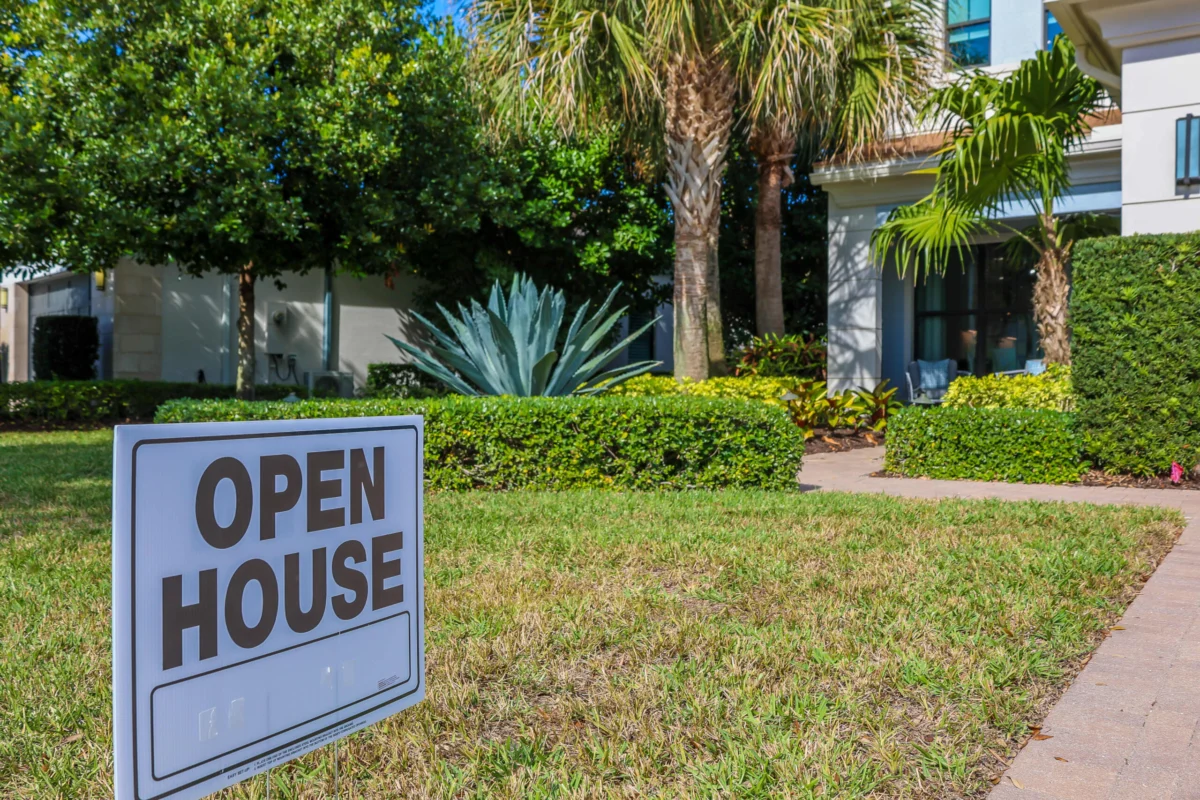
After several years characterized by an aggressively lean and often exorbitantly priced housing market, a notable shift towards equilibrium is emerging across the United States, according to the latest CNBC Housing Market Survey. This significant development indicates a departure from the frenzied seller’s market that dominated the post-pandemic landscape, heralding a period where both buyers and sellers are finding renewed leverage.
The second quarter of the year saw a substantial increase in real estate agents reporting a balanced market. A compelling 44% of agents surveyed indicated they were observing an even playing field between buyers and sellers. This figure marks a considerable jump from just 30% recorded in the third quarter of last year, when CNBC initiated its quarterly national inquiry. The survey, which gathers insights from randomly selected real estate agents across the U.S., collected responses for its second-quarter findings between June 23 and June 30, with 53 agents contributing their perspectives.
The Shifting Landscape: From Seller’s Stronghold to Shared Leverage
The sentiment on the ground reflects a tangible change in market dynamics. Jeremy Kane, a seasoned real estate agent with EXP Realty in Denver, articulated this shift, stating, "It certainly feels like, depending on the home, depending on the neighborhood, depending on the condition and the price point, that both the buyer and the seller do have a little bit of leverage." This observation underscores a move away from the intense bidding wars and waived contingencies that became commonplace during the peak of the housing boom, where sellers held almost all the cards.
To understand the magnitude of this shift, it’s crucial to contextualize the preceding years. The period from mid-2020 through early 2022 witnessed an unprecedented surge in housing demand, fueled by historically low mortgage rates, a pandemic-induced desire for more space, and a demographic wave of millennial homebuyers entering the market. This confluence of factors led to severe inventory shortages, driving home prices to record highs and creating an intensely competitive environment for buyers. Many homes received multiple offers within hours of listing, often selling for well above asking price with few, if any, buyer concessions. The National Association of Realtors (NAR) reported that median existing-home prices saw double-digit annual increases for much of this period, with year-over-year gains peaking at over 20% in some months.
Key Indicators of Market Rebalancing
Several key indicators and agent observations from the CNBC survey point to this ongoing rebalancing:
-
Seller Realism and Price Adjustments: One of the most telling signs of a normalizing market is the evolution of seller expectations. Agents report that sellers are becoming more realistic in their pricing strategies, no longer anticipating the colossal price jumps seen in the immediate aftermath of the pandemic’s onset. Bruce Jones, an agent with Compass in Nashville, Tennessee, noted, "No one really seems to be fighting me much on price like they used to. We’re not really seeing huge decreases in prices. We’ve kind of plateaued, but I don’t see people arguing too much about that. If it’s priced correctly, it is moving." This sentiment is further supported by a dramatic drop in the percentage of agents reporting at least one price cut to active listings. In the second quarter survey, only 57% of agents reported price cuts, a significant decrease from 89% in the third quarter of 2022. This suggests that sellers are listing their homes more accurately from the outset, aligning with current market valuations rather than aspirational pandemic-era highs.
-
Asking Price Trends: Data from Realtor.com reinforces the trend of price stabilization. Asking prices in June were down 2.5% year over year, marking the largest annual drop since the company began tracking this metric in 2017 and representing the eighth consecutive month of declines. While the S&P CoreLogic Case-Shiller national home price index still shows prices just under 1% higher than a year ago, the divergence between asking prices and closed prices, coupled with the slowing appreciation rate, highlights a market grappling with affordability constraints and increased supply. Martha Thorn, an agent with Coldwell Banker in Tampa, Florida, emphasized the strategic importance of pricing: "I always tell sellers that I’m in the business of selling homes, not storing them, and so you really need to put a property at the right price in order to get it sold."
-
Reduced Contract Cancellations: Another strong indicator of a more stable market is the decline in contract cancellations. Just 40% of respondents to CNBC’s survey reported at least one contract falling through in the second quarter, a noticeable improvement from 51% in the first quarter of this year. This suggests that transactions are becoming more robust, with fewer deals collapsing due potentially to financing issues, appraisal gaps, or buyer remorse stemming from aggressive bidding. A more predictable transaction environment benefits all parties involved, reducing uncertainty and improving market efficiency.
-
Inventory Increases and Easing Supply Pressures: The availability of homes for sale, or inventory, has long been a critical bottleneck in the housing market. Recent data, however, indicates a modest but meaningful increase. Inventory in June was up just under 2% from the previous year, according to Realtor.com, with new listings also rising by 2.4%. While the market is still considered lean by historical standards, it’s a far cry from the extreme shortages seen a few years ago. Currently, there are approximately 1.1 million homes listed for sale, a significant increase from around 614,000 at this time in 2023, just after the most intense phase of the pandemic-driven boom. This increased supply, even if incremental, provides buyers with more options and reduces the urgency to overbid, contributing to the rebalancing.
Evolving Buyer Concerns and Mortgage Rate Volatility

As the market shifts, so too do the primary concerns of prospective homebuyers. The CNBC survey reveals that mortgage rates and prices have now overtaken the broader economy as the biggest worries reported by agents in the second quarter. Concerns over inventory, which were paramount during the market’s peak, have dramatically decreased. Interestingly, the Iran war, which sparked significant worry in March, appears to have abated as a major factor influencing buyer sentiment.
The sharp rise in mortgage rates has been a central theme in the housing market’s recent history. At the end of last year, 26% of agents cited mortgage rates as their buyers’ biggest concern. This figure jumped to 37% in the latest survey, highlighting the profound impact of borrowing costs on affordability. Mortgage rates had seen a brief respite after last summer, hitting a low of 5.99% on the 30-year fixed rate at the end of February, according to Mortgage News Daily. However, they subsequently spiked higher at the start of March, partly influenced by global geopolitical events and the Federal Reserve’s continued efforts to combat inflation. The average rate on the 30-year fixed mortgage last peaked at 6.75% on May 19 and has since hovered around the 6.6% range. These elevated rates have effectively priced out a segment of potential buyers, moderating demand and contributing to the market’s rebalancing.
A Broader Chronology of Market Shifts
The journey to the current balanced state is a compelling narrative of economic forces and policy responses:
- Early 2020 – Mid-2022: The Pandemic Housing Boom: Driven by historically low interest rates (the Federal Reserve cut its benchmark rate to near zero), a sudden surge in remote work prompting desires for larger homes, and limited inventory, the housing market experienced unprecedented growth. Median home prices soared, and bidding wars became the norm.
- March 2022 – Present: Federal Reserve Tightening Cycle: To combat runaway inflation, the Federal Reserve began aggressively raising the federal funds rate. This directly impacted mortgage rates, which climbed steadily throughout 2022 and into 2023, reaching multi-decade highs. This policy shift acted as a brake on housing demand, cooling the red-hot market.
- Late 2022 – Early 2023: Initial Cooling and Price Deceleration: As mortgage rates surged, affordability worsened, and buyer demand softened. Home sales began to decline, and price appreciation slowed significantly, with some areas even experiencing modest price dips.
- Q2 2023: Emergence of Balance: The data from the CNBC survey points to this quarter as a pivotal moment where the cumulative effects of higher rates, increased inventory, and adjusted seller expectations coalesced into a more balanced market environment.
Regional Nuances Amidst National Trends
While the national picture points to a general trend of rebalancing, the housing market remains inherently local, with significant divergence observed across different regions and even neighborhoods. Joel Eronko with Nicholas Joel Realty Group in Houston succinctly captured this complexity: "The challenge isn’t a lack of buyers, it’s a psychology gap. My focus this quarter is keeping clients focused on real-time, hyper-local data rather than national economic headlines."
This highlights that while national data provides a broad overview, specific local conditions—such as job growth, population migration patterns, local supply constraints, and affordability levels—continue to dictate market dynamics on the ground. For instance, fast-growing Sun Belt cities that saw massive influxes of residents during the pandemic might still experience stronger demand than older, slower-growth regions, even with higher rates. Conversely, areas with an oversupply of new construction or declining local economies might lean more towards a buyer’s market.
Outlook and Future Projections: Cautious Optimism for Stability
Despite the positive signs of a more balanced market, real estate agents have become notably less optimistic about an improvement in sales volumes in the near future. The second-quarter findings reveal that just 19% of respondents expect sales to improve, a sharp decline from 48% in the third quarter of last year. The vast majority of agents, 67%, now anticipate sales to remain about the same.
This outlook suggests that while the market is healthier in terms of balance, the persistent challenge of high mortgage rates is likely to keep overall transaction volumes subdued. Affordability remains a significant hurdle for many potential buyers, even with more realistic pricing. Unless there is a substantial reduction in mortgage rates or a dramatic increase in housing supply, a return to the high sales volumes of the pandemic era appears unlikely in the immediate future. Instead, the market is expected to settle into a period of more stable, albeit slower, activity.
Implications for Stakeholders
- For Buyers: A balanced market means less competition, more negotiation room, and a reduced likelihood of needing to waive contingencies. However, affordability remains a primary concern due to elevated mortgage rates. Strategic patience and a focus on well-priced properties are key.
- For Sellers: The days of automatic bidding wars are largely over. Sellers need to be realistic about pricing, ensure their homes are in good condition, and be prepared for properties to spend a bit longer on the market. Proper staging and competitive pricing are more critical than ever.
- For Investors: The shift towards balance presents new opportunities. With less speculative frenzy, investors can conduct more thorough due diligence and potentially find properties at more reasonable valuations. The Property Play newsletter, published by CNBC and covering new and evolving opportunities for real estate investors—from individuals to venture capitalists, private equity funds, family offices, institutional investors, and large public companies—becomes an even more valuable resource in navigating these evolving market conditions. It offers insights into where value can be found and how to adapt investment strategies to a less volatile, more predictable housing environment.
The current trajectory of the U.S. housing market represents a crucial recalibration. It signifies a transition from an unsustainable boom to a more sustainable, albeit challenging, period of equilibrium. While high mortgage rates continue to exert downward pressure on transaction volumes, the return of balance offers a more predictable and potentially healthier environment for both buyers and sellers in the long run.
