

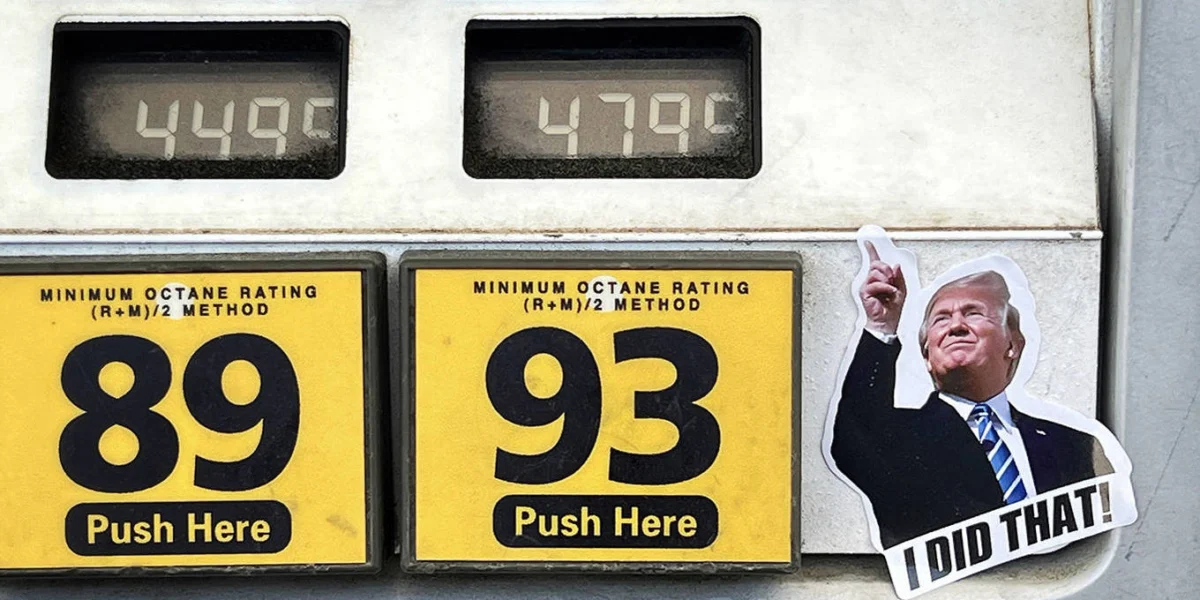
CAMBRIDGE – Prices are escalating at a pace that outstrips wage growth across the United States, with a significant portion of this inflationary pressure attributed to policies enacted during President Donald Trump’s administration. As the economic landscape continues to shift, there is a growing call for the Democratic Party to articulate a detailed and actionable "affordability platform" designed to tackle the core drivers of rising costs, including the impact of tariffs, energy price volatility, and the economic consequences of mass immigration enforcement.
The economic narrative surrounding inflation in the United States has taken a stark turn since President Trump’s initial campaign promises. In 2025, he pledged to combat inflation aggressively, stating his intention to address it "starting on day one" and even suggesting a goal of lowering the overall price level, a move that would necessitate sustained periods of deflation. However, critics and economic analysts contend that the subsequent policy decisions have inadvertently contributed to an environment conducive to inflation, rather than its abatement. This analysis examines the key policy areas contributing to current price pressures and explores the potential policy responses available to the Democratic Party.
The Roots of Rising Prices: A Policy-Driven Inflationary Environment
The economic climate of the mid-2020s is characterized by a complex interplay of global and domestic factors influencing consumer prices. However, a significant segment of economic discourse points towards specific policy choices made by the Trump administration as primary catalysts for the current inflationary trend. These policies, impacting sectors from international trade to domestic labor markets, have created a confluence of cost pressures that are being passed on to consumers.
Tariffs and Trade Wars: A Tax on American Consumers
One of the most significant policy levers employed by the Trump administration was the imposition of widespread tariffs on imported goods. Initiated with the stated goal of protecting domestic industries and reducing trade deficits, these tariffs, particularly those levied on goods from China and other major trading partners, had a cascading effect on the US economy.
Supporting Data and Context:
The imposition of tariffs began in earnest in 2018 and continued through subsequent years, with notable levies on steel, aluminum, and a broad range of consumer products. A study by the National Bureau of Economic Research (NBER) published in 2023 indicated that the tariffs imposed by the Trump administration led to an increase in U.S. import prices, which in turn translated to higher consumer prices. For instance, a 10% tariff on imported goods can lead to an approximate 0.5% increase in domestic prices for those goods. The cumulative effect of multiple tariff rounds across various sectors created a sustained upward pressure on the cost of manufactured goods, electronics, apparel, and even certain food products.
The economic rationale behind tariffs is often to make imported goods more expensive, thereby encouraging consumers to purchase domestically produced alternatives. However, in practice, the impact is often more nuanced. Domestic industries may not always have the capacity to absorb increased demand, leading to higher production costs and ultimately, higher prices for consumers. Furthermore, retaliatory tariffs imposed by other countries on U.S. exports can harm American businesses and reduce overall economic output, indirectly contributing to inflationary pressures through supply chain disruptions and reduced competition.
Energy Prices: A Volatile Factor
Fluctuations in energy prices have historically been a significant driver of inflation, impacting everything from transportation costs to the production of goods and services. The Trump administration’s energy policies, characterized by a focus on deregulation and increased domestic production of fossil fuels, have had a complex and often unpredictable impact on global energy markets.
Supporting Data and Context:
While deregulation aimed to boost oil and gas output, geopolitical events and shifts in global demand have often overshadowed these domestic efforts. For example, in the years leading up to 2026, periods of heightened geopolitical tension in major oil-producing regions, coupled with unexpected supply disruptions, led to sharp increases in crude oil prices. These increases directly translate to higher gasoline prices at the pump, a highly visible and impactful indicator of inflation for households.
Furthermore, the interconnectedness of the global energy market means that U.S. policy decisions, such as withdrawing from international climate agreements or reducing investments in renewable energy, can influence global energy supply and demand dynamics. A reduction in long-term investment in diversified energy sources can make economies more susceptible to price shocks when relying heavily on fossil fuels, especially during periods of global instability. The International Energy Agency (IEA) has consistently highlighted the importance of diversified energy portfolios in mitigating price volatility and ensuring energy security.
Mass Deportation and Labor Market Impacts
The Trump administration’s robust stance on immigration enforcement and the subsequent pursuit of mass deportations have had a discernible impact on the U.S. labor market, particularly in sectors heavily reliant on immigrant labor. This reduction in the available workforce can contribute to inflationary pressures through increased labor costs and reduced productivity.
Supporting Data and Context:
Sectors such as agriculture, construction, hospitality, and certain service industries have historically relied on a significant proportion of immigrant workers, including those who may be undocumented. A sudden and large-scale reduction in this labor pool, as advocated and pursued by the Trump administration, can create labor shortages. When demand for labor outstrips supply, businesses are often forced to increase wages to attract and retain workers. While higher wages can benefit some workers, these increased labor costs are frequently passed on to consumers in the form of higher prices for goods and services.
Studies by organizations like the Center for American Progress have estimated that a significant increase in deportations could lead to billions of dollars in lost economic output and increased production costs in affected sectors. The disruption to established supply chains and the challenge of finding and training new domestic workers can exacerbate these inflationary pressures. Moreover, the uncertainty surrounding immigration policy can also dampen investment and economic growth, creating a less stable economic environment.
The Democratic Response: Crafting an Affordability Platform
In light of these escalating costs, there is a pressing need for the Democratic Party to present a clear, comprehensive, and specific "affordability platform." Such a platform would need to address the multifaceted nature of the current inflationary environment by proposing concrete policy solutions.
Addressing Tariffs and Trade Policy
A key element of any Democratic affordability platform would likely involve a re-evaluation of the tariff policies implemented by the previous administration. This could include:
- Phased Reduction or Elimination of Tariffs: A gradual dismantling of tariffs on goods from key trading partners could lead to lower import costs, which could then translate to reduced prices for consumers. This would require careful negotiation and consideration of potential impacts on domestic industries that have benefited from tariff protection.
- Strategic Trade Agreements: Focusing on the negotiation of new trade agreements that prioritize fair competition, consumer protection, and reduced trade barriers could foster a more stable and predictable global trade environment, thereby mitigating price volatility.
- Targeted Support for Affected Industries: Instead of broad tariff protection, the Democratic Party might propose more targeted support mechanisms for specific domestic industries facing genuine competitive challenges, focusing on innovation, workforce development, and infrastructure improvements.
Stabilizing Energy Prices
The Democratic approach to energy policy would likely emphasize a transition towards more stable and sustainable energy sources while addressing immediate price concerns. Potential components include:
- Investment in Renewable Energy: Accelerating investment in solar, wind, and other renewable energy sources can reduce reliance on volatile fossil fuel markets and contribute to long-term energy price stability. This would involve tax incentives, research and development funding, and streamlined permitting processes.
- Strategic Petroleum Reserve Management: Prudent management of the Strategic Petroleum Reserve (SPR) could be utilized to counter sudden supply shocks and temper extreme price spikes.
- Energy Efficiency Initiatives: Promoting and incentivizing energy-efficient technologies and practices in homes, businesses, and transportation can reduce overall energy demand, thereby easing price pressures.
- International Cooperation on Energy Markets: Engaging in diplomatic efforts with major oil-producing nations and international organizations to promote market stability and ensure adequate global supply could also be a key strategy.
Reforming Immigration Policy and Labor Markets
A comprehensive affordability platform would also need to address the economic implications of immigration policy, advocating for reforms that balance border security with economic needs. This could involve:
- Pathway to Legal Status for Undocumented Workers: Creating a clear and accessible pathway to legal status for undocumented immigrants who are already contributing to the U.S. economy could alleviate labor shortages in critical sectors and reduce the economic disruptions associated with mass deportations.
- Streamlined Legal Immigration Processes: Reforming and modernizing legal immigration channels, particularly for skilled workers and those filling labor needs in underserved sectors, could ensure a more predictable and adequate supply of labor.
- Investment in Workforce Development: Alongside immigration reform, significant investment in domestic workforce development programs, including job training, apprenticeships, and education, would be crucial to equip American workers with the skills needed for high-demand jobs.
- Worker Protections and Fair Wages: Ensuring robust worker protections and advocating for fair wage policies can help to address income inequality and ensure that wage growth keeps pace with the cost of living, thereby improving overall affordability for working families.
Broader Impact and Implications
The economic policies enacted by any administration have far-reaching consequences, and the current inflationary environment is no exception. The continued rise in prices erodes the purchasing power of households, disproportionately affecting lower and middle-income families. This can lead to increased financial stress, reduced consumer spending, and a slowdown in economic growth.
From a political perspective, the Democratic Party’s ability to present a compelling and credible affordability platform will be crucial in the upcoming electoral cycles. Voters are likely to prioritize economic stability and the ability to afford essential goods and services. A well-defined platform that offers tangible solutions to the current challenges could resonate strongly with the electorate.
Conversely, if inflation continues unabated and the Democratic Party fails to articulate a clear path forward, it could lead to public dissatisfaction and a loss of confidence in their economic stewardship. The economic well-being of the nation hinges on effective policy responses that address the root causes of inflation and promote sustainable economic growth that benefits all segments of society. The coming months will be critical in shaping the economic trajectory of the United States and defining the political landscape.
