

A court in Honduras has delivered a landmark verdict, finding four individuals guilty of criminal association in a case linked to a sophisticated sex-trafficking ring, "Delta Teams," and the still-unresolved disappearance of 22-year-old university student Angie Pena in January 2022. The conviction, announced on Friday, November 10, marks a significant, albeit partial, step in a complex investigation that has cast a harsh light on the prevalence of human trafficking in the region and the challenges faced by victims and their families in seeking comprehensive justice. The Public Ministry immediately declared its intention to seek the maximum 10-year jail term for each defendant, while also announcing an appeal against the court’s decision to acquit two of the United States citizens on more severe human trafficking charges.
The ruling concluded a protracted judicial process, identifying three US nationals – Harold Green, William James Murdock, and Gary Lee Johnston – alongside Honduran national Gustavo Trejo (identified as Ramon Trejo in some reports) as central figures in the criminal association. While all four were found guilty of recruiting women into the illicit network, the court’s decision to acquit Green and Murdock of human trafficking specifically has ignited a fresh wave of scrutiny and calls for greater transparency and accountability within the Honduran justice system. The next critical hearing in this high-profile case is scheduled for December 9, where sentencing arguments are expected to be presented.
The Haunting Disappearance of Angie Pena
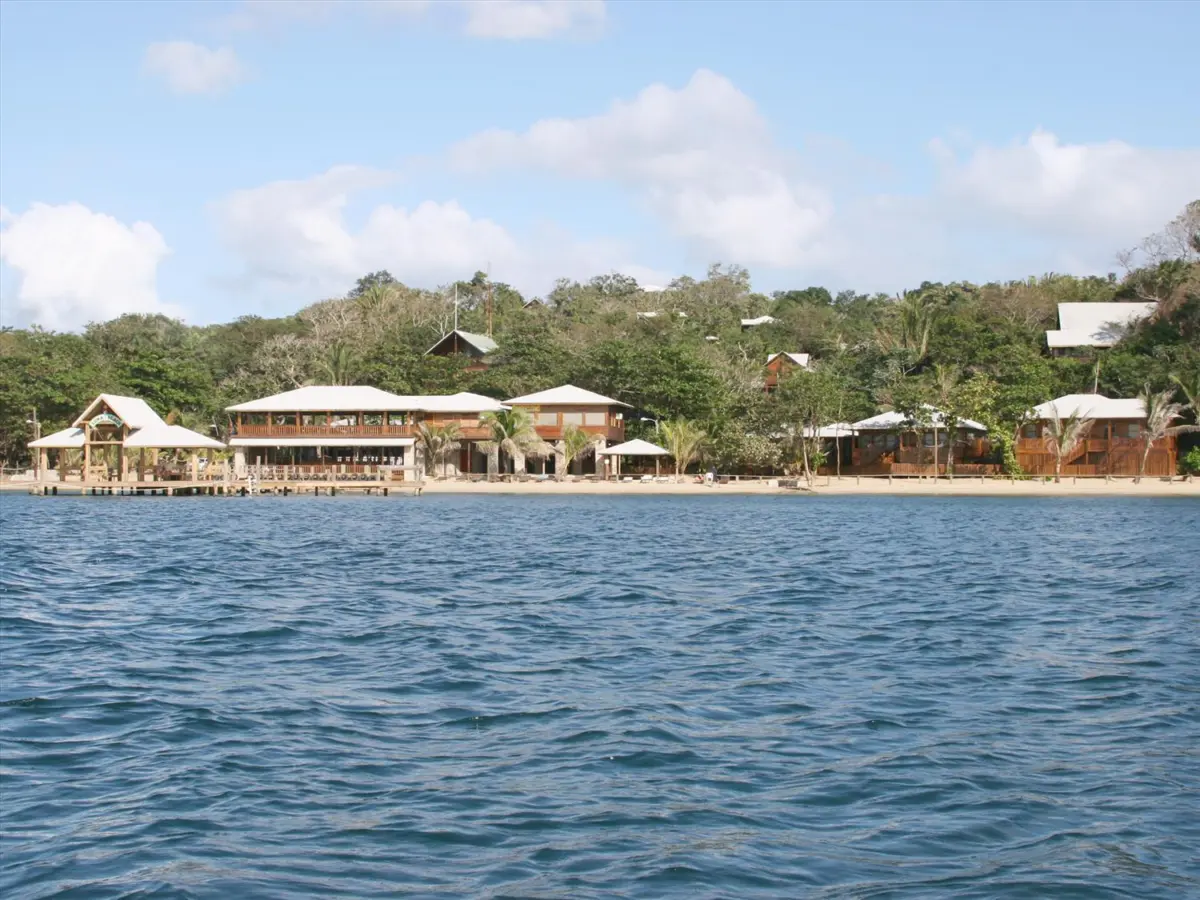
The origins of this complex legal battle trace back to January 1, 2022, when Angie Pena, a vibrant 22-year-old university student, vanished without a trace while jet skiing near the picturesque Caribbean island of Roatan, off Honduras’s northern coast. Roatan, renowned for its pristine beaches and vibrant marine life, is a popular tourist destination, a fact that ironically can also make it a vulnerable point for criminal enterprises. Initial police investigations, possibly swayed by the maritime setting, leaned towards the tragic possibility of drowning. However, Pena’s family vehemently rejected this hypothesis, convinced that her disappearance was no accident and demanding a thorough investigation into what they believed was an abduction. Their persistent appeals and suspicions proved prescient.
The breakthrough in the case, which shifted the narrative from a presumed accident to a criminal investigation, occurred with the discovery of Pena’s jet ski. It was found abandoned in Belize, an astonishing 90 nautical miles (approximately 170 kilometers) away from Roatan. This geographical incongruity immediately raised red flags, suggesting a deliberate act rather than an accidental drift or drowning. The discovery catalyzed a dedicated trafficking investigation, which subsequently uncovered a sophisticated and disturbing sex-trafficking network operating under the moniker "Delta Teams." Investigators later confirmed that Pena had indeed fallen prey to this organization, which has since been dismantled through diligent law enforcement efforts. Disturbingly, the Attorney General’s Office confirmed that minors were among the many victims trafficked by this criminal enterprise, underscoring the severe and widespread nature of their illicit operations.
Unraveling the "Delta Teams" Network
The "Delta Teams" network, as described by the Public Ministry, engaged in the systematic "locating, recruiting, and transporting women via social media" for the purposes of sexual exploitation. This modus operandi highlights a modern and insidious aspect of human trafficking, where digital platforms, designed for connection, are weaponized to ensnare vulnerable individuals. The use of social media allows traffickers to cast a wide net, operating across geographical boundaries and often preying on individuals’ economic insecurities, desire for adventure, or naive trust. In the context of Honduras, a nation grappling with significant economic disparities and social challenges, the allure of opportunities, real or fabricated, can make individuals particularly susceptible to such manipulative tactics.
The conviction of the four individuals for criminal association signifies the court’s recognition of their collective involvement in the activities of the "Delta Teams." This charge typically pertains to an agreement between two or more persons to commit a crime, even if the specific underlying crime (like human trafficking) is not fully proven against all members. The Public Ministry’s statement on X (formerly Twitter) confirmed the guilty verdict against the four members for "the violation of criminal association," emphasizing their role in the network’s broader operations. The implication is that these individuals were instrumental in the machinery of exploitation, even if direct links to Pena’s specific trafficking or current whereabouts could not be fully established to the court’s satisfaction for the higher charge.
The Verdict and Public Ministry’s Stance
The Public Ministry, acting as the Attorney General’s Office, has been unequivocal in its response to the verdict. Immediately following the court’s decision, it announced its intention to request the maximum penalty of 10 years in jail for each of the four convicted defendants. This aggressive stance underscores the gravity with which the Honduran authorities view the crime of criminal association in the context of sex trafficking and their commitment to securing substantial justice.
However, the ministry’s satisfaction with the convictions was tempered by its strong disagreement with the acquittals of Harold Green and William James Murdock on the charge of human trafficking. The court concluded that there was insufficient evidence to directly link these two US citizens to Pena’s disappearance and alleged trafficking, leading to their conviction on the lesser charge of criminal association. The Public Ministry swiftly declared its intent to appeal this specific aspect of the ruling, signaling its belief that more robust evidence exists or can be presented to substantiate the human trafficking charges against Green and Murdock. This appeal process will likely extend the legal proceedings, as the ministry seeks to hold all involved parties accountable to the fullest extent of the law for their alleged roles in the exploitation of individuals.
A Glimmer of Justice Amidst Acquittals
For the family of Angie Pena and anti-trafficking advocates, the convictions represent a critical, albeit incomplete, victory. The guilty verdict for criminal association validates their long-held belief that Angie’s disappearance was not an accident but the result of criminal activity. It also acknowledges the existence and operation of the "Delta Teams" network and the complicity of the convicted individuals. This recognition is crucial for the healing process and for reinforcing public trust in the justice system’s ability to tackle organized crime.
Nevertheless, the acquittals on human trafficking charges for Green and Murdock cast a shadow over the proceedings. Human trafficking is a severe transnational crime, often involving multiple stages from recruitment to exploitation. Proving every link in this chain, especially when victims are missing or coerced into silence, presents immense evidentiary challenges. The court’s decision highlights the high bar for conviction on such charges, requiring irrefutable proof of specific acts of trafficking beyond participation in a criminal enterprise. For many, these acquittals raise questions about the adequacy of the investigation or the judicial standards applied, particularly given the Public Ministry’s strong belief in their culpability for the higher charge.
Challenges to Judicial Transparency and Witness Protection
The legal proceedings have not been without controversy, drawing criticism regarding transparency and the safety of those involved. The fact that Friday’s trial was not open to the public or media immediately raised concerns, prompting Angie Pena’s family to publicly question the fairness and openness of the judicial process. In a country where public trust in institutions can be fragile, closed-door trials, even if legally permissible under certain circumstances (e.g., to protect sensitive information or victims), can fuel suspicion and undermine confidence in the impartiality of justice.
A particularly disturbing development in the lead-up to the verdict was the killing of a key protected witness in August. Following his death, videos were released featuring Dereck McNeil, the deceased witness, in which he made grave accusations of corruption against a special unit within the public prosecutor’s office. While the Public Ministry’s Investigative Technical Criminal Agency (ATIC) has vehemently denied these allegations and stated it was not involved in the direct investigation of Pena’s disappearance, the incident undeniably casts a pall over the proceedings. The murder of a witness in a high-profile case of this nature can have a chilling effect, deterring others from coming forward and compromising the integrity of future investigations. It underscores the profound risks faced by individuals who cooperate with law enforcement in combating powerful criminal organizations.
Honduras’ Femicide Crisis and the Broader Context
The Angie Pena case tragically highlights the pervasive struggles women in Honduras face in their quest for justice following violent abuse. The country grapples with an alarming rate of gender-based violence, evidenced by its femicide rate of 4.3 cases per 100,000 inhabitants. According to the Economic Commission for Latin America and the Caribbean (ECLAC), this is the highest rate in Latin America, making Honduras a particularly dangerous place for women. This statistic is not merely a number; it represents a systemic crisis where violence against women is endemic, often goes unpunished, and is deeply rooted in societal norms and institutional weaknesses.
Human trafficking, particularly sex trafficking, exacerbates this crisis. It preys on vulnerabilities, often targeting women and girls from marginalized communities or those facing economic hardship. The lack of robust institutional support, coupled with societal acceptance of gender inequality, creates fertile ground for traffickers to operate with relative impunity. The challenges of investigating and prosecuting these crimes are immense, requiring specialized training, cross-border cooperation, and a strong commitment to victim protection. The Pena case serves as a stark reminder that beneath the surface of tourist paradises, darker realities of exploitation can thrive, exploiting both local populations and unsuspecting visitors.
The Enduring Quest for Answers: Family’s Perspective
For Angie Pena’s family, the convictions, while providing some measure of validation, do not bring closure. Their primary demand remains unanswered: the whereabouts of Angie. Kenia Paz, a lawyer representing Pena’s family through the Legal Team for Human Rights, articulated this profound sentiment, stating, "The ruling indicates to the Public Prosecutor’s Office that it must continue investigating, as the lines of inquiry in Angie Pena’s case have not been exhausted." Paz further emphasized the family’s deep-seated need for truth: "The ruling and what has been done so far by the state do not bring Angie Pena back. They do not tell us where she is, and that is what we need to know: what happened to Angie and when she will return."
The family’s journey has been one of relentless advocacy against initial official dismissals and through a labyrinthine legal process. Angie’s aunt, Yenely Diaz, reflected on the initial misdirection, telling the AFP news agency, "They told us it was an accident; everything was conducted through organised crime." This statement encapsulates the family’s struggle to overcome official narratives and compel authorities to acknowledge the sinister truth behind Angie’s disappearance. Their continued fight for her return underscores the emotional toll and the enduring pain inflicted by such crimes, even when perpetrators are brought to justice for related offenses. The convictions, while important, are merely a chapter in an ongoing tragedy for the Pena family, who will not rest until they know what happened to Angie.
Regional and International Implications of Sex Trafficking
The "Delta Teams" case in Honduras is not an isolated incident but reflects a broader, persistent challenge of human trafficking across Central America and beyond. The region, characterized by migratory flows, economic instability, and porous borders, is a significant source, transit, and destination area for victims of trafficking. Criminal networks exploit these vulnerabilities, moving individuals for forced labor, sexual exploitation, and other illicit purposes. The involvement of US citizens in the Honduran case also highlights the transnational nature of these crimes, often requiring international cooperation between law enforcement agencies to dismantle such networks effectively.
The use of social media for recruitment, as seen with "Delta Teams," is a growing concern globally. Traffickers leverage the internet’s reach and anonymity to identify, groom, and lure victims, often under false pretenses of employment, education, or romantic relationships. This necessitates a proactive approach from technology companies, governments, and civil society organizations to educate the public about online risks, monitor suspicious activities, and provide safe reporting mechanisms.
The Honduran Public Ministry’s appeal on the human trafficking charges for two defendants underscores the complexities of prosecuting such cases. Evidentiary hurdles are often high, especially when victims are missing, coerced, or face severe trauma that makes testimony difficult. Strengthening forensic capabilities, witness protection programs, and legal frameworks is crucial for improving conviction rates for human trafficking.
Ongoing Investigations and Future Steps
The upcoming hearing on December 9 for sentencing will be another pivotal moment in this case. While the Public Ministry pushes for maximum penalties, the defense will undoubtedly argue for leniency or alternative considerations. Beyond sentencing, the Public Ministry’s announced appeal against the acquittals on human trafficking charges indicates that the legal battle is far from over. This appeal process will entail a review by a higher court, potentially leading to a new trial or a different interpretation of the evidence.
Crucially, the disappearance of Angie Pena remains an open wound. The convictions for criminal association are a step towards accountability for the "Delta Teams" network, but they do not provide the answers the family desperately seeks about Angie’s fate. The Public Ministry’s ongoing mandate to investigate, as highlighted by Kenia Paz, means that the search for Angie must continue with renewed vigor, utilizing all available resources and investigative avenues. The case serves as a stark reminder that true justice, for victims and their families, often extends beyond convictions to the full restoration of truth and, wherever possible, the recovery of those who have been exploited.
