

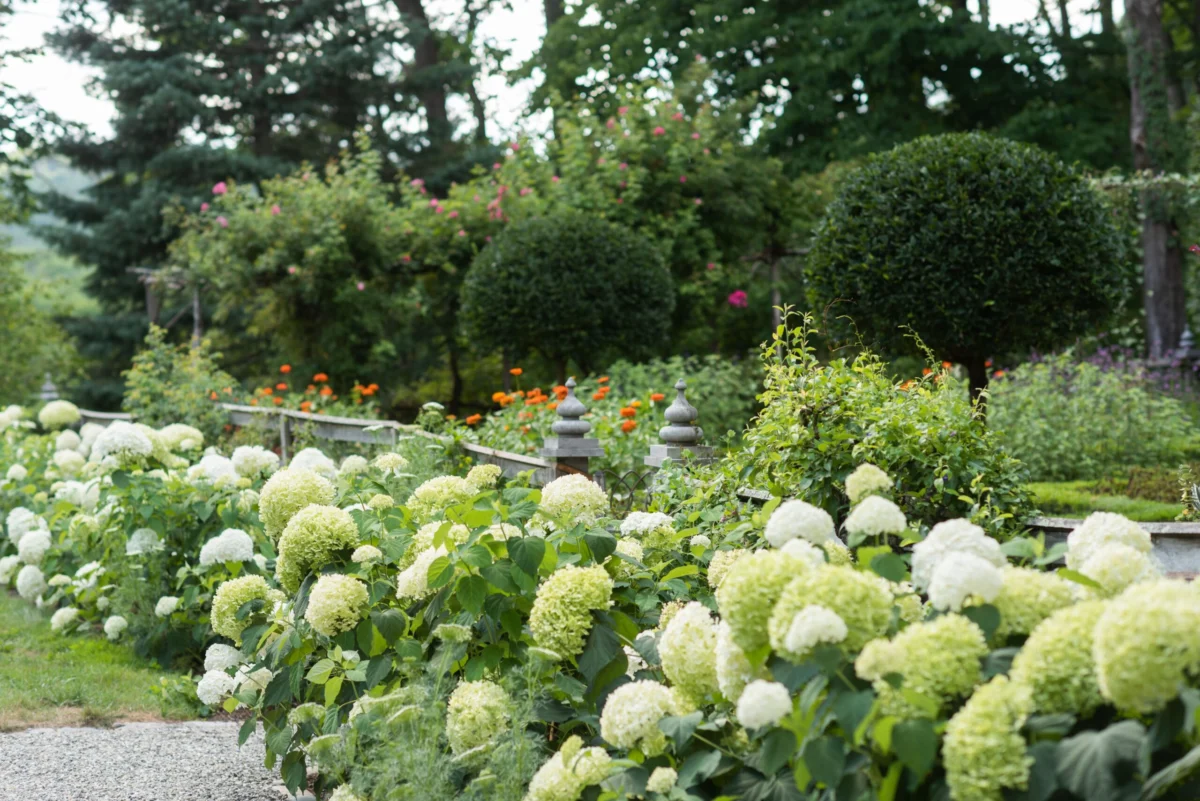
The hydrangea, a genus of over 75 species of flowering plants native to Asia and the Americas, has evolved from a sacred temple bloom in ancient Japan to a cornerstone of modern Western horticulture. Often described by enthusiasts as resembling clusters of cotton candy or heavy snowballs, these shrubs have become emblematic of the temperate summer, particularly in the coastal regions of New England and the fertile valleys of the Midwest. Beyond their aesthetic appeal, hydrangeas represent a sophisticated intersection of botanical science and landscape design, offering a unique "litmus test" capability through their soil-dependent color variations. For professional landscapers and home gardeners alike, the plant has become synonymous with the concept of "lounging" and outdoor serenity, providing not only lush greenery but also essential privacy in urban environments.
Botanical Origins and Historical Context
The cultural journey of the hydrangea began centuries ago in Japan, where the plant was frequently found adorning the grounds of Buddhist temples. During the Edo period, these blooms were celebrated in art and poetry, symbolizing everything from heartfelt emotion to perceived fickleness due to their changing colors. The plant’s entry into the Western scientific canon occurred through the work of Carl Linnaeus, the father of modern taxonomy. Linnaeus derived the name from the Greek words hydor (water) and ageion (vessel), a direct reference to the plant’s significant water requirements and the shape of its seed capsules.
.jpg)
In the United States, the hydrangea’s prestige was cemented by its inclusion in the historic gardens of the founding fathers. Both George Washington at Mount Vernon and Thomas Jefferson at Monticello integrated these shrubs into their expansive landscapes, recognizing their ability to provide structural volume and consistent seasonal interest. Today, with over 200 cultivated varieties, the hydrangea remains a dominant force in the global ornamental plant market, which contributes billions of dollars annually to the agricultural economy.
The Science of Hardiness and Environment
Horticultural success with hydrangeas is predicated on an understanding of USDA Plant Hardiness Zones. Expert data suggests that zones three through nine are the most conducive for hydrangea health. While the plants are resilient, they are fundamentally ill-suited for the arid, high-heat environments of the American Southwest and parts of the Deep South, where high evapotranspiration rates can lead to rapid wilting and cellular damage.
The "water vessel" etymology is more than a linguistic curiosity; it is a physiological blueprint. Hydrangeas possess a high transpiration rate, meaning they lose water quickly through their large leaves. Consequently, they thrive in well-drained soil that remains consistently moist. Bruce J. Black, a horticulture educator at the University of Illinois Extension, emphasizes that while hydrangeas are often associated with shade, full shade can be detrimental to bloom production. "Although they can be successfully grown in full shade, they will not bloom well," Black notes, suggesting that a balance of morning sun and afternoon shade is the ideal "goldilocks" zone for most varieties.

A Chronology of the Planting Cycle
The lifecycle of a successful hydrangea garden begins with strategic timing. Industry experts, including Matthew Dynakowski of Ball Seed, identify two primary windows for planting: early spring and early fall.
- Spring Establishment: Planting in the early spring allows the shrub to establish a robust root system before the onset of summer heat. This period is critical for the plant to develop the vascular strength necessary to transport the large volumes of water it will require during the July and August peaks.
- Fall Dormancy Preparation: For those planting in the fall, the goal is to allow the plant to settle before the first hard frost. Fall planting shifts the plant’s energy from leaf and flower production to root growth, often resulting in a more vigorous display the following year.
- The First Growing Season: During the first year, the plant is in a high-maintenance phase. Daily watering is often required to ensure the soil never fully dries out, as the root ball is still confined to a relatively small area.
Advanced Care and the Chemistry of Color
One of the most remarkable features of the Hydrangea macrophylla (Bigleaf) is its ability to change color based on soil chemistry. This is not a result of the soil pH itself, but rather the availability of aluminum ions in the soil. In acidic soils (pH 5.5 or lower), aluminum is more soluble and can be absorbed by the plant, turning the flowers blue. In alkaline soils (pH 6.5 or higher), the aluminum becomes "locked" and unavailable, resulting in pink or red blooms.
Horticulturalists suggest that gardeners can manipulate this through soil amendments. The application of sulfur is often recommended to lower pH safely, whereas the addition of lime can raise it. However, Black warns against the over-application of aluminum sulfate, which can lead to aluminum toxicity if not managed carefully. This chemical flexibility makes the hydrangea a living laboratory for gardeners interested in the intersection of chemistry and botany.

Structural Maintenance: The Pruning Divide
Perhaps the most common cause of "bloom failure" in hydrangeas is improper pruning. The genus is divided into two distinct categories based on when they set their flower buds:
- Old-Wood Bloomers: Varieties like Bigleaf and Oakleaf hydrangeas form their buds on the previous year’s growth. If a gardener prunes these in late winter or early spring, they are effectively cutting off the summer’s flowers. These should only be pruned immediately after the summer flowers fade.
- New-Wood Bloomers: Varieties such as Panicle (H. paniculata) and Smooth (H. arborescens) hydrangeas produce buds on the current season’s growth. These are much more forgiving and can be pruned in late winter to encourage new, vigorous stems and larger flower heads.
Jacqueline Harrison, principal of Harrison Green, advises a conservative approach. "When in doubt, prune less rather than more," she says, noting that many varieties thrive with only the removal of dead wood.
Urban Adaptability and Container Gardening
As urban densification continues, the hydrangea has adapted to the "urban patio" lifestyle. Certain cultivars, particularly the "Limelight" and "Bobo" panicle hydrangeas, have been bred for smaller footprints and container resilience. Barbara Arnold of the Franklin Park Conservatory emphasizes that container gardening requires a higher level of vigilance. Roots in a pot are susceptible to temperature fluctuations and rapid drying. Arnold recommends "sinking" the entire container into the ground during winter months to insulate the root system from the freeze-thaw cycles that can shatter ceramic pots and kill dormant plants.

Safety and Ecological Impact
While hydrangeas are a boon for biodiversity—providing nectar for various pollinators—they carry a hidden risk for domestic animals. The leaves and buds contain hydrangein, a cyanogenic glycoside. If ingested by cats or dogs, it can cause vomiting, diarrhea, and in severe cases, lethargy or depression. The Animal Humane Society classifies the plant as toxic, urging pet owners to monitor animals that have a habit of chewing on garden foliage.
From an ecological perspective, the hydrangea’s large leaf surface area makes it an excellent tool for mitigating the "urban heat island" effect. By transpiring water, these plants help cool the immediate microclimate of a garden or terrace. Furthermore, the use of mulch—recommended at a depth of two to three inches—not only protects the hydrangea’s roots but also promotes soil health and water conservation, aligning with modern sustainable gardening practices.
Industry Implications and Future Trends
The hydrangea remains a staple of the $15 billion U.S. floriculture industry. Its popularity is driven by its "payoff-to-effort" ratio. Once established, the hydrangea offers a high-impact visual return with relatively low maintenance compared to roses or other finicky ornamentals. Market trends show an increasing demand for "reblooming" varieties, such as the ‘Endless Summer’ series, which bloom on both old and new wood, providing a longer floral season and insurance against late-spring frosts.

As climate patterns shift, the horticultural industry is also focusing on drought-tolerant hydrangea hybrids. While the "water vessel" will always need its namesake, new breeding programs are looking to create varieties that can withstand the increasingly erratic weather patterns of the 21st century.
Conclusion: The Enduring Legacy of the Water Vessel
The hydrangea is more than just a seasonal ornament; it is a resilient, historically rich, and scientifically fascinating genus that continues to captivate the human imagination. By understanding the specific needs of these plants—from the chemistry of their soil to the timing of their pruning—gardeners can ensure that these "snowballs of summer" continue to flourish. Whether planted in the expansive gardens of a historic estate or a small container on a city balcony, the hydrangea remains a testament to the enduring beauty of the natural world and the rewards of diligent stewardship.
