

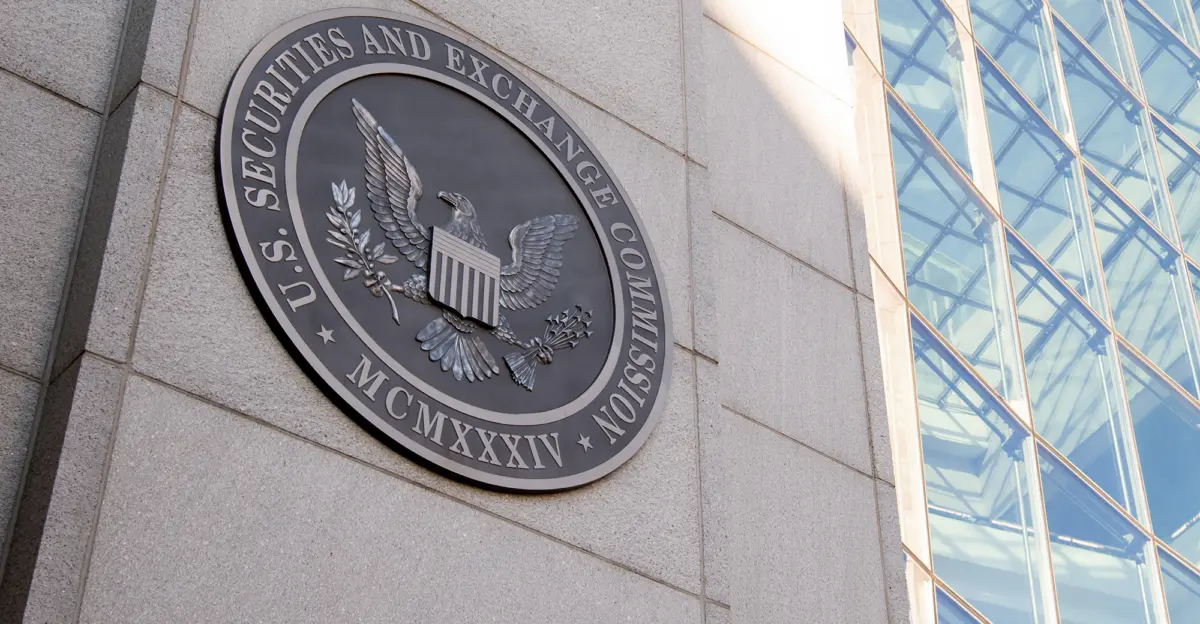
The U.S. Securities and Exchange Commission (SEC) has leveled charges against two Colorado-incorporated entities, BG Wealth Sharing and DSJ Exchange Pty, for allegedly orchestrating a sophisticated cryptocurrency fraud scheme that defrauded tens of thousands of retail investors out of an estimated $130 million. The alleged fraudulent activities spanned from October 2025 to June 2026, impacting investors across more than 40 U.S. states. While the entities were formally registered in Colorado, regulatory investigators believe the operations were primarily directed from overseas.
The core of the SEC’s complaint centers on the alleged use of fabricated regulatory filings to lend an air of legitimacy to the fraudulent operations. BG Wealth Sharing, in particular, is accused of misrepresenting itself as "the world’s largest hedge fund" and an SEC-licensed investment advisor. The firm purported to offer investors monthly returns of at least 60% with zero risk, attributing this success to a proprietary artificial intelligence-based trading system developed by its founder, identified as "Professor" Stephen Beard. This AI was claimed to generate nearly faultless trading signals for cryptocurrency assets. BG Wealth Sharing also allegedly positioned itself as a partner of DSJ Exchange, a platform marketed as a "secure" cryptocurrency trading venue.
However, the SEC asserts that these claims were entirely fictitious. To deceive both investors and regulators, the entities allegedly submitted fraudulent Forms ADV and Form D to the Commission. These doctored documents were then presented as evidence of SEC approval and oversight, creating a false sense of security for potential investors.
A Deceptive Investment Mechanism
The alleged scheme involved a multi-pronged approach to extract funds from unsuspecting investors. According to the SEC’s complaint, BG Wealth Sharing would direct investors to create accounts on the DSJ Exchange platform. Investors were then instructed to deposit their cryptocurrency assets into these accounts. Subsequently, they were provided with alphanumeric "trading signals" by BG Wealth Sharing, which they were to manually input into their DSJ accounts. BG Wealth Sharing claimed that only a small fraction, 1%, of investors’ funds would be automatically traded, pooled with other investors’ capital on an "open crypto market."
The SEC contends that this entire investment process was a carefully constructed illusion. No actual funds were ever invested in legitimate markets, and the purported profits displayed on the DSJ Exchange platform were fabricated. Instead, a portion of the incoming funds from new investors was allegedly siphoned off to pay existing investors, a common Ponzi scheme tactic designed to prolong the illusion of profitability and encourage further investment.
Elaborate Deception Tactics and Evasive Maneuvers
Beyond the fabricated filings, BG Wealth Sharing and DSJ Exchange employed an array of sophisticated tactics to maintain and expand their fraudulent enterprise. The scheme was perpetuated through a multi-level marketing structure, fostering a sense of community and shared success among participants. This included regular weekly videoconferences, encrypted messaging channels for internal communication, and high-profile roadshow events held in major U.S. cities. These events often featured lavish giveaways, such as Teslas, iPhones, and cash prizes, intended to attract new investors and reinforce the perceived legitimacy and success of the operation. KSL News in Utah, for instance, reported on an attendee’s experience at a BG Wealth event in Sandy, Utah, in April 2026, where such incentives were used to entice participation.
Mounting Red Flags and Regulatory Action
Despite the elaborate façade, warning signs about BG Wealth Sharing began to emerge internationally as early as May 2025, when foreign securities regulators issued cautionary statements. Domestically, state regulators in Alaska, Texas, Utah, Washington, and Wisconsin, among others, started issuing cease-and-desist orders against the firms beginning in March 2026. However, these regulatory interventions appear to have had little immediate impact, as the entities reportedly continued their operations unabated through June 2026.
The fraudulent operation also exhibited resistance to investor withdrawals. While the platforms technically allowed investors to redeem their funds, the process was intentionally made arduous and costly. Investors faced significant withdrawal fees, sometimes as high as 20%, and protracted processing times spanning multiple days. These deterrents were designed to discourage investors from liquidating their holdings and to retain capital within the scheme.
A significant turning point occurred in April 2026 when the FBI seized one of BG Wealth Sharing’s websites. In response, the firm issued a false explanation, attributing the website’s unavailability to a "Chinese hack." This evasive tactic was a precursor to further restrictions, as DSJ Exchange eventually blocked investors from making any further withdrawals, effectively trapping their funds.
SEC’s Enforcement Action and Broader Implications
In response to these alleged transgressions, the SEC has filed a complaint seeking permanent injunctions and civil penalties against both BG Wealth Sharing and DSJ Exchange Pty. The agency has also taken steps to remove the allegedly false filings submitted by the entities from its public website, thereby correcting the record and preventing further deception. As of the reporting date, neither BG Wealth nor DSJ Exchange had been reached for comment regarding the SEC’s allegations.
This case is not an isolated incident. In late August 2026, the SEC brought charges against 38 entities in federal court in Colorado, alleging they submitted fraudulent Form ADV filings. These filings falsely portrayed the entities as legitimate advisory firms serving U.S. investors. Investigations revealed that IP addresses associated with some of these firms originated from foreign jurisdictions, mirroring the alleged modus operandi of BG Wealth Sharing and DSJ Exchange.
The SEC’s Office of Investor Education and Assistance has recently issued a pointed investor alert, highlighting a growing trend where scammers are exploiting SEC-exempt reporting advisor filings. These filings, which are not subject to the same rigorous oversight as registered investment advisors, are being manipulated to create a false impression of legitimacy and regulatory compliance. This alert serves as a crucial reminder to investors to exercise extreme caution and conduct thorough due diligence when considering any investment opportunity, particularly in the volatile and rapidly evolving cryptocurrency market.
Chronology of Alleged Fraudulent Activities:
- May 2025: Foreign securities regulators reportedly issue initial warnings regarding BG Wealth Sharing.
- October 2025: Alleged commencement of the fraudulent crypto scheme by BG Wealth Sharing and DSJ Exchange Pty.
- March 2026: State regulators in Alaska, Texas, Utah, Washington, and Wisconsin begin issuing cease-and-desist orders against the entities.
- April 2026: The FBI seizes one of BG Wealth Sharing’s websites. The firm attributes the seizure to a "Chinese hack." Reports of lavish promotional events, including giveaways like Teslas, emerge.
- May 2026: DSJ Exchange allegedly blocks investors from withdrawing funds.
- June 2026: Alleged conclusion of the fraudulent operations as regulatory pressure intensifies.
- Late August 2026: SEC charges 38 other entities in federal court in Colorado for submitting false Form ADV filings.
- Undated (post-June 2026): SEC files a complaint against BG Wealth Sharing and DSJ Exchange Pty for the $130 million crypto fraud.
Broader Regulatory Landscape and Investor Protection
The SEC’s aggressive stance against such fraudulent schemes underscores a growing concern within regulatory bodies regarding the intersection of emerging technologies like cryptocurrency and traditional financial fraud. The use of fabricated SEC filings represents a particularly egregious tactic, leveraging the agency’s reputation for oversight to deceive investors.
The recent charges and investor alerts suggest a heightened focus by the SEC on policing the cryptocurrency and digital asset space, which has historically been susceptible to scams and manipulation due to its relatively nascent regulatory framework and the technical complexity involved. The agency’s actions aim not only to prosecute perpetrators but also to educate the public and deter future fraudulent activities.
The implication of these cases is a clear message to the industry: regulatory compliance is paramount, and attempts to circumvent or falsify regulatory processes will be met with severe consequences. For investors, it highlights the critical importance of independent research, skepticism towards guaranteed high returns, and a thorough understanding of the risks associated with any investment, especially in less regulated markets. The SEC’s continued efforts in this arena are crucial for fostering trust and integrity within the financial markets.
