

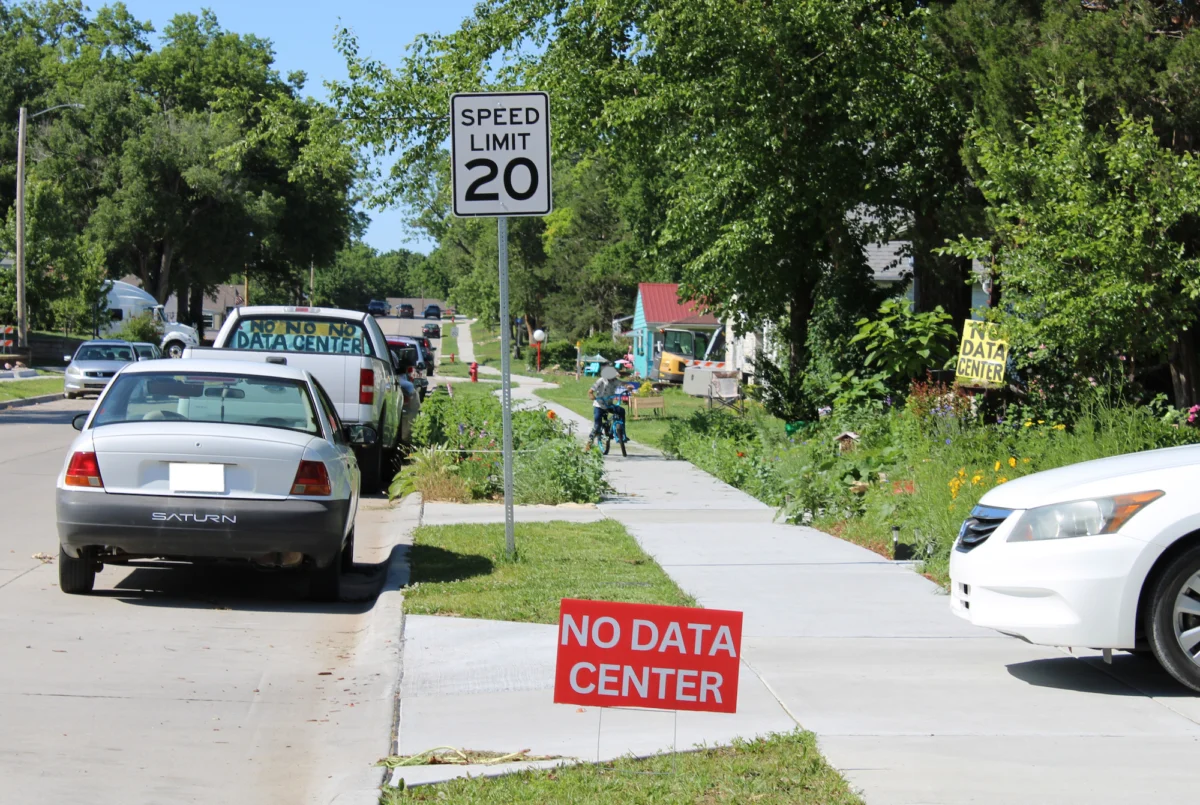
As the United States approaches the pivotal 2026 midterm elections, a new and unexpected political flashpoint has emerged across the American landscape: the rapid proliferation of massive data centers. What was once considered a niche concern for urban planners has evolved into a nationwide movement characterized by rare bipartisan cooperation. From the rural farmlands of Ohio to the coastal enclaves of New Jersey, residents are increasingly mobilizing against the infrastructure required to power the artificial intelligence (AI) revolution. This growing resistance is fueled by concerns over resource depletion, noise pollution, and a perceived widening of the wealth gap between tech elites and local communities. Recent polling from Ipsos underscores the depth of this sentiment, revealing that only 14 percent of Americans approve of new data centers being built in their communities. This figure includes a staggering lack of support across party lines, with only 9 percent of Democrats and 21 percent of Republicans expressing approval, signaling a rare moment of national consensus in a deeply polarized era.
The Scale of the AI Infrastructure Boom
The current wave of data center development is fundamentally different from the server farms of the previous decade. To meet the immense computational demands of advanced AI systems, developers are shifting toward "gigawatt-scale" facilities. While the United States already hosts more than 3,000 operational data centers, the size and power requirements of the next generation are unprecedented. For context, the largest current facility in the U.S. is a 750-megawatt bitcoin mining operation in Texas. However, projects currently in the pipeline dwarf this figure. In Louisiana, Meta and Entergy have announced a 5.2-gigawatt project that involves the construction of seven new power plants to support its operations. In Utah, a disputed 9-gigawatt project has sparked lawsuits and intense local opposition.
This acceleration is driven by the race for AI dominance, a sector where the primary beneficiaries are often ultra-wealthy tech executives and large-scale investors. For many local residents, however, the promise of economic revitalization through these projects is ringing hollow. Critics point out that while these facilities require massive amounts of land and electricity, they create relatively few long-term jobs once construction is complete. This disparity has fanned the flames of resentment, as communities feel they are being asked to sacrifice their environment and resources for the benefit of "wealthy elites" who reside thousands of miles away.
Environmental and Resource Constraints
The primary drivers of community opposition are the tangible impacts on local resources. Data centers are notoriously thirsty and energy-hungry. Large-scale facilities can consume millions of gallons of water daily for cooling purposes, a significant concern in regions already grappling with drought or water scarcity. In states like Texas and Arizona, environmental advocates have raised alarms about the strain these facilities place on the public water supply, potentially driving up costs for residential consumers.
Energy consumption is an equally contentious issue. The sudden influx of data centers is forcing utility companies to rethink their long-term capacity plans. In many cases, this results in the delayed retirement of fossil-fuel power plants or the construction of new gas-fired facilities to meet the "baseload" demand that intermittent renewables cannot yet satisfy. This has led to a paradoxical situation where tech companies touting "net-zero" goals are indirectly driving an increase in local carbon emissions. Furthermore, the noise generated by industrial-scale cooling fans and the air pollution from massive diesel backup generators—required to ensure 24/7 uptime—have become significant public health concerns. Research from Virginia Commonwealth University has found that air pollution in high-density data center corridors can rival the emissions of traditional power plants.
A Chronology of Growing Resistance (2025–2026)
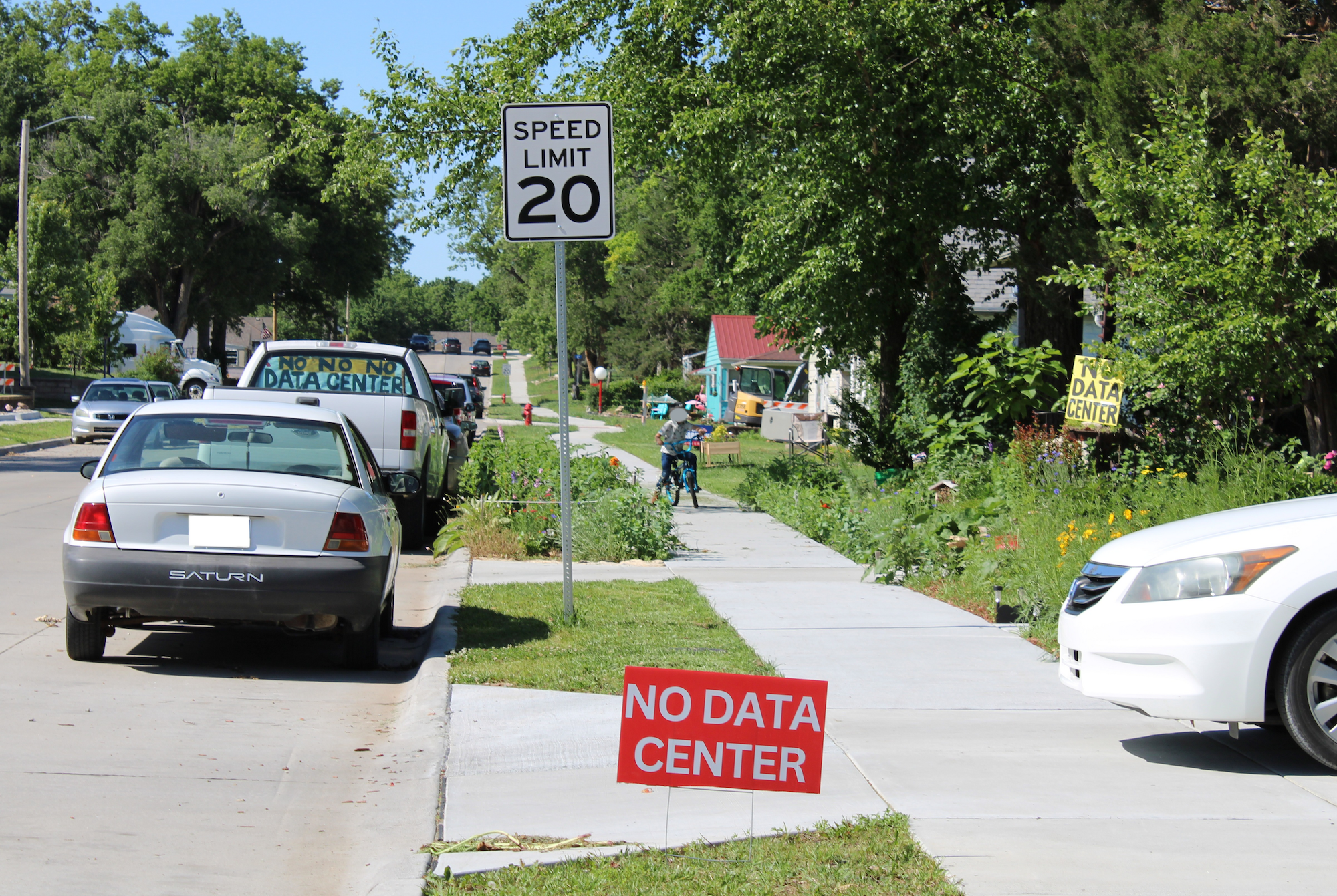
The escalation of public pushback has followed a clear timeline as the "AI gold rush" moved from urban centers into the American heartland.
- Late 2025: Localized protests begin in Northern Virginia, the world’s largest data center hub, as residents voice concerns over the encroachment of industrial zones into historic and residential areas.
- January 2026: The Trump administration introduces measures to shield data center operators from certain environmental liabilities, particularly regarding pollution from backup generators. This move is criticized by environmental groups as a "power grab" in favor of tech giants.
- March 2026: In Louisiana, the announcement of a 5.2-gigawatt expansion by Meta triggers immediate pushback from local community leaders who question the long-term impact on the state’s electrical grid and utility rates.
- May 2026: High-profile activists, including Erin Brockovich, join local movements in the Midwest, highlighting the use of non-disclosure agreements (NDAs) by developers to keep project details hidden from the public during the planning phases.
- June 2026: Ipsos releases its national poll showing only 14 percent approval for local data center construction. Simultaneously, a major lawsuit is filed in Utah against leaders of the Military Installation Development Authority (MIDA) over a proposed 9-gigawatt data center project.
- July 2026: The political fallout reaches a fever pitch as several state governors and local officials are forced to take sides ahead of the November midterm elections.
Political Fallout and Election Implications
The data center issue has begun to claim political casualties. In Maine, Democratic Governor Janet Mills recently dropped her bid for the U.S. Senate. While she cited financial reasons, analysts point to her controversial veto of a bill that would have imposed a statewide moratorium on data center development. Her exit has cleared the way for Graham Platner, a political newcomer running on a platform of protecting local resources from "corporate overreach." Platner’s surge in popularity is seen as a bellwether for how the data center issue can be leveraged by populist candidates.
In New York, the state legislature recently passed a data center moratorium bill, placing Governor Kathy Hochul in a difficult position. As she prepares for her own re-election campaign, she must balance the interests of the state’s tech industry with a growing chorus of small business owners and farmers upstate who fear that data centers will drive up energy costs and seize productive farmland through eminent domain.
The sentiment is similar in Florida, where Republican County Commissioner Kerry Smith of Santa Rosa County has called for a 12-month ban on data center construction. Smith, who is running for re-election this fall, has tapped into the anxieties of his constituents who fear the industrialization of their rural landscape. Meanwhile, in New Jersey, the all-Democrat city council of Asbury Park recently passed a resolution urging Governor Mikie Sherrill to enact a statewide moratorium. Mayor John Moor stated, "Data centers of this scale need land, water, and power that a city like ours just doesn’t have to spare. Every town in this state needs time to get this right before it’s too late."
The Shift to Rural America
One of the most significant shifts in data center development is the move away from traditional tech hubs like Silicon Valley and Northern Virginia toward rural areas in the Midwest and South. Developers are attracted to these regions by cheap land and access to power lines, but the arrival of these facilities often clashes with the agricultural identity of the communities. In Ohio and Pennsylvania, farmers have organized to fight "land grabs" where developers use subsidiary companies to quietly purchase large swaths of acreage.
The perception that tech companies are "invading" rural spaces has created a unique political alliance. Conservative farmers, concerned about property rights and the preservation of the agrarian way of life, find themselves aligned with liberal environmentalists focused on water conservation and carbon footprints. This "green-blue-red" coalition is proving to be a formidable force at the ballot box, forcing candidates to address infrastructure policy with the same urgency as healthcare or the economy.
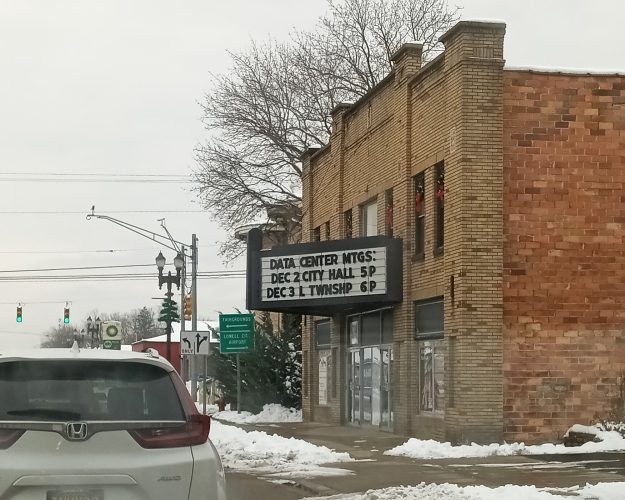
Analysis of Economic and Social Implications
The fundamental tension at the heart of the data center debate is the "wealth gap" analysis. While the tech industry argues that data centers are the backbone of the modern economy—enabling everything from medical breakthroughs to efficient logistics—the local benefits are often intangible. Unlike a manufacturing plant that might employ thousands of local residents, a massive data center may only require 30 to 50 permanent staff members once operational.
Furthermore, the tax incentives often granted to these companies to lure them to a specific municipality can result in a net loss for local coffers if the increased demand on infrastructure (roads, emergency services, and utilities) exceeds the tax revenue generated. There is also the growing fear of "AI replacement." Many of the residents in the communities targeted for data centers are the very people whose jobs are most at risk from the AI systems being trained inside those buildings. This creates a psychological barrier to acceptance; residents feel they are being asked to host the "engine of their own obsolescence."
Looking Ahead to November
As the midterm elections approach, the data center boom has moved from the business section to the front page. Candidates who ignore the groundswell of opposition do so at their own peril. The demand for transparency, local control, and environmental safeguards is no longer a fringe movement but a mainstream political necessity.
The outcome of the November elections will likely determine the regulatory landscape for years to come. If candidates who support moratoriums and stricter zoning laws are successful, the tech industry may face a significant slowdown in its infrastructure rollout. Conversely, if pro-industry candidates prevail, the pace of construction may accelerate, further testing the resilience of America’s power grids and the patience of its rural and suburban communities. Regardless of the election results, the "Great Data Center Debate" has fundamentally changed the conversation about how—and for whom—the American landscape is developed in the age of artificial intelligence.
