

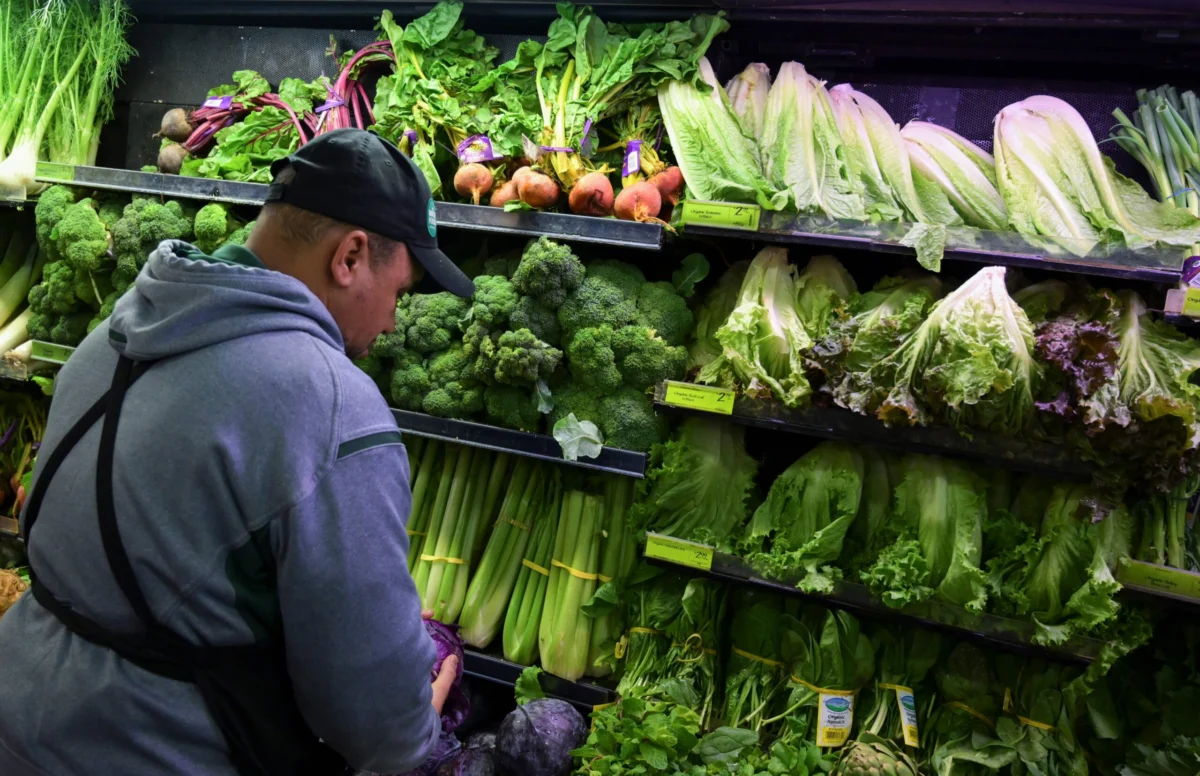
Lettuce prices experienced a dramatic nosedive in July, a stark reversal from earlier record highs, as a widespread cyclospora outbreak deterred consumers from purchasing the leafy green. This significant price deflation underscores the fragility of food supply chains and the profound impact public health crises can have on agricultural markets. The Bureau of Labor Statistics reported that seasonally adjusted prices for lettuce tumbled by a record 16.4% from June, marking the largest single-month decline ever recorded for the commodity. This sharp drop within the consumer price index’s food category in July, which itself saw a modest 0.1% overall price increase for food, highlights the exceptional nature of lettuce’s price movement.
The Cyclospora Crisis and Consumer Confidence
The cyclospora outbreak, identified as a significant public health concern, has directly correlated with the sharp decline in lettuce demand. Jeremy Horpedahl, an associate economics professor at the University of Central Arkansas, explained the consumer behavior driving this trend. "It’s very likely due to the cyclospora outbreak and consumers just not wanting to buy lettuce right now," he stated. "The consumer is just wanting to stay away from this product." This sentiment reflects a broader consumer apprehension towards produce perceived to be at risk, even when specific products may not be directly implicated. The outbreak, which has sickened thousands across multiple states, has fostered a climate of caution, leading shoppers to err on the side of safety by avoiding potentially contaminated items.
A Boom-and-Bust Cycle in Lettuce Prices
July’s dramatic price decrease pulled lettuce prices down from the all-time highs they had reached earlier in the summer. However, despite the recent deflation, lettuce prices in July remained approximately 7.5% higher than in the same month a year prior. This year-over-year increase significantly outpaced the price growth seen across the broader consumer price index basket, indicating that the earlier surge was driven by substantial underlying pressures.
The preceding run-up in lettuce prices was attributed to a confluence of factors that disrupted agricultural production and labor markets. The conflict in Iran, for instance, played a role by driving up the cost of fertilizers, an essential input for crop cultivation. Simultaneously, President Donald Trump’s administration’s policies on mass deportations contributed to increased labor costs for U.S. farms. The scarcity and increased expense of agricultural labor, a critical component in harvesting and processing perishable goods like lettuce, directly impacted production costs and, consequently, consumer prices.
Professor Horpedahl drew a parallel between this recent boom-and-bust cycle in lettuce prices and the volatile price fluctuations observed in eggs over the past few years. Egg prices initially skyrocketed due to the widespread impact of bird flu, which severely reduced poultry supply. However, with the resolution of the avian flu crisis and increased production, egg costs have since fallen drastically. This comparison underscores how external shocks, whether disease outbreaks or geopolitical events, can create significant price volatility in the agricultural sector, leading to periods of scarcity and inflated prices followed by oversupply and sharp declines.

Tracing the Outbreak’s Origin
The U.S. Food and Drug Administration (FDA) has pinpointed iceberg lettuce processed at a Taylor Farms facility in central Mexico as the likely origin of the recent cyclospora outbreak. Cyclospora is a microscopic parasite transmitted through contaminated food or water, causing gastrointestinal illness. The FDA’s investigation identified this specific processing facility as the "ground zero" for the contamination that spread across the United States. In response to the findings, Taylor Farms voluntarily recalled products originating from the implicated location. This proactive measure, while crucial for public health, also contributed to the immediate disruption in the supply of certain lettuce products.
Broader Economic and Consumer Repercussions
The cyclospora outbreak’s impact extended beyond direct contamination, influencing consumer behavior and restaurant sales. Numerous restaurant chains that feature lettuce in their menu items reported a decline in customer traffic, even if their own supplies were not directly affected by the contaminated batch. This broader consumer apprehension created a ripple effect throughout the food service industry.
Brett Schulman, CEO of Cava, a Mediterranean fast-casual chain, shared insights into this phenomenon with CNBC. He noted the existence of "broader consumer concerns" surrounding leafy greens and fresh produce, which adversely affected near-term sales towards the end of Cava’s second quarter. However, Schulman also indicated a positive trend, stating that sales have begun to rebound, suggesting that consumer confidence may be slowly recovering.
Data from NielsenIQ further illustrates the impact on prepackaged salads. During the four weeks concluding on July 25, dollar sales of prepackaged salads plummeted by 14% compared to the same period in the previous year. This significant drop in sales reflects not only the direct avoidance of lettuce-containing products due to the outbreak but also a potential shift in consumer purchasing habits towards alternative food options.
The Paradox of Lower Prices
On the surface, the dramatic price decrease in lettuce might appear as a welcome development for consumers already grappling with persistent inflation. However, Professor Horpedahl cautioned that consumers are unlikely to fully capitalize on these cost reductions due to lingering concerns about food safety. "Consumers are not going to rush out and buy this now just because it’s cheaper," he asserted. "It’s fallen because nobody wants it." This sentiment highlights a critical disconnect: while market forces are driving prices down due to diminished demand, consumer trust remains a significant barrier to a full market recovery. The lingering fear of illness associated with the cyclospora outbreak outweighs the immediate financial incentive of lower prices for many shoppers.
The cyclospora outbreak serves as a potent reminder of the interconnectedness of public health, agricultural production, and consumer confidence. The rapid decline in lettuce prices, while seemingly beneficial for shoppers, is fundamentally a symptom of a public health crisis that has eroded demand and highlighted vulnerabilities within the global food supply chain. As regulatory bodies and agricultural producers work to restore confidence and ensure the safety of produce, the market for lettuce, and potentially other perishable goods, will remain susceptible to fluctuations driven by consumer perception and the ever-present threat of foodborne illnesses. The lessons learned from this episode will likely inform future strategies for food safety, supply chain resilience, and public health communication in the face of similar challenges.
