

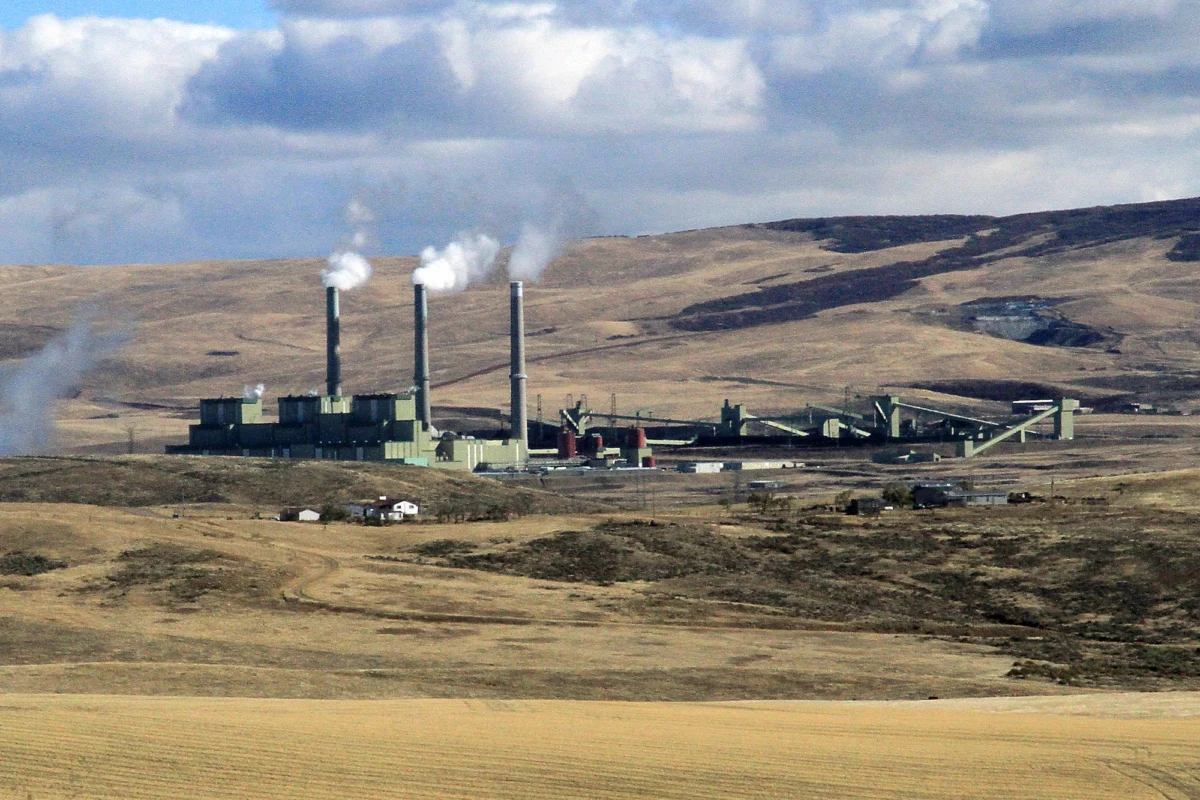
The United States energy landscape is currently the site of a profound structural conflict as the Trump administration intensifies its efforts to revitalize the domestic coal industry through a series of aggressive regulatory rollbacks and executive interventions. This policy direction, characterized by the relaxation of emissions standards and the implementation of emergency orders to prevent plant closures, stands in direct opposition to prevailing market trends, state-level environmental mandates, and the strategic planning of major utility providers. While the administration frames these actions as essential for national energy security and the preservation of industrial heritage, a growing coalition of environmental organizations, state attorneys general, and utility executives is challenging the federal government in court, citing significant risks to public health, local ecosystems, and economic stability.
The Economic Divergence: Market Reality vs. Federal Mandate
The federal government’s commitment to coal comes at a time when the fuel’s share of the American power mix has reached historic lows. According to data from the U.S. Energy Information Administration (EIA), the economics of coal-fired generation have been in a state of terminal decline for over a decade. In 2025, natural gas accounted for approximately 41 percent of U.S. power generation, while coal’s contribution slipped to just 17 percent. Most significantly, utility-scale wind and solar farms have now surpassed coal, providing 18.9 percent of the nation’s electricity last year.
The transition away from coal is driven primarily by the superior cost-efficiency of alternative resources. Natural gas is not only cheaper to extract and transport but also more efficient in modern combined-cycle turbines. Simultaneously, the plummeting costs of renewable energy and the rapid advancement of battery storage technologies have made wind and solar the preferred choice for new capacity. Industry analysts project that by March 2027, the combined capacity of renewable sources—including wind, solar, hydropower, and biomass—will reach nearly 40 percent of the total U.S. generating capacity.
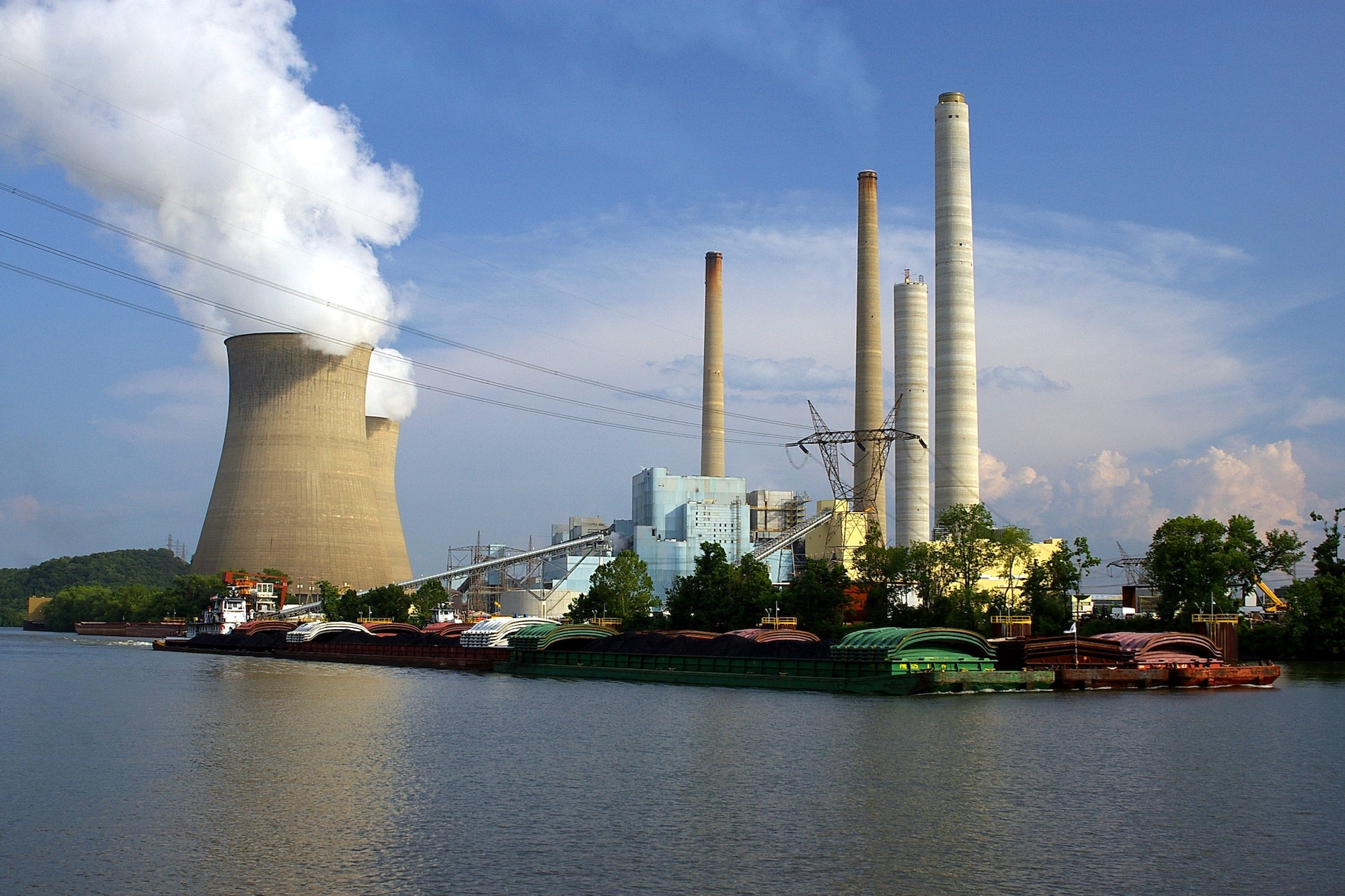
Despite these figures, the administration has moved to protect coal facilities that utilities had already slated for retirement. For instance, the John E. Amos Power Plant in West Virginia, a massive facility that has long been a cornerstone of the regional economy, recently received federal support intended to extend its operational life toward a 2040 retirement date. While such measures provide temporary stability for local workforces, they often complicate the long-term decarbonization goals of the parent utilities.
Environmental and Public Health Ramifications
The human cost of coal combustion remains a central point of contention in the debate over regulatory rollbacks. A comprehensive study led by researchers at George Mason University and Harvard University estimated that exposure to fine particulate matter (PM2.5) from coal power plants was responsible for approximately 460,000 deaths in the United States between 1999 and 2020. The research highlighted that PM2.5 derived from coal is roughly twice as lethal as particulate matter from other sources, such as vehicle exhaust or wildfires, due to its chemical composition.
While stricter air quality standards implemented between 2008 and 2020 resulted in a 95 percent decline in the mortality rate associated with coal emissions, recent federal actions have threatened to reverse this progress. In 2025, the administration delayed the enforcement of updated PM2.5 standards and granted exemptions to 148 coal units across 68 facilities. Federal officials argued that the necessary pollution-control technology was not readily available or was too costly to implement. However, groups like the Natural Resources Defense Council (NRDC) have countered that most of these plants already possess the required equipment and that the exemptions represent a "free pass" to pollute.
Beyond air quality, the disposal of coal combustion residuals—commonly known as coal ash—presents a persistent threat to the nation’s waterways. Coal plants generate between 100 million and 130 million tons of waste annually, much of which is stored in unlined pits or lagoons. These sites are prone to leaching heavy metals, including arsenic, mercury, and lead, into groundwater. The Environmental Protection Agency (EPA) currently monitors 775 such disposal sites across 300 facilities. Recent moves by the EPA to eliminate requirements for treating toxic wastewater before its release into rivers have drawn sharp criticism from the Sierra Club, which estimates that these rules would have prevented 325,000 tons of toxic discharge annually.
A Chronology of Regulatory Interventions and Legal Challenges
The current friction in the energy sector is the result of a multi-year timeline of policy shifts and reactionary litigation:
- 2008: The catastrophic failure of a coal ash slurry site in Tennessee releases 1.1 billion gallons of waste, leading to dozens of deaths among cleanup workers and prompting the first major federal regulations on coal ash.
- 2012-2024: The EPA incrementally tightens Mercury and Air Toxics Standards (MATS) and PM2.5 limits, forcing utilities to choose between expensive retrofits or plant retirements.
- Early 2025: The Trump administration issues a series of executive orders aimed at streamlining the permitting of fossil fuel projects and delaying Obama- and Biden-era environmental rules.
- May 2025: U.S. Energy Secretary Chris Wright begins issuing "emergency orders" under Section 202(c) of the Federal Power Act, requiring aging coal plants to remain operational to ensure "grid reliability."
- May 2026: The state of Michigan, supported by Illinois and Minnesota, files a federal lawsuit challenging the forced operation of the J.H. Campbell power plant, arguing the "emergency" is a political pretext.
The case of the J.H. Campbell plant in West Olive, Michigan, serves as a primary example of the tension between federal orders and corporate strategy. Consumers Energy, the plant’s owner, had planned to retire the facility by May 31, 2025, as part of its transition to cleaner energy. The federal emergency order requiring it to stay open has resulted in reported losses of $575,000 per day—costs that the utility warns will ultimately be borne by Michigan ratepayers.
Corporate Strategy and the Shift to Renewables
While the federal government attempts to anchor the grid with coal, the private sector is moving in the opposite direction. Major mergers and acquisitions in the utility space reflect a clear preference for a "cleaner" energy mix. NextEra Energy’s proposed acquisition of Dominion Energy would create the world’s largest power plant developer. NextEra has been aggressive in decommissioning its coal fleet, while Dominion, despite federal pressure, continues to invest heavily in its 2.5-gigawatt offshore wind project.
Utility executives argue that the predictability of renewable energy costs and the increasing demand from corporate clients—particularly technology firms seeking to power data centers with carbon-free energy—make coal an unattractive long-term investment. Furthermore, the legal liabilities associated with coal ash remediation are staggering. Alabama Power, for instance, faces over $1 billion in projected costs to remediate a single coal ash site in the Mobile-Tensaw River Delta, a figure that highlights the "hidden" costs of maintaining a coal-heavy portfolio.
Public Sentiment and Political Implications
The administration’s pro-coal agenda is also being tested in the court of public opinion. As the country approaches the midterm elections, the impact of these policies on utility bills and public health has become a focal point for voters. A May 2026 New York Times/Siena poll indicated a shift in voter sentiment, with Trump’s job approval rating sitting at 37 percent. Notably, disapproval among independent voters regarding environmental rollbacks has remained high, with many expressing concern over the rising levels of mercury and sulfur dioxide emissions recorded in 2025.
In coal-producing regions, the rollback of protections against silica dust has also alienated some segments of the labor force. The resurgence of black lung disease among younger miners has led local advocacy groups to demand stricter federal oversight, even as the administration seeks to reduce the "regulatory burden" on mine operators.
Analysis of Future Implications
The current trajectory of U.S. energy policy suggests a period of prolonged legal and operational volatility. The use of emergency orders to bypass the planned retirement of coal plants creates a "regulatory whiplash" that makes it difficult for utilities to secure long-term financing for new projects. If federal mandates continue to force the operation of uneconomic plants, the financial strain on utility companies could lead to higher electricity prices for consumers and a slower rollout of the infrastructure needed for the electric vehicle transition and artificial intelligence expansion.
However, the momentum of the energy transition appears resilient. The integration of 24/7 energy storage and the continued scaling of offshore wind and solar suggest that the market’s pivot away from coal is based on fundamental economic realities that federal policy can delay but likely cannot reverse. As the legal battles over coal ash and emissions standards head toward the Supreme Court, the outcome will define the boundaries of federal authority over the national power grid and the extent to which environmental protections can be dismantled in the name of industrial preservation.
In the final analysis, the struggle over the future of coal in America is less about the fuel itself and more about the competing visions for the nation’s infrastructure. One vision seeks to preserve the legacy of the 20th-century industrial model, while the other prioritizes a decentralized, low-carbon economy. The resolution of this conflict will have lasting effects on the health of the American population, the stability of the climate, and the competitiveness of the U.S. energy sector on the global stage.
