

The allure of entertainment, once an accessible escape, is increasingly becoming a luxury for many American households. From the immersive worlds of video games to the binge-worthy narratives of streaming services, the cost of leisure activities within the home is experiencing a significant surge, mirroring and even exacerbating the broader trend of "funflation" that has already impacted live events. This phenomenon, driven by a confluence of factors including rising component costs, global supply chain disruptions, and strategic pricing adjustments by major corporations, is forcing consumers to make difficult choices about how they spend their discretionary income.
For individuals like Alyx Green, a graduate student in Illinois, the escalating prices are not a distant abstract but a tangible barrier to cherished hobbies. Once an avid gamer who eagerly anticipated major releases, Green has, in recent years, found the financial commitment prohibitive. "The price has been going up," Green stated, reflecting a sentiment echoed by many. "It’s just hard to keep up." This sentiment has led to a shift in purchasing habits, with Green opting for less expensive titles from independent developers, exploring the resurgence of board and card games, or, in some instances, resorting to watching gameplay on platforms like YouTube as a proxy for personal engagement. This adaptation highlights a growing disconnect between the desire for entertainment and the economic realities faced by consumers.
The term "funflation" gained prominence in recent years to describe the sharp increase in prices for live experiences, such as concerts and sporting events, which had been severely curtailed during the pandemic lockdowns. However, the financial sting of these rising costs has now permeated the home environment, impacting activities once considered reliably affordable. Major industry players, including tech giants like Amazon, Apple, and Netflix, have implemented a series of price hikes across their services and devices, making even at-home pastimes a strain on household budgets.
Exclusive data analyzed for CNBC by PNC Financial Services reveals a palpable shift in consumer behavior. In June, the average consumer reduced their spending on home entertainment compared to the previous year. This pullback was particularly pronounced among Gen Z and Millennial consumers, who each decreased their entertainment transactions by approximately 4%. Brian LeBlanc, PNC’s senior economist, confirmed this trend, stating, "Funflation is back in 2026." He elaborated that while the phenomenon was initially evident in categories like travel and live entertainment, it is now increasingly impacting "home leisure."
The Unwelcome News of Price Hikes
The gaming industry, a significant sector of home entertainment, has been at the forefront of these price adjustments. In late June, Microsoft’s Xbox and Apple both announced price increases for their respective devices. Apple, in a statement, acknowledged that this was "not welcome news" for consumers. A month prior, Nintendo had also signaled its intention to raise the price of its highly anticipated Switch 2 console in the U.S. by a notable 11%.
These companies have cited soaring component costs, exacerbated by a burgeoning artificial intelligence-driven memory chip crunch, as the primary drivers behind these price hikes. This shortage has created a ripple effect throughout the technology supply chain, impacting the manufacturing costs of a wide array of electronic devices. Deborah Weinswig, founder of Coresight Research, warned that such increases could ultimately price out a significant segment of consumers.
The financial pressures on the gaming sector are evident. Xbox CEO Asha Sharma has publicly acknowledged the increasing unaffordability of gaming, signaling a strategic shift within Microsoft to focus on developing less costly hardware. This comes at a time when Microsoft has also announced significant layoffs within its Xbox unit, cutting thousands of employees and spinning off several gaming studios. Sharma’s candid assessment during a recent Fortune event underscored the growing concern: "We’ve reached a point where it will be hard to imagine that mass audiences can afford thousands of dollars to spend on a console generation."
Historically, computers and related devices have seen a trend of decreasing prices over time, adjusted for inflation and increased capacity, due to manufacturing efficiencies. However, this trend appears to be reversing. Elizabeth Renter, a senior economist at NerdWallet, noted that the rising component costs are signaling an end to the disinflationary relief that shoppers had come to expect.

Beyond the cost of devices, the expense of powering them has also escalated. Electricity prices have surged by approximately 45% since 2019, a significant increase attributed to a combination of factors, including supply shocks stemming from the Russian invasion of Ukraine in 2022 and geopolitical tensions related to the conflict with Iran in 2026. This increased energy cost directly impacts the operational expenses of home entertainment, from running gaming consoles and computers to powering air-conditioning units, which are likely used more frequently by individuals spending more time at home.
The Era of "Streamflation"
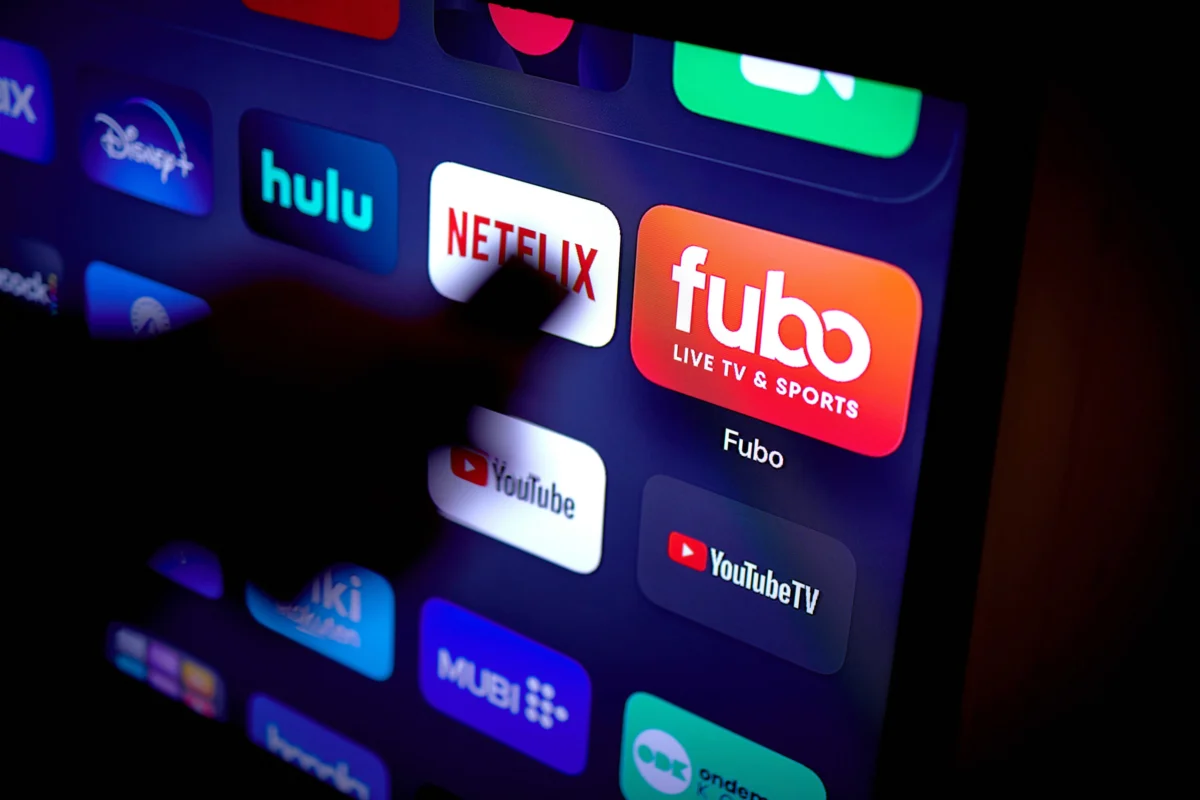
The trend of rising prices is not confined to hardware; the subscription-based streaming market, a cornerstone of modern home entertainment, is also experiencing its own inflationary pressures, a phenomenon increasingly referred to as "streamflation." In early 2026, major streaming platforms such as Netflix, Amazon, and Spotify announced subscription price increases. These moves followed similar adjustments made by Disney and Warner Bros. Discovery’s HBO Max in late 2025. Apple TV+ also saw its third price increase in as many years in mid-2025, further contributing to the overall escalation of streaming costs.
In response to this trend, some consumers are adopting more dynamic strategies to manage their entertainment budgets. Fiona Williams, a 40-year-old project manager, regularly subscribes to services only to cancel them shortly after, aiming to keep her spending in check. For instance, instead of maintaining a Peacock membership to watch the latest season of the popular dating show "Love Island," Williams opts to follow the show’s developments through clips shared on social media platforms. "It’s a balancing act," Williams admitted. "But I’m never maintaining more than one at a time, because it’s just too expensive."
This strategic approach to subscription management highlights a growing consumer consciousness around the cumulative cost of multiple streaming services. The increasing price tags are pushing individuals to be more selective, prioritizing content and value over constant access. Some consumers are also turning to alternative, ad-supported free streaming services. Tubi, offered by Fox Corp., has seen its viewership numbers surpass those of leading subscription-based streamers in certain metrics. Executives at Tubi have gambled on the premise that consumers, weary of mounting monthly subscription fees, would be willing to tolerate advertisements in exchange for free content.
Adding to the financial strain, the cost of physical media and digital rentals has also seen a significant uptick. Data from the Bureau of Labor Statistics indicates a 53% surge in the price of subscribing to or renting videos and video games since the start of 2019. This contrasts sharply with the pricing trends in other leisure categories. For instance, recreational book prices have, on average, fallen by 4% during the same period, making reading a comparatively more affordable pastime.
Broader Economic Implications and Consumer Sentiment
The escalating costs of both in-home and out-of-home entertainment are contributing to a broader sense of economic pessimism among consumers. PNC’s analysis of annual inflation rates revealed a significant spike in out-of-home "funflation" categories, such as sporting events and amusement park visits, in 2026. These service sectors are once again exerting upward pressure on the core personal consumption expenditures price index, a key inflation metric closely monitored by Federal Reserve policymakers.
The current FIFA World Cup, co-hosted by the U.S., has become a focal point for discussions around exorbitant ticket prices. Data from TicketData indicates a median ticket price exceeding $900 for matches in the tournament. In response to public outcry over these costs, FIFA President Gianni Infantino described attending a match in the U.S. as a "once-in-a-lifetime opportunity," emphasizing the unprecedented demand for this global sporting spectacle.
Economists warn that the persistent rise in prices for recreational activities, regardless of whether they occur at home or out, can further deepen economic anxiety. Consumer sentiment, as measured by a widely followed index from the University of Michigan, has recently fallen to historically low levels. This decline suggests that individuals are increasingly concerned about their financial well-being and the overall state of the economy.
For individuals like Alyx Green, the inability to afford accessible forms of escapism has a direct impact on their mental and emotional state. "The ability to play games and get out of my own life for a second was a major way for me to have some sort of happiness," Green reflected. "Now, the overall economy is getting worse, and I don’t have any distractions from it." This sentiment underscores the broader societal impact of rising entertainment costs, highlighting how the affordability of leisure activities is intrinsically linked to overall consumer well-being and resilience in challenging economic times. The current trajectory suggests that the pursuit of entertainment, once a readily available source of joy and stress relief, is becoming an increasingly costly endeavor, forcing a reevaluation of priorities and a more judicious approach to discretionary spending.
