

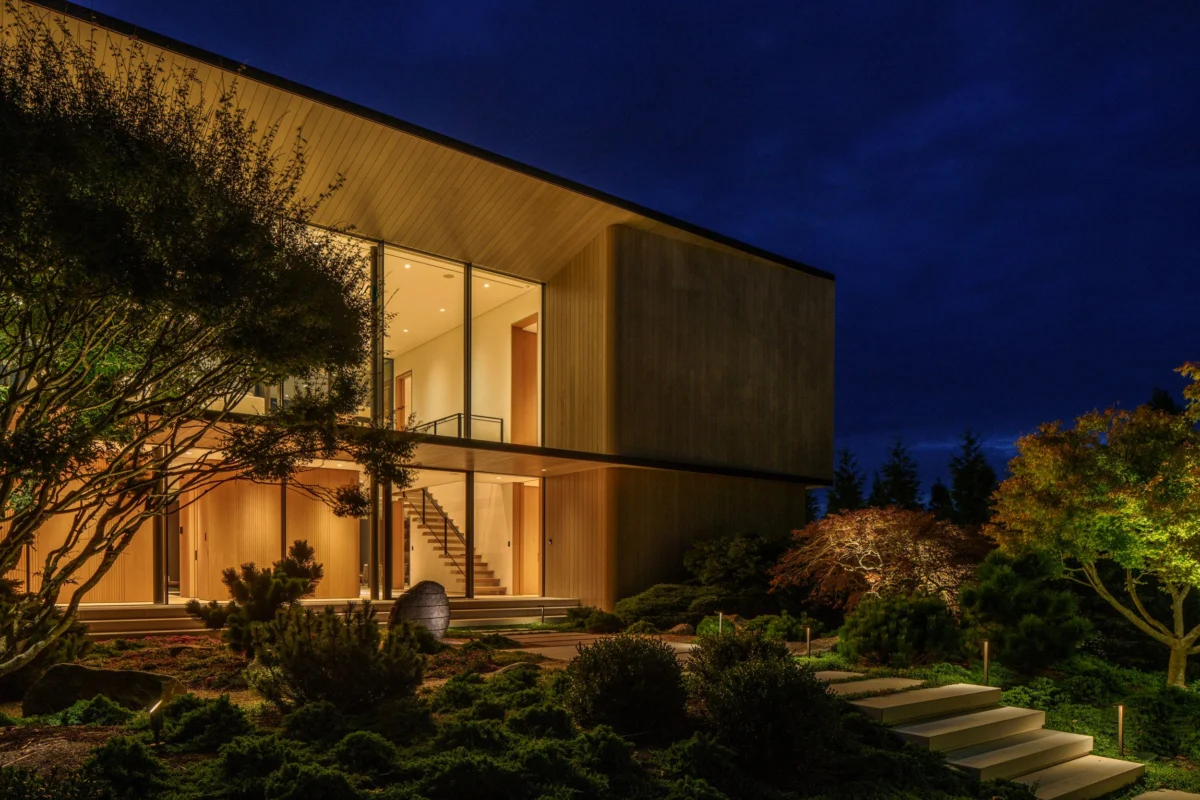
Architectural lighting design has evolved far beyond the mere selection of aesthetic fixtures and the placement of lamps. Today, the discipline represents a sophisticated intersection of cartography, scenography, and rigorous scientific research. These professionals, often described as the "directors of photography" for the built environment, combine cutting-edge technology with an acute spatial awareness to craft illumination schemes that define how humans experience interiors, exteriors, and natural landscapes. As Hervé Descottes, the founder of L’Observatoire International, aptly notes, the role is not merely that of a technical consultant but of a primary creative partner who must be integrated into a project at its earliest stages to ensure a seamless marriage between light and form.

The contemporary lighting designer must navigate a complex landscape of energy regulations, psychological impacts of light on human health, and the preservation of the night sky. The following analysis explores 11 of the most respected firms in the industry, highlighting their unique philosophies, landmark projects, and the technological innovations they bring to the global architectural stage.
The Evolution of Light in Architecture: A Brief Chronology
The trajectory of architectural lighting has moved from functional necessity to an experiential art form. In the mid-20th century, lighting was largely the domain of electrical engineers focused on foot-candles and visibility. However, by the 1960s and 70s, pioneers like Jules G. Horton began to treat light as a building material in its own right—one that could manipulate the perception of volume and weight.

The 1990s and 2000s saw a digital revolution with the advent of Light Emitting Diodes (LEDs) and sophisticated control systems. This allowed for unprecedented precision and color control, leading to the rise of "smart" buildings. Today, the industry is centered on sustainability, "Human-Centric Lighting" (HCL) that respects circadian rhythms, and the "Dark-Sky" movement, which seeks to reduce light pollution.
Leading Firms and Their Impact on the Built Environment
Fisher Marantz Stone (FMS)
With a legacy rooted in sustainable practices, Fisher Marantz Stone has become a cornerstone of eco-friendly lighting design. As active members of the United States Green Building Council (USGBC) and the International Dark-Sky Association, FMS prioritizes the reduction of energy consumption and light spill. Their work often incorporates solar-powered solutions and high-efficiency systems without sacrificing the dramatic impact required for world-class architecture.
%2520-%2520Diana%2520Gonzalez%2520(1).jpg)
The firm’s portfolio includes high-profile collaborations with Robert A.M. Stern and Yabu Pushelberg. Notable recent projects include the Obama Presidential Center in Chicago, where light is used to enhance the monumental scale of the museum while maintaining a welcoming, civic atmosphere. Their work on the Studio Museum in Harlem and the Pittsburgh International Airport further demonstrates their ability to handle complex, large-scale public infrastructure.
Focus Lighting
Based in Brooklyn, Focus Lighting is renowned for its "Light Lab," a bespoke facility where designers create physical mock-ups of their schemes. This tactile approach allows clients to see exactly how light will interact with specific materials and textures before installation begins. Partner Brett Anderson emphasizes that their goal is to help architects deliver designs that are both "memorable and beautiful."

This meticulousness has made them a favorite for AD100 designers like Ken Fulk and GRT Architects. Their recent work on the Ambassadors Clubhouse restaurant in New York showcases their ability to create intimate, mood-driven environments that enhance the hospitality experience.
HLB Lighting Design
Founded in 1968 by Jules G. Horton, HLB Lighting Design is one of the oldest and largest independent lighting consultancies in the world. With 10 offices globally, the firm offers a specialized "daylighting" service, which manipulates natural light to reduce the need for artificial sources during the day. This is particularly critical for large-scale residential projects in diverse climates, from the high altitudes of Jackson Hole to the tropical environment of Maui. Their residential studio frequently collaborates with top-tier designers on estates in Silicon Valley and the Hamptons, proving that technical scale can be successfully translated into domestic intimacy.
%2520-%2520Sarah%2520Roberts%2520(1).jpg)
John Cullen Lighting
Since its founding in 1981 by a former BBC lighting designer, John Cullen Lighting has specialized in the residential sector. Their expertise is particularly sought after for ground-up constructions and the sensitive renovation of historical properties. Operating out of London, Paris, Dubai, Mumbai, and Dallas, the firm brings a cinematic quality to home lighting. Recent collaborations with Studio Shamshiri and Louise Bradley highlight their ability to integrate modern lighting technology into classical or eclectic interiors without disrupting the architectural integrity of the space.
Lighting Workshop
Founded by Doug Russell, Lighting Workshop operates on the principle that lighting should be "richly experiential." With offices in Brooklyn and Southampton, the firm is a leader in integrating sustainability with cutting-edge technology. They are frequent collaborators with the Bjarke Ingels Group (BIG) and Gensler. Their work on the Calvin Klein flagship in Tokyo and the Applied Math building at Brown University demonstrates a versatile range, from high-end retail to academic environments where focus and clarity are paramount.

Linnaea Tillett Lighting Design Associates
Linnaea Tillett brings a poetic sensibility to functional lighting. For over 35 years, her firm has specialized in ecologically sensitive designs for public spaces, memorials, and sculpture gardens. By collaborating with artists like Maya Lin and architects like Toshiko Mori, Tillett creates lighting that respects the natural environment. Projects such as the Menil Residence Garden in Houston and the Morgan Library & Museum garden in New York exemplify her philosophy of "finding the poetic in the functional," ensuring that outdoor spaces remain vibrant and safe after sunset without overwhelming the local ecosystem.
L’Observatoire International
Hervé Descottes’ firm, L’Observatoire International, is synonymous with cultural prestige. The firm’s approach is conceptual, asking "why" before "how." This has led to legendary partnerships with Frank Gehry and Annabelle Selldorf. Their portfolio reads like a list of global landmarks: The Metropolitan Museum of Art, the Cartier Foundation in Paris, and the Harrods flagship in London. Their work often involves creating a "narrative of light" that guides visitors through complex cultural institutions, highlighting art and architecture with surgical precision.
.jpg)
Orsman Design
Nathan Orsman, with offices in New York and Miami, focuses on the emotional resonance of a space "after sunset." His firm is highly regarded for its ability to make lighting "disappear," leaving only the intended atmosphere. Working with AD Hall of Famers like Kelly Wearstler and Peter Marino, Orsman has mastered the art of luxury residential lighting. Recent projects at New York’s Central Park Tower and private villas in Los Cabos reflect his ability to balance the opulence of high-end design with the subtlety of expertly controlled illumination.
Luumbre by RegensDesign
Los Angeles-based RegensDesign, led by Andres Regens, compares the collaborative process to a "tango." The firm is known for its site-specific approach, working across residential, retail, and civic sectors for heavyweights like Norman Foster and Herzog & de Meuron. Their recent interactive lighting for the children’s wing at Cedars-Sinai Hospital demonstrates the therapeutic potential of light, showing how color and movement can provide comfort in a clinical setting.

Speirs Major Light Architecture
Speirs Major takes an experimental and often unconventional approach to light. Based in London and Tokyo, the firm handles everything from UNESCO World Heritage Sites to futuristic business districts in China. Their work on the At-Turaif site in Saudi Arabia showcases their ability to light ancient ruins with modern technology, preserving historical context while making the site accessible for nighttime tourism.
Tirschwell Lighting Design
Matthew Tirschwell’s firm is distinguished by its reliance on physical mock-ups over digital renderings. By using actual light sources and authentic materials, they foster a collaborative decision-making process with clients. Specializing in luxury residential projects, they have worked with architectural masters like Tadao Ando and Deborah Berke. Their work on townhouses with private pools and spas on Central Park West illustrates their technical prowess in challenging, high-moisture environments.

Technical Innovations and Supporting Data
The architectural lighting industry is currently seeing a surge in technological integration. According to industry reports, the global LED lighting market is expected to grow at a compound annual growth rate (CAGR) of over 10% through 2030. This growth is driven by the demand for "Smart Lighting" systems that can be controlled via Building Management Systems (BMS) or mobile applications.
Furthermore, the focus on "Human-Centric Lighting" (HCL) is backed by significant scientific data. Studies from the Lighting Research Center suggest that properly tuned lighting—mimicking the color temperature and intensity of the sun throughout the day—can improve sleep quality, mood, and productivity. This data has led many of the firms listed above to incorporate tunable white light technology into their office and residential projects.

Broader Implications: Sustainability and the Night Sky
One of the most critical shifts in the industry is the move toward "Dark-Sky" compliance. Light pollution not only disrupts human sleep patterns but also has devastating effects on migratory birds and local insect populations. Firms like Fisher Marantz Stone and Linnaea Tillett are at the forefront of this movement, using shielded fixtures and low-Kelvin light sources to minimize "sky glow."
From an economic perspective, professional lighting design provides a significant return on investment. High-quality lighting can increase the market value of real estate, boost retail sales through better product presentation, and reduce long-term operational costs through energy-efficient systems and reduced maintenance requirements.

Conclusion: The Future of the Luminous Environment
As we look toward the future, the role of the architectural lighting designer will only become more central to the design process. With the rise of virtual reality (VR) and augmented reality (AR), designers are now able to walk clients through illuminated spaces before a single wire is run. However, as the experts at Focus Lighting and Tirschwell Lighting Design argue, the physical reality of light—the way it bounces off a marble floor or warms a wooden beam—remains an irreplaceable sensory experience.
The 11 firms profiled here represent the pinnacle of this craft. By balancing the technical requirements of the modern world with the timeless human need for beauty and atmosphere, they continue to transform the way we see and live in our built environment. Whether lighting a private residence or a global monument, these designers ensure that architecture does not disappear when the sun goes down, but rather takes on a new, luminous life.
