

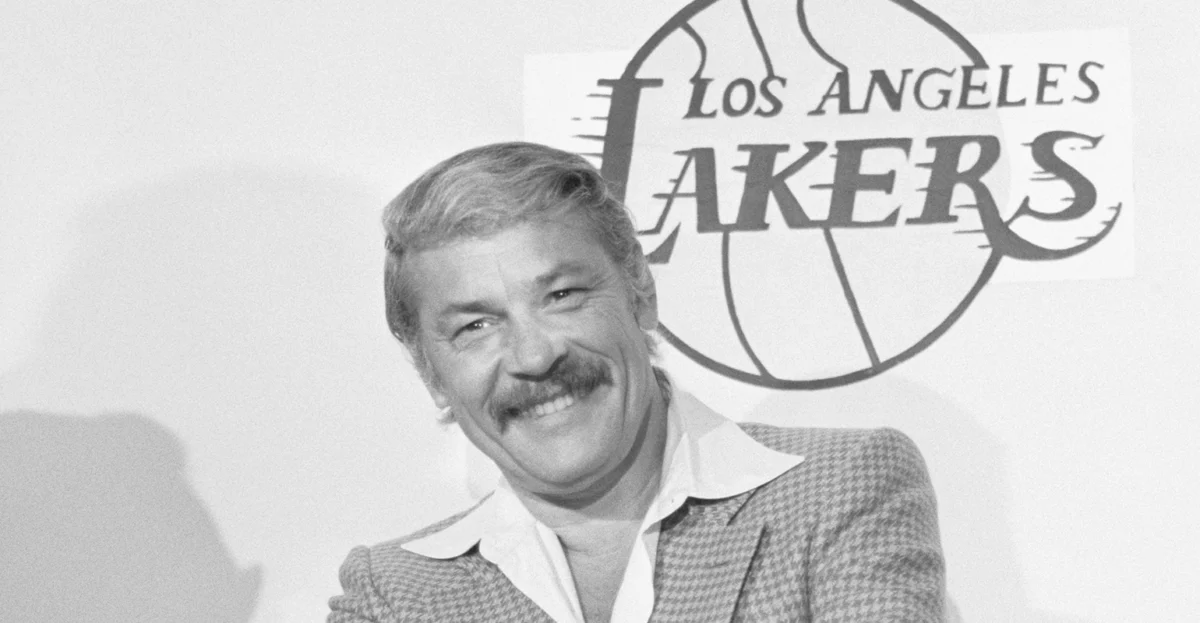
The Los Angeles Lakers, an NBA dynasty synonymous with basketball royalty and unparalleled success, find themselves embroiled in a deeply personal and protracted legal battle that serves as a stark illustration of how even the most meticulously constructed family legacy plans can fracture under familial pressure and evolving financial landscapes. At the heart of this conflict is Jeanie Buss, the team’s controlling owner and governor, who is currently engaged in a high-stakes legal dispute with five of her siblings over the potential sale of the family’s remaining 17.8% stake in the iconic franchise. This contention, which has simmered for years, directly challenges the carefully laid succession strategy envisioned by their late father, Jerry Buss.
Jerry Buss’s Vision: A Legacy of Family Ownership
Jerry Buss, a visionary owner widely regarded as one of the greatest in NBA history, orchestrated the Los Angeles Lakers’ golden eras, presiding over an astonishing ten NBA championships during his tenure. His passing in February 2013, at the age of 80, marked the end of an era for the Lakers and presented a significant challenge for his six children: Johnny, Jim, Jeanie, Janie, Joey, and Jesse. To ensure the Lakers remained a family-controlled entity for generations to come, Buss established a comprehensive succession plan, meticulously detailed within the Buss Family Trust.
Under this framework, Jerry Buss’s 66% controlling ownership of the Lakers was distributed among his children. Crucially, while each sibling was granted an equal vote within the trust, Jeanie Buss was specifically designated as the team’s governor, bestowing upon her ultimate operational authority and decision-making power over the franchise. This layered approach was designed to balance collective family ownership with centralized leadership, ensuring continuity and preserving the Lakers’ esteemed legacy. The plan allocated operational roles to other siblings, with Jeanie tasked with overseeing business operations and her brother Jim initially managing basketball decisions. On paper, this structure appeared to be a foolproof mechanism for maintaining both family harmony and the Lakers’ storied reputation.
The Cracks Begin to Show: Early Disagreements and Power Struggles
The seemingly robust succession plan began to exhibit fissures almost immediately following Jerry Buss’s death. Reports from sources close to the family, including extensive coverage by ESPN, indicated that Jim and Johnny Buss expressed an early inclination to divest their shares shortly after their father’s passing. This initial divergence in perspective foreshadowed the deeper disagreements that would soon emerge.
By 2017, tensions within the family had escalated to a critical point, exacerbated by a period of significant on-court struggles for the Lakers. Following four consecutive losing seasons, Jeanie Buss made the decisive move to dismiss Jim from his role as executive vice president of player personnel, alongside general manager Mitch Kupchak. This decision was reportedly driven by Jeanie’s frustration with Jim’s alleged failure to consult her on key trades, despite her explicit prior directives.
The fallout from these dismissals culminated in what has been described as an attempted coup. In February 2017, Jim and Johnny Buss reportedly attempted to wrest control from Jeanie by convening a meeting to elect a new board of directors that would exclude her. Jeanie responded swiftly and decisively, filing a restraining order that effectively thwarted their power grab. This confrontation ultimately led to a family agreement, solidifying Jeanie’s position as controlling owner for the duration of the family’s ownership of the team, and resulting in Jim relinquishing his role as team trustee.
Further complicating the ownership structure, the family had previously agreed to sell a majority stake in the Lakers in 2025 to businessman Mark Walter. Under the terms of this agreement, Jeanie Buss was slated to remain as governor for a period of five years. However, NBA regulations stipulate that a team governor must retain a minimum ownership stake of 15% to maintain their position, a critical detail that would become increasingly relevant in subsequent negotiations.
The Current Battle: A $12.5 Billion Standoff
Fast forward to August 2026, and the simmering family conflict has reignited with unprecedented intensity, centered on a potential blockbuster sale of the Lakers. Five of the six Buss siblings are reportedly in favor of selling the family trust’s remaining 17.8% stake in the team to a consortium led by former Disney CEO Bob Iger and Josh Kushner, the brother of Jared Kushner and a prominent investor. This proposed transaction is reportedly part of a staggering $12.5 billion valuation for the Lakers, a figure that would represent a record for a North American sports franchise.
Jeanie Buss, however, stands as the sole holdout. She asserts that the language of the Buss Family Trust and a crucial 2017 court order explicitly prevent the sale of the trust’s stake without her consent. Her legal team, spearheaded by attorney Adam Streisand, has presented a formidable case. In a letter obtained by CNBC, Streisand argued vehemently that "no sale of the JAB Trust’s 17.8% ownership interest in the Los Angeles Lakers, Inc. can be effectuated without approval by the current co-trustees." He further characterized any attempt to proceed with the sale unilaterally as "a breach of trust, breach of fiduciary duty and be in contempt of court."
Adding another layer of complexity and animosity, Streisand has also publicly challenged reports suggesting that all six siblings had voted in favor of the sale. He dismissed such claims as "false, defamatory and pernicious," attributing them to what he described as a "years-long pattern" of actions by Joey and Jesse Buss aimed at undermining Jeanie’s leadership and her commitment to upholding their father’s wishes.
Where Did Jerry Buss’s Plan Go Wrong?
The protracted legal dispute highlights a fundamental challenge inherent in many estate plans: the difficulty of anticipating and mitigating interpersonal conflicts among heirs. Jerry Buss, by all accounts, harbored the deepest intentions to preserve his family’s ownership of the Lakers and ensure its continued success. His creation of an equal ownership structure for his children, while seemingly equitable, appears to have overlooked the potential for divergent visions and priorities regarding the future of the business.
Ryan Austin, CEO of Arondight Advisors, offers a critical perspective on the situation: "Jerry Buss chose Jeanie to lead. That choice also committed family capital to sustaining her authority. It raises a question succession plans often leave to the next generation: who finances the founder’s legacy after the founder is gone? As a trophy asset appreciates, the opportunity cost of preserving the founder’s structure rises with it, placing greater pressure on the family." This sentiment underscores the financial pressures that can mount when heirs have differing financial needs or investment philosophies, especially concerning an asset as valuable and potentially illiquid as a controlling stake in an NBA franchise.
John Abbuhl, Director of Trust Business Development at National Advisors Trust, provides practical advice for grantors seeking to avoid similar predicaments: "A grantor can feel like they have constructed an iron-clad estate plan and set of trusts, yet still find the heirs in a contentious and costly legal battle. The more discussion a grantor has with heirs together at one time (family meeting) prior to one’s passing, the greater chance of clearer expectations and the less likely arguments will ensue over control and last wishes. An independent trustee outside of the family may bring more objective decision-making to a situation." This suggests that open communication and the appointment of impartial fiduciaries can be crucial in navigating the complexities of intergenerational wealth transfer.
The Path Forward: Awaiting Judicial Resolution
The ultimate resolution of this deeply entrenched dispute will likely hinge on judicial interpretation of the Buss Family Trust’s governing documents and the existing court orders. The 2017 court order, which reaffirmed that the co-trustees are obligated to "take all reasonable actions available to ensure that Jeanie remains the controlling owner of the team during her lifetime," appears to be a significant legal bulwark protecting Jeanie’s authority. This stipulation suggests that a simple majority vote among the siblings to sell their shares may not be sufficient to override Jeanie’s control, particularly if such a sale is deemed detrimental to the trust’s objectives or in violation of previous court directives.
The Lakers, a franchise valued at an estimated $5.5 billion according to Forbes in 2023, represents not just a sporting entity but a significant financial asset with immense cultural cachet. The ongoing legal entanglement has the potential to create uncertainty for the team’s operations, player recruitment, and long-term strategic planning, even with Jeanie Buss maintaining day-to-day control. The public nature of this family feud also carries reputational risks, potentially impacting fan perception and sponsor relationships.
As the legal proceedings unfold, the focus remains on how the courts will interpret Jerry Buss’s final wishes and the legal frameworks established to uphold them. The outcome will not only determine the future ownership structure of one of the NBA’s most treasured franchises but will also serve as a compelling case study in the enduring challenges of family wealth management and succession planning, even for those who appear to have left nothing to chance. The legacy of Jerry Buss, once envisioned as a seamless family inheritance, is now being adjudicated in the courtroom, a testament to the unpredictable nature of familial dynamics when vast fortunes and deeply held traditions are at stake. The coming months will reveal whether Jeanie Buss can successfully defend her father’s legacy and her own position, or if the allure of a record-breaking sale will ultimately prevail, irrevocably altering the ownership landscape of the Los Angeles Lakers.
