

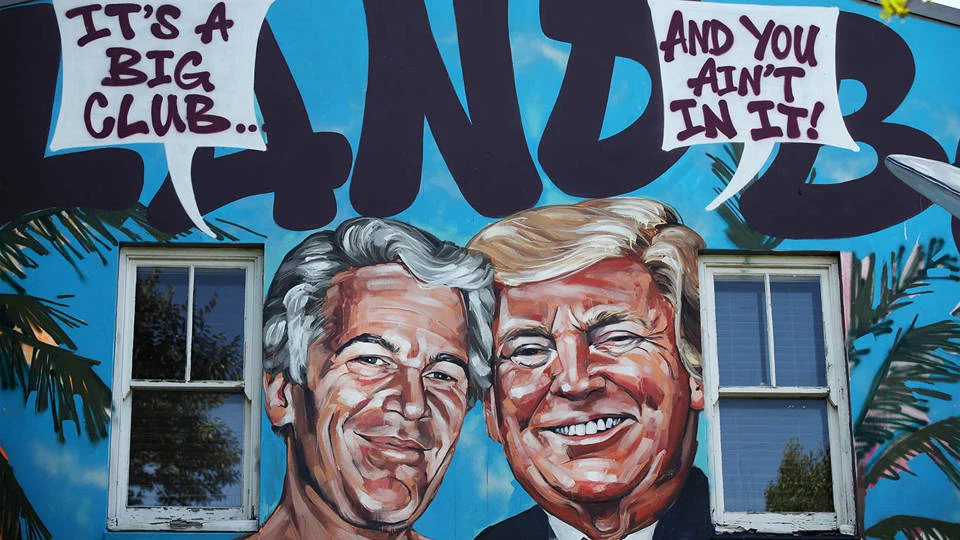
The past decade has offered Americans an unusually vivid glimpse of long-hidden networks of wealthy elites. Beloved by conspiracy theorists and supermarket tabloids, the hush-hush systems through which the rich and famous make powerful connections, exchange favors, and hoard wealth and influence were akin to a Sasquatch: rarely glimpsed, let alone subject to sustained scrutiny, and widely believed not to exist at all. Over the past decade, however, it is as if Sasquatch has periodically strolled out of the woods and posed for a centerfold. The impunity of Jeffrey Epstein and his associates is the predictable upshot of unbridled wealth concentration, facilitated by the offshore financial system. In fact, that system represents the selective withdrawal by a privileged few from the rule of law, without the loss of any of its benefits.
The revelations surrounding Jeffrey Epstein, Ghislaine Maxwell, and their associates have undeniably pulled back the curtain on a world that many suspected existed but lacked concrete evidence of. For years, Epstein, a financier with opaque business dealings and a seemingly limitless circle of influential friends, operated with a remarkable degree of freedom, despite facing serious accusations. His ability to cultivate relationships with titans of industry, political figures, and royalty, while simultaneously engaging in criminal behavior, highlights a systemic vulnerability that allows immense wealth and power to insulate individuals from accountability.
The Offshore System: A Sanctuary for the Elite
At the heart of this impunity lies the intricate and often opaque offshore financial system. This global network of jurisdictions, characterized by secrecy laws, low taxation, and lax regulatory oversight, has long served as a haven for wealth accumulation and, more disturbingly, for illicit activities. While offshore finance can serve legitimate purposes such as tax planning and asset protection for legitimate businesses, its inherent opacity also makes it an ideal vehicle for concealing ill-gotten gains, evading taxes, and shielding individuals from legal scrutiny.
The sheer scale of offshore wealth is staggering. Estimates vary, but studies by organizations like the Tax Justice Network suggest that trillions of dollars are held offshore, a significant portion of which is likely undeclared and untaxed. This represents not just lost revenue for governments worldwide, which could otherwise fund public services, but also a significant enabler of inequality and a tool for those seeking to operate beyond the reach of the law.
A Chronology of Unveiling
The Epstein saga, while culminating in his arrest and subsequent death in 2019, represents the culmination of decades of alleged criminal activity and a prolonged period of apparent immunity.
- Early 2000s: The first public accusations and investigations into Epstein’s activities begin to surface. However, despite evidence and witness testimonies, legal repercussions are limited.
- 2008: Epstein pleads guilty to state charges in Florida and serves 13 months in jail, a sentence widely criticized as lenient. This plea deal, brokered with the assistance of powerful figures, allowed him to avoid federal charges.
- 2015-2018: Renewed media scrutiny and investigative journalism begin to uncover the extent of Epstein’s network and the alleged involvement of prominent individuals.
- July 2019: Jeffrey Epstein is arrested on federal sex-trafficking charges in New York.
- August 2019: Epstein is found dead in his Manhattan jail cell, officially ruled a suicide, but sparking widespread speculation and disbelief.
- 2020-Present: Ghislaine Maxwell, Epstein’s long-time associate, is arrested and subsequently convicted on charges of sex trafficking and conspiracy. Her trial and conviction brought further attention to the broader network of individuals who allegedly facilitated or benefited from Epstein’s crimes. Numerous civil lawsuits have also been filed against Epstein’s estate and his associates.
This timeline illustrates a pattern of delayed justice and a system that appeared to shield Epstein for an extended period. The leniency of the 2008 plea deal, in particular, is often cited as a prime example of how wealth and connections can influence the legal process.
Supporting Data: The Concentration of Wealth and its Influence
The Epstein case is not an isolated incident but rather a symptom of a broader societal trend: the extreme concentration of wealth and power.
- Income Inequality: According to the World Inequality Lab, the top 1% of the global population captured 38% of all global wealth accumulated since 1980. In the United States, the top 0.1% own a disproportionate share of the nation’s wealth, and their influence on political and economic systems is substantial.
- Lobbying and Campaign Finance: The financial resources of wealthy individuals and corporations translate into significant political influence. Billions are spent annually on lobbying efforts and political campaigns, allowing the wealthy to shape legislation and regulatory agendas in their favor. This can lead to the creation and maintenance of loopholes and favorable policies that benefit the elite, including those that facilitate offshore financial activities.
- The "Revolving Door": The movement of individuals between high-level positions in government, finance, and law creates a "revolving door" effect. Former regulators and politicians often take lucrative positions in the private sector, leveraging their connections and inside knowledge. Conversely, individuals from the private sector may enter government, potentially influencing policy in ways that benefit their former industries. This dynamic can further entrench the power of wealthy elites and create an environment where accountability is compromised.
Reactions and Responses: A Call for Transparency and Reform
The revelations stemming from the Epstein case have elicited strong reactions from various quarters, including victims’ advocates, lawmakers, and international organizations.
- Victims’ Advocates: Many survivors and their advocates have expressed frustration with the slow pace of justice and the perceived leniency shown to Epstein and his associates. They have called for greater accountability for all individuals involved, regardless of their social standing or wealth.
- Lawmakers: The case has spurred calls for greater transparency in the financial system and stronger regulations to combat financial crime and illicit financial flows. Legislation aimed at increasing beneficial ownership disclosure for offshore companies and strengthening anti-money laundering measures has gained traction in several countries.
- International Organizations: Bodies like the Financial Action Task Force (FATF) have continued to push for global standards to combat money laundering and terrorist financing, with a particular focus on improving transparency in offshore jurisdictions.
Broader Impact and Implications: Erosion of Trust and Rule of Law
The impunity enjoyed by individuals like Jeffrey Epstein and his network has profound implications for democratic societies and the rule of law.
- Erosion of Public Trust: When the wealthy and powerful appear to be above the law, it erodes public trust in institutions, including the justice system, government, and financial regulators. This disillusionment can have far-reaching consequences for social cohesion and political stability.
- Entrenchment of Inequality: The ability of the elite to operate outside the bounds of the law exacerbates existing inequalities. It creates a two-tiered system where ordinary citizens are subject to strict legal scrutiny, while the privileged can evade consequences, further widening the gap between the haves and have-nots.
- Undermining the Rule of Law: The fundamental principle of the rule of law is that everyone is equal before the law. When wealth and influence can effectively shield individuals from justice, this principle is undermined, creating a system where might makes right, rather than justice prevailing.
- Facilitation of Other Crimes: The offshore financial system, by its nature, can be used to facilitate a range of criminal activities beyond sex trafficking, including drug trafficking, terrorism financing, and corruption. The Epstein case has served as a stark reminder of how these systems can be exploited.
The ongoing investigations and legal proceedings related to the Epstein network, coupled with increased public awareness and pressure for reform, offer a potential, albeit slow, path towards greater accountability. However, addressing the systemic issues that enabled such impunity requires a sustained commitment to transparency, robust regulation, and a fundamental re-evaluation of the influence of concentrated wealth on democratic processes and the administration of justice. The continued scrutiny of offshore financial systems and the demand for greater accountability from those who operate within them will be crucial in ensuring that the privileged are no longer able to selectively withdraw from the rule of law.
