

From the profound restoration of memory and cognitive function to the powerful balm of stress relief, the natural world offers a wealth of medically recognized benefits, underscoring its critical role in maintaining human health. This exploration delves into the scientifically supported advantages of engaging with nature, particularly for individuals in demanding professional roles, such as chief executives, who often face immense pressure and its associated health risks.
Editor’s Note: In an era characterized by an unrelenting barrage of stressors, chief executives are acutely aware of—and often fear—the profound toll their positions can take on their health. Recognizing this inherent challenge, Chief Executive has partnered with the distinguished faculty at Mayo Clinic Executive Health to re-examine crucial, yet frequently overlooked, aspects of maintaining optimal health for leaders. This collaborative initiative aims to provide actionable insights and has resulted in a growing library of articles accessible at https://chiefexecutive.net/executive-health/. We sincerely hope this initiative proves to be of significant value.
The following article is authored by Sara Youngblood Gregory of Mayo Clinic.
The isolating experience of the COVID-19 pandemic’s peak lockdowns, marked by widespread remote work, social distancing, and limited excursions beyond essential errands, catalyzed a profound yearning for respite from the pervasive presence of digital screens. For many, myself included, this period highlighted a deep-seated need for reconnection with the physical world and a temporary escape from the digital realm.
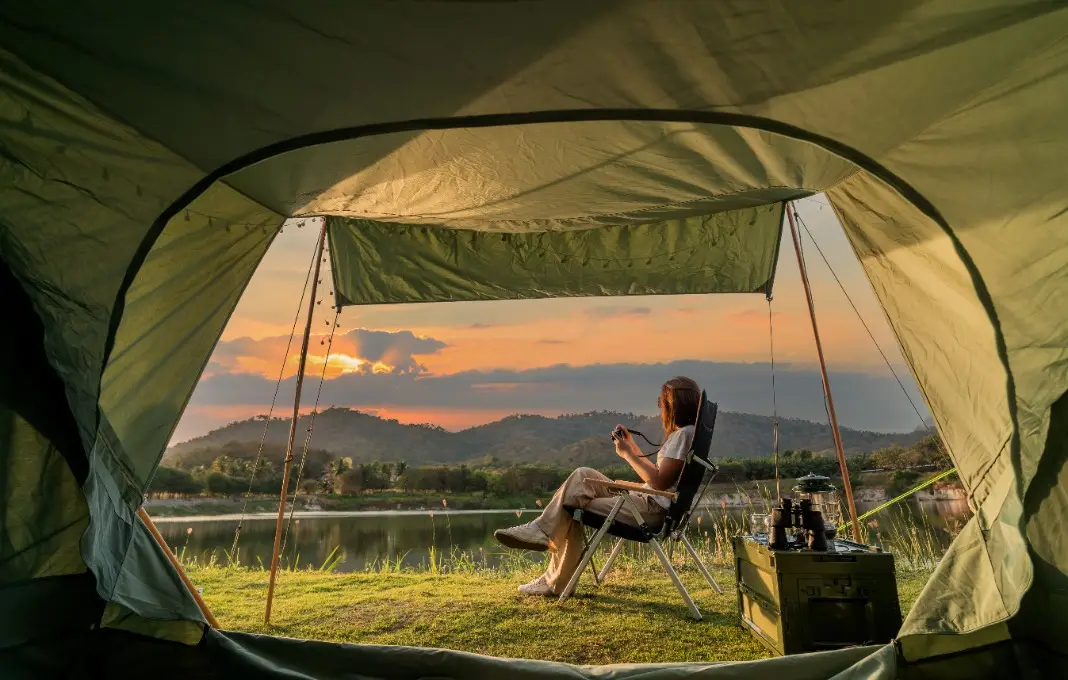
This yearning led to the discovery of a profound appreciation for camping. Weekend excursions into nature provided an invaluable opportunity to immerse myself in the serene beauty of freshwater springs, verdant trails, and protected nature preserves. The transformative effects were almost immediate. Out in the wilderness, the incessant urge to check my phone and the looming specter of work deadlines faded into insignificance. My attention span, which had felt fragmented and overextended, began to stabilize and lengthen. A profound sense of relaxation washed over me. Returning home, I felt genuinely rested and demonstrably more cheerful, solidifying these trips as a vital coping mechanism for navigating the pandemic’s unique stresses.
Beyond the simple pleasure of a weekend getaway, these experiences illuminated the tangible benefits that nature bestows upon our mental health—a phenomenon long recognized by researchers and healthcare professionals.
"Numerous studies provide compelling evidence that spending time in nature can significantly improve mood, reduce anxiety levels, and enhance cognitive functions such as memory and overall cognition," states Jodie M. Smith, APRN, C.N.P., D.N.P., MSN, a nurse practitioner at Mayo Clinic. "Prioritizing time in nature is paramount for cultivating resilience and promoting self-care, especially in a world that consistently demands a great deal from us."
Smith elaborates on the multifaceted ways in which nature positively impacts mental well-being.
The Profound Impact of Nature on Mental Health
At its core, Smith explains, nature serves as a powerful and accessible tool for stress management.
"Stress initiates a cascade within our sympathetic nervous system, triggering physiological responses such as elevated blood pressure, increased heart rate, and a rise in blood sugar levels. These reactions are designed to prepare our bodies to confront a perceived threat," Smith explains.
While not all stress is detrimental—indeed, it can serve as a motivator for meeting deadlines or a heightened state of alertness for child safety—prolonged or chronic exposure to stress can insidiously erode our emotional and psychological equilibrium.
Nature, however, offers a potent antidote. Research indicates that exposure to natural environments can effectively regulate the sympathetic nervous system within as little as five minutes. "This suggests that we can experience almost immediate benefits simply by stepping outdoors," Smith notes. Furthermore, regular engagement with nature may mitigate the cumulative effects of chronic stress, potentially leading to a reduced risk of chronic diseases, illnesses, and even mortality.
Beyond stress alleviation, Smith highlights that nature exposure can be a crucial coping strategy for individuals managing chronic mental health conditions. These include depression, anxiety, post-traumatic stress disorder (PTSD), and attention-deficit/hyperactivity disorder (ADHD). Immersion in natural settings and participation in nature-based therapy programs have demonstrated significant promise in managing the symptoms of PTSD. Even for those without diagnosed mental health conditions, nature can offer solace and aid in managing emotions such as loneliness, irritability, and even the intense frustration associated with road rage.
Moreover, scientific evidence consistently links nature exposure to enhanced cognitive function, encompassing improvements in memory, attention span, creativity, and sleep quality. Perhaps one of the most appealing aspects of nature’s benefits is its inherent simplicity and accessibility.
"Being present in nature does not impose demands or expectations upon us," Smith observes. "This allows our minds the freedom to engage in deeper, clearer contemplation." She encourages individuals to actively engage their senses when outdoors: to listen, touch, smell, and simply be present in their surroundings.
Navigating Nature Deficit in Urban Environments
The World Health Organization (WHO) reports that over 55 percent of the global population currently resides in urban areas, a figure projected to reach 68 percent by 2050. This escalating urbanization presents distinct health challenges. The WHO estimates that a significant proportion of city dwellers experience inadequate housing, transportation, sanitation, and waste management, coupled with pervasive low air quality. Compounding these issues is the scarcity of green space in many urban centers—open, often walkable areas characterized by vegetation, natural landscapes, and water bodies. Consequently, accessing nature is not always as straightforward as simply venturing outdoors.
"While cities can be vibrant and stimulating environments, they can also contribute to both conscious and unconscious stress through sensory overload and the inherent challenges of navigating these complex spaces," Smith acknowledges. "For those residing in urban environments, actively seeking out even small pockets of natural respite can yield substantial benefits."
For individuals unable to undertake immersive nature experiences like weekend camping trips, opportunities for engagement can still be cultivated within urban settings. This might involve identifying a small park near one’s workplace, taking a moment to sit beneath a mature tree, or locating a nearby pond or body of water. "Taking a deliberate five-minute break during the workday to refresh one’s mind in such an environment can provide a significant benefit, justifiable by the subsequent improvement in mood and productivity," Smith advises.
Technology, with its constant demands on our attention through texts, emails, and social media, also presents a significant distraction and barrier to quality, unplugged time in nature. Smith advocates for leaving mobile devices behind when seeking out green spaces. "Slow down, go outside, and observe your surroundings," she urges. "Listen to the birdsong, the rustling wind, the crunch of leaves beneath your feet, and you will undoubtedly experience a positive shift in your overall well-being."
Integrating Nature into Indoor Lives
Even when direct access to extensive outdoor natural environments is limited, various strategies can help weave more green elements into daily routines. While not a complete substitute for full immersion, engaging the senses can still provide benefits. This can include listening to recorded bird songs or the sound of rain instead of music, bringing indoor plants into homes and offices, decorating with images of natural beauty, or utilizing diffusers with natural scents.
"These strategies can enhance relaxation and improve work satisfaction by engaging similar neurological pathways that are activated when spending time outdoors," Smith explains.
On a broader community level, engaging with neighbors to plan community gardens, joining or organizing walking or bird-watching clubs, and advocating for the development and maintenance of high-quality parks and environmental centers can foster greater access to nature for all.
Quantifying the Dose of Nature
While research indicates that even brief outdoor excursions can be beneficial, certain durations and types of nature exposure appear to have a more pronounced impact on well-being. A 2021 study, for instance, found that sessions lasting between 20 and 90 minutes in nature were most effective for mental health, with activities such as gardening, nature-based therapy, and exercise in green spaces proving particularly beneficial for adults.
A comprehensive survey revealed that individuals who spent at least two hours per week in nature, whether in a single extended outing or spread across multiple shorter periods, reported a more positive perception of their overall health and well-being compared to those who spent no time outdoors. For those who find this goal challenging, Smith suggests aiming for approximately 15 minutes of daily nature exposure.
"There are indeed amplified benefits associated with prolonged immersion," Smith notes. "Therefore, I recommend aiming to spend at least one hour outdoors each week engaged in an enjoyable activity, and endeavor to dedicate a half-day to nature exposure each month."
Broader Implications for Public Health and Executive Well-being
The growing body of scientific evidence solidifying the health benefits of nature has significant implications for public health policy and individual well-being, particularly for high-stress professions. For chief executives, who often operate under intense scrutiny and face relentless decision-making pressures, integrating nature-based practices can be a strategic investment in their long-term health and leadership effectiveness.
The concept of "nature-deficit disorder," popularized by Richard Louv, highlights the potential negative consequences of reduced exposure to nature, particularly in children, but its principles extend to adults. The economic and societal costs of mental health challenges are substantial, making preventative and restorative interventions like nature engagement increasingly relevant.
Cities worldwide are beginning to recognize this. Initiatives such as the development of urban green spaces, the promotion of biophilic design in architecture (incorporating natural elements into built environments), and the creation of nature-based wellness programs are gaining traction. The data suggests that these investments are not merely aesthetic but contribute to a healthier, more resilient populace.
For leaders, understanding and actively prioritizing nature-based self-care can serve as a powerful buffer against burnout. The ability of nature to foster clarity, reduce rumination, and enhance problem-solving capabilities can directly translate into more effective decision-making and sustained leadership performance. The research indicates that even short, deliberate interactions with natural elements can reset physiological stress responses, making it a highly efficient tool for managing the demands of executive roles.
As the understanding of the intricate connection between human health and the natural world continues to deepen, the call to action becomes clearer: to actively seek out, protect, and integrate the restorative power of nature into our lives, for the benefit of our individual well-being and the collective health of our communities.
