


After several years characterized by cautious optimism and fragmented activity, the corporate dealmaking arena is exhibiting robust signs of resurgence. CEOs, emboldened by improving balance sheets and a more predictable, albeit still elevated, interest rate environment, are cautiously re-engaging in strategic acquisitions. This renewed appetite for M&A is further fueled by private equity firms sitting on an estimated $2 trillion in uncommitted capital, commonly referred to as "dry powder," and concurrently seeking to divest existing portfolio companies. Founders who had previously shelved exit strategies are now re-evaluating their options, while the transformative influence of Artificial Intelligence is not only driving new deal opportunities but also revolutionizing the evaluation process itself.
The current M&A climate presents a complex tapestry of opportunities and challenges. While the potential for strategic alliances and acquisitions is abundant, persistent headwinds remain. The cost of capital continues to be a significant factor, and a volatile global landscape, marked by geopolitical tensions and evolving regulatory frameworks, introduces substantial risk and uncertainty. Certain sectors, notably software, have experienced a pronounced downturn, with the advent of AI agents contributing to what some have termed the "SaaSpocalypse," leading to a sharp decline in valuations and a market characterized by distress sales. This stands in stark contrast to the feverish pace of 2021, which saw over 62,000 deals, many at historically high valuations.
Despite these complexities, the first quarter of 2026 demonstrated a significant upswing, with 7,924 transactions valued at $861 billion announced, marking the strongest start to a year since 2021, according to data from S&P Global. M&A veterans interviewed for this report indicate a promising outlook for the remainder of 2026, while emphasizing that the playbook for successful dealmaking has undergone a significant transformation. The contemporary approach prioritizes strategic sourcing, more rigorous and extended due diligence, earlier scrutiny of cultural and operational compatibility, and a deeper integration of AI not only as a catalyst for acquisitions but as a critical tool for accelerated and more intelligent target evaluation.
The Era of Intentional Acquisition: Beyond Speed to Strategic Fit
The prevailing sentiment among seasoned dealmakers is a shift from a volume-driven approach to one of deliberate intention and deep understanding. This ethos is exemplified by Michael McCann, CEO of Limbach, a building systems solutions company. McCann champions a "concierge approach" to potential acquisitions, where the emphasis is placed on thoroughness and alignment over rapid execution.
"We want to engage with a company for a minimum of six to nine months, and sometimes this courtship can extend to three or four years," McCann stated. Limbach, a 125-year-old entity, has successfully executed six transactions since 2021, including its most recent acquisition of Pioneer Power for $66 million, its largest to date. This extended engagement allows Limbach to meticulously scrutinize the stability of a target company’s workforce and financials over multiple years. They delve into potential customer concentration risks, assess employee career development pathways, and evaluate how Limbach can enhance the target’s profit margins and expand its market opportunities.
"We scrutinize the financials multiple times, conduct in-depth organizational reviews, and genuinely get to know the people involved. It’s crucial to ensure they understand their experience will be, because ultimately, this is a people-driven business," McCann elaborated. "We aim to avoid surprises, and that requires a significant investment of time."

Limbach’s ability to sustain these extended due diligence periods is largely attributed to its proactive deal sourcing strategy. By initiating direct outreach to potential sellers, often individuals nearing the end of their careers, Limbach bypasses the time pressures and competitive bidding inherent in traditional sale processes managed by intermediaries.
"Often, we are approaching sellers who may be at the end of their careers, and we effectively act as advisors, guiding them through their options," McCann explained. His acquisition strategy is focused on expanding Limbach’s geographic reach or enhancing its portfolio of customer solutions. "Sometimes we engage with companies, and they may ultimately transact with another party or decide not to sell. We aim to support owners by outlining their options and helping them think long-term, while we assess whether a deal aligns with our strategic objectives. The paramount goal is to ensure the puzzle pieces will ultimately fit together seamlessly."
Cultivating Trust: The Foundation of Post-Acquisition Success
The emphasis on building trust and fostering a deep understanding of a target company’s operations is a recurring theme among successful dealmakers. Michael Reid, CEO of publicly traded Megaport, a network-as-a-service provider, shared his experience with the acquisition of Latitude, a startup that initially caught his attention due to its innovative use of high-speed network infrastructure.
"Latitude approached us seeking investment capital," Reid recounted. "I responded by saying, ‘We are not a VC or PE firm, but if we were to combine our two companies, we could significantly help you scale your business by integrating you into our customer base. Would you be interested in exploring an acquisition?’"
Latitude’s founder initially harbored reservations, having previously avoided traditional private equity transactions due to their typically aggressive growth targets and short-term exit horizons. Reid assuaged these concerns through candid and transparent discussions.
"I strongly believe that you should not acquire a company with the intent of dismantling what they have built," Reid emphasized. "And I had no desire to disrupt their culture. Our objective was to embrace it and empower them to grow. This was akin to a dating process; they needed to be convinced that we were the right fit."
Reid noted that Megaport’s status as a publicly traded company provided a crucial advantage. "Public companies operate with an ‘infinite game’ perspective," he explained. "Our purpose is not to acquire a company, alter it, and then divest it. Our objective is to foster its perpetual growth."
The pre-existing relationship between Megaport and Latitude played a pivotal role in circumventing one of the most significant friction points in dealmaking: establishing trust around post-acquisition performance and earnout targets. The transaction, with a potential value of approximately $300 million, involved an upfront payment composed of cash and stock, with the remainder contingent upon a three-year earnout tied to Megaport’s provision of capital and Latitude’s achievement of specific growth milestones.
"Contractual terms that benefit both parties are essential for aligning growth objectives," Reid stated. "Instead of linking the earnout to EBITDA, which can be manipulated through cost-cutting measures, we tied it to revenue, directly influenced by the capital expenditure we provide. This approach ensures clarity and shared risk."
Proactive Sourcing and Empathetic Integration: Keys to Proprietary Deals
Jay Jung, CEO of Embarc Advisors, a firm that advises startups on capital raising and strategic M&A, underscores the importance of proactive deal sourcing, particularly for first-time buyers. "In a sale process managed by an M&A advisor, a quality business will typically attract more than ten bids from experienced buyers already familiar with the industry," Jung noted. "Therefore, it is crucial for first-time buyers to proactively ‘pound the pavement’ and source their own proprietary deals. Many of these transactions are successfully closed. A significant component of dealmaking is empathy; it’s not solely about the financial metrics."
This proactive approach was effectively employed by Phil Nardone Jr., CEO of PAN Communications, a marketing agency. Nardone meticulously reviewed industry publications to identify award-winning firms, compiling a shortlist of promising prospects and initiating direct contact with their founders.
"I would clearly state my intentions and inquire about their interest in discussing potential opportunities," Nardone shared. "My success rate in securing initial meetings through these outreach efforts was an impressive 80 percent. Founders were often flattered and honored. Several indicated, ‘I am not currently considering an acquisition, but I would be delighted to speak with you.’ Subsequently, all three of my acquisitions originated from these initial conversations."
Nardone attributes the success of these transactions to the rigorous development and adherence to a clearly defined set of acquisition criteria and goals. This disciplined approach prevents the process from being derailed by emotional attachments. Viable candidates needed to demonstrate a consistent 20% profit margin over the past three years, exhibit strong growth projections, possess compatible cultures, and offer complementary geographic and industry expertise. Nardone’s goal-setting framework also included specific revenue targets.
"Documenting these criteria from the outset was essential, as it’s easy to encounter many unsuitable prospects before finding the right fit," Nardone explained. "The risk of becoming emotionally invested in a potential deal is significant."
Balancing the cultivation of trust and a deep understanding of the business through direct engagement with potential sellers is a delicate act. However, Nardone found this crucial for the middle-market transactions that PAN pursued, where founders typically assumed roles within the acquired entity. To assess leader-to-leader compatibility, he made a practice of engaging in social dinners with founders and their partners, discussing their post-deal aspirations.
"I sought to understand them on a personal level, and they, in turn, got to know me not just as a CEO but as an individual," Nardone said. "I maintained a strong focus on culture, people integration, and our envisioned post-deal dynamic, while delegating the financial due diligence to my CFO, who would then provide me with a comprehensive overview of the financial health of the target."
The objective of these informal discussions was to foster candid conversations about the future. "Succession planning – for the seller, the CEO, the founder, and the leadership team – should be addressed openly and honestly," Nardone advised. "This is paramount, as each situation presents unique nuances. Some individuals may welcome the prospect of joining a larger agency with enhanced compensation and bonus structures, while others may prefer a different path."
Preserving the "Magic": Integrating Brands Without Diluting Their Essence
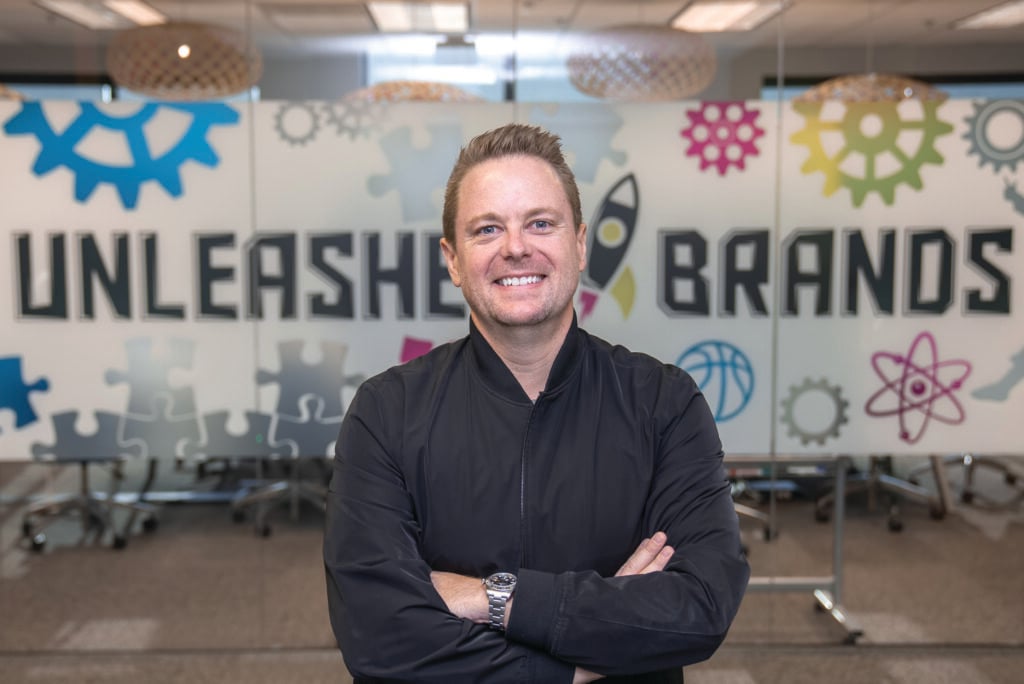
Michael Browning Jr., CEO of Unleashed Brands, adopted a similar methodology when identifying and vetting potential acquisitions for his youth enrichment platform company, which focuses on brands within the child services sector. As the founder of Urban Air Adventure Park, Browning was motivated to pursue owners of The Little Gym by the positive experiences his own family had at one of its locations. This led to subsequent acquisitions of Class 101, Sylvan Learning, and Water Wings Swim School.
Browning’s initial evaluation criteria encompass fundamental economic indicators: the parent company’s financial health, the unit economics of its franchisees, upward trending same-store sales, and demonstrated profitability through net income or EBITDA. Following this, he assesses innovation, franchisee and operator belief in the brand, the presence of a passionate founder or leadership team, and opportunities for brand expansion. Crucially, he evaluates whether his platform can enhance the business without compromising its core strengths.
"The cultural and leadership fit is immensely tricky," Browning acknowledged. "Systems can be standardized, and technology can be upgraded, but culture is inherently difficult to define. It manifests in how people make decisions when you are not present. When acquiring a brand, caution is essential. A founder-built brand possesses a distinct ‘heartbeat.’ The objective must be to avoid replacing this intrinsic vitality with corporate processes. The goal is to protect that magic while augmenting it with corporate capabilities."
Browning cautioned that the premature departure or diminished role of founders can lead to demotivation among employees who were inspired by their vision. He emphasizes the importance of upfront discussions regarding the founder’s post-deal role, which can vary but requires clear definition. "We desire their continued involvement for as long as they wish," he stated. "Some prefer to remain involved in day-to-day operations, while others may opt for a brand ambassador role. Flexibility within a defined framework is often necessary, as transitioning from a founder’s life’s work can be a complex emotional journey. I often ask them, ‘What do you want to be when you grow up?’"

Retaining Talent: Navigating the Post-Acquisition Transition
When a significant portion of a company’s value resides in its founding team, the departure or reduced role of a respected founder can precipitate substantial employee turnover. Savneet Singh, CEO of publicly traded PAR Technology, which has been strategically acquiring complementary software providers to create a unified platform for restaurant and retail chains, highlighted this phenomenon.
"Early employees often pledge their allegiance to a particular founder, driven by a belief in their vision, equity potential, and a shared commitment," Singh explained. PAR Technology’s strategy has involved seven acquisitions over eight years, including the recent $27 million purchase of Bridg. This experience has underscored the critical importance of retaining founders and their core teams in companies with startup origins.
"Our approach is to heavily incentivize key contributors to remain and become integral to our shared vision and journey," Singh stated. "The Bridg team is exceptionally passionate about their product. Our strategy is to convey that we share that passion and, moreover, offer them access to our extensive customer base, coupled with retention grants and performance-based bonuses."
Singh also acknowledges that not all individuals may be suited for this new trajectory, and identifying this early is beneficial. PAR Technology prioritizes transparency, recognizing that systems, reporting structures, processes, and even daily routines will inevitably evolve within a larger organizational framework.
"Acquirers may initially state that nothing will change, but the reality is that transformations are inevitable, impacting everything from email addresses and cybersecurity protocols to the software systems used," Singh candidly shared. "We maintain complete transparency about this. We articulate the uniqueness of our culture, express our profound enthusiasm for their product, and assure them that if it’s a good fit, we will make every effort to retain them. However, if it’s not, it’s best to discover that early to avoid wasting precious working hours for both parties."
Jeff Helfgott, who has overseen ten acquisitions since assuming the CEO role at PE-backed men’s grooming brand Boardroom Salon for Men in 2024, echoed this sentiment. "You want individuals to feel like active participants in the change, not victims of it," he said. "Ultimately, all businesses are driven by people. While not everyone will embark on this journey with you, a lack of enthusiasm from the wrong individuals can significantly impede progress."
The Emotional Intelligence of M&A: Balancing Rigor with Empathy
A crucial, yet often overlooked, aspect of due diligence is cultural alignment. A lack of synergy in this area can derail an acquisition that appears financially sound. Brevo, a PE-backed company that has acquired thirteen companies across seven countries, including WonderPush and Octolis, scrutinizes deals for cultural fit with the same intensity as financial metrics, product alignment, and potential synergies.

"We dedicate significant time to ensuring cultural integration and executive alignment, as a deficiency in these areas drastically diminishes the potential for success," commented Channing Ferrer, CEO Americas of the France-based company. He highlighted that the cross-border nature of Brevo’s transactions amplifies the need for a meticulous assessment of cultural compatibility. "We must be cognizant of geographic elements: for instance, a German company merging with a French entity requires careful consideration of whether those cultures can effectively collaborate."
While cultural fit inherently involves an "emotional evaluation," Ferrer urges newcomers to the M&A process to maintain discipline. "Do not let M&A become an emotional endeavor," he advised. "Deals will come and go; opportunities will always exist. It is counterproductive to feel compelled to force a deal to completion simply because significant time has been invested. That is not a prudent approach."
The necessity of balancing emotional intelligence with financial discipline was a recurring theme in discussions with dealmakers about the current M&A market. While deal momentum is broadly accelerating, the CEOs most likely to succeed in this acquisition cycle will be those who approach transactions with intentionality rather than sheer speed or aggression.
"That is the fundamental challenge," stated Browning. "Every deal presents its own complexities. However, a CEO leading acquisitions must possess a clear understanding of what is being acquired and how it will be leveraged for future growth."
