

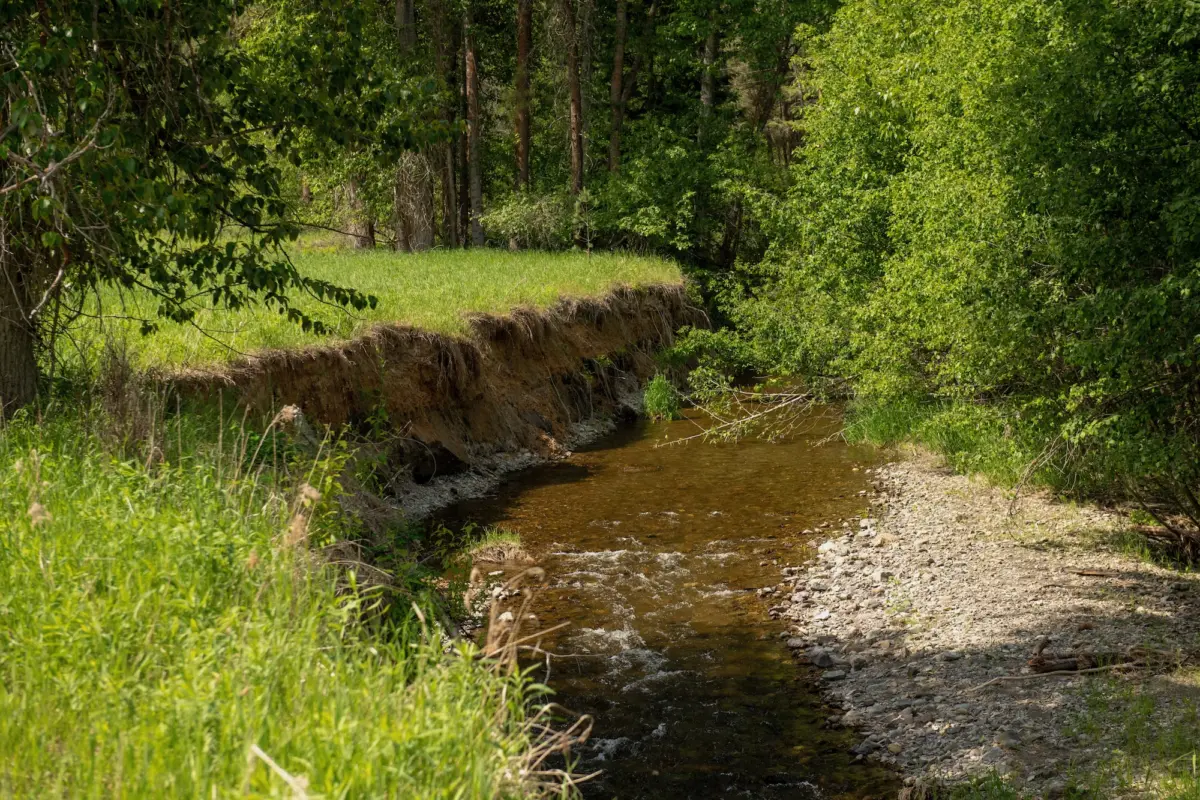
Across the vast landscapes of the American West and the Appalachian heartland, a silent toxic legacy remains from the nation’s industrial past: an estimated 500,000 abandoned mines. For decades, these sites have leaked heavy metals into watersheds, poisoned soil, and posed significant physical risks to local communities. However, the effort to remediate these hazards has long been paralyzed by a profound legal paradox. Under federal environmental laws, any non-liable party attempting to clean up an abandoned mine could be held legally responsible for the site’s entire pollution output as if they were the original operator. This "liability trap" has deterred conservation groups, state agencies, and tribal nations from intervening. The passage and implementation of the Good Samaritan Remediation of Abandoned Hardrock Mines Act of 2024 marks a pivotal shift in this landscape, providing a narrow but essential legal shield for those seeking to restore these degraded environments.
The Scale of the Abandoned Mine Crisis
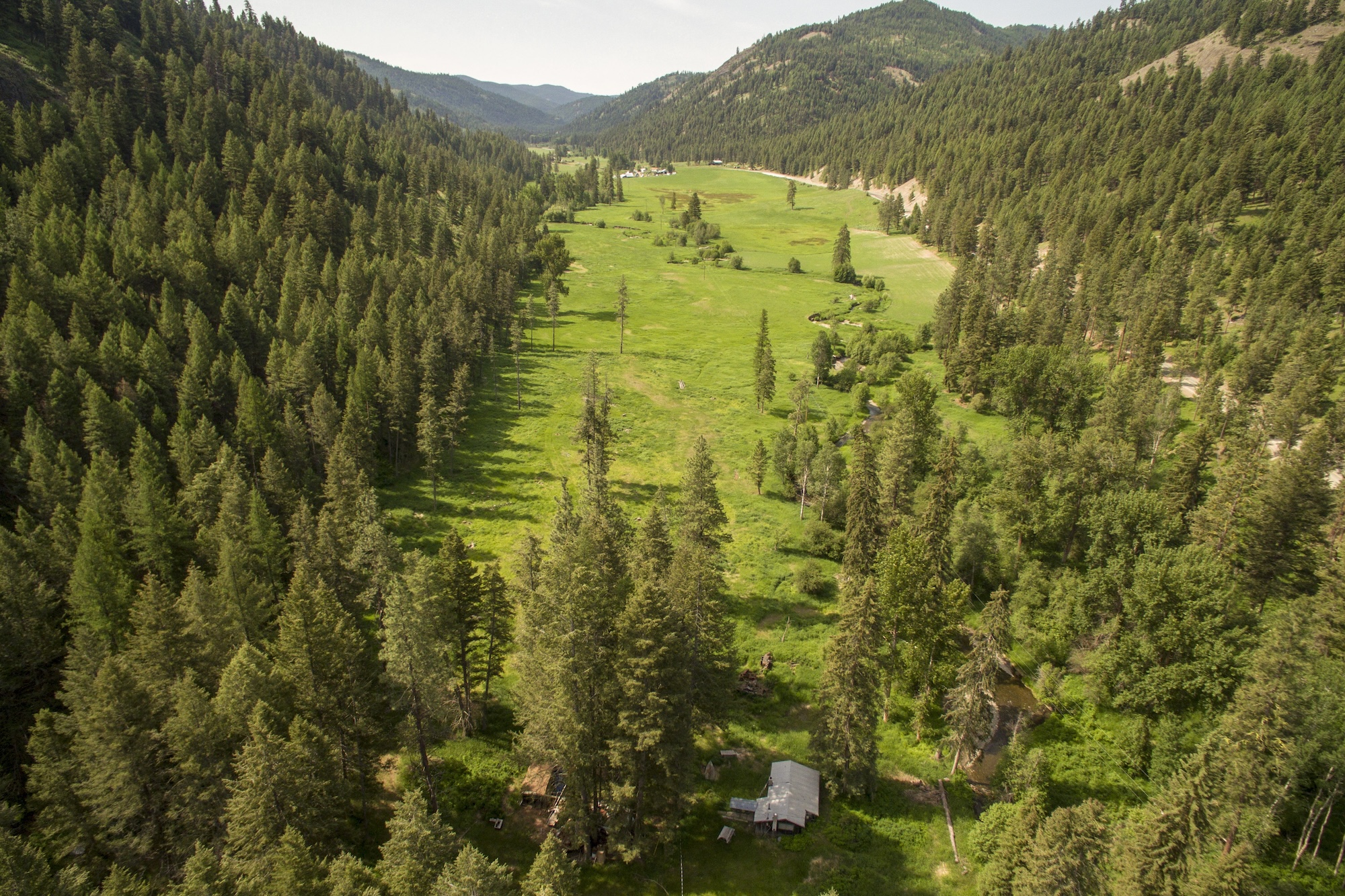
The United States Bureau of Land Management (BLM) and the Government Accountability Office (GAO) have struggled for years to provide a definitive count of abandoned mine lands (AML). While the commonly cited figure is 500,000, some estimates suggest the number could be higher, as many historical mines were never properly documented. These sites are the remnants of a 19th-century "free-for-all" encouraged by the General Mining Act of 1872, which allowed for the extraction of minerals on federal lands without requiring any plan for reclamation or environmental protection.
The environmental consequences are staggering. According to the Environmental Protection Agency (EPA), abandoned mines have contaminated more than 40 percent of the headwaters of western watersheds. Acid Mine Drainage (AMD)—a process where sulfide-bearing minerals are exposed to air and water, creating sulfuric acid that leaches heavy metals like cadmium, arsenic, lead, and mercury—continues to flow into streams, killing aquatic life and threatening human drinking water supplies.
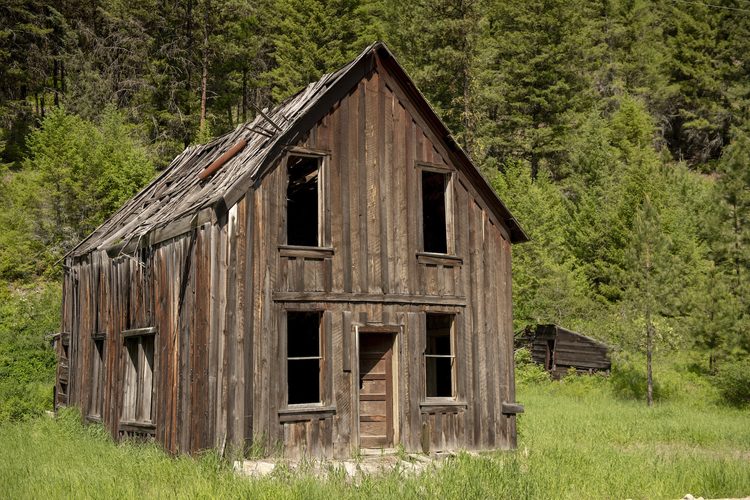
The Legal Barrier: A Decades-Long Standoff
For over thirty years, conservation organizations like Trout Unlimited and state mining agencies have lobbied for "Good Samaritan" protections. The primary obstacle was the Clean Water Act (CWA) and the Comprehensive Environmental Response, Compensation, and Liability Act (CERCLA), commonly known as Superfund.
Under these statutes, if an organization began a cleanup project that involved treating "point source" pollution—such as water flowing out of a specific mine adit or pipe—they would be required to obtain a National Pollutant Discharge Elimination System (NPDES) permit. This permit requires the water to meet strict water quality standards. If the "Good Samaritan" failed to meet these standards, they could be sued by the federal government or via citizen suits for millions of dollars in penalties, despite having no role in creating the original pollution.

"We found that if we stepped in to clean up abandoned mines, we would be treated under federal law as if we were the ones who created the pollution to begin with," explained Corey Fisher, public lands policy director at Trout Unlimited. "All we want to do is make it better."
The Good Samaritan Act of 2024: A Pilot Solution
The Good Samaritan Remediation of Abandoned Hardrock Mines Act was designed to break this impasse. Passed with rare bipartisan support, the law established a pilot program administered by the EPA. The program allows for up to 15 pilot projects over a seven-year period, providing successful applicants with a special permit that shields them from CWA and CERCLA liabilities, provided they follow an approved remediation plan.

The pilot nature of the act was a compromise. Some environmental advocacy groups expressed concern that a broad liability exemption could be exploited by modern mining companies to re-mine waste piles for profit under the guise of "remediation" without adhering to modern environmental standards. To address this, the act limits eligibility to "Good Samaritans" who have no prior legal responsibility for the site and requires rigorous oversight.
Milestone at Bodie Mine: The First Pilot Project
In September 2026, the first authorization under the new law was granted to Trout Unlimited for the restoration of the Bodie Mine in Okanogan County, Washington. Located near the edge of a clearing surrounded by evergreens, the Bodie Mine is a microcosm of the larger national problem. Though small by modern standards, it has been a persistent source of contamination for Toroda Creek.

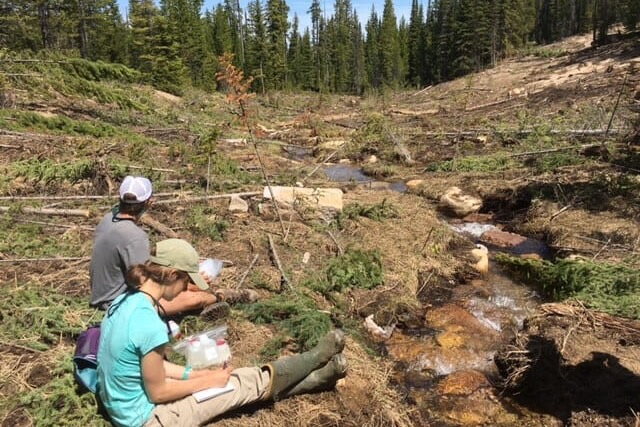
The project involves the removal of approximately 790 tons of mine tailings—waste material left over after the processing of ore. These tailings contain high concentrations of arsenic, lead, and mercury. Currently, erosion causes roughly 104 tons of these toxic sediments to wash into Toroda Creek annually.
Trout Unlimited’s $500,000 reclamation plan involves excavating 400 linear feet of the creek to remove contaminated soil and sediment, effectively separating the waterway from the legacy waste. While Trout Unlimited has completed similar "nonpoint source" projects in the past through complex, site-specific legal settlements with the EPA, the Good Samaritan permit streamlines the process significantly.

"Technically, we could have done the Bodie Mine project without the Good Samaritan law, but it makes it a lot easier and a lot less costly to get those projects implemented," Fisher noted.
Chronology of Legislative and Restoration Efforts
The path to the Bodie Mine cleanup was paved by decades of incremental progress and legal maneuvering:
- 1872: The General Mining Act is signed, allowing mining on public lands without reclamation requirements.
- 1972: The Clean Water Act is passed, inadvertently creating liability for those attempting to fix old mine drainage.
- 1977: The Surface Mining Control and Reclamation Act (SMCRA) is passed for coal mines, creating a dedicated funding stream, but hardrock mines are excluded.
- 1999: Pennsylvania passes its own Environmental Good Samaritan Act, providing state-level civil liability protection but leaving federal liability in place.
- 2015: Trout Unlimited completes the Lilly Orphan Boy Mine restoration in Montana, serving as a proof-of-concept for NGO-led reclamation.
- 2024: The federal Good Samaritan Remediation of Abandoned Hardrock Mines Act is signed into law.
- 2026: The EPA issues the first permit under the Act to Trout Unlimited for the Bodie Mine.
The Funding Gap: A $60 Billion Challenge
While the Good Samaritan Act addresses the legal hurdles, it does not solve the financial crisis surrounding abandoned mines. The National Association of Abandoned Mine Land Programs estimates that cleaning up the nation’s abandoned hardrock mines will cost at least $60 billion.
Unlike the coal industry, which pays a per-ton royalty into an abandoned mine land fund under SMCRA, the hardrock mining industry (gold, silver, copper, etc.) pays no federal royalties. Consequently, funding for hardrock reclamation is a patchwork of state grants, small federal appropriations, and private donations.

The federal Abandoned Hardrock Mine Reclamation Program currently receives approximately $5 million per year—a figure that experts describe as "a drop in the bucket." Aaron Mintzes, deputy policy director at the environmental nonprofit Earthworks, emphasized that "the United States is the only nation in the world that receives zero royalties from hardrock mining. As a result, there’s no polluter-pay funding mechanism."
Analysis of Implications and Future Outlook
The success of the Bodie Mine project and the subsequent 14 pilot slots will determine whether the Good Samaritan Act becomes a permanent fixture of American environmental law.

From a biological perspective, the implications are profound. Removing heavy metals from headwaters allows for the recovery of sensitive species, such as bull trout and cutthroat trout, which are vital to local ecosystems and outdoor recreation economies. Economically, reclamation projects create "restoration economy" jobs in rural areas, utilizing heavy equipment operators and environmental engineers.
However, some legal scholars, including Professor Mark Squillace of the University of Colorado, caution that while these pilot projects are valuable for learning, they represent "small potatoes" compared to the massive, high-risk sites that require multi-million dollar water treatment facilities. The true test of the Good Samaritan Act will be whether it can eventually protect states and NGOs that take on "point source" water treatment, which involves long-term operations and higher risk.

Ryan Ellis, director of legislative and regulatory affairs at the Interstate Mining Compact Commission, believes the act is essential for the future. "Without Good Samaritan legislation, you could have all the hardrock abandoned mine funding you need and still not be able to do water treatment projects," he said.
The EPA expects a surge in applications for the remaining 14 pilot permits over the next two to three years. EPA spokesperson Mike Bastach confirmed that interest is rising, and the agency is committed to seeing these cleanups implemented in the field.
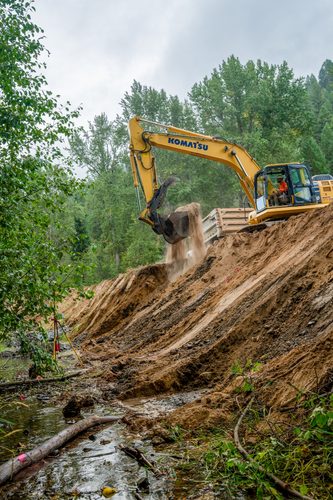
As the first excavator scoops contaminated dirt from the banks of Toroda Creek, the Bodie Mine project stands as a symbol of hope. It represents a transition from a century of neglect toward a proactive era of environmental stewardship, where the law finally supports, rather than punishes, those acting in good faith to heal the land. The road to reclaiming 500,000 mines remains long, but the Good Samaritan Act has finally cleared the legal debris blocking the path.
