

Matteo Tonello, Head of Data Benchmarking and Analytics at The Conference Board, Inc., sheds light on critical governance trends impacting U.S. corporations. This comprehensive analysis, stemming from a detailed report by The Conference Board in collaboration with ESGAUGE, KPMG, Russell Reynolds, and the University of Delaware, delves into the intricate dynamics of CEO and Board Chair leadership structures within the S&P 500 and Russell 3000 indices. Authored by Ariane Marchis-Mouren, Senior Researcher, Corporate Governance at The Conference Board, the report meticulously examines succession events, the independence of board chairs, and the accompanying policy and rationale disclosures that shape corporate governance. The overarching conclusion underscores that leadership structure remains context-dependent, with the majority of disclosed policies empowering boards to retain discretion in separating or combining these pivotal roles based on prevailing circumstances.
Key Findings Highlight Shifting Governance Practices

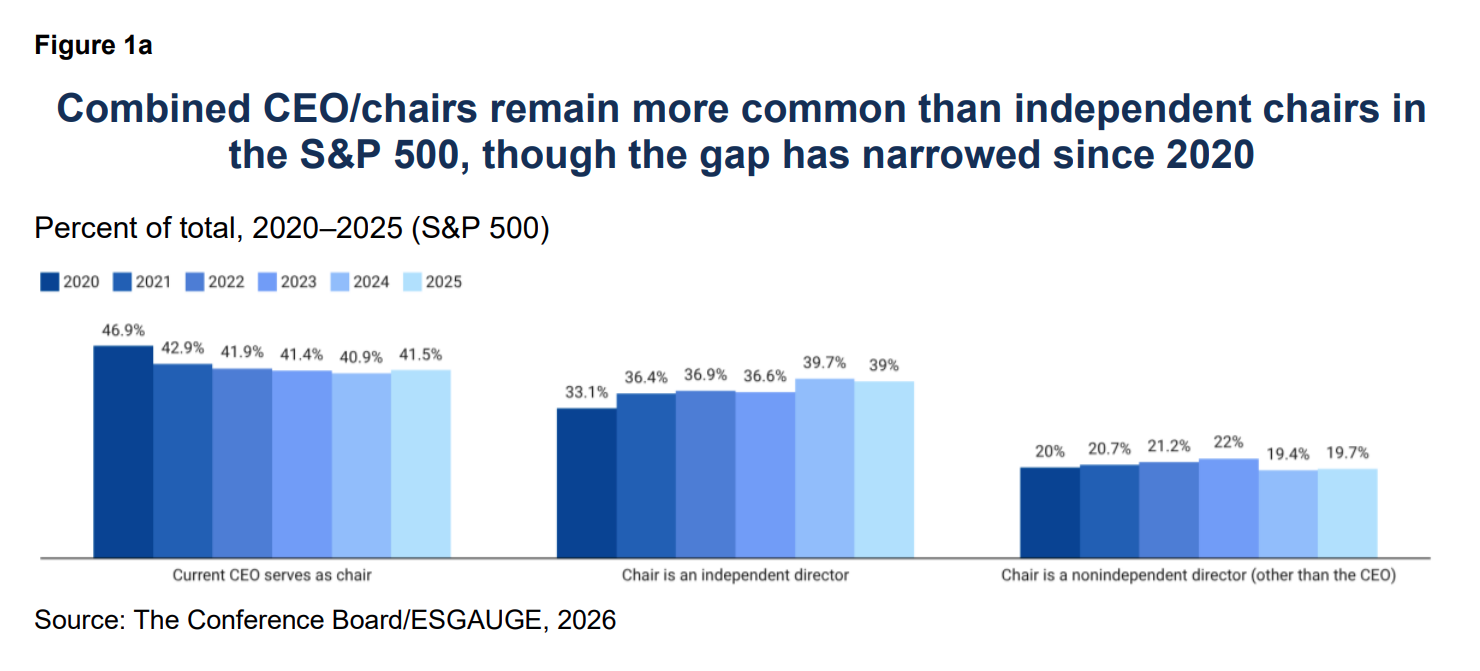
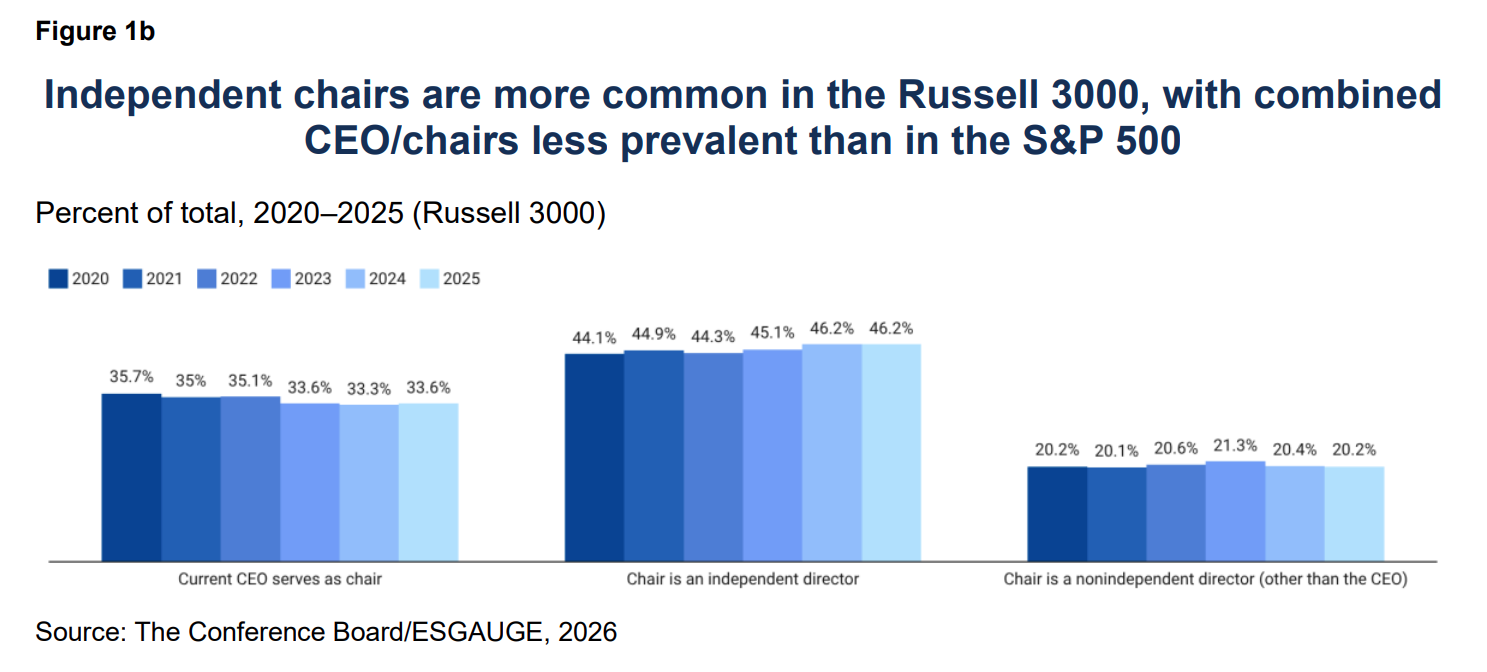
The research reveals several significant trends in how U.S. companies structure their top leadership. A notable observation is the higher propensity for large-cap companies to combine the CEO and Chair roles. As of 2025, 42% of S&P 500 companies saw their current CEO also serving as Board Chair, a figure that contrasts with 34% in the Russell 3000 index. This suggests a greater comfort with CEO duality among larger, more established corporations.
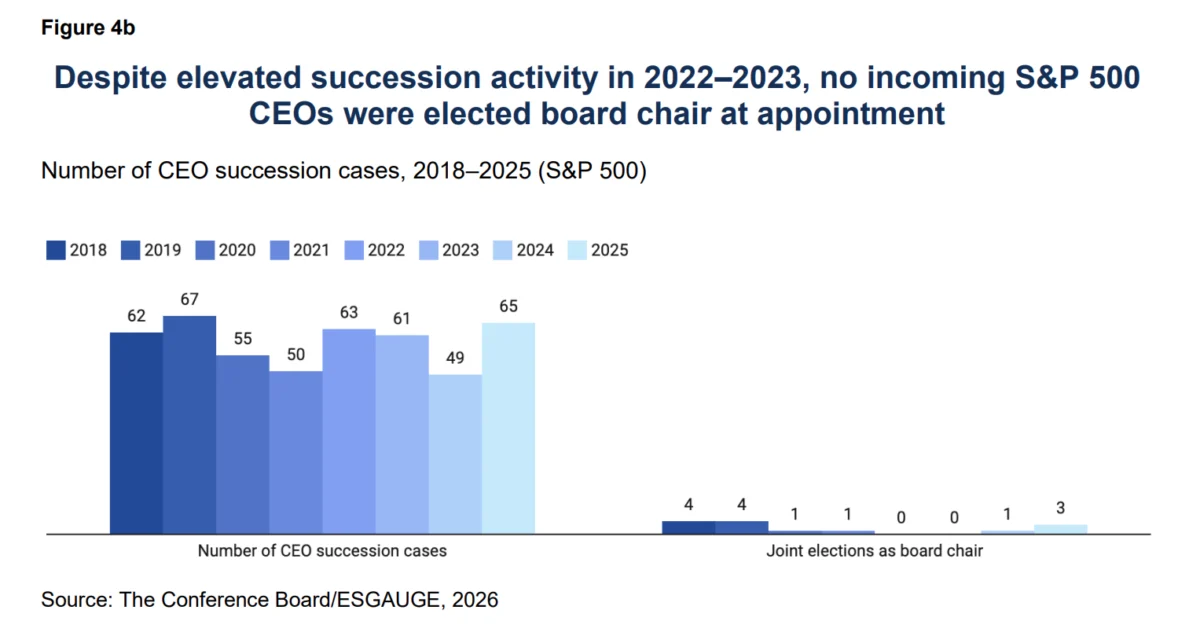
Furthermore, the transition of leadership during CEO successions typically involves a deliberate separation of roles. Incoming CEOs are rarely elected as Board Chair concurrently with their appointment as chief executive. In 2025, this practice was evident in only 4.6% of S&P 500 CEO successions (3 out of 65) and a mere 2.5% of Russell 3000 successions (9 out of 353). This points to a conscious effort by boards to ensure independent oversight during critical leadership changes.
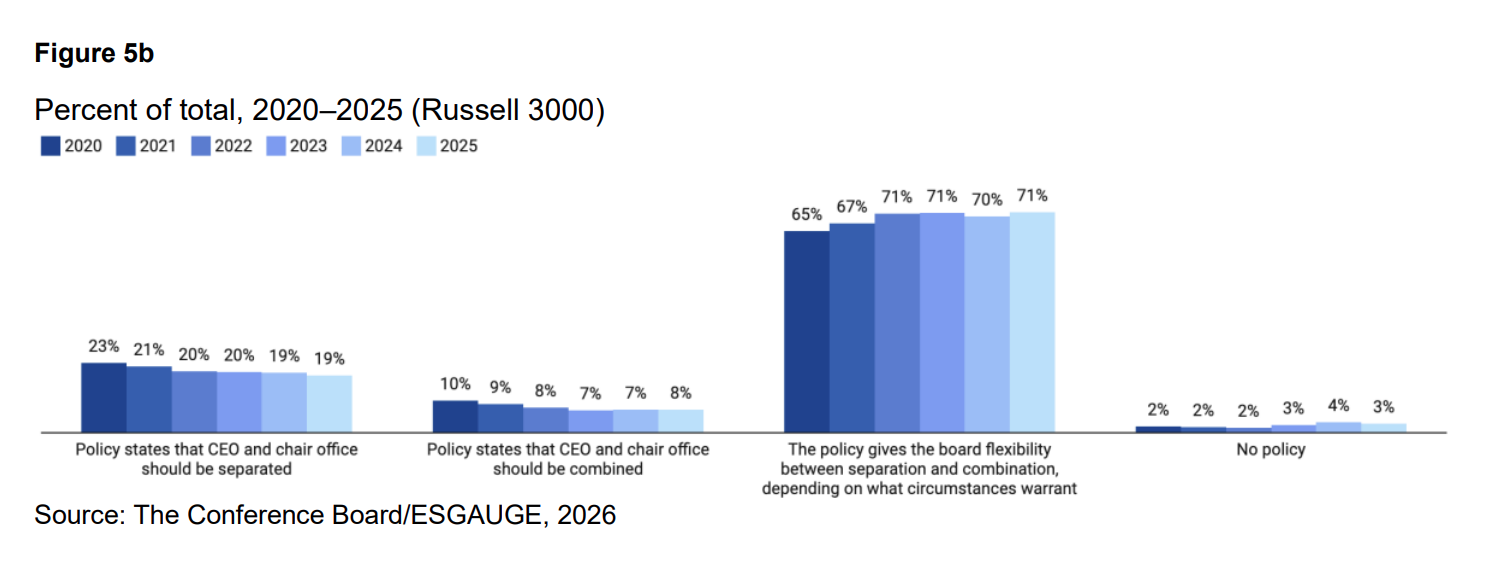
A prevailing governance approach across both indices is the disclosure of policies that preserve board discretion. In 2025, a substantial majority of companies, 79% of S&P 500 firms and 71% of Russell 3000 firms, maintained policies granting their boards flexibility to either separate or combine the CEO and Chair roles as circumstances dictate. This highlights a preference for adaptive governance models over rigid, one-size-fits-all mandates.
The rationales disclosed by companies for their chosen leadership structures are also undergoing an evolution. For the separation of roles, the most consistently cited reason remains the distinct responsibilities inherent in each position. However, in instances where the roles are combined, there has been a notable increase in references to improved communication and enhanced strategic execution. Conversely, justifications centered on the CEO’s superior ability to set the board agenda have seen a decline, indicating a potential shift in how the benefits of a unified leadership are perceived and articulated.
Crucially, proxy advisors and large institutional investors largely prioritize effective independent board leadership, whether through an independent Chair or a robust lead independent director structure. Their evaluation of proposals to separate Chair and CEO roles is typically conducted on a case-by-case basis, reflecting a nuanced approach to governance.
The Enduring Debate: Combined vs. Separated Leadership
The question of whether to combine or separate the roles of CEO and Board Chair has been a perennial governance debate. Proponents of separation argue that it strengthens independent oversight, ensuring that the board can effectively challenge management and represent shareholder interests without undue influence from the chief executive. Conversely, advocates for combining the roles contend that it fosters a unified leadership voice, enabling more efficient decision-making and a clearer strategic direction.
Empirical research on the performance implications of CEO duality has yielded mixed results, prompting many governance frameworks to emphasize the importance of context and board effectiveness rather than prescribing a single optimal structure. Boards are increasingly encouraged to utilize their regular performance evaluation processes, including assessments of the board, its committees, and individual directors, to ascertain whether their chosen leadership structure facilitates effective oversight and clear decision-making, and to identify when adjustments may be warranted.
Over the past decade, a discernible trend has emerged with a decline in combined CEO/Chair roles across major indices, giving way to an increase in independent Chairs. In assessing leadership structures, stakeholders are increasingly focused on the effectiveness and clarity of independent board leadership, particularly when roles are combined. The rigor of a board’s evaluation and feedback processes is now viewed as a significant indicator of that effectiveness.
Board Chair Independence and CEO Duality: A Shifting Paradigm
Since 2020, corporate leadership structures have gradually evolved, marked by a modest shift away from CEO duality and towards independent Chairs. However, the pace and direction of this change exhibit meaningful variations across different sectors, company sizes, and the broader market.
Within the S&P 500, CEO duality has seen a decline from 47% in 2020 to 42% in 2025, while the prevalence of independent Chairs has risen from 33% to 39%. The proportion of companies chaired by a non-independent director other than the CEO, often a founder or former CEO, peaked at 22% in 2023 before receding to below 20%.
Among companies in the Russell 3000 index, independent Chairs remain the dominant model, and the gap between independent Chairs and combined CEO/Chairs has widened slightly since 2020. As of 2025, over 46% of these companies had an independent Chair, compared to 34% chaired by the CEO and 20% chaired by another non-independent director.
These divergences between the indices can be attributed to a combination of company scale and investor expectations. Large-cap boards may be more inclined towards CEO duality, often complemented by a lead independent director and other oversight mechanisms. In contrast, the broader market more frequently adopts independent Chairs as the default structure. Across both indices, boards appear to adjust their Chair arrangements episodically, often around leadership transitions, rather than converging on a single, static model.
Sectoral and Size-Based Variations in Leadership Structure
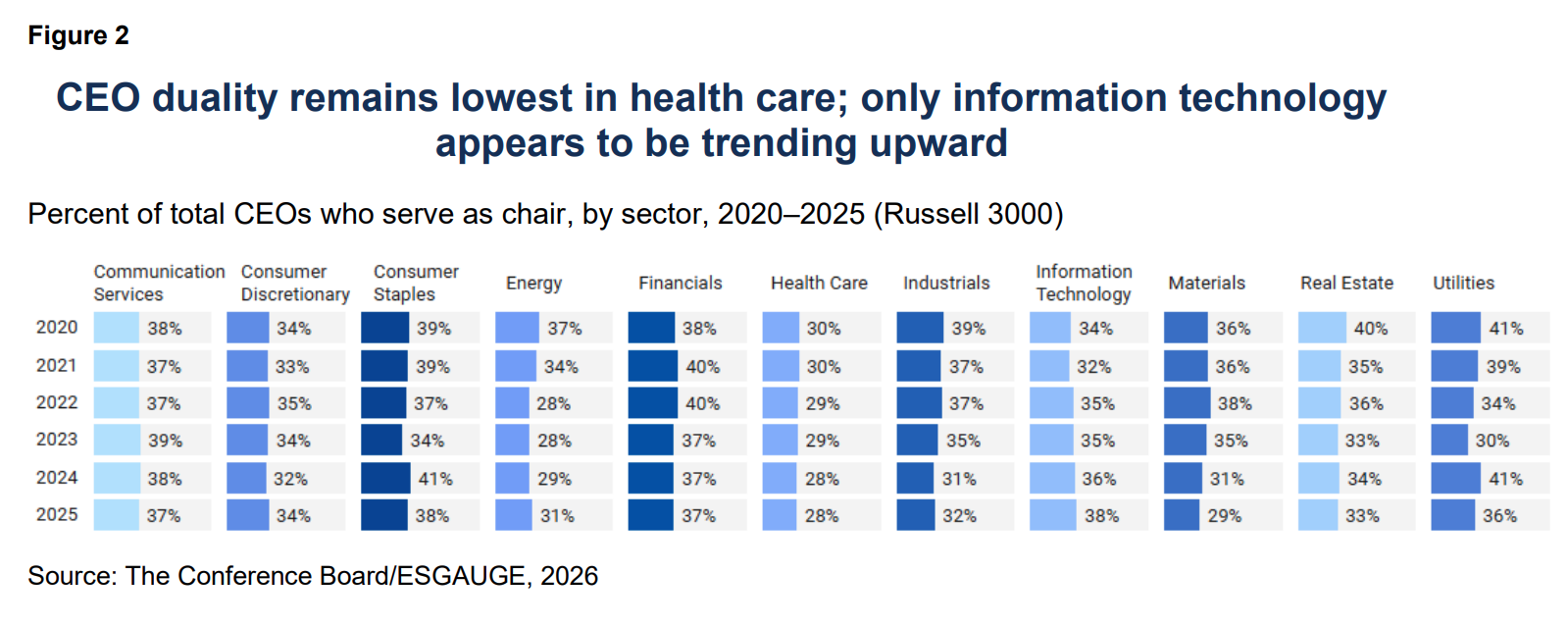
The widening separation in leadership structures between the Information Technology and Health Care sectors suggests that CEO duality is increasingly influenced by sector-specific contexts rather than a uniform convergence toward a single governance standard. Differences in ownership influence, leadership continuity, and sector-specific expectations for independent oversight likely contribute to the greater durability of role combination in parts of the technology sector, while separation remains more prevalent in health care.
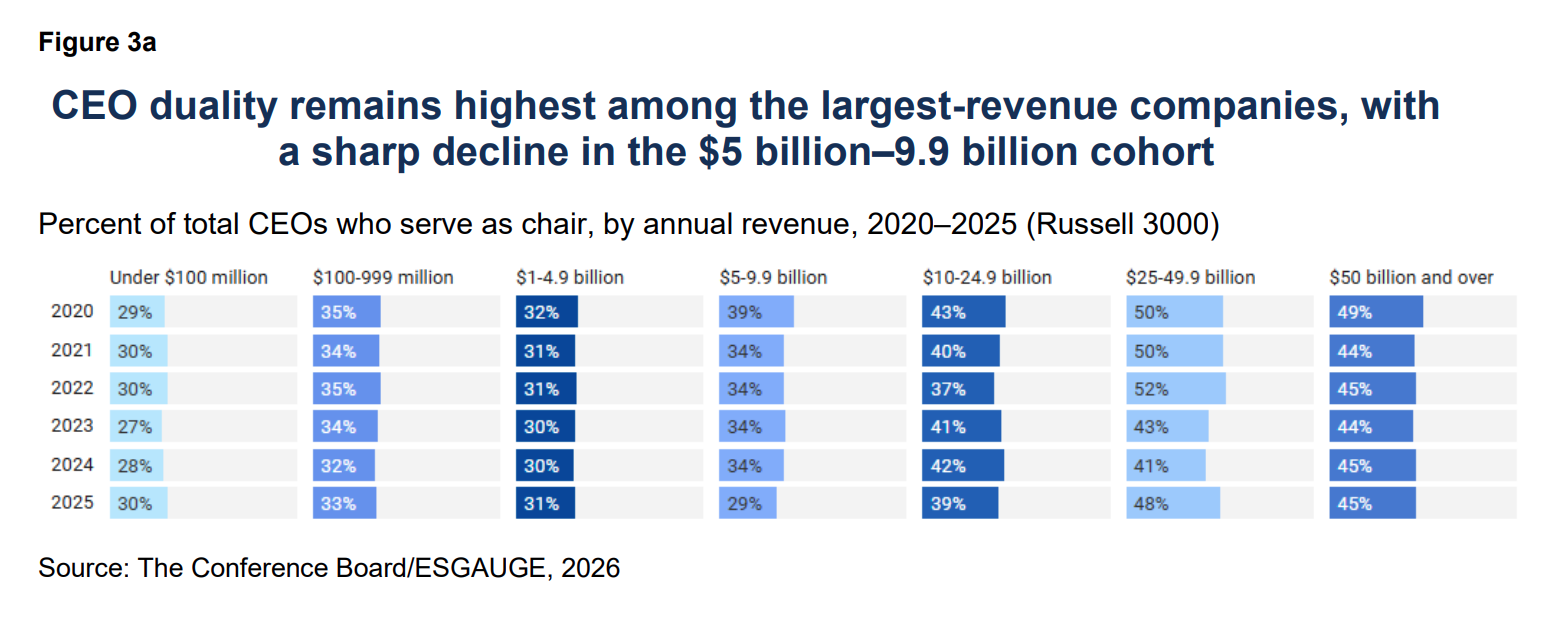
Examining companies by revenue cohorts reveals that CEO duality continues to be most common among the largest entities. In 2025, companies with revenues between $25 billion and $49.9 billion, and those exceeding $50 billion, reported CEO duality in the mid-40% to near-50% range. A notable shift occurred in the $5 billion to $9.9 billion revenue cohort, which experienced a marked decline in duality between 2020 and 2025, while other revenue bands showed more modest and intermittent year-to-year movements.
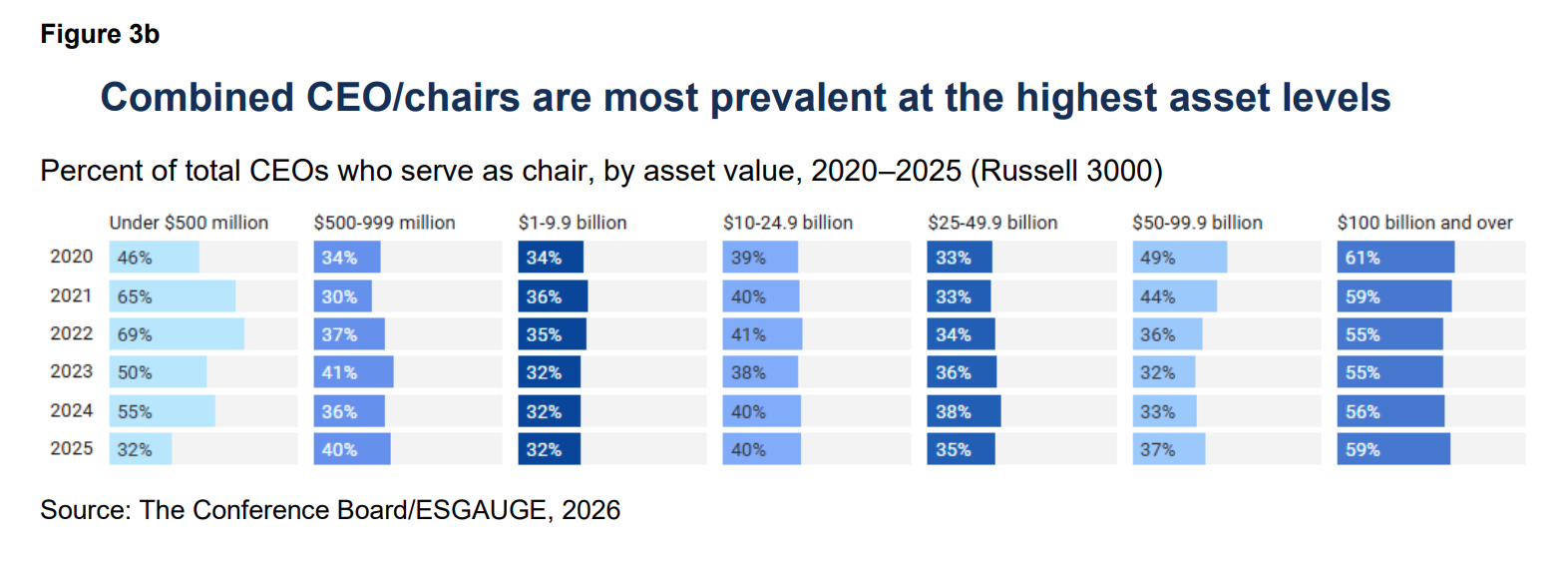
Analysis based on asset value further reinforces the association of CEO duality with scale. The $100 billion+ asset cohort consistently exhibited the highest prevalence of combined CEO/Chairs throughout the examined period. Concurrently, the $50 billion to $99.9 billion cohort trended downwards, while the smallest asset cohort displayed significant variability, suggesting sensitivity to smaller sample sizes.
Taken together, these revenue and asset profiles indicate that CEO duality is associated with corporate scale but not uniformly distributed across all size bands. Variations across adjacent cohorts, and sharp movements within select groups, suggest that decisions regarding Chair structure may be event-driven—such as CEO succession, founder transitions, or governance reforms—rather than a steady function of company size.
Tenure Patterns in Leadership Structures
Across both the S&P 500 and Russell 3000, companies with a combined CEO/Chair structure demonstrated materially longer Chair tenures compared to either CEO tenure or independent-Chair tenure during the 2020-2025 period. In the Russell 3000, the average CEO/Chair tenure was 9.9 years, versus an average CEO tenure of 7.7 years and an average independent-Chair tenure of 4.6 years. This pattern holds true for the S&P 500, where CEO/Chair tenure averaged 7.9 years, compared to 6.9 years for CEO tenure and 5.2 years for independent-Chair tenure. This tenure disparity aligns with the observation that combined CEO/Chair structures are more frequently found where leadership is already well-established, while independent-Chair arrangements often coincide with leadership structure changes, such as CEO or Chair transitions.
CEO Succession and Joint CEO/Chair Elections: A Strategic Transition
A common practice during CEO transitions is for the outgoing CEO to remain as Executive Chair or a non-independent Chair for a defined period, facilitating continuity as the new CEO assumes leadership. Research indicates that this approach has gained traction since 2020, with approximately half of U.S. CEO transitions involving the outgoing CEO moving into an Executive Chair role. These appointments are typically short-term, averaging just over two years, reinforcing their utility as transitional mechanisms rather than permanent governance endpoints. The effectiveness of this model hinges on clear delineation of decision-making rights between the CEO and Chair, the establishment of an explicit timeframe or trigger for the former CEO’s departure from the Chair role, and clear communication regarding when and under what conditions the Chair role is expected to transfer to the new CEO.
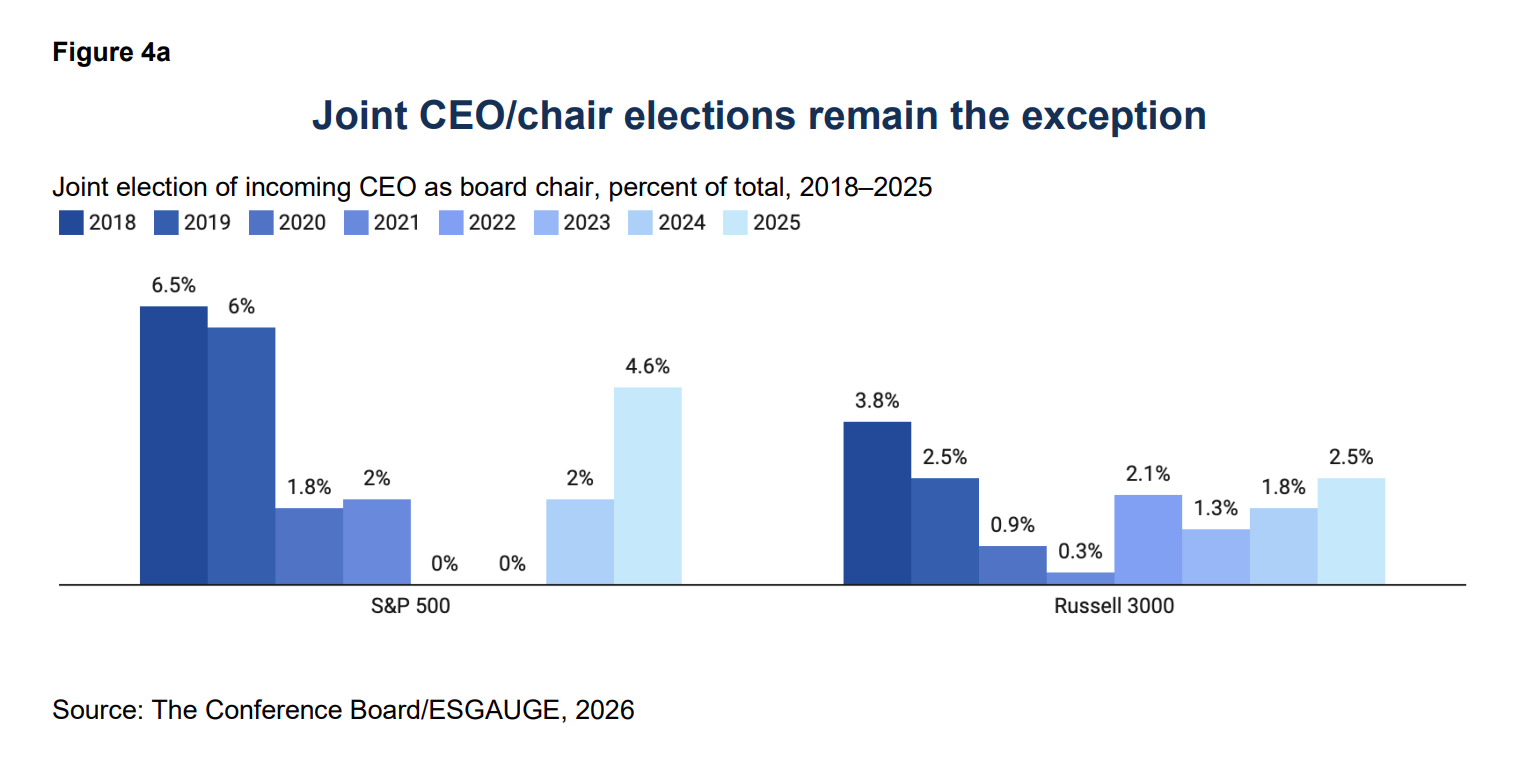
Across both the S&P 500 and Russell 3000, the joint election of an incoming CEO as Board Chair remains an exception, accounting for approximately 3% of S&P 500 CEO successions and 2% of Russell 3000 CEO successions between 2018 and 2025. In the S&P 500, the joint-election rate experienced fluctuations, falling from 7% in 2018 to 0% in 2022 and 2023, before rising to 5% in 2025. The Russell 3000 exhibited a similar pattern, dropping from 4% in 2018 to 0% in 2021, then increasing to 3% in 2025.
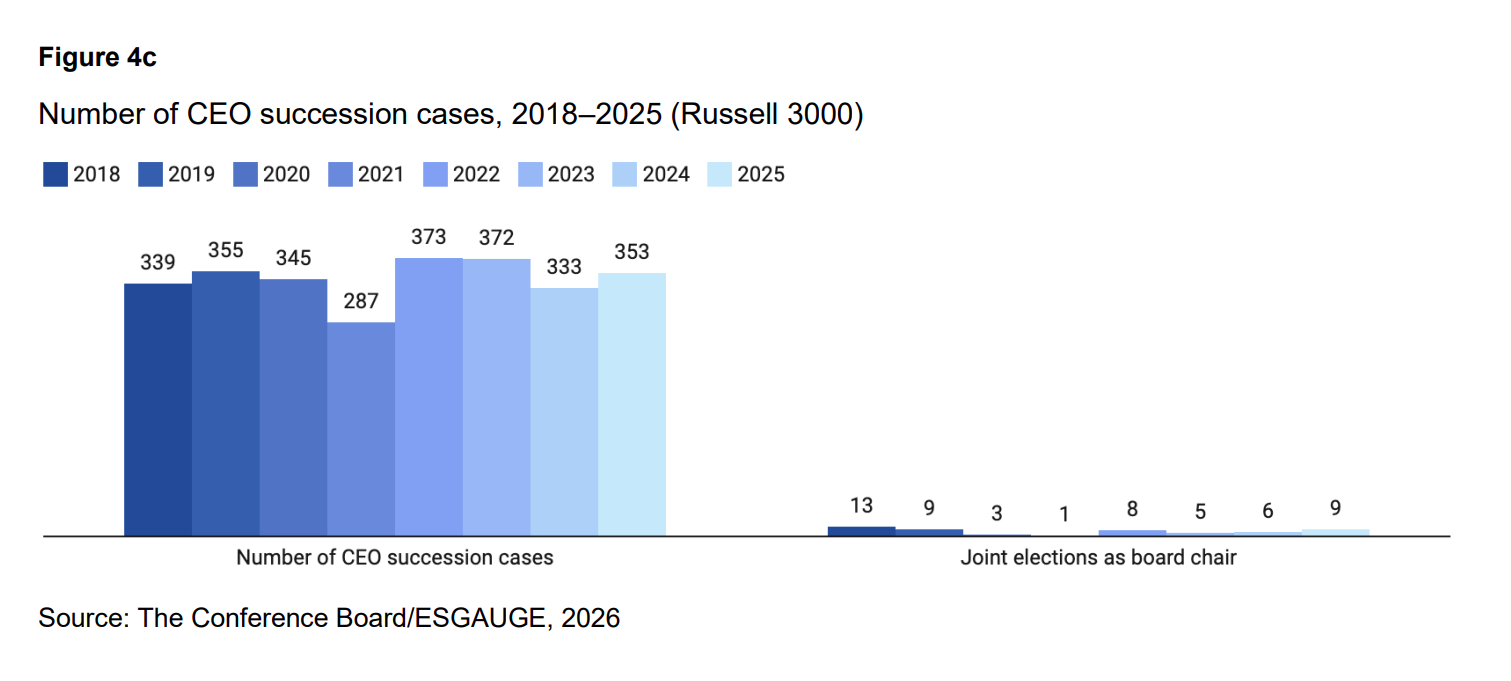
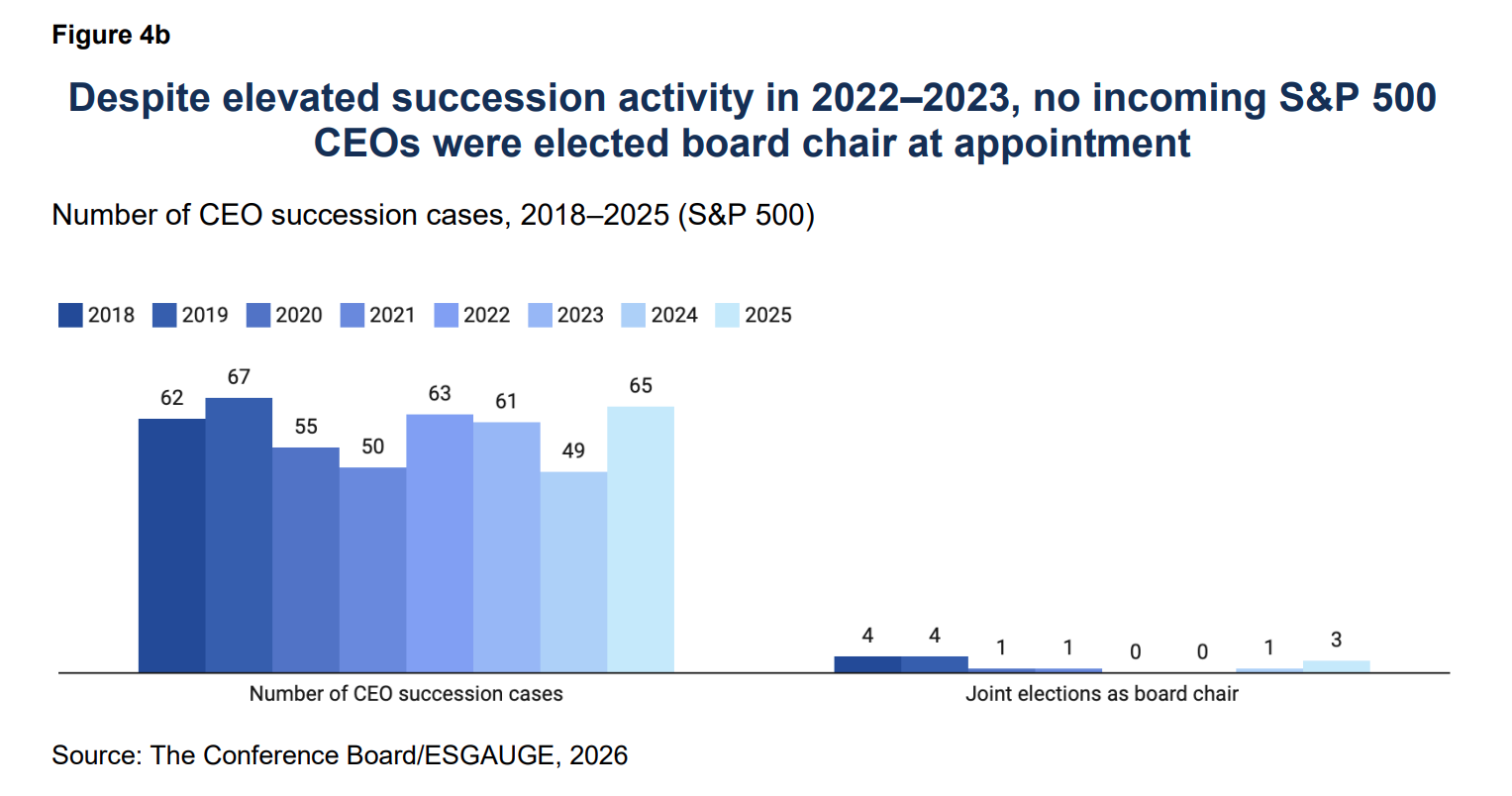
In absolute terms, these joint elections are limited relative to the overall number of CEO succession events. In 2025, S&P 500 companies reported 65 CEO succession cases with three joint elections, while Russell 3000 companies reported 353 CEO succession cases with nine joint elections. These figures underscore that CEO transitions present a practical opportunity for boards to clarify how board leadership responsibilities will be managed during the transition. Boards may also revisit leadership structures outside of CEO transitions, such as assigning or separating the Chair role after a CEO has been in place, based on company-specific circumstances and oversight considerations.
Policy Approaches: Favoring Board Discretion
Companies’ corporate governance policy disclosures continue to favor board discretion, largely avoiding prescriptive statements on the CEO/Chair structure. Among those that disclosed in 2025, a significant majority—79% of S&P 500 companies and 71% of Russell 3000 companies—indicated policies that provide boards with the flexibility to separate or combine the roles based on prevailing circumstances.
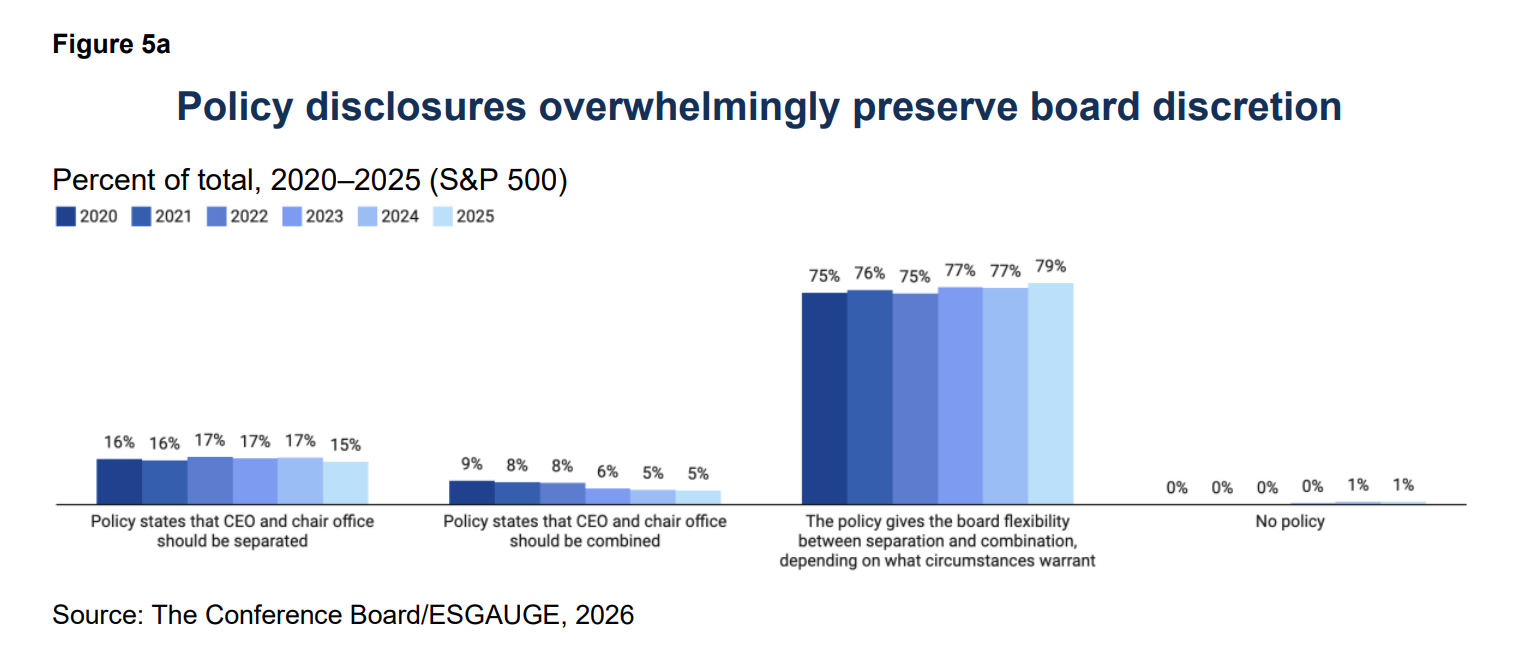
Explicit policies mandating that the CEO and Chair roles "should be combined" were relatively uncommon, representing only 5% of S&P 500 and 8% of Russell 3000 companies that disclosed in 2025. Similarly, policies stipulating that the roles "should be separated" constituted a minority (15% and 19%, respectively). This reinforces the notion that many boards prefer to retain discretion while clearly articulating the considerations that inform their leadership structure decisions.
In practice, the prevalence of flexibility policies places a greater emphasis on the quality of disclosure. Where policies underscore board discretion, companies can enhance clarity by describing the specific factors the board weighs when deciding whether to separate or combine the CEO and Chair roles.
Rationales for CEO/Chair Separation and Combination
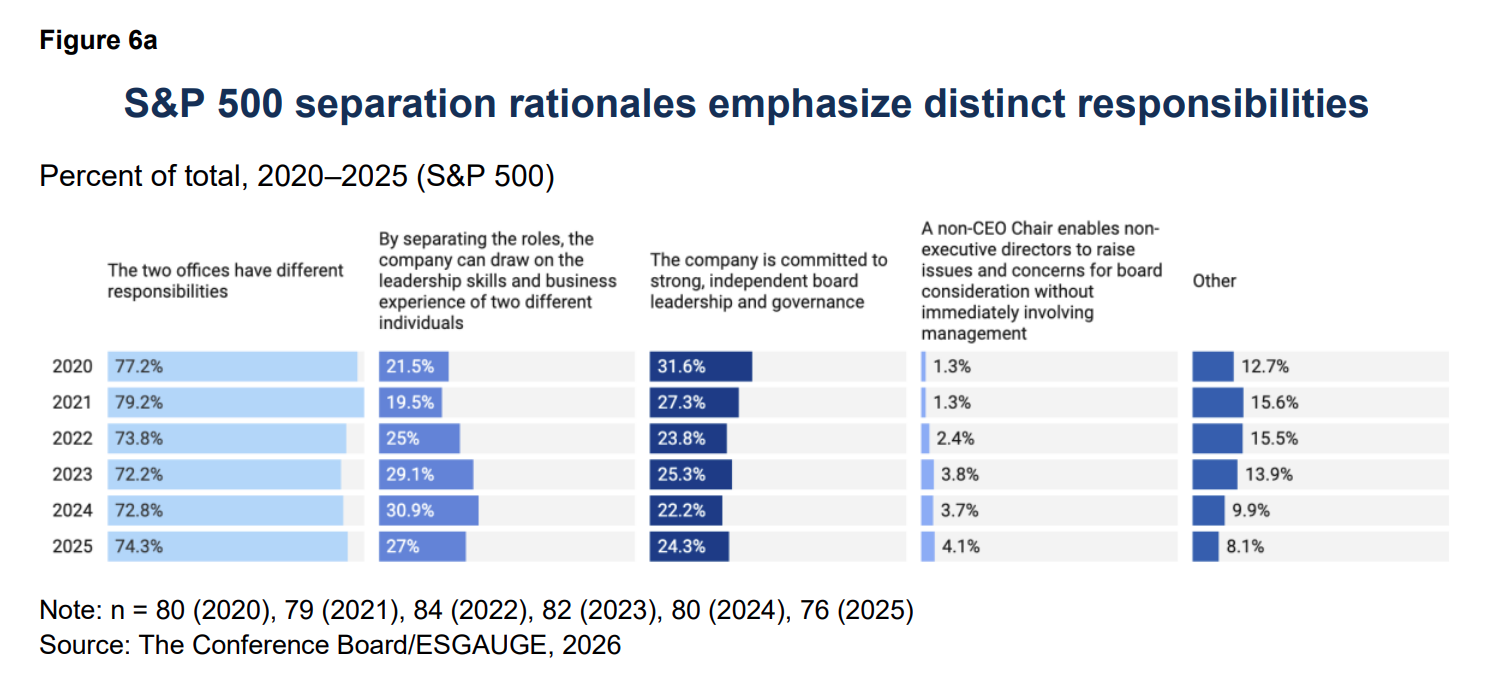
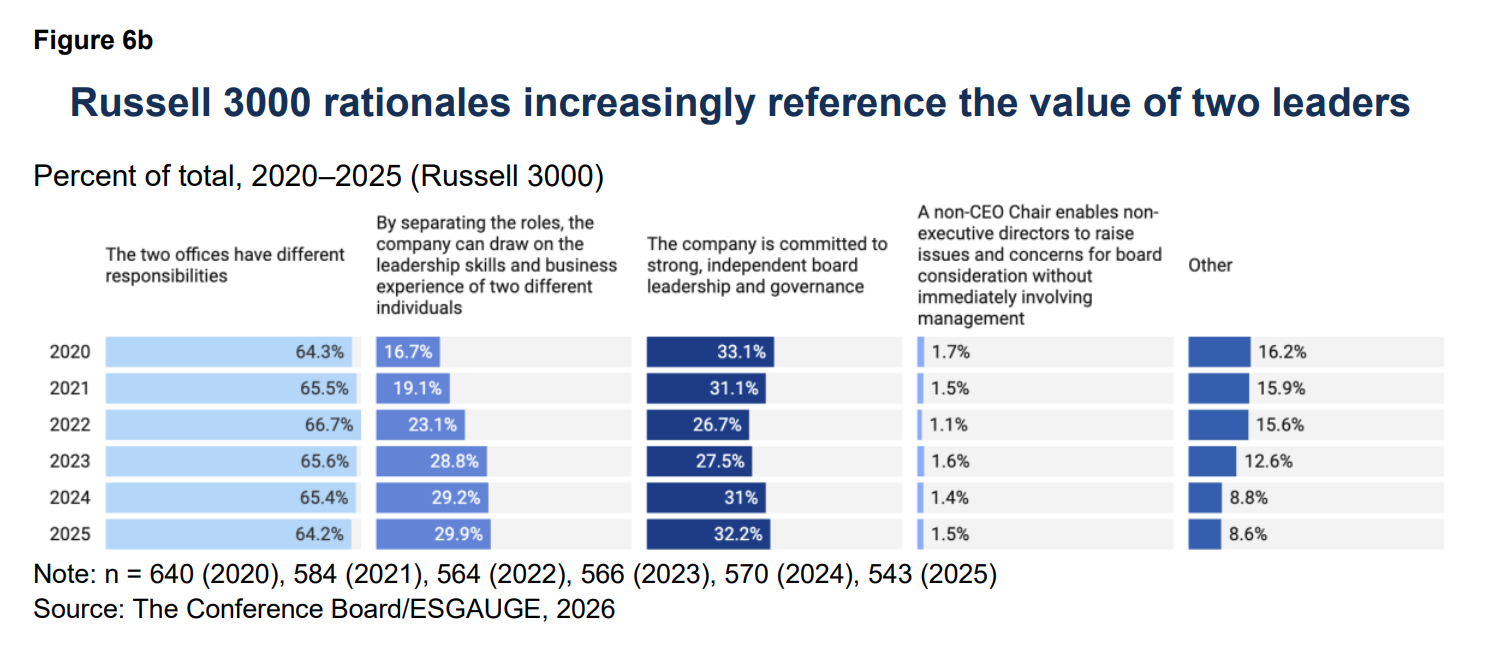
For companies that disclose the rationale for separating the CEO and Chair roles, the most frequently cited reason remains that the two positions entail distinct responsibilities. In 2025, this rationale was invoked by 74% of S&P 500 companies and 64% of Russell 3000 companies. Disclosures highlighting the benefit of leveraging the distinct leadership skills and business experience of two individuals have become more common than earlier in the decade. In 2025, this rationale was cited by 27% of S&P 500 companies and 30% of Russell 3000 companies. Concurrently, references to "other" rationales have declined, suggesting an increasing standardization in how companies articulate the decision to separate these roles. Separation disclosures remain anchored in role clarity, while references to the value of having two distinct leaders have increased. For boards, disclosure is most effective when it translates these themes into concrete governance outcomes, such as the allocation of responsibilities between management and the board, and the organization of independent oversight.
When the CEO also serves as Chair, boards typically demonstrate independent leadership through a clearly defined lead (or presiding) independent director role. Disclosures commonly outline the responsibilities of the lead independent director, which may include presiding over executive sessions of independent directors, serving as a liaison between independent directors and the CEO/Chair, providing input on board agendas and meeting schedules, and being available for shareholder engagement when appropriate. These features help clarify how independent directors organize oversight and board leadership within a combined CEO/Chair structure.
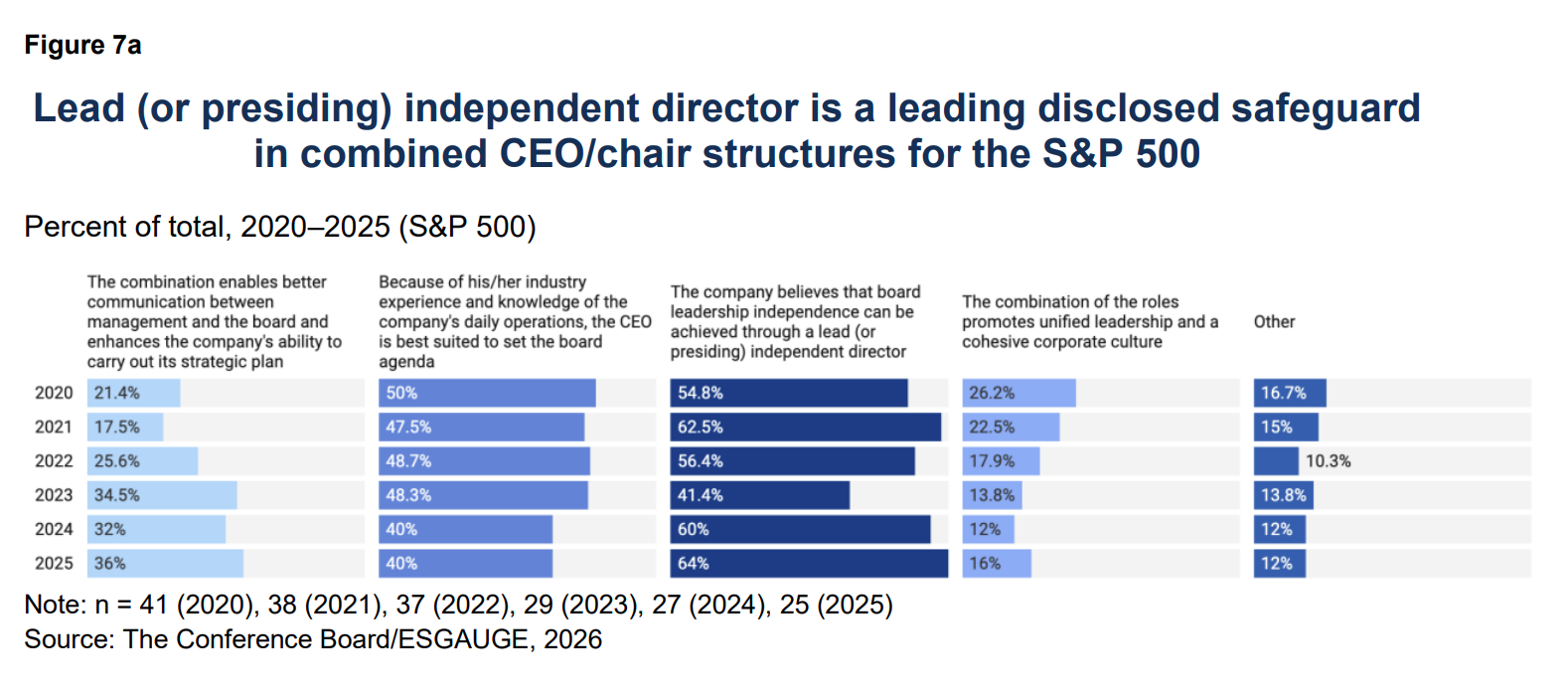
Among companies that combine these roles and provide a rationale, disclosures frequently reference both leadership continuity and governance safeguards. In the S&P 500, citing a lead (or presiding) independent director as a mechanism to support board leadership independence was prevalent (64% in 2025), alongside industry experience and operational knowledge (40%), and references to improved communication between management and the board (36%).
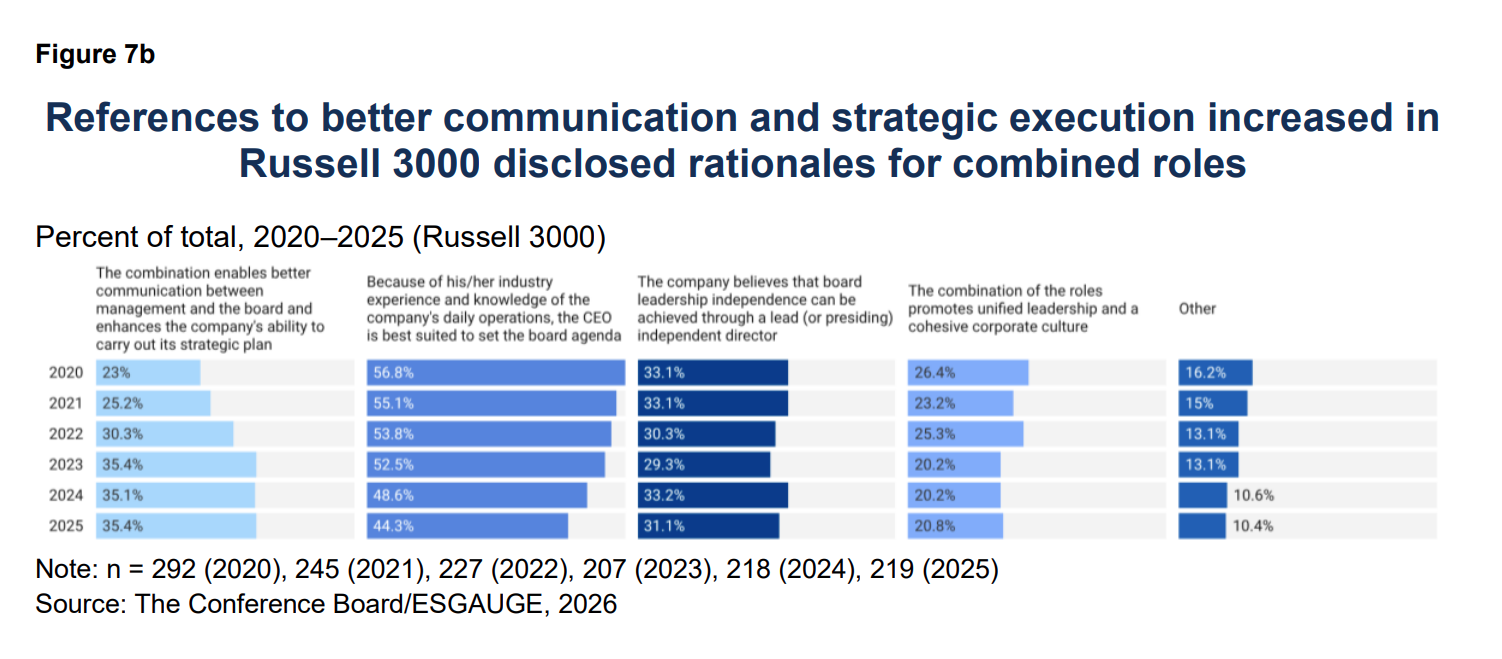
In the Russell 3000, the most common rationale remained that the CEO is best positioned to set the board agenda due to their industry knowledge and understanding of company operations (44% in 2025), although this rationale has declined since 2020 (57%). Concurrently, references to improved communication and an enhanced ability to execute strategy increased from 23% in 2020 to over 35% in 2025. This pattern may signify a shift in how companies articulate the value of a combined structure, placing relatively more emphasis on board-management alignment and strategic execution than solely on CEO expertise. For boards, this shift underscores the importance of aligning stated rationales with actual governance design, including how agendas are set, how independent oversight is exercised, and how the lead (or presiding) independent director role is defined when the CEO and Chair roles are combined.
Investor and Proxy Advisor Perspectives: A Focus on Independent Leadership
Shareholder proposals requesting the separation of Chair and CEO roles saw a significant surge in 2023, followed by a decline in 2024 and 2025. The overall volume of shareholder proposals across all topics also decreased from 2024 to 2025, which may have contributed to lower filing levels. In contrast, average shareholder support remained relatively steady, generally hovering in the low 30% range year over year. Despite the volume of filings, few proposals achieved majority support during the period—two in 2020 and one in 2021.
Proposal filings are concentrated in a few sectors, with Financials (55 in the Russell 3000 from 2020 to 2025) and Health Care (52) accounting for the largest share of CEO/Chair separation proposals. These are followed by Industrials, Consumer Staples, and Consumer Discretionary. Other sectors, including Energy and Materials, appear less frequently. This sector mix indicates that proponents have primarily focused on industries with a substantial population of widely held companies where board leadership structure may be a recurring governance issue.
Proponent activity is also concentrated among repeat filers, with many submissions following a small set of recurring resolution formats. Prominent filers like John Chevedden (105 proposals) and Kenneth Steiner (101 proposals) account for a substantial share of these submissions, with average support generally aligning with overall levels. Less frequent filers exhibit greater variability in support, reinforcing that voting outcomes are influenced by company-specific circumstances and the framing of the request—for example, an "independent chair when possible" policy versus more prescriptive separation language.
Independent Chair proposals can garner significant attention even though they rarely achieve majority support. Boards can mitigate ambiguity by directly addressing CEO/Chair structure in their proxy narratives, including the board’s rationale and the specific independent leadership features in place, such as an independent Chair or a clearly defined lead independent director.
Published voting policies from major institutional investors and proxy advisory firms generally emphasize independent board leadership. This typically manifests through an independent Chair or, when the CEO also serves as Chair, a clearly empowered lead independent director. These entities generally avoid a uniform preference that all companies must separate the roles, indicating a nuanced approach to governance.
Conclusion: A Dynamic and Contextual Governance Decision
Boards generally perceive the CEO/Chair structure as a governance decision that can evolve over time and is frequently revisited during leadership transitions and other inflection points. Whether the roles are combined or separated, boards are expected to demonstrate effective independent oversight and provide clear disclosure of their rationale for the chosen leadership structure.
The CEO/Chair structure remains an area where expectations are shaped by governance or sector context rather than a single market standard. Looking ahead, boards can enhance confidence in their approach by reassessing their leadership models as circumstances evolve. This includes utilizing the board’s regular performance evaluation processes and considering changes during CEO transitions. Clear definition of independent leadership authorities, whether through an independent Chair or a lead independent director, is paramount. Furthermore, ensuring that proxy disclosures clearly articulate how the chosen structure supports board oversight, decision-making, and accountability is crucial for stakeholder confidence. The ongoing evolution of these structures reflects a commitment to robust corporate governance that adapts to the dynamic business environment.
