

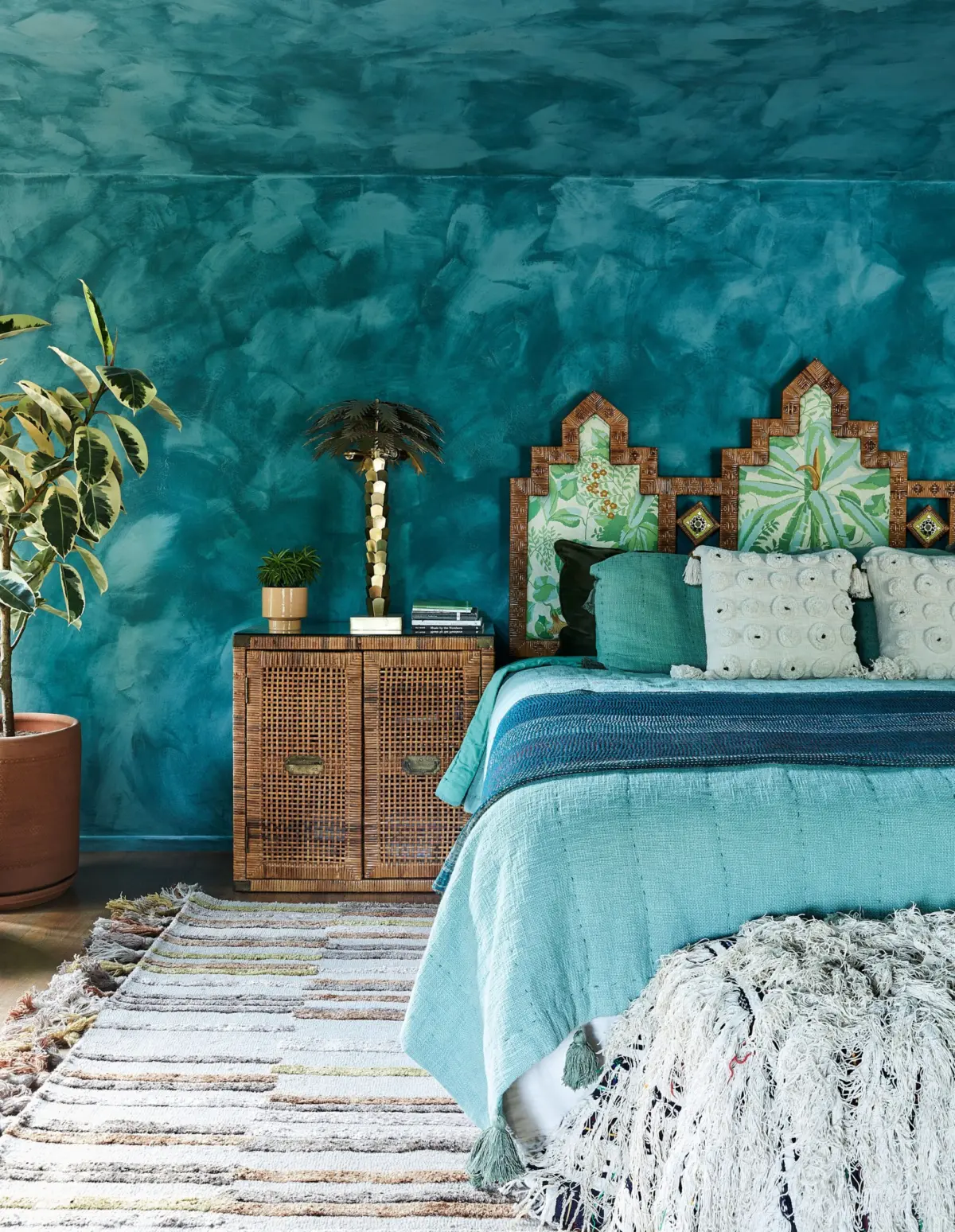
The global textile industry is currently witnessing a significant paradigm shift as consumers increasingly prioritize sustainability, thermal regulation, and hypoallergenic properties in their domestic environments. For decades, silk and high-thread-count Egyptian cotton were the undisputed benchmarks of luxury bedding. However, a new contender—bamboo-derived fabric—has disrupted this hierarchy, offering the smooth, lustrous finish of silk without the prohibitive price point or the delicate maintenance requirements. This transition is not merely a matter of aesthetic preference but is rooted in a sophisticated intersection of material science, environmental consciousness, and the burgeoning "sleep economy," which is projected to reach a global valuation of over $585 billion by 2024.
The Science and Sustainability of Bamboo Textiles
To understand the rise of bamboo sheets, one must examine the technical processes that transform a rigid woody grass into a buttery-soft fabric. Most bamboo bedding on the market falls into three categories: bamboo viscose, rayon, and lyocell. Bamboo viscose and rayon are produced through a chemical process that breaks down the plant’s cellulose, while lyocell represents the cutting edge of sustainable textile production. The lyocell process typically utilizes a "closed-loop" system, where 99% of the water and solvents used are recycled, significantly reducing the environmental footprint compared to traditional cotton manufacturing.
Data suggests that bamboo is one of the most resource-efficient crops on the planet. Unlike cotton, which requires approximately 2,700 liters of water to produce a single t-shirt, bamboo thrives on natural rainfall and requires no pesticides or fertilizers due to its inherent antimicrobial properties. Furthermore, bamboo releases 35% more oxygen into the atmosphere than an equivalent stand of hardwood trees, making it a critical tool in carbon sequestration efforts. For the modern consumer, these ecological benefits are coupled with high-performance features: bamboo fibers are naturally moisture-wicking and temperature-regulating, possessing microscopic gaps that allow for superior ventilation compared to synthetic polyester or heavy cotton weaves.
A Chronology of the Bamboo Bedding Movement
The trajectory of bamboo textiles from a niche "eco-friendly" alternative to a mainstream luxury staple has unfolded over the last two decades.
- 2000–2010: The Emergence of Eco-Textiles. Bamboo began appearing in the garment industry, primarily in activewear and socks, valued for its ability to neutralize odors. However, early iterations of bamboo bedding were often criticized for lack of durability.
- 2011–2018: The Oprah Effect and Market Validation. The brand Cozy Earth gained significant traction after being featured on "Oprah’s Favorite Things" list. This endorsement served as a pivotal moment for the industry, signaling to the luxury market that bamboo was a viable competitor to high-end cotton.
- 2019–Present: The Direct-to-Consumer (DTC) Revolution. Brands like Quince and Luxome utilized DTC business models to strip away traditional retail markups. This era saw the introduction of specialized weaves, such as bamboo sateen and twill, allowing for different textures ranging from crisp to silky. The COVID-19 pandemic further accelerated this growth as "nesting" trends led consumers to invest heavily in home comfort and sleep hygiene.
Comparative Market Analysis: Top Industry Performers
The current market is defined by several key players, each catering to specific consumer segments through distinct manufacturing and design philosophies.
The Gold Standard: Cozy Earth
Cozy Earth has maintained its position as the industry leader by focusing on a specialized weave that balances breathability with longevity. Industry analysts note that their success is attributed to a rigorous supply chain that manages everything from fiber harvesting to weaving. Their sheets are particularly noted for "deep pockets," a design response to the increasing popularity of oversized mattresses and thick pillow-top protectors. While priced at a premium—typically around $300 for a queen set—the brand’s focus on pill-resistance and temperature regulation has secured a loyal following among "hot sleepers" who previously struggled with the heat-trapping nature of traditional linens.
The Democratization of Luxury: Quince
Quince has disrupted the market by offering high-quality bamboo viscose sets for under $150. By eliminating middlemen and high-cost marketing campaigns, Quince has made sustainable bedding accessible to a younger demographic. Their strategy emphasizes aesthetic variety, offering earth tones and vibrant hues like terracotta, which align with contemporary interior design trends such as "desert chic" or "minimalist organic."
Aesthetic Innovation: Luxome and Bearaby
While performance is the primary driver for bamboo adoption, brands like Luxome have leaned into the visual appeal of the material. By utilizing a sateen weave, Luxome produces sheets with a chrome-like finish and a dramatic drape that mimics the look of heavy silk. Conversely, Bearaby has introduced "smart botanicals" into their "Second Skin" line. By infusing fabric with peppermint and marine protein extracts, they have created a textile that claims to eliminate 99.9% of bacteria, appealing to the wellness-conscious consumer who views bedding as an extension of their skincare and health routine.
Performance Data and Consumer Feedback
In real-world testing environments, bamboo sheets consistently outperform traditional materials in three critical areas:
- Thermal Regulation: Laboratory tests indicate that bamboo viscose can keep sleepers significantly cooler than cotton by wicking moisture away from the body 50% faster. This makes it the preferred choice for individuals residing in humid or high-temperature climates.
- Hypoallergenic Integrity: Because bamboo fibers are naturally smooth and long, they do not have the microscopic "hooks" found in some lower-quality cotton or wool fibers. This reduces skin irritation, making bamboo a recommended material for patients with eczema or sensitive skin.
- Durability and Maintenance: Unlike silk, which often requires dry cleaning or hand-washing, modern bamboo sheets are designed for machine durability. However, experts recommend washing on cold cycles and avoiding high heat in dryers to prevent the breakdown of the natural cellulose fibers.
Official Responses and Industry Standards
As the market expands, regulatory bodies and environmental organizations have stepped in to ensure transparency. The OEKO-TEX Standard 100 certification has become the "seal of approval" for bamboo bedding, guaranteeing that the final product is free from harmful chemicals and safe for human use.
Industry experts from platforms such as "Shop AD" emphasize that "real-world testing" is essential for these products. Unlike lab tests, home testing accounts for the impact of body oils, skincare products, and repeated laundering. "We don’t test in a lab; we test in homes because that is where the product lives," states a lead editor from Architectural Digest’s shopping division. This sentiment reflects a broader industry trend where peer reviews and editorial testing carry more weight with consumers than traditional advertising.
Broader Impact and Future Implications
The shift toward bamboo bedding carries significant implications for the global textile economy. As demand for bamboo increases, there is a potential for a reduction in the global reliance on water-intensive cotton farming. However, this growth also necessitates a closer look at the "viscose process." While the raw material is sustainable, the chemical conversion process must be managed responsibly to prevent water pollution.
Looking forward, the industry is likely to see further integration of "smart textiles"—fabrics that can actively monitor sleep quality or provide enhanced antimicrobial protection through natural infusions. The success of bamboo sheets serves as a blueprint for how other sustainable materials, such as hemp or eucalyptus (Tencel), might eventually achieve mainstream dominance.
In conclusion, the rise of bamboo sheets represents a convergence of luxury and utility. For the consumer, it offers a solution to the age-old problem of night sweats and skin sensitivity. For the environment, it provides a renewable alternative to resource-heavy traditional crops. As brands continue to refine the manufacturing process and lower price points through DTC models, bamboo is well-positioned to move from a luxury alternative to the primary standard for modern bedding. The evolution of the bedroom from a simple place of rest to a curated "sanctuary" is, in many ways, being written in the soft, sustainable fibers of the bamboo plant.
