

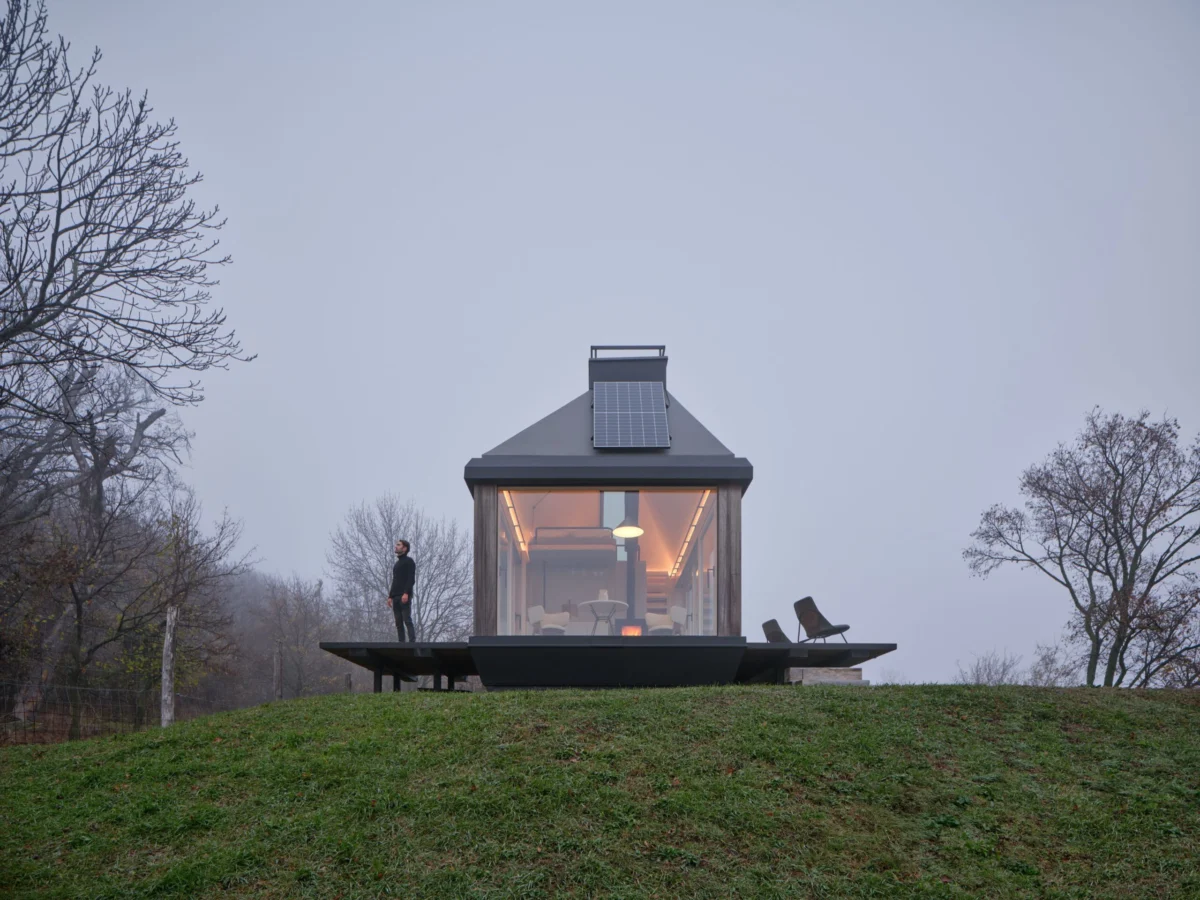
The landscape of residential construction is undergoing a fundamental shift as prefabricated housing transitions from a niche alternative to a primary solution for the dual crises of housing affordability and environmental degradation. Long associated with the standardized "kit homes" of the early 20th-century Sears Catalog, modern prefabrication—often referred to as "prefab"—has evolved into a sophisticated discipline. Today, it leverages cutting-edge architectural design, advanced robotics, and sustainable materials to create living spaces that are not only cost-effective but also aesthetically diverse and ecologically responsible.
According to Avi Friedman, a professor of architecture at McGill University and a prominent voice in the field, the transition to factory-based construction is a matter of precision and resource management. Building a home within a controlled factory environment allows fabricators to maintain rigorous oversight of the end product, significantly reducing the margins for error that often plague traditional site-built projects. Friedman notes that the efficiency gained in these environments translates directly to the job site, where the reduction in construction time can lead to substantial cost savings for both developers and homeowners.
The Bifurcation of Modern Prefabrication: Modular vs. Flat-Pack
As the industry expands, two primary methodologies have emerged, each offering distinct advantages for different geographical and economic contexts. Daniel Lopez-Perez, cofounder of Polyhaus, categorizes the world of prefab into modular units and flat-pack kits.
Modular construction involves the assembly of entire rooms or sections of a home within a factory. These modules are then transported to the building site via heavy-duty trucks and craned into position. While this method offers the highest level of factory completion—often including internal plumbing, electrical wiring, and cabinetry—it is geographically constrained by the logistics of transportation. The dimensions of the modules are strictly limited by what can safely fit on the bed of a truck and pass under highway overpasses.
In contrast, flat-pack construction involves the factory fabrication of individual components—walls, floor panels, and roof trusses—which are then packed flat and shipped to the site. This method allows for greater flexibility in design and significantly lower shipping costs, as a single container can hold the components for an entire house. Flat-pack homes typically utilize local labor for the final assembly, which can stimulate local economies while still benefiting from the precision of factory-cut materials.
A Chronological Overview of Prefabricated Architecture
The history of prefabrication is a testament to human ingenuity in the face of rapid urbanization and resource scarcity. Understanding this timeline is essential to appreciating the current technological leap the industry is experiencing.
- The 1830s – The Manning Portable Cottage: One of the earliest recorded examples of prefab, these wooden cottages were designed by London carpenter John Manning for British emigrants to Australia, allowing for quick assembly in the new colonies.
- 1908–1940 – The Sears Roebuck Era: The Sears "Honor Bilt" homes revolutionized the American housing market. Over 70,000 kits were sold via mail-order catalogs, providing families with all the materials needed to build a modern home, including plumbing and electrical fixtures.
- Post-WWII (1945–1960): The end of World War II created an unprecedented demand for housing for returning veterans. This era saw the rise of the Lustron Home—all-steel prefabricated houses—and the development of Levittown, which, while site-built, utilized "assembly line" techniques that would later inform modern modular construction.
- The 1960s and 70s – Experimental Modernism: Architects like Moshe Safdie (Habitat 67) explored the potential of modular concrete units to solve urban density issues, though high costs initially limited widespread adoption.
- The 21st Century – The Digital Revolution: The integration of Building Information Modeling (BIM), 3D printing, and CNC (Computer Numerical Control) milling has allowed for the "mass customization" of prefab homes, breaking the "cookie-cutter" stigma of the past.
Supporting Data: Efficiency and Environmental Impact
The shift toward prefabrication is backed by compelling data regarding its efficiency and environmental footprint. Traditional construction is notoriously wasteful; according to various industry reports, construction and demolition debris account for approximately 25% to 30% of all municipal solid waste in the United States.
In a factory setting, however, material waste is reduced by up to 90%. Because the environment is controlled, scraps of lumber, metal, and drywall can be easily sorted and recycled or repurposed for the next unit. Furthermore, factory construction eliminates the risk of weather-related damage to materials, which is a major source of waste and delay in traditional building.
Energy efficiency is another area where prefab excels. Because factory-built components are cut with laser precision, the building envelope—the barrier between the interior and exterior—is much tighter than in site-built homes. This reduces air leakage, a leading cause of energy loss. Data suggests that modern prefab homes can achieve energy savings of 20% to 50% compared to traditional builds, often meeting or exceeding "Passive House" standards.
In terms of timeline, prefab projects are typically completed 30% to 50% faster than traditional projects. While the site is being prepared (foundation and utilities), the house is simultaneously being built in the factory. This parallel processing drastically shortens the interval between investment and occupancy.
Industry and Government Responses
The potential for prefab to address the housing crisis has caught the attention of policymakers and private investors alike. In high-cost housing markets like California, Oregon, and Washington, state governments have streamlined regulations for Accessory Dwelling Units (ADUs), often referred to as "granny flats." Many of these new ADUs are prefabricated, providing a rapid infusion of density into suburban neighborhoods without the disruption of long-term construction projects.
However, challenges remain. Professor Friedman emphasizes that for prefabrication to reach its full potential, there must be a significant increase in investment for dedicated fabrication plants. Unlike traditional construction, which requires relatively little upfront capital for equipment, prefab requires sophisticated facilities and machinery.
Financial institutions have also had to adapt. Historically, securing a mortgage for a prefab home was difficult because traditional loans were structured around "progress payments" for site milestones. Modern lenders are increasingly creating specialized products that account for the unique cash-flow needs of factory-built housing.
Analysis of Implications: The Future of Urban Living
The broader implications of the prefab movement extend beyond individual homes. Prefabrication is becoming a cornerstone of "circular economy" principles in the built environment. As urban populations continue to grow, the ability to rapidly deploy high-quality, sustainable housing will be a critical factor in social stability.
The "unique and customizable" nature of modern prefab, as noted by industry experts, is also dismantling the psychological barriers that once hindered the market. No longer seen as a "cheap" alternative, prefab is increasingly viewed as a "premium" choice for those who value architectural integrity and environmental stewardship. The rise of high-profile "demonstration projects"—such as modular high-rises in Brooklyn and London—proves that the technology is scalable from tiny homes to massive multi-family complexes.
Furthermore, the labor implications are significant. The construction industry is currently facing a global shortage of skilled tradespeople. By moving the construction process into a factory, companies can offer more stable, safer, and more attractive working conditions, potentially drawing a new generation of workers into the building trades.
Conclusion: A Paradigm Shift in Construction
The transition toward prefabricated housing represents a necessary evolution of the construction industry. By combining the historical lessons of the Sears Catalog era with the technological capabilities of the 21st century, prefab offers a viable path toward a more sustainable and equitable housing market.
As investment in fabrication infrastructure grows and public perception continues to shift, the "factory-built" label is poised to become a mark of quality and efficiency. In an era defined by climate change and housing shortages, the ability to build smarter, faster, and greener is no longer just an architectural curiosity—it is a societal imperative. The homes of the future are being built today, not just on-site, but on the assembly lines of innovation.
