

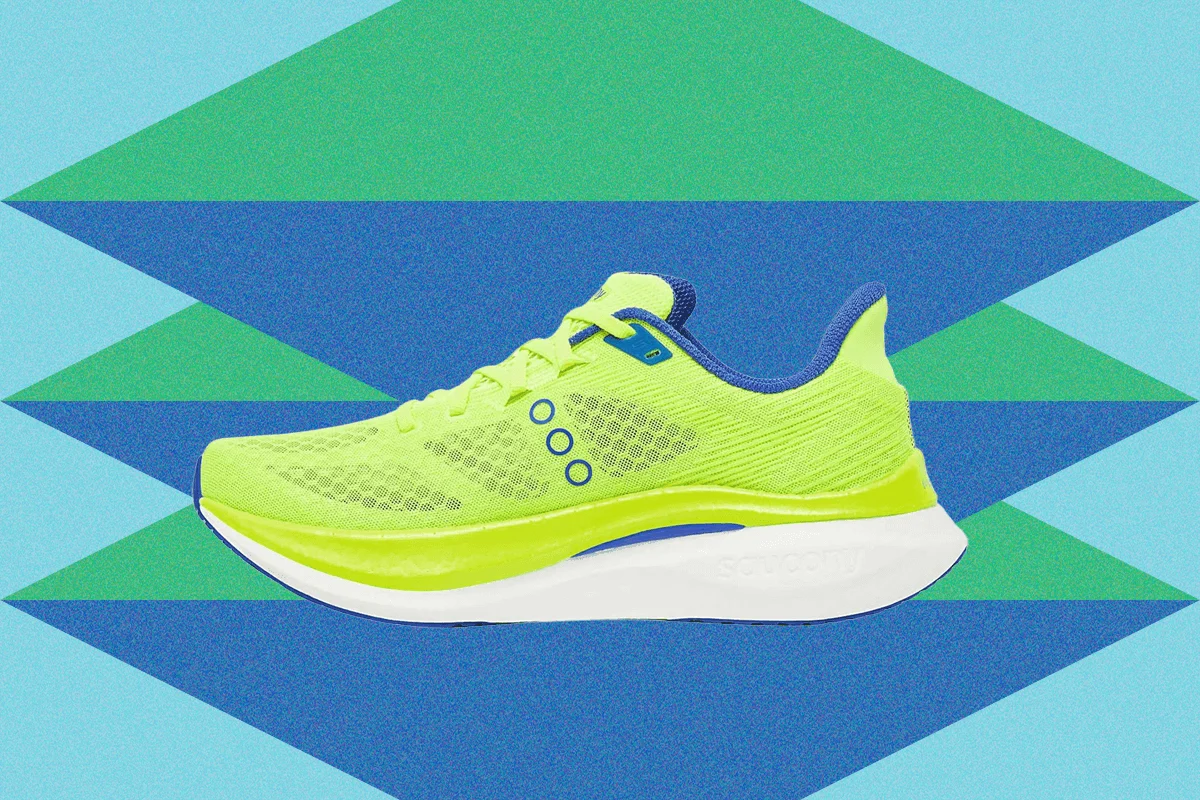
The global athletic footwear market, currently valued at approximately $130 billion, is undergoing a profound transformation driven by rapid advancements in polymer chemistry and a diversifying consumer base that demands versatility beyond the traditional marathon track. As the industry moves into 2025, the distinction between "daily trainers," "super shoes," and "hybrid gym-runners" has blurred, leading to a marketplace where specialized technology is now accessible to the casual jogger and the elite athlete alike. This shift is exemplified by a new cohort of footwear that prioritizes biomechanical stability, energy return, and long-term durability, challenging established norms of how running shoes are designed, marketed, and utilized across hundreds of miles of diverse terrain.
The Vanguard of Stability and Comfort: Daily Performance Leaders
The foundation of the current market remains the daily trainer, a category that has seen significant refinement in the past 24 months. Leading this segment is the Diadora Nucleo 2, a shoe that eschews the industry’s recent obsession with hyper-responsive "super foams" in favor of consistent, inherent stability. Priced at $165, the Nucleo 2 represents the Italian brand’s commitment to "no-nonsense" engineering. Unlike its competitors that utilize carbon plates to force a specific gait, the Nucleo 2 relies on a balanced midsole geometry that provides a reliable platform for runners across a wide range of paces. Industry analysts suggest that Diadora’s focus on straightforward comfort addresses a growing segment of the market—estimated at 35% of recreational runners—who prioritize injury prevention and joint health over pure speed metrics.
In contrast, the New Balance Fresh Foam X 1080 v15, retailing at $170, represents the pinnacle of maximalist cushioning. New Balance has utilized its proprietary Fresh Foam X compound to create a ride that is both plush and energetically efficient. This model has become a benchmark for the "cradle-to-grave" shoe, designed to support the foot through the entire gait cycle. Similarly, the HOKA Clifton 9, priced at $164, remains a dominant force for those entering the sport. Despite HOKA’s reputation for outsized aesthetics, the Clifton 9 is noted for its surprising lightness and balanced rocker geometry, making it an ideal entry point for beginners who require a forgiving interface with the pavement.
The Rise of the Hybrid: Bridging the Gap Between Gym and Pavement
A significant trend identified in the 2024-2025 fiscal period is the rise of the "hybrid" athlete—individuals who combine high-intensity interval training (HIIT) and strength conditioning with traditional road running. The Rad R1, entering the market at $130, is a primary example of this cross-functional evolution. Engineered to handle the lateral stresses of box jumps and lunges while maintaining the longitudinal flexibility required for treadmill or short road miles, the R1 represents a departure from the "running-only" philosophy.
Market data suggests that younger demographics, particularly Gen Z and Millennials, are 40% more likely to engage in multi-disciplinary workouts than previous generations. This has forced manufacturers to reconsider outsole durability and midfoot support. The Rad R1 utilizes a denser foam architecture that provides a stable base for heavy lifting—essential for under-the-bar safety—without sacrificing the shock absorption needed for a three-mile run. This dual-purpose capability is becoming a key competitive advantage for smaller, agile brands looking to disrupt the dominance of industry giants.
Speed for the Masses: Versatility and Technical Innovation
For runners seeking higher velocity without the $250+ price tag of elite racing flats, the New Balance Rebel V5 ($145) and the Adidas EVO SL ($105) have emerged as frontrunners. The Rebel V5 utilizes the FuelCell foam technology originally developed for world-record attempts, but re-engineered for daily durability. It offers a "pop" that facilitates tempo runs and interval training, bridging the gap between a standard trainer and a racing shoe.
The Adidas EVO SL serves as a strategic response to the Saucony Endorphin series, offering a stripped-back, lightweight experience that emphasizes ground feel and rapid turnover. At its $105 price point, the EVO SL is part of a broader industry movement to democratize high-performance materials. By utilizing simplified upper constructions and high-rebound foams, brands are able to offer "speed" experiences to a broader demographic, reflecting a 12% increase in the "performance-value" segment of the footwear market over the last year.

Historical Chronology of Running Shoe Technology
To understand the current state of the market, it is essential to trace the technological milestones that led to the 2025 lineup:
- 1970s – 1990s: The EVA Era. Ethylene-vinyl acetate (EVA) became the industry standard for midsoles, providing the first real "cushioning" revolution.
- 2010 – 2013: The Minimalist and Maximalist Divergence. The publication of "Born to Run" led to a brief barefoot running craze (Vibram FiveFingers), which was quickly countered by the birth of HOKA One One and the maximalist movement.
- 2017: The Carbon Plate Revolution. The launch of the Nike Vaporfly 4% introduced Pebax-based super foams and carbon fiber plates, permanently altering marathon finishing times.
- 2021 – 2023: The Foam Wars. Every major brand (Saucony, New Balance, ASICS, Adidas) developed proprietary super foams (PEBA, Nitrogen-infused EVA), leading to the current "super trainer" category.
- 2024 – Present: The Sustainability and Durability Pivot. Manufacturers are now focusing on bio-based materials and extending the "performance life" of shoes beyond the traditional 300-mile limit.
Data Analysis: The Science of Shoe Longevity
One of the most persistent debates in the running community is the lifespan of performance footwear. While the traditional "300 to 500 miles" rule of thumb persists, modern data suggests a more nuanced reality. According to recent studies conducted by independent biomechanical labs, the durability of a shoe is now a function of three distinct factors:
- Foam Compression Set: Traditional EVA foams lose approximately 25% of their shock absorption capacity after 200 miles. However, newer PEBA-based foams, like those found in the New Balance Rebel V5, maintain their energy return properties for significantly longer, though they may show more visible "creasing."
- Outsole Abrasion: The use of "blown rubber" vs. "carbon rubber" impacts grip. Budget-conscious models like the Saucony Ride 17 ($110) often utilize harder rubber compounds on high-wear areas to extend the life of the shoe for high-volume runners.
- Runner Biomechanics: Data indicates that runners with a high cadence and midfoot strike pattern experience 15% less foam degradation than heavy heel-strikers, regardless of the shoe brand.
Industry Responses and Expert Perspectives
The shift toward specialized honorable mentions like the Saucony Hurricane 25 ($135) and the Brooks Glycerin 23 GTS ($180) highlights a renewed focus on "Support Technology." Michael Calore, a veteran tech commentator and distance runner, notes that the Brooks Glycerin line has become a staple for those requiring "GuideRails" technology—a system that acts like bowling alley bumpers to keep the foot in its natural motion path.
Industry representatives from Saucony have stated that the development of the Hurricane 25 was a direct response to consumer feedback regarding the "bottoming out" of soft foams. By integrating structured support with high-stack heights, brands are attempting to solve the paradox of providing a soft ride that does not collapse under the weight of a long-distance stride.
Furthermore, Decathlon’s Kiprun Kipride Max ($160) represents the entry of "big-box" sports retailers into the premium performance space. "The goal was to provide a plush, bouncy ride that rivals the traditional powerhouses at a competitive price point," a Decathlon product lead mentioned in a recent trade showcase. This indicates a tightening of the market where brand loyalty is increasingly being traded for documented performance metrics.
Implications for the Future of Footwear
The diversification of the running shoe market has significant implications for both consumers and the environment. As shoes become more specialized, the "single-shoe" wardrobe is becoming obsolete for serious enthusiasts, leading to the "shoe rotation" trend. This has bolstered the secondary market and increased the demand for sustainable manufacturing processes.
From an economic perspective, the rise of "budget performance" models like the Saucony Ride 17 and Adidas EVO SL suggests that brands are wary of pricing out the middle-class runner. While $200+ price tags are common for elite racing shoes, the "Honorable Mention" category—shoes that perform exceptionally well but may lack a carbon plate—is where the majority of market volume now resides.
In conclusion, the state of running footwear in 2025 is defined by an unprecedented level of choice. Whether an athlete is seeking the stable, traditional feel of the Diadora Nucleo 2, the hybrid versatility of the Rad R1, or the accessible speed of the New Balance Rebel V5, the current technological landscape ensures that there is a specific tool for every mechanical need. As foam technology continues to evolve, the focus will likely shift from "how much cushion" to "how much return," ensuring that the hundreds of miles pounded by runners each year are more efficient, more comfortable, and more sustainable than ever before.
