

While the majority of mainstream media coverage regarding the transition to sustainable energy focuses on personal transportation—ranging from high-end electric cars and rugged pickup trucks to urban e-bikes—a quieter but more impactful revolution is taking place within the world’s public transit systems. The focus on personal electric vehicles (EVs) is driven largely by consumer interest and market visibility; however, the electrification of fleet vehicles, particularly municipal buses, represents one of the most significant levers available to policymakers for reducing carbon emissions and improving urban public health. Unlike personal vehicles, which remain stationary for the majority of the day, fleet vehicles operate for extended hours, often in high-density urban corridors, meaning their replacement of internal combustion engines with electric drivetrains yields a disproportionately high environmental and social return on investment.
The transition from diesel-powered transit to electric alternatives is no longer a localized experiment but a global trend with significant momentum in South America, Europe, and Asia. Data from E-Bus Radar, a specialized tracking platform for transit electrification, indicates that Latin America and the Caribbean have now surpassed 9,900 electric buses in operation. This figure includes both battery-electric vehicles (BEVs) and trolleybuses, signaling a massive shift in how the region’s mega-cities manage mobility. This shift is not merely an environmental choice but a strategic economic and public health decision that is reshaping the geopolitical landscape of energy consumption.
The Scale of the Global Shift: Regional Leaders and Benchmarks
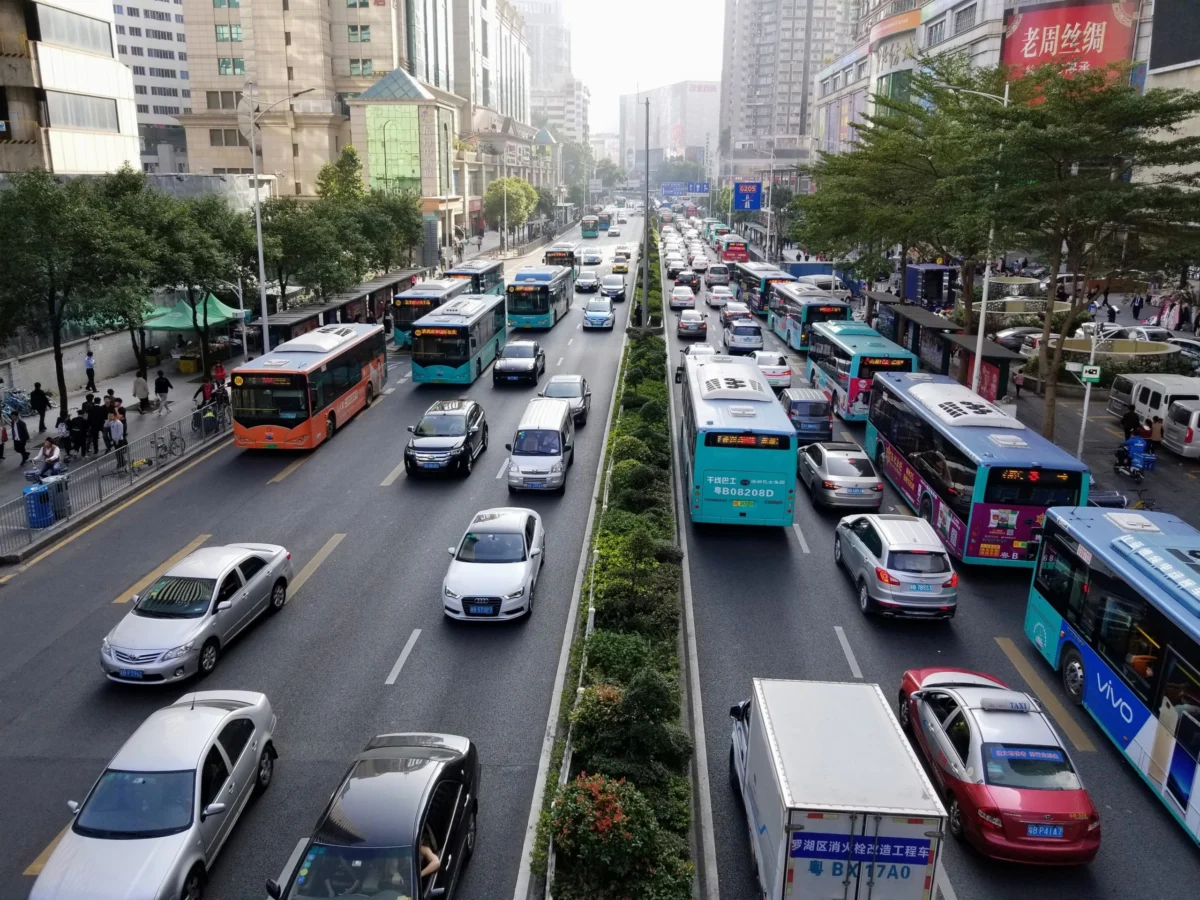
The electrification of bus fleets is not distributed evenly across the globe, with distinct regions emerging as leaders due to aggressive policy frameworks and domestic manufacturing advantages. Shenzhen, China, remains the undisputed global benchmark for transit transformation. In 2017, Shenzhen became the first city in the world to fully electrify its entire fleet of over 16,000 buses. This feat was achieved through a combination of heavy government subsidies, a robust domestic supply chain, and the rapid deployment of high-speed charging infrastructure.
Following the Chinese model, Latin America has emerged as a secondary hub for e-bus adoption. Santiago, Chile, currently leads the region, with reports suggesting the city has integrated over 4,000 electric buses into its "Red Metropolitana de Movilidad" system. This aggressive rollout is part of Chile’s broader goal to achieve carbon neutrality by 2050. Other cities, such as Bogotá, Colombia, and Mexico City, have followed suit, leveraging "green" financing and public-private partnerships to replace aging diesel fleets.
In Europe, the transition is driven by the European Green Deal and stringent air quality regulations. Copenhagen, Denmark, has set a high bar, achieving nearly 100 percent electrification of its municipal bus fleet. The city’s transition highlights the feasibility of electric transit even in colder climates, where battery efficiency was previously a point of concern for skeptics. Meanwhile, in the United States, the transition has been slower, largely due to a historical emphasis on personal car ownership and the complexities of federal and state funding cycles. However, the 2021 Infrastructure Investment and Jobs Act has funneled billions of dollars into the "Clean School Bus Program" and low-emission transit grants, signaling a shift in North American priorities.
The Manufacturing Landscape: Chinese Dominance and Market Entry
The manufacturing of electric buses is currently dominated by Chinese firms, which benefited from early state-led investments in battery technology and electric drivetrains. Companies such as BYD (Build Your Dreams), Foton, Yutong Bus, and Zhongtong Bus have established themselves as the primary suppliers for global markets. Their ability to produce high-capacity vehicles at scale has made them the preferred partners for cities in Latin America and Southeast Asia.
BYD, in particular, has utilized its vertically integrated business model—producing its own batteries and semiconductors—to undercut Western competitors on price and delivery timelines. However, the market is beginning to diversify. European manufacturers like Volvo, Scania, and Solaris are expanding their electric portfolios to meet domestic demand, while in the United States, companies like Proterra (whose assets were recently acquired) and Blue Bird are focusing on the massive school bus market. The dominance of Chinese manufacturers has raised questions regarding trade policy and domestic manufacturing incentives in the West, as nations grapple with the desire for rapid decarbonization versus the need to protect local industrial bases.
The Environmental and Public Health Imperative
The primary driver for the abandonment of diesel technology is the severe impact of internal combustion engines on human health and the global climate. Diesel engines are notorious for emitting nitrogen oxides (NOx) and particulate matter (PM2.5), which are linked to a litany of respiratory and cardiovascular diseases. In densely populated urban areas, "diesel death zones"—corridors where bus traffic is highest—often see elevated rates of asthma, lung cancer, and premature mortality.
Beyond the immediate health risks, the transportation sector is a primary contributor to global CO2 emissions. Fossil fuels are not only environmentally destructive when burned but are also prone to catastrophic spills during extraction and transport, contaminating land and aquatic ecosystems. By transitioning to electric buses, cities can decouple their mobility needs from the volatile fossil fuel industry. Electric buses produce zero tailpipe emissions, and when paired with a decarbonized electrical grid, they offer a path to truly net-zero public transportation.
Economic Advantages and Energy Security
While the upfront cost of an electric bus is typically higher than its diesel counterpart, the total cost of ownership (TCO) often favors electrification. Electricity is generally cheaper and more price-stable than diesel or gasoline, which are subject to the whims of global oil markets and geopolitical instability. Maintenance costs for electric buses are also significantly lower; with fewer moving parts—no internal combustion engine, no transmission, and no complex exhaust treatment systems—electric fleets require less frequent servicing and have longer operational lifespans for certain components.
Furthermore, the electrification of transit enhances national energy security. Many nations are net importers of petroleum, spending billions of dollars annually to fuel their transportation sectors. By shifting to electric transit, these countries can utilize domestically produced electricity generated from renewable sources such as solar, wind, hydropower, and geothermal energy. This transition reduces trade deficits and insulates the local economy from external shocks in the energy market.
Technological Synergy: Virtual Power Plants and Grid Stability
One of the most innovative aspects of electric bus fleets is their potential to serve as mobile energy storage units. Electric buses are equipped with massive battery packs, often exceeding 300 to 500 kWh. When these vehicles are parked and connected to the grid—typically overnight or during mid-day lulls—they can participate in "Vehicle-to-Grid" (V2G) programs.
In this framework, bus fleets act as a "Virtual Power Plant" (VPP). During periods of peak demand or grid instability, the utility can draw stored power back from the bus batteries to balance the load. Conversely, the buses can be charged when renewable energy production is at its peak (such as midday for solar), effectively storing "green" energy that would otherwise be curtailed. This synergy between the transit department and the utility company creates a new revenue stream for cities and helps stabilize the grid as it integrates more intermittent renewable energy.
Challenges and the Path Forward
Despite the clear benefits, the path to 100 percent electrification is not without hurdles. The primary challenge remains the development of charging infrastructure. Outfitting a bus depot with the necessary high-voltage chargers requires significant capital investment and coordination with local utilities to ensure the grid can handle the increased load. Additionally, the mining of materials for batteries—such as lithium, cobalt, and nickel—presents its own set of environmental and ethical challenges that the industry must address through improved recycling programs and more transparent supply chains.
However, the trajectory is clear. The growth from small-scale pilots of 10 to 20 buses to city-wide deployments of thousands of vehicles demonstrates that the technology has matured. As battery densities improve and costs continue to fall, the economic argument for diesel will vanish entirely.
The vision for a sustainable future relies on a holistic approach to electrification. While personal EVs will play a role, the heavy lifting of urban decarbonization will be performed by the fleets of electric buses moving millions of people daily. Through a combination of renewable energy, advanced storage technology, and international cooperation, the transition from toxic diesel fumes to clean, quiet, and efficient electric transit is becoming a global reality. Eventually, the sight and smell of a diesel bus may become a relic of the past, replaced by a modern transit infrastructure that prioritizes both the planet and the people who inhabit it.
