

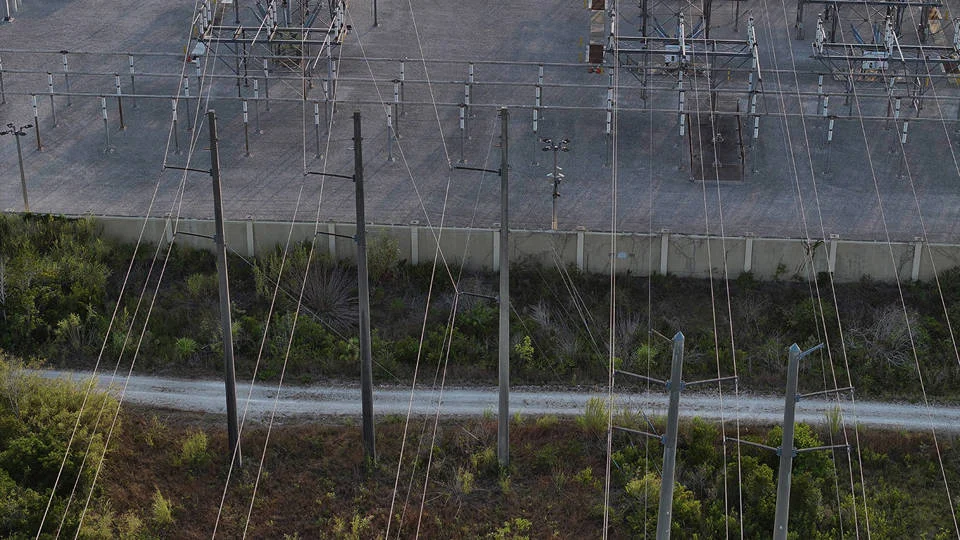
A century ago, the US power industry was dominated by sprawling, heavily indebted holding companies until their collapse forced the federal government to break them up. Now, the pattern is repeating, with mega-mergers and buyouts advancing a debt-heavy business model at the expense of households and communities.
WASHINGTON, DC – The seismic shifts driven by the artificial intelligence (AI) revolution have unexpectedly placed the nation’s power sector, a critical yet often overlooked infrastructure, under an intense political spotlight. Globally, governments are grappling with the voracious energy demands of burgeoning data centers. This surge in consumption has ignited widespread concern among consumers and lawmakers alike, prompting urgent questions about whether this demand can, or should, be met without precipitating significant increases in electricity bills. In the United States, however, a more insidious trend is simultaneously gaining momentum, one that threatens to inflate power rates and erode corporate accountability: utilities are consolidating at an unprecedented pace, attracting the keen interest of Wall Street investors.
This current wave of consolidation is not an isolated phenomenon but rather a disturbing echo of a tumultuous period in American economic history. The early 20th century witnessed the rise of complex, often opaque utility holding companies. These entities, frequently burdened by immense debt, grew by acquiring multiple operating utilities. Their business model relied heavily on leveraging debt to expand their portfolios, creating vast empires that were difficult to manage and even harder to finance. This precarious structure ultimately proved unsustainable. A series of financial crises and regulatory interventions, most notably the Public Utility Holding Company Act of 1935 (PUHCA), dismantled these behemoths, forcing them to divest their assets and operate more transparently and locally. PUHCA aimed to protect consumers from the predatory practices and financial instability inherent in the holding company model by promoting smaller, more manageable, and publicly regulated operating utilities.
The AI Imperative and Escalating Energy Demand
The burgeoning AI industry, with its insatiable appetite for computational power, is a primary driver of the current energy demand surge. Data centers, the physical infrastructure underpinning AI development and deployment, require vast amounts of electricity to power servers, cooling systems, and networking equipment. According to some industry estimates, the energy consumption of AI alone could rival that of entire countries within the next decade. For instance, a report by the International Energy Agency (IEA) in late 2023 highlighted that the energy demand from data centers, cryptocurrencies, and AI could increase global electricity demand by 5-10% by 2026.
This escalating demand poses a significant challenge for existing power grids, many of which were designed for a different era and are already under strain from the transition to renewable energy sources and the electrification of other sectors like transportation. The immediate consequence is a heightened need for new generation capacity and grid upgrades. However, the question of how this capacity is developed and who bears the cost is becoming increasingly contentious.
A Resurgence of Debt-Heavy Business Models
The current trend of utility consolidation is being fueled by a confluence of factors, including low interest rates (historically, though this is shifting), a search for stable, regulated returns by investors, and the perceived need for scale to meet the growing energy demands. Private equity firms and large investment funds are actively acquiring utility assets, often through significant debt financing. This mirrors the leverage-heavy strategies of the holding companies of the past.
These mergers and acquisitions (M&A) can lead to larger, more geographically dispersed utility companies. While proponents argue that scale can lead to efficiencies, improved reliability, and better access to capital for necessary infrastructure investments, critics point to the inherent risks associated with increased debt loads and the potential for reduced local accountability. When utilities are burdened by substantial debt, a larger portion of their revenue is diverted to debt servicing, leaving less for essential investments in grid modernization, renewable energy integration, or customer affordability programs.
Historical Parallels and Emerging Concerns
The parallels between the current situation and the era preceding the PUHCA are striking. In the 1920s and early 1930s, utility holding companies engaged in aggressive expansion, often at the expense of sound financial management and consumer interests. They created intricate webs of subsidiaries, obscuring ownership and financial performance, making it difficult for regulators and the public to assess their true financial health. When the Great Depression hit, many of these highly leveraged companies collapsed, leading to significant investor losses and widespread disruption to energy services.
The lessons learned from that era led to the stringent regulations imposed by PUHCA. However, the rise of the Financial Stability Oversight Council (FSOC) and the subsequent rollback of some Dodd-Frank Act provisions, coupled with the deregulation of certain utility segments, has created an environment where similar debt-financed consolidation strategies can re-emerge.
Data Points: The Scale of Consolidation
While specific figures on current utility M&A are dynamic, the trend is undeniable. Over the past decade, there have been several multi-billion dollar utility mergers and acquisitions. For example, the proposed merger between Duke Energy and Piedmont Natural Gas in 2015, while not a direct utility-to-utility merger in the traditional sense, represented a significant consolidation of energy infrastructure and services. More recently, the increasing interest from private equity in acquiring utility distribution networks and renewable energy portfolios signals a shift in ownership and financial structuring.
Industry analysts have noted a steady increase in M&A activity within the utility sector, driven by a desire for economies of scale and diversification. However, a recent analysis by a leading financial research firm indicated that several of the larger, recently consolidated utilities are carrying debt levels that, while not yet at the historical extremes of the 1920s, are approaching levels that warrant closer scrutiny, especially in a rising interest rate environment. The average debt-to-equity ratio for publicly traded utilities has seen a gradual increase, a trend that is amplified in private equity-backed deals where leverage is a core component of the acquisition strategy.
Official Responses and Regulatory Scrutiny
Regulators at both the federal and state levels are beginning to express concerns. The Federal Energy Regulatory Commission (FERC) and state Public Utility Commissions (PUCs) are tasked with overseeing utility rates, service quality, and financial health. While they have historically approved mergers that demonstrate clear public benefits, the current trend is prompting increased scrutiny.
Sources within FERC have indicated a growing awareness of the potential risks associated with the increasing financial leverage in the sector. They are reportedly examining the financial health and operational capacity of newly formed entities to ensure they can meet their service obligations and invest in grid modernization, particularly in light of the challenges posed by climate change and the transition to cleaner energy.
State PUCs, which have direct oversight over most retail electricity rates, are facing pressure from consumer advocates to more rigorously assess the impact of mergers on affordability. Consumer groups are raising alarms that higher debt loads will inevitably translate into higher electricity bills for households and businesses, disproportionately affecting low-income communities.
Broader Impact and Implications
The long-term implications of this debt-heavy consolidation are multifaceted and potentially significant:
- Consumer Costs: Increased debt servicing obligations can lead to higher electricity rates. As utilities seek to recover their borrowing costs, these expenses are often passed on to consumers through rate increases, impacting household budgets and business operating costs.
- Investment Priorities: A greater focus on debt repayment might divert capital away from critical investments in grid modernization, renewable energy infrastructure, and innovative technologies that could enhance reliability and sustainability.
- Corporate Accountability: The complexity of larger, often privately held or heavily leveraged entities can make it more challenging for regulators and the public to hold them accountable for service failures or environmental impacts.
- Grid Resilience: While proponents argue scale enhances resilience, critics worry that overly centralized and heavily indebted entities might be less agile in responding to localized disruptions or investing in decentralized solutions that could bolster overall grid strength.
- Energy Transition: The pace and direction of the clean energy transition could be affected. Utilities burdened by debt may be more hesitant to undertake the significant capital investments required for large-scale renewable energy projects or grid upgrades necessary to integrate intermittent sources.
The AI boom, while a catalyst for innovation, is also highlighting vulnerabilities within the US power sector. The current wave of consolidation, driven by financial strategies that bear a striking resemblance to those that led to collapse a century ago, warrants careful observation and robust regulatory oversight. The nation’s energy future, and the affordability and reliability of electricity for millions, hinges on ensuring that the pursuit of scale and profit does not undermine the fundamental principles of sound utility management and public service. The history of the US power industry offers a stark warning: unchecked debt-fueled expansion can have profound and lasting negative consequences.
