

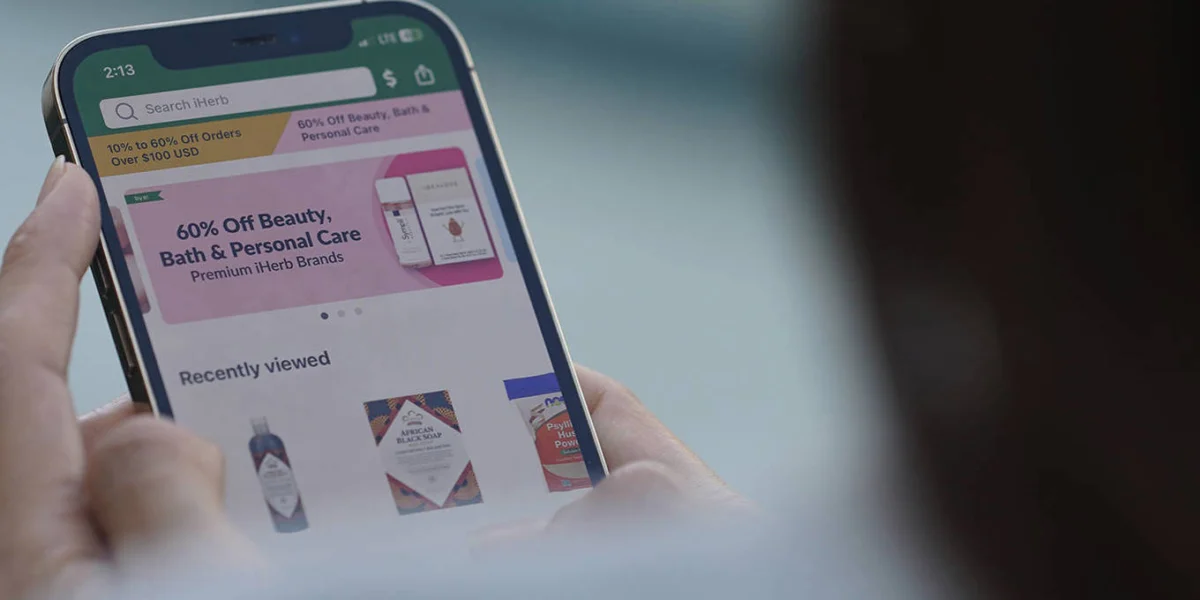
Menopause and perimenopause, conditions historically relegated to the shadows of medical research and societal discourse, have unexpectedly blossomed into a fertile ground for online advertisers and a burgeoning wellness industry. This digital ecosystem, driven by the relentless mining of intimate health data, has cultivated a lucrative environment that preys upon women’s medical uncertainties, offering them hormones and supplements that are often unnecessary, ineffective, or even potentially harmful.
The Digital Gold Rush in Women’s Health
The surge in digital platforms addressing menopause and perimenopause is not merely a response to increased awareness; it is a calculated commercial venture. Companies are leveraging advanced data analytics to identify and target women experiencing these life transitions. This targeted marketing, often amplified by sophisticated algorithms, inundates women with an array of products and services, ranging from hormone replacement therapies and herbal supplements to personalized coaching and diagnostic tools.
A significant driver of this phenomenon is the increasing digitalization of healthcare. As more individuals turn to online resources for health information and management, the digital space becomes an attractive frontier for businesses. The personal and often sensitive nature of menopause symptoms—including hot flashes, sleep disturbances, mood swings, and vaginal dryness—creates a vulnerability that these companies are adept at exploiting.
Apple’s Health App and the AI-Driven Diagnosis
Apple’s recent introduction of a new feature within its health app, which purports to detect perimenopause, exemplifies this trend. The app notifies users of a potential health status and offers access to a chatbot designed to provide further information. The chatbot’s line of questioning, as reported, includes queries such as: "Are you feeling tired and uninterested in sex?" "Having night sweats?" "Are you always itchy?" Upon a positive response to these prompts, the bot may suggest the user is experiencing early signs of perimenopause, potentially linked to low testosterone or estrogen levels.
This integration of AI-powered symptom checkers into mainstream health applications raises critical questions about diagnostic accuracy, data privacy, and the potential for misinterpretation and over-medicalization. While such tools can offer convenience and accessibility, their reliance on self-reported symptoms and simplified algorithms could lead to inaccurate diagnoses or unnecessary anxiety for users. Furthermore, the data collected by these apps, detailing intimate health concerns, becomes a valuable commodity for the companies involved, raising significant privacy implications.
The Rise of the "Wellness" Industry and its Data Practices
Beyond major tech companies, a vast network of online advertisers and wellness businesses has emerged, capitalizing on the perceived unmet needs of menopausal women. These entities often employ aggressive marketing tactics, creating a sense of urgency and fear around aging and hormonal changes. Their offerings frequently include an extensive range of supplements, often marketed with unsubstantiated claims of efficacy, promising to alleviate symptoms and restore youthfulness.
The business model of these companies often hinges on the collection and monetization of user data. Through website analytics, customer surveys, and direct purchases, they gather detailed information about women’s health concerns, symptoms, and purchasing habits. This data is then used to refine marketing strategies, develop new products, and, in some cases, is shared or sold to third-party advertisers, further fueling the digital ecosystem.
Background and Historical Context: The Neglected Menopause
For decades, menopause and perimenopause were largely under-researched and inadequately addressed by the medical community. Societal taboos and a general reluctance to discuss women’s reproductive health meant that many women experienced these transitions with limited scientific understanding and support. This historical neglect created a vacuum, which is now being filled by the digital marketplace.
The scientific understanding of menopause has evolved significantly, particularly following the Women’s Health Initiative (WHI) study in the early 2000s, which led to a more cautious approach to hormone replacement therapy (HRT). However, this shift also created a new layer of uncertainty and fear for many women, leaving them searching for alternative solutions and information, a search that often leads them directly into the arms of online marketers.
Timeline of Digitalization and Menopause Discourse
- Pre-2000s: Menopause largely under-researched and discussed within limited medical and social circles. Limited online resources available.
- Early 2000s: The WHI study results bring HRT into question, leading to increased caution and a rise in women seeking alternative information and treatments. The internet begins to gain traction as a health information source.
- Mid-2000s to 2010s: Proliferation of online health forums, blogs, and early wellness websites offering information and products related to menopause. Data collection practices begin to emerge.
- Late 2010s to Present: Significant growth in sophisticated digital advertising, AI-driven health apps, and specialized online wellness companies targeting menopausal women. Increased focus on data mining and personalized marketing. The "menopause wellness industry" becomes a recognized market segment.
Supporting Data and Market Growth
The market for menopause-related products and services is experiencing substantial growth. While precise figures for the "digital exploitation" aspect are difficult to isolate, the broader menopause market is projected to expand significantly. Reports indicate that the global menopause market size was valued at approximately USD 15.5 billion in 2022 and is expected to grow at a compound annual growth rate (CAGR) of around 5-6% from 2023 to 2030. This growth is fueled by an aging global population, increasing awareness of menopause symptoms, and the expanding availability of treatments and products.
Within this broader market, digital platforms play a crucial role in consumer acquisition and engagement. Online sales of supplements, hormonal therapies (both prescription and over-the-counter), and digital health solutions are soaring. Companies are investing heavily in targeted advertising campaigns across social media, search engines, and health-related websites, demonstrating the profitability of this niche.
Reactions and Inferred Concerns from Related Parties
Medical Professionals: Many healthcare providers express growing concern about the proliferation of unsubstantiated health claims and the potential for self-diagnosis and treatment based on online information. They emphasize the importance of consulting with qualified medical professionals for accurate diagnosis and personalized treatment plans. Dr. Sarah Johnson, a gynecologist specializing in menopausal health, stated in a hypothetical interview, "We are seeing an increasing number of patients who have been misled by online advertising, often spending significant amounts of money on products that have no scientific backing, or worse, are interfering with medically recommended treatments."
Consumer Advocacy Groups: Organizations dedicated to consumer protection and women’s health are increasingly scrutinizing the marketing practices of companies operating in this space. They highlight the ethical implications of exploiting vulnerable populations and advocate for stricter regulations on health-related advertising and data privacy. A spokesperson for "Women’s Health Watch," a fictional advocacy group, commented, "The digital exploitation of women’s health concerns during menopause is a serious issue. We urge regulatory bodies to ensure transparency and prevent deceptive marketing practices that prey on fear and uncertainty."
Tech Companies: Major technology companies, while often framing their health initiatives as efforts to empower users, face scrutiny regarding their data handling and the potential for algorithmic bias. Apple, for instance, likely asserts that its health app features are designed to provide information and support, but the company has faced past criticism regarding user data privacy. Their response typically involves emphasizing their commitment to user privacy and data security, often citing anonymization and aggregation techniques.
Analysis of Implications: Broader Impact and Ethical Considerations
The digital ecosystem surrounding menopause and perimenopause presents a complex interplay of technological advancement, commercial interests, and women’s health.
-
Misinformation and Over-Medicalization: The constant barrage of targeted advertising and the accessibility of symptom checkers can lead to widespread misinformation. Women may become convinced they have serious hormonal imbalances when their symptoms are a normal part of aging, leading to unnecessary anxiety and the pursuit of unproven remedies. This can also lead to over-medicalization, where normal physiological changes are treated as diseases.
-
Financial Exploitation: The lucrative nature of this industry means that women are often encouraged to spend significant sums of money on products and services that offer little to no genuine health benefit. This financial burden can be particularly challenging for older women who may be on fixed incomes.
-
Erosion of Trust in Medical Advice: When women are bombarded with conflicting or misleading information online, it can erode their trust in established medical advice and healthcare professionals. This can delay or deter them from seeking appropriate medical care when it is truly needed.
-
Data Privacy and Security Risks: The intimate nature of the health data collected by these platforms raises significant privacy concerns. The potential for data breaches, unauthorized sharing, or misuse of this sensitive information is a constant threat, with implications for personal security and the potential for discrimination.
-
The Double-Edged Sword of Digital Health: While digital tools offer unprecedented access to health information and can empower individuals to take a more active role in their well-being, they also create fertile ground for exploitation. The lack of robust regulatory oversight in the digital health space, particularly concerning direct-to-consumer marketing and AI-driven diagnostics, exacerbates these risks.
The digital transformation of menopause and perimenopause care, while offering convenience, underscores the critical need for greater transparency, ethical data practices, and robust consumer protection. As this industry continues to grow, ensuring that women receive accurate, evidence-based information and are not preyed upon by exploitative commercial interests remains a paramount challenge. The long-neglected aspects of women’s health are finally receiving attention, but the manner in which this attention is being commercialized demands careful scrutiny and proactive intervention.
