

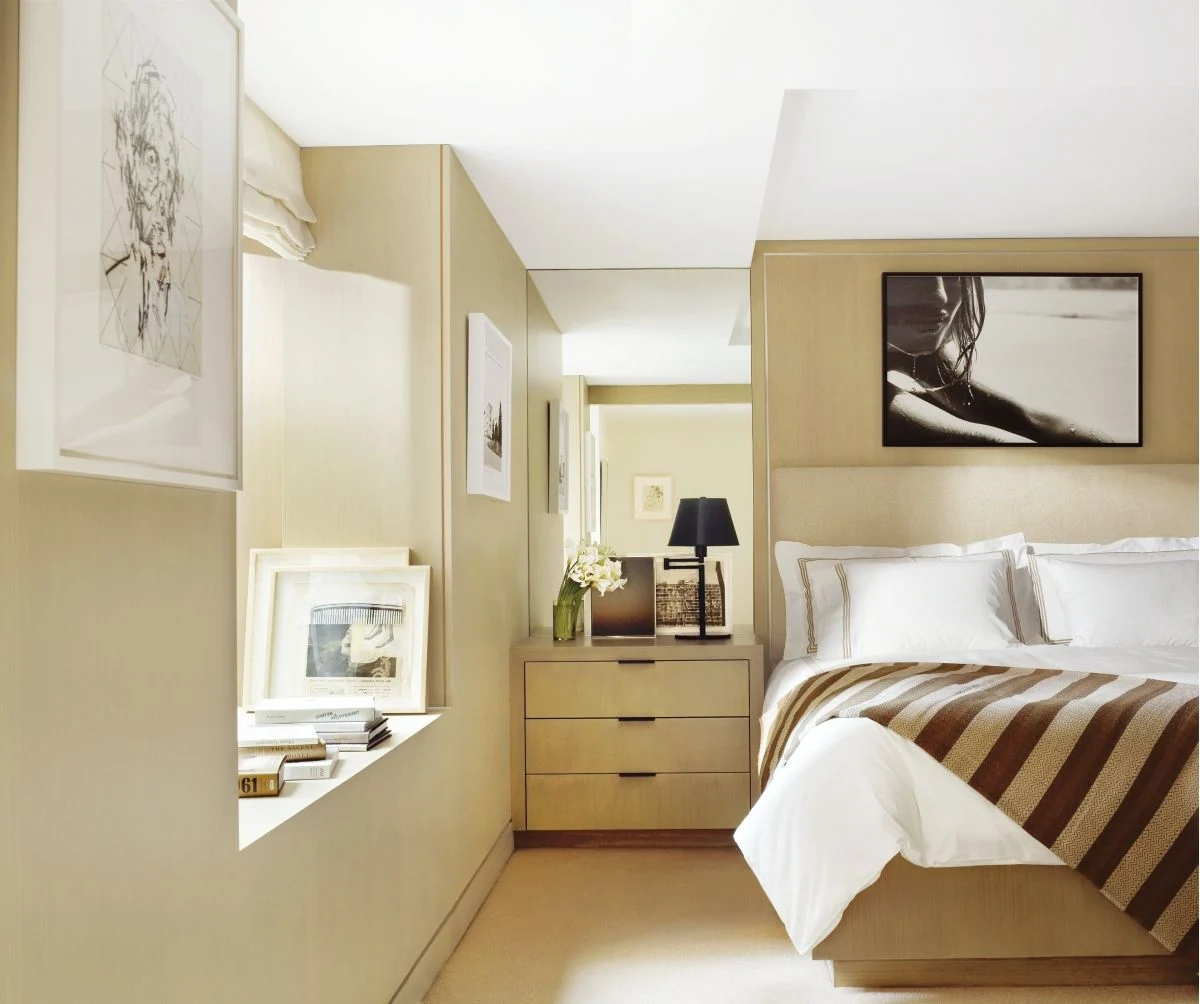
The search for the ideal bedroom dresser has evolved from a simple furniture acquisition into a deeply personal design journey, shaped by the dual requirements of spatial efficiency and aesthetic expression. As the primary storage vessel for a household’s most personal belongings, a dresser must balance the utilitarian demands of daily use with the visual gravity required to anchor a room’s decor. In the contemporary interior design landscape, this balance is dictated by a variety of factors, ranging from the architectural constraints of urban living to a growing consumer demand for sustainable, heirloom-quality materials. Industry experts note that the choice of a dresser often serves as the secondary foundation of a bedroom’s design, following only the bed frame in terms of visual and functional importance.
The Evolution of the Modern Dresser
Historically, the chest of drawers was a static, heavy piece of furniture designed for permanence. However, the 21st-century market has seen a shift toward modularity and specialized functionality. According to market research data, the global bedroom furniture market was valued at approximately $220.6 billion in 2023, with a significant portion of growth attributed to the "organizational" segment. Consumers are no longer looking for a one-size-fits-all solution; instead, they are seeking pieces that respond to specific lifestyle needs, such as the "tallboy" dresser for narrow city apartments or low-profile credenzas that can double as media consoles.
This shift is reflected in the diverse range of styles currently trending in the industry. From the warm, ornate detailing of vintage-inspired wood to the sleek, reflective surfaces of contemporary lacquer, the modern dresser is a testament to the blurring lines between traditional craftsmanship and industrial innovation. Designers like Paige Blodgett Scher and models like Adut Akech have recently highlighted how these pieces can transform a space, whether through the transportive nature of a vintage wood finish or the touchable textures of modern nursery furniture.
.png)
Evaluating Furniture Quality: The Selection Criteria
When selecting the top-performing dressers for 2024, industry editors and furniture testers prioritized several key metrics: material integrity, hardware reliability, ease of assembly, and shipping efficiency. The consensus among design professionals is that a high-quality dresser should not only meet the immediate storage needs of the user but also demonstrate the durability required to survive multiple moves and years of heavy use.
The evaluation process involves a rigorous look at the "pros and cons" of each unit. For instance, while solid wood remains the gold standard for longevity, engineered woods and veneers are increasingly utilized to achieve sculptural designs and high-gloss finishes that solid wood cannot easily sustain. Furthermore, the mechanics of the furniture—specifically the drawer glides and soft-close features—have become a major point of differentiation in the high-end and mid-range markets.
.png)
Leading Market Performers: Category Analysis
The All-Around Standard: Thuma Nest Dresser
The Thuma Nest Dresser has emerged as a frontrunner in the "all-around" category, garnering significant attention for its modular design and sustainability credentials. Constructed from 100% upcycled wood, the Nest allows consumers to configure the unit based on their specific floor space and storage requirements. This adaptability is a direct response to the "nomadic" lifestyle of modern professionals who may move between apartments with varying layouts. Testers have noted that its design successfully occupies the intersection of Scandinavian minimalism, Mid-century modernism, and 1970s Californian influences.
Minimalist Excellence: Article Lenia 4-Drawer Chest
For those adhering to a minimalist aesthetic, the Article Lenia series represents a fusion of simplicity and high-capacity storage. Despite its streamlined exterior, the Lenia chest is engineered to maximize internal volume. Senior entertainment editors who have tested the unit report that the spaciousness of the individual drawers exceeds visual expectations. The use of solid wood legs and handles, combined with a light wood finish, provides a neutral base that allows homeowners to layer color and texture through other decorative elements.
.jpeg)
Urban Spatial Solutions: West Elm Mid-Century 5-Drawer Dresser
In high-density urban environments like New York City or London, the footprint of furniture is a critical consideration. The West Elm Mid-Century 5-Drawer Dresser is frequently cited by commerce producers as a premier solution for limited square footage. Its vertical orientation provides substantial storage without encroaching on valuable floor space. Furthermore, the stability of the unit—anchored by tapered legs that do not wobble even under significant weight—addresses a common complaint regarding tall, narrow furniture.
Contemporary and Eclectic Design Trends
The current market is also seeing a resurgence in bold colors and experimental textures. The Lulu and Georgia Hanson Dresser, for example, utilizes intricate millwork and a gridded design to add depth to a room without the need for additional textiles. Made from solid Sungkai wood, its push-to-open drawers allow for a clean, hardware-free facade that emphasizes the natural variation in the wood grain.
.jpeg)
Similarly, the collaboration between West Elm and influencer Emma Chamberlain highlights a move toward "eclectic" looks that appeal to a younger, design-conscious demographic. This piece utilizes high-gloss lacquer and rounded corners to strike a balance between retro charm and modern polish. Meanwhile, brands like CB2 are leaning into material contrasts, such as the Dover 6-Drawer Dresser, which pairs a warm white lacquered case with a Turkish travertine top. This use of organic stone in bedroom furniture reflects a broader interior design trend that prioritizes "raw" materials and tactile surfaces.
Technical Specifications: Materials and Hardware
A critical component of any furniture analysis is the breakdown of materials used. While "solid wood" is often used as a marketing buzzword, the specific type of wood—such as Oak, Mango, or Sungkai—determines the piece’s weight, grain pattern, and resistance to environmental factors like humidity.
.jpeg)
- Solid Wood: Offers the highest potential for repair and longevity. Pieces like the Arhaus Conrad Six-Drawer Dresser utilize traditional joinery and hand-carved textures that develop a patina over time.
- Engineered Wood (MDF/Veneer): Necessary for achieving the seamless, "seamless" looks of lacquered furniture like the Treku Lauki. When executed with high-quality resins, engineered wood can be more stable than solid wood in climates with extreme temperature fluctuations.
- Hardware Systems: The transition from standard tracks to soft-close and push-latch glides marks a significant upgrade in the user experience. Soft-close mechanisms prevent the structural damage caused by slamming drawers, while push-latches enable the "minimalist" aesthetic by removing the need for external knobs or pulls.
The Impact of Delivery and Assembly on Consumer Satisfaction
In the age of e-commerce, the "last mile" of the furniture journey—delivery and assembly—has become a major factor in brand reputation. Retailers like IKEA and Wayfair have built their models on the "flat-pack" system, which lowers shipping costs but places the burden of labor on the consumer. The IKEA Hemnes, a perennial bestseller, is praised for its massive storage capacity and solid wood construction but is often critiqued for its "tedious" assembly process.
Conversely, high-end retailers like Lulu and Georgia or Arhaus often provide white-glove delivery services, where the furniture arrives fully assembled. For many consumers, the trade-off between a higher price point and the elimination of assembly-related stress is a primary driver in the decision-making process. The Namesake Liberty 6-Drawer Dresser, for instance, is frequently recommended specifically because it arrives fully assembled, appealing to those who lack the tools or time for DIY projects.

Broader Implications for Interior Design and Well-being
Psychological studies on home environments suggest that organized living spaces contribute to reduced cortisol levels and improved mental clarity. As the primary tool for mitigating "clutter" in the bedroom—a space intended for rest and recovery—the dresser plays a vital role in the domestic ecosystem. The move toward "heirloom" furniture also suggests a shift in consumer consciousness away from "fast furniture" and toward a more sustainable, circular economy. By investing in pieces that can be passed down through generations, consumers are reducing the environmental impact associated with the frequent disposal of low-quality goods.
Summary of Best-in-Class Options for 2024
- Best All-Around: Thuma Nest Dresser (Upcycled wood, modular configuration).
- Best for Small Spaces: West Elm Mid-Century 5-Drawer (Vertical footprint, sturdy build).
- Best for Minimalists: Article Lenia (Solid wood handles, high internal volume).
- Best Tall Dresser: Lulu and Georgia Suzette (Grasscloth panels, soft-close glides).
- Best Budget/Storage Ratio: IKEA Hemnes (Solid wood, six-drawer vertical capacity).
- Best Contemporary Design: CB2 Dover (Lacquered finish with travertine top).
As the furniture industry continues to adapt to new materials and changing consumer habits, the dresser remains a cornerstone of the home. Whether through the integration of smart storage solutions or the revival of traditional artisanal techniques, the best dressers of 2024 prove that hardworking furniture can, and should, be as beautiful as the spaces they inhabit. Professionals recommend that before making a purchase, consumers should measure their space twice, consider their specific storage volume needs, and decide whether the "work" of assembly is a hurdle they are willing to clear in exchange for a lower price point.
