

The landscape of North American environmental policy is undergoing a period of profound transition as shifting political priorities, industrial disputes, and innovative Indigenous-led financial models reshape the continent’s approach to natural capital. From the migratory pathways of the endangered whooping crane to the deep-water corridors of the Pacific leatherback turtle, the mechanisms designed to protect biodiversity are facing unprecedented pressure. While international cooperation between the United States and Canada has historically served as a cornerstone for wildlife preservation, recent budgetary shifts and regulatory rollbacks have signaled a weakening of these cross-border protections. Simultaneously, the forestry sector faces intense scrutiny over the legitimacy of sustainability labels, and large-scale government reforestation efforts are being dismantled in favor of more localized, Indigenous-led conservation economies.
The Erosion of Cross-Border Wildlife Protections
For over a century, the United States and Canada have maintained a robust framework for wildlife management, anchored by the Migratory Birds Treaty Act of 1918. This partnership was founded on the biological reality that wildlife does not recognize political borders. However, recent shifts in American federal policy, particularly under the Trump administration’s approach to environmental deregulation, have begun to fray these ties. The administration’s decisions to slash funding for federal wildlife agencies and narrow the scope of the Endangered Species Act (ESA) have direct implications for species that rely on habitats in both nations.
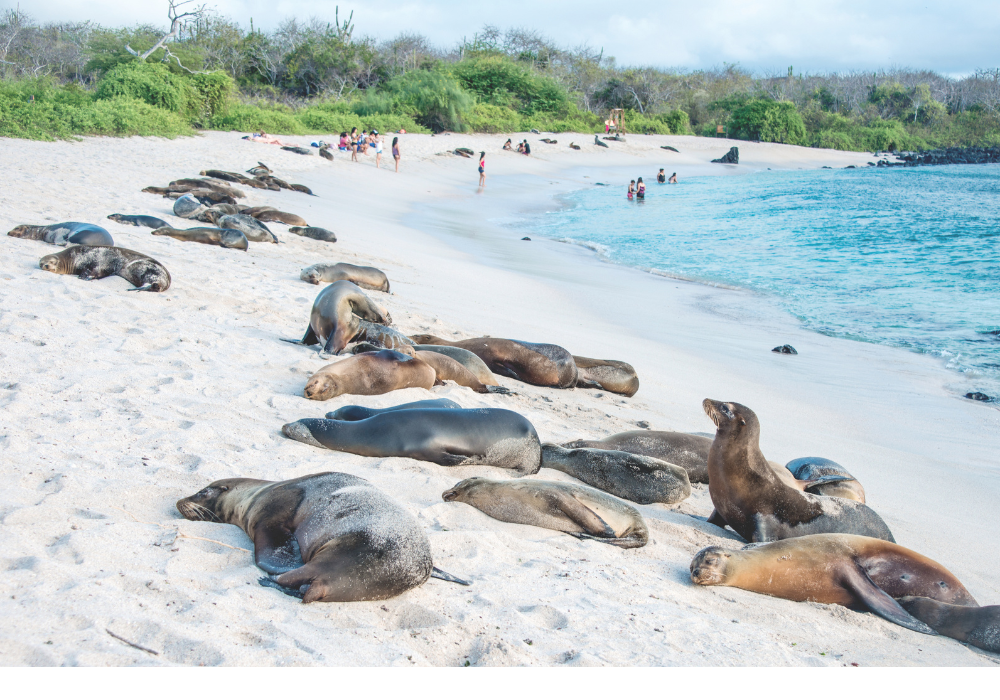
The whooping crane serves as a primary example of this shared responsibility. Once on the brink of extinction, the species saw a gradual recovery due to coordinated efforts between the Canadian Wildlife Service and the U.S. Fish and Wildlife Service. However, as the U.S. reduces its commitment to critical habitat designations and federal oversight, the burden of protection shifts disproportionately to the Canadian side, where resources are also finite. Analysts suggest that the weakening of U.S. protections creates "sink habitats"—areas where species may migrate but face increased risks due to lack of regulation, effectively neutralizing the conservation gains made in Canada.
The Forestry Certification Debate: Greenwashing vs. Sustainability
In the heart of Canada’s boreal and temperate forests, a different kind of conflict is brewing. The Sustainable Forestry Initiative (SFI), the most widely used forest certification system in North America, is currently under fire from environmental advocacy groups. Organizations such as Ecojustice and Stand.earth have filed formal complaints with the Competition Bureau of Canada, alleging that the SFI label constitutes "greenwashing."
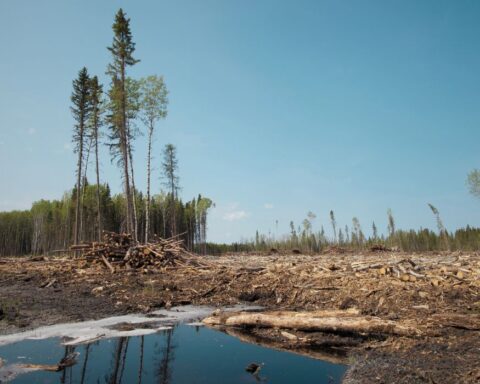
The crux of the allegation lies in the SFI’s standards regarding clear-cutting. While the label is marketed to consumers as a guarantee of ecological responsibility, critics point out that it was originally established by the forestry industry itself. They argue that the SFI allows for large-scale clear-cutting and the destruction of old-growth forests—practices that are detrimental to carbon sequestration and biodiversity.
In contrast to the Forest Stewardship Council (FSC), which is often viewed as having more stringent ecological requirements, the SFI is frequently described as an industry-friendly alternative. The outcome of the Competition Bureau’s investigation could have massive implications for Canada’s multi-billion dollar timber export industry. If the SFI is found to be misleading, companies may face significant fines and a loss of market access in regions like the European Union, which are increasingly implementing strict "anti-deforestation" import laws.
The Failure of Large-Scale Reforestation: Canada’s 2 Billion Trees Program
In 2020, the Canadian federal government announced an ambitious plan to plant two billion trees over a decade as a central pillar of its climate change strategy. The program was backed by a $3.2 billion commitment, intended to restore habitats and sequester millions of tonnes of carbon. However, the program has recently been scrapped after a series of logistical failures and audit reports highlighted its inefficiency.
The decision to end the program comes after the Commissioner of the Environment and Sustainable Development released a report indicating that the government was unlikely to meet its targets. Several factors contributed to the program’s downfall:

- Seedling Shortages: A lack of nursery capacity meant that there were simply not enough trees available to meet the annual planting quotas.
- Land Access: The federal government struggled to secure long-term agreements with provinces and private landowners to provide the necessary space for permanent forests.
- Survival Rates: Reports indicated that many of the trees planted in the early stages of the program had low survival rates due to poor site selection and a lack of ongoing maintenance.
While the loss of the program is a blow to Canada’s international climate commitments, it has sparked a necessary conversation about the quality of reforestation versus the quantity. Experts argue that "natural regeneration"—allowing forests to regrow on their own—is often more effective for biodiversity than monoculture plantations.
Indigenous Leadership and the Great Bear Sea
While federal programs face setbacks, a more resilient model of conservation is emerging on British Columbia’s north coast. The Great Bear Sea, a region of immense ecological and cultural importance, is becoming a global case study for "conservation finance." Here, First Nations are not merely stakeholders but the primary architects of a new "nature-based economy."
Through the use of Project Finance for Permanence (PFP), First Nations have secured hundreds of millions of dollars in combined public and private funding. This capital is used to manage Marine Protected Areas (MPAs) while simultaneously funding sustainable local industries, such as ecotourism and restorative fisheries. This model ensures that conservation does not come at the expense of economic viability. By linking the health of the Great Bear Sea to the economic well-being of local communities, these Indigenous-led initiatives create a self-sustaining cycle of protection.
Technological Frontiers: Enlisting Sea Turtles in Marine Science
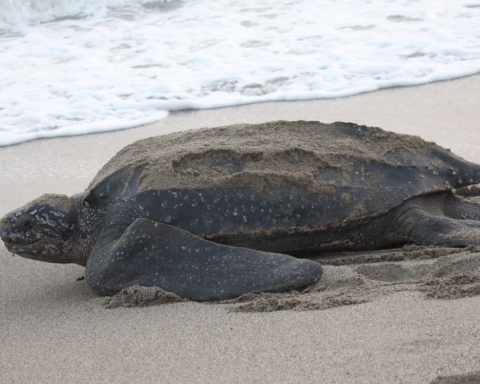
The quest to understand and protect natural capital is also moving into the deep ocean. In Ecuador, scientists have launched a pioneering project to tag leatherback sea turtles with satellite transmitters. The leatherback is one of the most endangered marine species in the world, particularly the East Pacific population, which has declined by over 90% in the last few decades.
These turtles act as biological sensors, filling massive gaps in oceanographic data. As they travel thousands of miles between nesting beaches and feeding grounds, the tags record water temperature, depth, and migratory corridors. This data is vital for:
- Dynamic Ocean Management: Creating "mobile" protected areas that move with the turtles to prevent them from being caught as bycatch in commercial fishing nets.
- Climate Monitoring: Understanding how shifting ocean currents and warming waters are altering the distribution of jellyfish, the leatherback’s primary food source.
The collaboration in Ecuador involves local fishing communities, who are increasingly seeing the value of turtle conservation as a way to ensure the long-term health of the marine ecosystems they depend on.
Implications for the Future of Natural Capital
The convergence of these events suggests a turning point in how natural capital is valued and managed. The traditional top-down, state-led model of conservation is being challenged by both political instability and practical failures. The weakening of US-Canada wildlife cooperation and the collapse of the 2 Billion Trees program highlight the fragility of government-led environmentalism in an era of polarized politics and budgetary constraints.
However, the rise of Indigenous-led conservation finance in the Great Bear Sea and the use of advanced technology in Ecuador offer a different path forward. These models prioritize local autonomy, scientific precision, and economic integration.
As the world approaches the mid-way point of the UN Decade on Ecosystem Restoration, the lessons from North and South America are clear: effective conservation requires more than just high-level pledges. It requires rigorous certification standards that prevent greenwashing, cross-border treaties that are insulated from domestic political shifts, and, most importantly, the empowerment of the communities that live closest to the land and sea. The protection of natural capital is no longer just an ethical or environmental issue; it is a complex economic and geopolitical challenge that will determine the stability of the continent’s ecosystems for generations to come.
