

The intersection of a decaying domestic landscape and an increasingly expensive foreign policy has reached a critical juncture in the United States. As of mid-2026, the federal government faces a mounting crisis of confidence as billions of taxpayer dollars are channeled toward a protracted conflict in Iran and intensified immigration enforcement, while the nation’s fundamental infrastructure literally collapses into its waterways. The contrast between high-tech military expenditures abroad and the primitive failure of 19th-century sewage systems at home has sparked a national debate over the soul of American fiscal priorities.
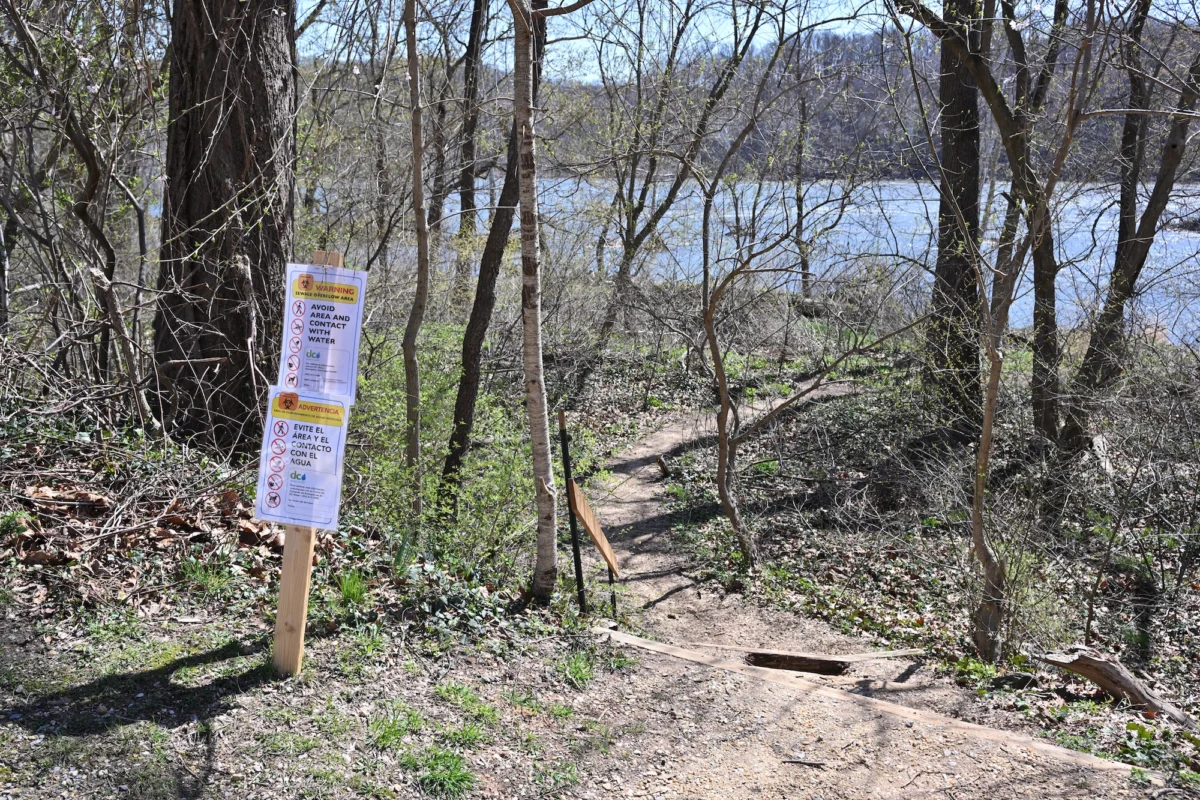
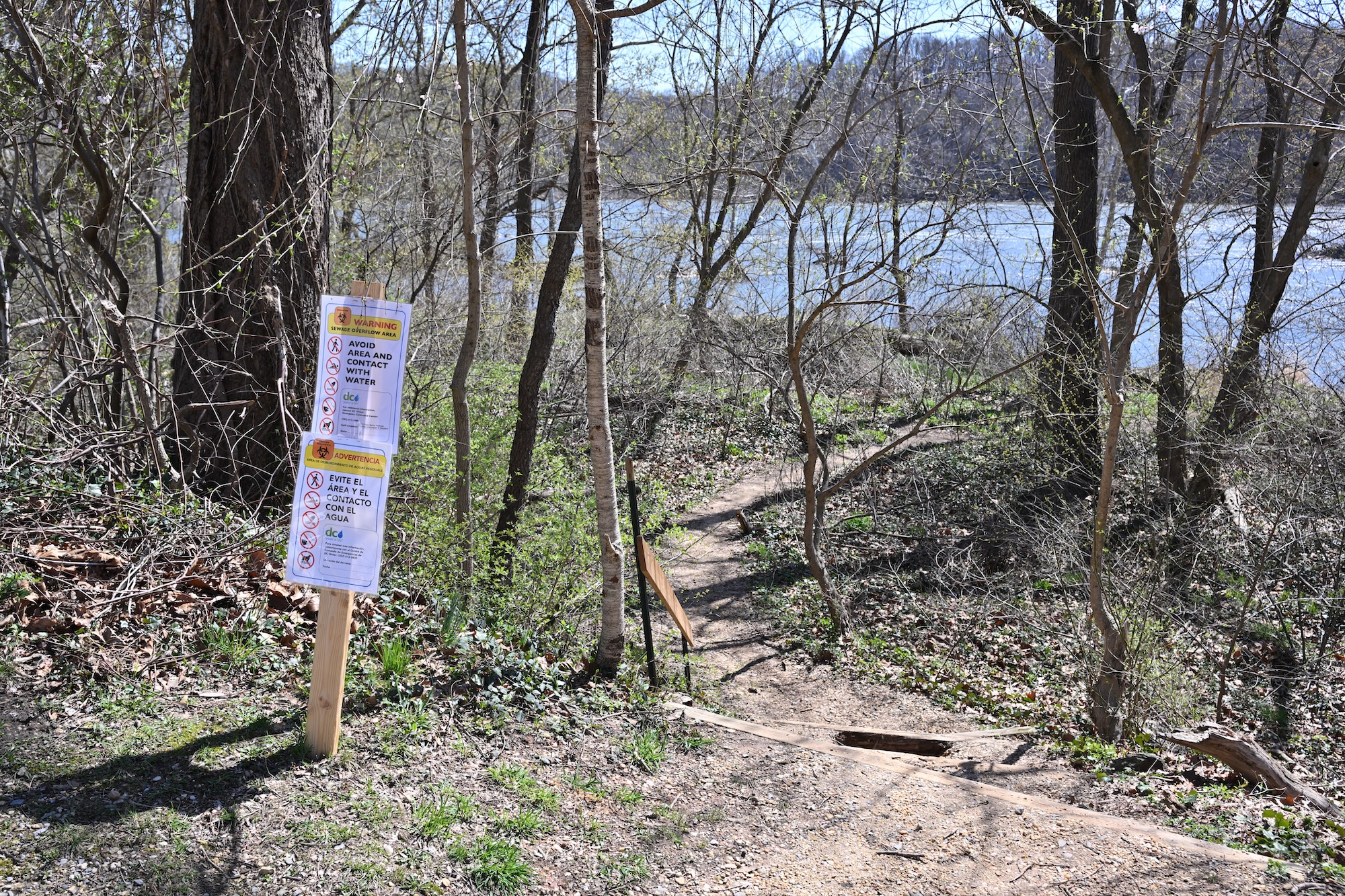
The urgency of this crisis was brought into sharp relief in January 2026, when a massive sewage pipeline collapse in Maryland, near the nation’s capital, resulted in more than 200 million gallons of untreated wastewater surging into the Potomac River. This event, cited by environmental historians as one of the largest single-point sewage disasters in U.S. history, left the river—a primary source of drinking water and recreation for the Washington, D.C. metropolitan area—contaminated for weeks. For residents of the capital, the sight of warning signs along the Potomac’s trails served as a visceral reminder of a government that appears more focused on securing borders thousands of miles away than maintaining the pipes beneath its own feet.
A Summer of Systemic Failure
The Potomac disaster was not an isolated incident but rather the first domino in a year defined by systemic mechanical failure. On July 2, 2026, as the nation prepared for Independence Day celebrations, a power system failure at a wastewater facility on the Hudson River, north of New York City, triggered a catastrophic discharge. An estimated 39 million gallons of raw sewage entered the waterway, forcing the immediate closure of several public beaches and the issuance of health advisories that dampened the holiday weekend for thousands of residents.
On the same day, nearly 3,000 miles away, a wastewater pump failure in Laguna Beach, California, released 2,000 gallons of sewage into the Pacific Ocean. While smaller in volume than the East Coast spills, the Laguna Beach event forced the closure of a half-mile stretch of prime coastline during the peak of the summer tourism season. These incidents were followed just weeks later by a major spill into a tributary of the James River in Virginia, which shuttered recreational areas and alarmed local health departments.
Environmental researchers and civil engineers confirm that these events are the predictable result of decades of deferred maintenance. According to data from the American Society of Civil Engineers (ASCE), much of the nation’s wastewater infrastructure has exceeded its intended lifespan by 20 to 50 years. The frequent failure of these systems is no longer considered "accidental" but is viewed by experts as the inevitable outcome of a system operating on borrowed time.
The Technical Reality: Combined Sewer Overflows
Beyond the dramatic pipeline collapses and pump failures lies a more persistent and structural threat: Combined Sewer Overflows (CSOs). Approximately 700 municipalities across the United States, primarily in the Northeast and Great Lakes regions, utilize older drainage systems that collect rainwater runoff, domestic sewage, and industrial wastewater in the same pipe. Under normal conditions, this mixture is transported to a treatment plant. However, during periods of heavy rain or snowmelt, the volume exceeds the capacity of the system, and the excess—untreated sewage mixed with storm water—is discharged directly into nearby streams, rivers, and oceans.
The cumulative impact of CSOs is staggering. In Philadelphia, it is estimated that 12.5 billion gallons of untreated sewage are discharged into local waterways annually. In New York City, despite significant investments made since the 1970s, the CSO system still releases approximately 18 billion gallons of wastewater into the harbor and surrounding rivers every year. In April 2026, heavy rains in Macomb County, Michigan, led to a capacity overrun that dumped 1.2 million gallons of raw sewage into local waterways, a recurring event that local officials describe as "sickening" yet unavoidable without massive federal intervention.
The Financial Chasm: From Grants to Loans
The current state of disrepair is rooted in a fundamental shift in how the United States funds its water infrastructure. In the mid-20th century, the federal government provided direct grants to municipalities, covering more than 50 percent of the cost for wastewater and sewer upgrades. This changed in 1987 when Congress replaced direct grants with the Clean Water State Revolving Fund (CWSRF), a program that provides low-interest loans rather than subsidies.
While the CWSRF and subsequent initiatives like the Water Infrastructure Finance and Innovation Act (WIFIA) of 2014 have provided over $200 billion in financial support over the decades, the scale of the need has far outpaced the availability of credit. States and local utilities now shoulder more than 90 percent of the financial burden for infrastructure repairs. For many smaller or economically disadvantaged municipalities, taking on additional debt is not a viable option, leading to the "delay and pray" strategy that often ends in catastrophic failure.
The U.S. Environmental Protection Agency (EPA) recently estimated that between $625 billion and $1 trillion will be required over the next 20 years to bring the nation’s water, wastewater, and stormwater systems into the 21st century. Despite the 2021 Bipartisan Infrastructure Law’s allocation of $50 billion for water systems, the current administration’s fiscal policies have created a bottleneck. President Donald Trump has recently moved to withhold or suspend various federal water funding programs while proposing deep cuts to the EPA’s revolving loan initiatives, citing a need to redirect resources toward national security and border integrity.
The Cost of Conflict: Iran and the Middle East
The redirection of taxpayer funds is most evident in the ongoing military operations in the Middle East. Since the outbreak of hostilities with Iran earlier this year, the financial toll has escalated rapidly. Secretary of War Pete Hegseth initially estimated the cost of the conflict at $37.5 billion. However, independent audits and reports from major news outlets suggest the true figure is significantly higher, ranging between $80 billion and $100 billion in just the first five months of the war.
These costs are driven not only by active combat operations but also by the logistical necessity of replacing destroyed U.S. aircraft, repairing damaged military installations, and replenishing a depleted national weapons stockpile. With 18 U.S. service members killed since the conflict began, public sentiment has soured. A Reuters/Ipsos poll conducted in July 2026 found that 80 percent of Americans expect the war to continue for an extended period, leading to a sense of "forever war" fatigue that has even begun to alienate the President’s core MAGA base.
Political analysts suggest that the "opportunity cost" of the war is becoming a potent political weapon. For the cost of five months of conflict in Iran, the federal government could have fully funded the EPA’s estimated wastewater infrastructure needs for the next decade. This disparity has led to a "boiling point" of public frustration, as citizens in Maryland and New York deal with the literal stench of failure while watching billions of dollars disappear into a desert conflict with no clear exit strategy.
Immigration Enforcement and the $150 Billion Budget
Parallel to the military spending abroad is a massive surge in domestic spending on immigration enforcement. Over the past year, Congressional Republicans have authorized more than $150 billion for agencies such as Immigration and Customs Enforcement (ICE) and Customs and Border Protection (CBP). This funding has been directed toward mass deportation campaigns, the construction of detention facilities, and the deployment of advanced surveillance technology along the southern border.
This $150 billion figure represents more than three times the total amount the Bipartisan Infrastructure Law earmarked for water system upgrades over a five-year period. The emphasis on border security has come at the expense of "internal security"—the health and safety of the American public as guaranteed by clean water and functional waste management. Human rights organizations and civil rights observers have also raised alarms over the conduct of these agencies, adding a layer of moral and legal controversy to the fiscal debate.
Implications for Public Health and the Economy
The failure to invest in wastewater infrastructure carries consequences that extend far beyond aesthetics or local inconvenience. Raw sewage contains a cocktail of pathogens, including E. coli, salmonella, and hepatitis A, as well as pharmaceutical residues and industrial chemicals. When these substances enter recreational waterways, they pose a direct threat to public health.
The economic implications are equally severe. The outdoor recreation economy, which relies heavily on clean water for boating, fishing, and swimming, contributes hundreds of billions of dollars to the U.S. GDP. Recurring beach closures and "no-contact" advisories for major rivers like the Potomac and the Hudson threaten the livelihoods of thousands of small business owners and the tourism revenue of entire regions.
Furthermore, the long-term cost of emergency repairs is significantly higher than the cost of proactive maintenance. When a pipeline collapses, as it did in Maryland, the emergency response, environmental cleanup, and expedited reconstruction costs can be five to ten times more expensive than a scheduled replacement. By withholding funds today, the federal government is effectively guaranteeing a much larger bill for future generations.
Conclusion: A Nation at a Crossroads
As the summer of 2026 continues, the United States finds itself at a crossroads. The visual of sewage-contaminated rivers within sight of the Pentagon and the Capitol building serves as a potent metaphor for a nation whose priorities are under intense scrutiny. The debate is no longer just about environmental protection; it is about the fundamental role of government in providing the basic services that define a modern, industrialized society.
Whether the administration will pivot to address the $1 trillion infrastructure gap or continue to prioritize foreign military intervention and domestic border enforcement remains to be seen. However, as the infrastructure continues to age and the "boiling point" of public frustration rises, the cost of inaction is becoming impossible to ignore. The water flowing through America’s rivers may be murky, but the fiscal choice facing its leaders is increasingly clear.
