

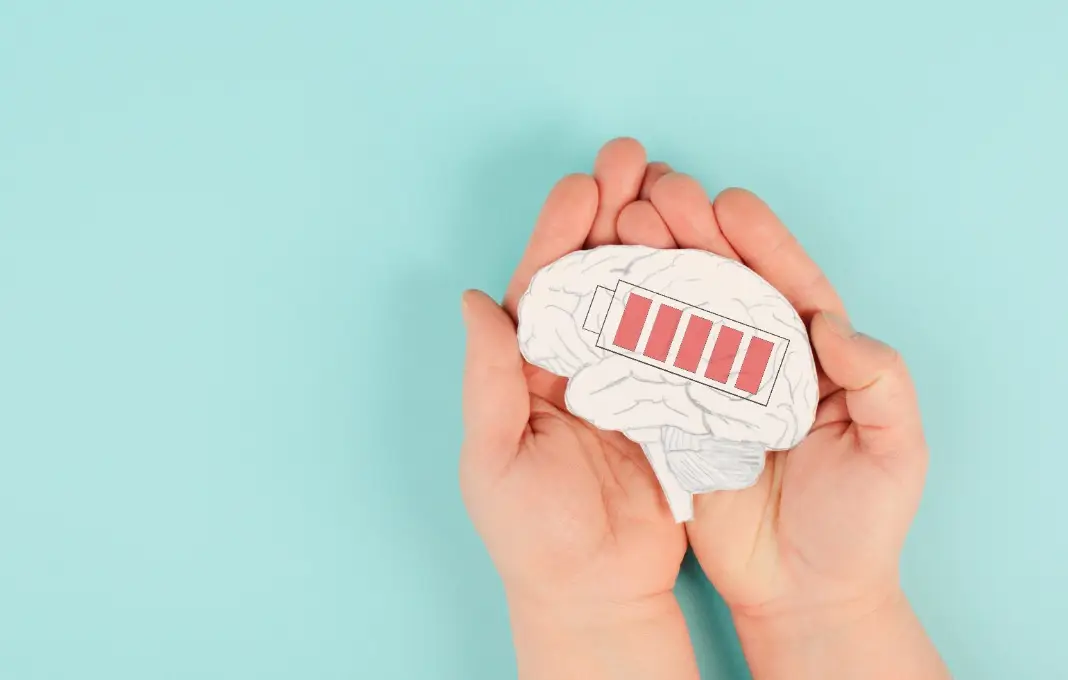
The human brain, a marvel of biological engineering, faces a natural and inevitable decline in neuron count as we age. This gradual reduction in brain cells, accompanied by a shrinking of brain mass after the age of 60, can impact cognitive functions such as memory, processing speed, and decision-making, leading to a perceived decrease in mental acuity. However, emerging research and clinical understanding reveal that this process is not a predetermined path to cognitive impairment. Instead, a concept known as "cognitive reserve" offers a powerful buffer, enabling individuals to maintain cognitive function and mental sharpness even in the face of age-related changes or neurodegenerative diseases like Alzheimer’s.
Understanding the Power of Cognitive Reserve
Cognitive reserve is defined as the brain’s remarkable ability to maintain thinking and memory function despite the presence of age- or disease-related changes. Dr. Jonathan Graff-Radford, a neurologist and Alzheimer’s specialist at Mayo Clinic in Jacksonville, Florida, likens it to the brain’s capacity to perform better than expected, even when facing structural or functional alterations. This resilience stems from the intricate network of billions of neurons, the brain’s fundamental building blocks, and the complex electrical circuits that facilitate communication between them. These neural connections are the bedrock of our ability to think, feel, remember, process information, and execute a vast array of tasks.
Dementia, a syndrome encompassing a range of symptoms affecting memory, thinking, mood, and behavior, is most commonly caused by Alzheimer’s disease. This devastating condition is characterized by the accumulation of amyloid and tau proteins in the brain, which damage neurons and their connecting fibers, leading to progressive cognitive decline. While these disease-specific changes can be profound, the concept of cognitive reserve suggests that not everyone with similar levels of brain pathology will exhibit the same degree of symptomatic impairment.
Consider two individuals diagnosed with Alzheimer’s disease, of the same age, and exhibiting comparable levels of Alzheimer’s-related brain changes. One might show minimal outward signs of cognitive impairment, while the other struggles with memory lapses, word retrieval difficulties, and challenges in completing everyday tasks. The discrepancy in their symptomatic presentation can be largely attributed to their differing levels of cognitive reserve.
It is crucial to distinguish cognitive reserve from cognitive resistance. While cognitive resistance refers to the brain’s ability to avoid or delay the onset of age-related or disease-related brain changes, cognitive reserve focuses on the brain’s capacity to maintain functional performance despite the presence of these changes. In essence, cognitive reserve allows the brain to find alternative pathways or utilize existing neural networks more efficiently to compensate for damage or age-related attrition.
Does Cognitive Reserve Prevent Dementia?
While cognitive reserve does not prevent the underlying pathological changes associated with dementia, it plays a significant role in delaying the onset of cognitive symptoms or enabling individuals to sustain cognitive function for a longer period. Dr. Graff-Radford cautions that cognitive reserve is not an infallible shield. There exists a threshold beyond which the cumulative brain damage becomes too significant to be fully compensated for, even by a robust cognitive reserve, leading to the manifestation of disease symptoms.
Building a Stronger Cognitive Reserve: Lifelong Strategies
The development of cognitive reserve is a multifaceted process that begins early in life and continues throughout the lifespan. Research consistently highlights the association between higher cognitive reserve and enriched life experiences, particularly those that challenge the brain.
Education as a Foundation
Early life educational attainment is a significant predictor of cognitive reserve later in life. Formal schooling provides a foundational structure for developing complex neural pathways and problem-solving skills. A meta-analysis of longitudinal studies published in the journal Nature Human Behaviour in 2022, encompassing data from over 50,000 participants, found a robust correlation between higher levels of education and a reduced risk of cognitive decline and dementia. The study suggested that each additional year of schooling was associated with a significant decrease in the odds of developing cognitive impairment in later life.
Lifelong Learning and Mental Stimulation
Beyond formal education, continuous engagement in mentally stimulating activities is paramount. This can encompass a wide array of pursuits:
- Reading for Pleasure: Immersing oneself in books, articles, and other written materials engages comprehension, imagination, and critical thinking.
- Learning New Skills: Acquiring a new language, mastering a musical instrument, or taking up a new craft forces the brain to forge new neural connections and adapt.
- Engaging in Games and Puzzles: Activities like chess, crosswords, Sudoku, and card games challenge problem-solving abilities, memory recall, and strategic thinking.
- Intellectual Pursuits: Attending lectures, participating in book clubs, or engaging in debates all contribute to intellectual stimulation.
A landmark cohort study involving over 10,000 adults aged 70 and older, published in JAMA Network Open in 2023, provided compelling evidence for the benefits of these activities. The study revealed that regularly participating in activities such as taking classes, writing, playing cards, and completing crossword puzzles was linked to a significantly lower risk of dementia over a 10-year period. This suggests that even in later life, engaging in these pursuits can bolster cognitive resilience.
The Role of Lifestyle Factors
While intellectual engagement is crucial, a holistic approach to brain health also incorporates vital lifestyle factors:
- Regular Physical Activity: Exercise increases blood flow to the brain, promoting the growth of new neurons and improving synaptic plasticity. Numerous studies, including a comprehensive review in the British Journal of Sports Medicine in 2021, have demonstrated a strong link between aerobic exercise and improved cognitive function, particularly in areas like executive function and memory.
- Quality Sleep: Adequate and restorative sleep is essential for memory consolidation and brain repair. Chronic sleep deprivation has been linked to an increased risk of cognitive decline.
- Proactive Health Management: Managing chronic health conditions such as diabetes, cardiovascular disease, anxiety, and depression is critical for brain health. These conditions can negatively impact blood vessels and brain function.
- Social Engagement: Meaningful social connections are a powerful buffer against cognitive decline. Social isolation and loneliness have been identified as significant risk factors. Maintaining regular contact with family, friends, and community through activities like joining clubs, volunteering, or simply having regular conversations can significantly benefit cognitive well-being. A study published in The Lancet Public Health in 2020 indicated that individuals with strong social networks had a 50% lower risk of dementia compared to those with fewer social connections.
Sensory Health: An Often-Overlooked Component
Dr. Graff-Radford emphasizes the importance of regular vision and hearing examinations. Untreated hearing loss and vision loss are increasingly recognized as significant risk factors for cognitive decline and dementia. Research, including findings highlighted by Mayo Clinic News Network, suggests that addressing hearing loss with hearing aids may be linked to a reduced risk of cognitive impairment. This connection is likely due to the increased cognitive load required to process auditory information when hearing is compromised, potentially diverting resources from other cognitive functions, and the potential impact of sensory deprivation on brain stimulation.
Integrating Cognitive Reserve into Daily Life
The concept of "brain training" apps and memory optimization tools often garners attention, but building cognitive reserve is not about a single quick fix. Instead, it’s about cultivating sustained, enjoyable habits over time. The key is to identify activities that are not only mentally challenging but also bring personal satisfaction, increasing the likelihood of consistent engagement.
"You don’t have to do every activity on the list," Dr. Graff-Radford advises. "Try to emphasize the activities you find enjoyable and incorporate them into your daily routine."
For instance, if reading is a passion, make weekly library visits a ritual. If games are appealing, organize regular card game nights with friends or explore new board games. For those who enjoy physical activity, consider joining a dance class, learning a new sport like pickleball, or participating in group fitness sessions. Creative outlets like art classes or playing a musical instrument also offer significant cognitive benefits.
Ultimately, the pursuit of cognitive reserve is about embracing a lifestyle that fosters intellectual curiosity, encourages social connection, and prioritizes physical well-being. These synergistic elements work together to build a resilient brain, capable of navigating the challenges of aging with greater clarity and sharpness.
For individuals concerned about their memory or cognitive function, consulting a healthcare professional is the essential next step. Diagnostic tools and assessments can help identify underlying causes and guide personalized strategies for maintaining brain health. The journey to building cognitive reserve is a lifelong endeavor, but one that offers profound rewards in terms of cognitive vitality and overall quality of life.
