


Snowden Lane Partners, a prominent New York-based registered investment advisor (RIA) managing approximately $15 billion in assets, has reached a settlement with the Securities and Exchange Commission (SEC) over allegations that the firm breached its fiduciary duty to retail clients for over five years. While the firm did not admit to the SEC’s findings, it has agreed to pay over $360,000, encompassing disgorgement, interest, and penalties, to resolve the charges. The settlement concludes an investigation that scrutinized the firm’s disclosure practices regarding compensation arrangements and client agreement language.
Unraveling the Disclosure Deficiencies
The SEC’s order details a pattern of insufficient disclosures spanning from at least February 2018 through March 2023. During this period, Snowden Lane allegedly failed to inform its advisory clients about a critical financial arrangement involving its affiliated broker-dealer. Specifically, the firm’s affiliated broker-dealer was reportedly marking up margin interest rates charged to client accounts. These markups, essentially an additional charge on top of the standard margin interest, were then collected as compensation by the broker-dealer from its clearing firm.
This practice created a direct, undisclosed financial incentive for Snowden Lane. Many brokerage customers were also advisory clients of the RIA. Consequently, the firm had an undisclosed financial stake in the margin balances held by its own clients. The SEC found that Snowden Lane never adequately disclosed the actual or potential conflicts of interest arising from this arrangement, thereby failing to meet its fiduciary obligations to act in the best interests of its clients.
A Broader Chronology of Alleged Missteps
The SEC’s scrutiny extended beyond the margin interest markups, encompassing a separate, overlapping period. From February 2018 through June 2020, regulators identified another disclosure lapse concerning revenue generated by Snowden Lane’s affiliated broker-dealer. This revenue stemmed from its clearing firm and was based on the assets of advisory clients that were held in cash sweep money market funds. These cash sweep vehicles are common tools for advisors to manage client cash, aiming to earn a modest return while maintaining liquidity. However, the SEC found that Snowden Lane failed to provide full and fair disclosure about the revenue its affiliated entity was earning from these arrangements. This lack of transparency meant clients were unaware of the additional compensation their advisor’s affiliated firm was receiving in connection with their assets.
The Issue of Hedge Clauses and Fiduciary Duty
In addition to the compensation-related disclosures, the SEC’s order also took issue with specific language embedded within Snowden Lane’s client agreements. Beginning in July 2019, the firm incorporated a hedge clause into its advisory agreements. These clauses are often included to limit a firm’s liability in the event of client disputes or losses. However, the SEC determined that the language used by Snowden Lane in these clauses was inconsistent with an investment advisor’s fiduciary duty.
The regulator posited that the hedge clause’s wording risked misleading retail clients. It could have created the false impression that clients were relinquishing certain legal rights that, in fact, are non-waivable under securities law. This is a critical point, as fiduciary duty mandates that advisors prioritize client interests and act with the utmost good faith. Clauses that obscure or appear to waive fundamental client rights can undermine this core principle and potentially deter clients from seeking recourse when necessary.
Internal Policy Changes and Ongoing Disagreements
Significantly, the SEC’s order notes that Snowden Lane took steps to address the hedge clause issue internally. In June 2023, the firm adopted internal written policies that explicitly prohibited the use of hedge clauses likely to mislead clients about the firm’s liability. Despite implementing this new policy, the firm had not yet revised its existing client agreements to remove the problematic language at the time of the SEC’s findings. This suggests a lag between internal policy updates and the practical application of those changes to client-facing documents.
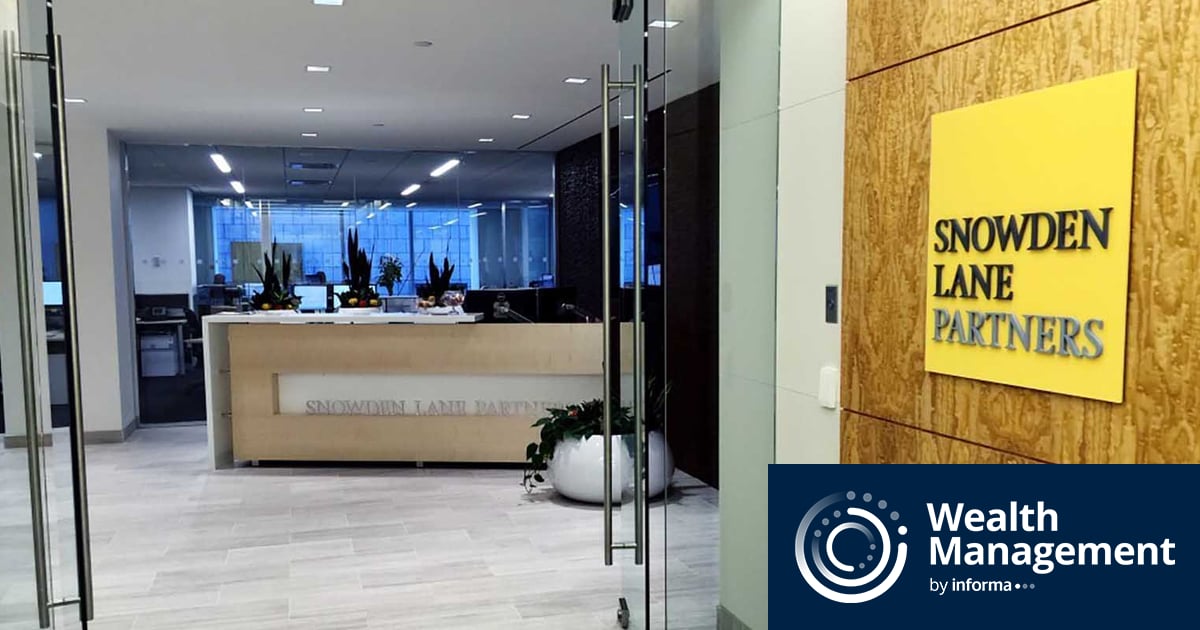
A spokesperson for Snowden Lane provided a statement addressing the settlement. "This matter stems from a routine SEC examination in 2022 and concerns the adequacy of certain disclosures, not a failure to disclose," the spokesperson stated. "The SEC’s order acknowledges that clients received disclosures regarding the compensation arrangements at issue. Clients did not experience investment losses, and we updated the relevant disclosures and advisory agreement language following the initial examination. While we respectfully disagree with the SEC’s position, we chose to resolve the matter without admitting the SEC’s findings and are pleased to have it resolved." This statement highlights the firm’s perspective that the issue was primarily one of disclosure adequacy rather than outright concealment, and emphasizes that client outcomes were not negatively impacted.
The Settlement Terms and Regulatory Oversight
As part of the settlement agreement, Snowden Lane has consented to a cease-and-desist order, signifying their commitment to abide by federal securities laws moving forward. Additionally, the firm has received a formal censure, a public reprimand from the SEC. The financial penalty of over $360,000 comprises disgorgement of ill-gotten gains (though the firm contests this characterization by stating clients did not experience losses), prejudgment interest on those gains, and civil penalties.
This settlement underscores the SEC’s ongoing commitment to overseeing registered investment advisors and ensuring they uphold their fiduciary responsibilities. The agency has consistently emphasized the importance of clear, accurate, and timely disclosures to investors, particularly concerning conflicts of interest.
Broader Implications for the Advisory Industry
The Snowden Lane Partners case serves as a salient reminder for the broader investment advisory industry about the critical importance of transparency and robust compliance frameworks. The SEC’s focus on both explicit compensation arrangements and the nuances of client agreement language signals a multi-faceted approach to regulatory oversight.
Key takeaways for other RIAs include:
- Proactive Conflict Identification and Disclosure: Firms must continuously identify potential conflicts of interest, even those arising from affiliated entities, and disclose them comprehensively to clients. This includes not only direct fees but also indirect revenue streams. The "routine examination" mentioned by Snowden Lane’s spokesperson suggests that the SEC is actively probing these areas.
- Clarity in Client Agreements: Legal and compliance teams must meticulously review all client agreements to ensure that hedge clauses and liability limitations do not inadvertently mislead clients or infringe upon their fundamental legal rights. The SEC’s stance on these clauses indicates a heightened sensitivity to how such language might impact investor understanding and recourse.
- Timeliness of Policy Implementation: Internal policy changes, especially those addressing compliance concerns, must be implemented promptly and reflected in all client-facing documents and practices. The delay in updating existing client agreements after adopting new policies is a point of concern highlighted in the SEC’s findings.
- The Evolving Landscape of Disclosure: The SEC’s regulatory focus is not static. Advisors must stay abreast of evolving guidance and enforcement priorities. Recent SEC priorities have included areas like cybersecurity, fee disclosures, and the use of artificial intelligence, indicating a broad scope of oversight.
Financial Advisors’ Fiduciary Duty: A Cornerstone of Trust
At its core, the fiduciary duty is the highest legal standard of care imposed on financial professionals. It requires advisors to act solely in the best interest of their clients, placing client interests above their own or their firm’s. This includes:
- Loyalty: Acting with undivided loyalty to the client.
- Care: Acting with the care, skill, prudence, and diligence that a prudent person acting in a like capacity and familiar with such matters would use.
- Good Faith: Acting honestly and with integrity.
- Full Disclosure: Disclosing all material facts, including conflicts of interest, that could reasonably affect the client’s decision-making.
The SEC’s action against Snowden Lane Partners reinforces the notion that even sophisticated firms managing substantial assets are subject to rigorous scrutiny regarding their adherence to these fundamental principles. While Snowden Lane disputes the SEC’s interpretation of certain facts, the settlement, and the associated financial penalty and censure, will likely serve as a cautionary tale for other firms navigating the complex regulatory environment of the financial advisory industry. The resolution of this case by the SEC signifies its continued dedication to safeguarding investors by ensuring that their financial advisors operate with the utmost transparency and in their clients’ best interests. The firm’s agreement to resolve the matter without admitting guilt, while paying a significant sum, highlights the strategic decisions RIAs face when confronting regulatory investigations, balancing the desire to contest findings with the costs and complexities of prolonged legal battles. The impact of such settlements often extends beyond the parties directly involved, shaping industry best practices and reinforcing investor confidence in the regulatory framework.
