

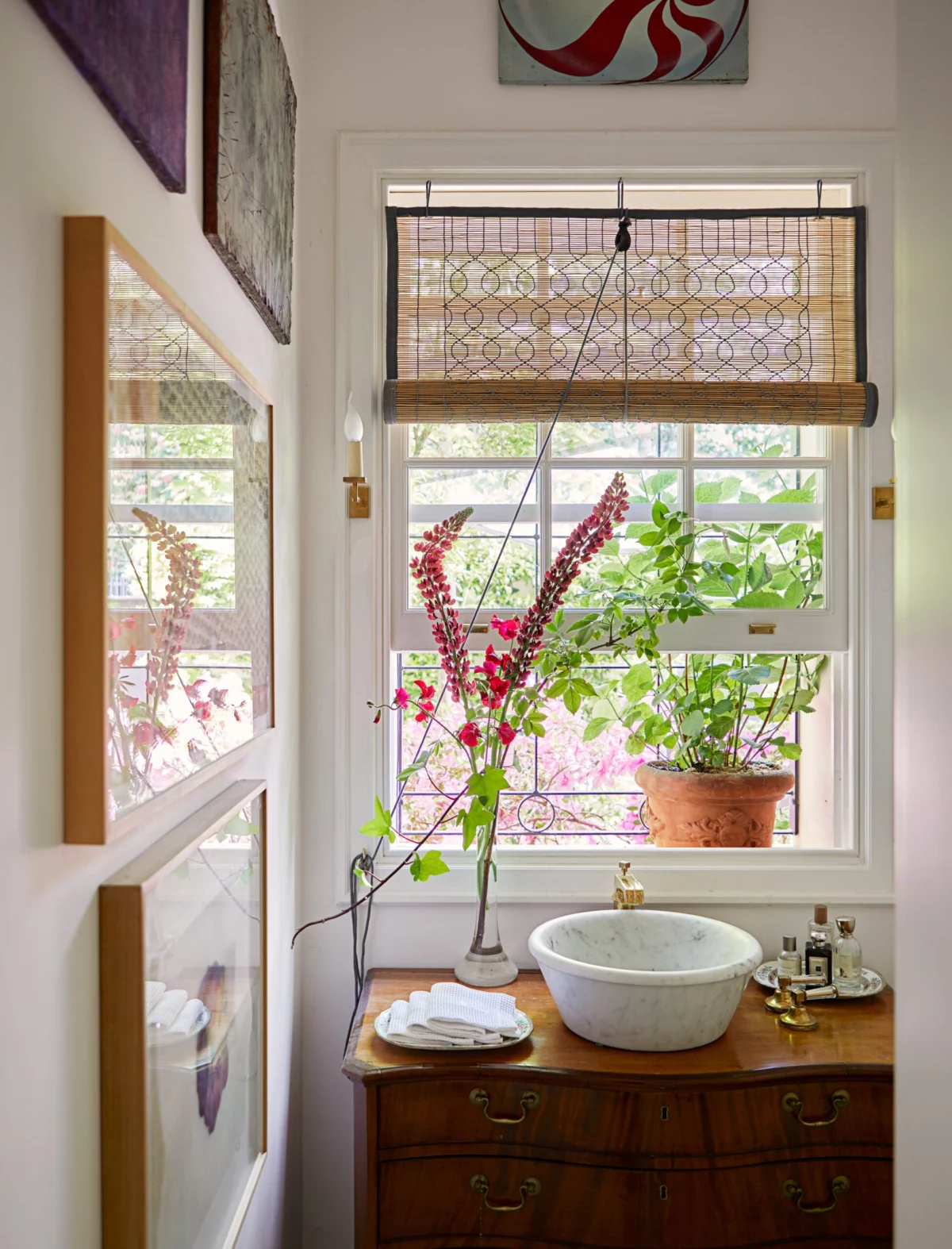
The contemporary interior design landscape has undergone a significant shift, moving away from purely utilitarian spaces toward environments that prioritize emotional well-being and aesthetic cohesion. Nowhere is this evolution more evident than in the bathroom, a space once relegated to functional necessity that has now become a primary site for "romanticizing" the mundane. Central to this transformation is the bathroom tray, an accessory that has evolved from a simple catchall for soap and jewelry into a foundational element of home-decor vignettes. As homeowners increasingly seek to replicate spa-like environments within their own residences, the demand for high-quality, stylistically diverse vanity organizers has surged, reflecting a broader cultural movement toward intentional living and domestic sanctuary.

The transition from basic utility to curated design is not merely a matter of vanity; it represents a strategic approach to organization that facilitates mental clarity. Industry experts note that the act of "staging" daily essentials—skincare serums, perfumes, and candles—on a dedicated surface can reduce the cognitive load of morning routines. By creating a designated home for these items, the bathroom tray serves as a bridge between organization and art, allowing even the most hectic environments to feel elevated and controlled.
The Evolution of the Bathroom Aesthetic: From Utility to Sanctuary
The history of bathroom organization has followed the trajectory of residential architecture. In the mid-20th century, bathroom accessories were largely standardized, often sold in matching porcelain or plastic sets that emphasized hygiene over style. The 1980s and 1990s saw the rise of the "master suite" concept, which introduced larger vanities and a greater need for containment. However, it was the post-pandemic era that solidified the bathroom’s status as a wellness retreat.
.jpeg)
Market research indicates that the global bathroom accessories market is projected to reach significant valuations by 2030, driven by an increasing consumer focus on home improvement and "affordable luxuries." In an economy where major renovations may be financially prohibitive for some, high-end accessories like marble trays or hand-woven leather organizers offer a way to refresh a space without structural changes. This trend is particularly visible in the rise of "vignette styling," where everyday objects are arranged with the same care as gallery exhibits, often incorporating vibrant florals and matching vases to tell a cohesive story of the space.
Material Innovation and Sustainability in Vanity Design
As the market for bathroom trays expands, material choice has become a primary differentiator. Modern consumers are no longer satisfied with generic materials; they seek items that offer a narrative, whether through sustainable sourcing, artisanal craftsmanship, or advanced material science.
.jpeg)
One of the most significant innovations in recent years is the use of diatomaceous earth. Brands like Dorai Home have popularized this moisture-wicking material, which is composed of fossilized algae. The Dorai Home Stone Sink Caddy represents a shift toward functional minimalism, utilizing a material that dries instantly to prevent mold and bacteria growth. This "hard-working" accessory aligns with the growing consumer preference for eco-friendly and sustainably made products. According to design critics, the success of such items lies in their ability to solve a practical problem—wet countertops—while maintaining a sleek, architectural aesthetic.
In contrast to the minimalist stone caddy, the resurgence of maximalism has brought hand-marbled ceramics and bold patterns back to the forefront. The Nesting Scalloped Hand-Marbled Tray by Inner Child exemplifies this trend, utilizing swirling patterns and ocean-inspired hues to create a sense of serenity. Maximalist design in the bathroom allows for a play of textures and colors that can break the monotony of traditional white or gray tiling.
.jpeg)
Artisanal Craftsmanship and the "Heirloom" Accessory
As the "fast furniture" era faces increasing scrutiny, there is a renewed interest in heirloom-quality pieces. This is particularly evident in the luxury segment of bathroom accessories, where natural stone and hand-finished leather are preferred. The Anastasio Home 512 Marble Tray, for instance, is carved from a single piece of stone. The appeal of such a piece lies in its natural variations—the veining and imperfections that ensure no two trays are identical. This focus on uniqueness is a direct response to the mass production of the late 20th century.
Similarly, the Riviere Woven Leather Tray highlights the intersection of traditional Italian tanning and modern utility. While leather was once considered impractical for high-moisture environments, modern water-resistant coatings have allowed this material to enter the bathroom space. The leather develops a patina over time, a characteristic that designers argue adds "soul" to a room. This movement toward materials that age gracefully reflects a broader shift in consumer behavior toward longevity and quality over disposability.
.jpeg)
The Influence of Pop Culture and Collaborative Design
The home decor market has also been influenced by the "influencer economy" and high-profile collaborations. The partnership between West Elm and digital creator Emma Chamberlain is a prime example of how Gen Z aesthetics are being integrated into mainstream interior design. The West Elm x Emma Chamberlain Fabric-Wrapped Tray introduces a tactile, "cozy" element to the bathroom, a space traditionally dominated by hard surfaces like chrome and glass. By using tonal striped fabric, the design softens the environment, making it feel more personal and lived-in.
Furthermore, sculptural designs are blurring the lines between functional objects and fine art. The Sin Gala Tray, hand-built in Brooklyn, reimagines basketweaving through ceramic stoneware. Its open lattice design provides visual depth and a sense of airiness. Such pieces are often cited by interior designers as "conversation starters" that elevate the bathroom from a private utility room to a space worthy of being showcased.
.jpeg)
Strategic Styling: Creating the Perfect Vanity Vignette
Styling a bathroom tray is increasingly viewed as an art form. Professional organizers and interior decorators suggest several key principles for creating an effective vignette:
- Varying Heights: Combining tall perfume bottles with shorter jars and flat trays creates visual interest.
- Rule of Three: Grouping items in odd numbers, particularly sets of three, is a classic design technique that feels more natural to the eye.
- Texture Contrast: Placing a cold marble tray on a wooden vanity or a soft fabric-wrapped tray on a stone countertop creates a balanced sensory experience.
- Natural Elements: Incorporating a small bud vase or a succulent can breathe life into the arrangement.
These styling techniques are not just for aesthetics; they are functional. A well-organized tray ensures that the items used most frequently are the most accessible, streamlining the user’s daily workflow.
.jpeg)
Market Implications and the Future of Bathroom Organization
The expansion of the bathroom tray market is an indicator of a larger trend in the home goods industry: the "premiumization" of small-scale items. As the real estate market remains competitive and many consumers opt to stay in their current homes longer, the focus has shifted to "micro-renovations." Investing in high-end accessories allows homeowners to feel a sense of renewal without the stress of a full-scale construction project.
Data from retail analytics firms suggest that the "vanity organization" category has seen a year-over-year increase in searches, with specific keywords like "sustainable bathroom tray" and "marble vanity organizer" seeing double-digit growth. This suggests that the future of the market will continue to be shaped by a combination of aesthetic desire and ethical consumption.
.jpeg)
Conclusion: The Psychological Impact of a Curated Space
Ultimately, the rise of the sophisticated bathroom tray is a testament to the importance of the domestic environment in managing stress. In a world that is increasingly digital and fast-paced, the physical act of interacting with beautiful, tactile objects during one’s morning and evening rituals provides a grounding experience. Whether it is the rippled surface of a Kartell Dune Tray reflecting the morning light or the organic texture of a Rebecca Udall Rattan Tray, these objects serve as reminders to slow down.
The "romanticization" of the daily routine is not about vanity; it is about reclaiming the small moments of the day. By investing in a piece of decor that organizes and beautifies, the consumer is not just buying a tray—they are curating an experience that begins and ends their day with a sense of order and grace. As the bathroom continues to evolve into a sanctuary of wellness, the humble tray will remain a cornerstone of intentional design, proving that even the most mundane spaces deserve to be beautiful.
