

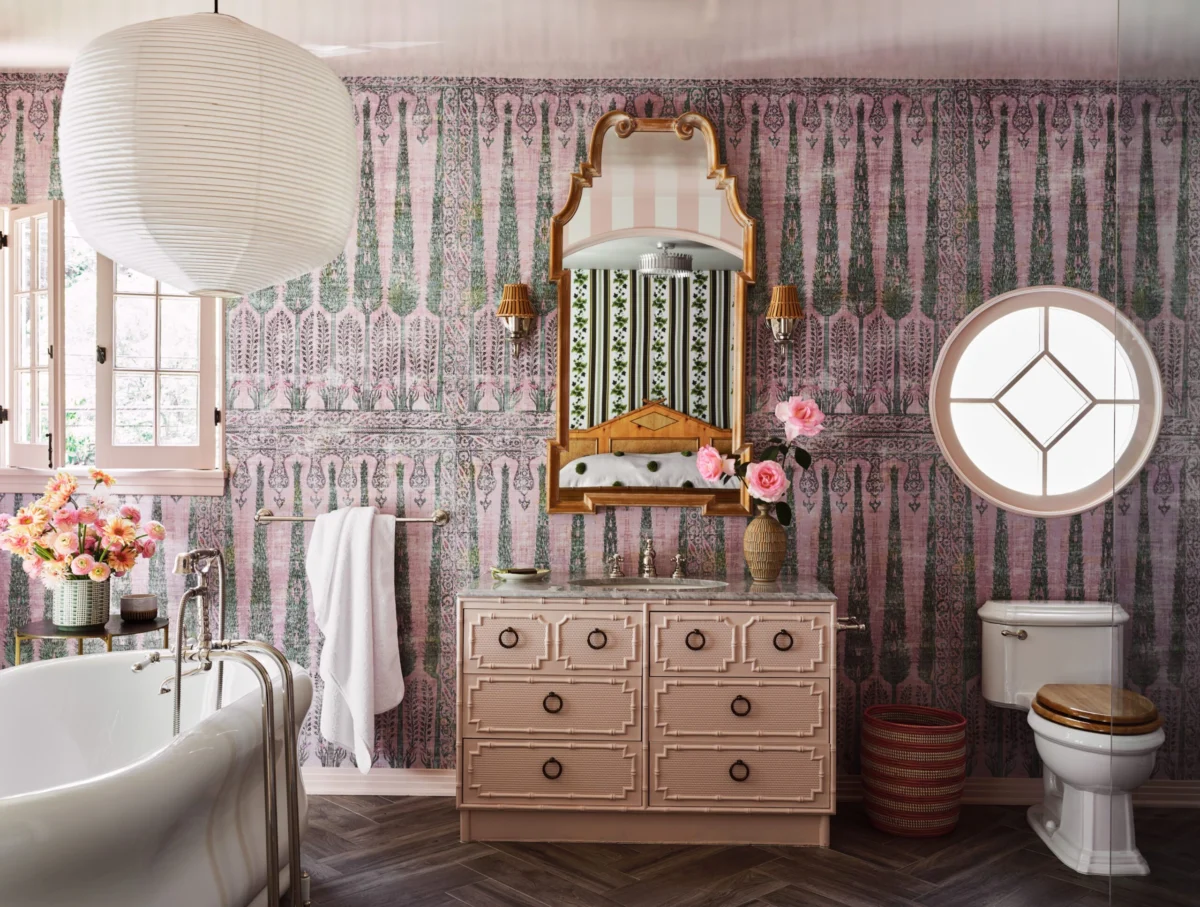
The modern bathroom has transitioned from a purely utilitarian space focused on hygiene to a central pillar of residential wellness and interior design. While major features like tiling, vanities, and bathtubs are often permanent fixtures, the strategic selection of accessories allows homeowners and renters alike to redefine their environment without the need for structural renovation. Industry experts and design editors now emphasize that small-scale additions—ranging from high-performance textiles to artisanal hardware—can significantly alter the aesthetic and functional quality of the most frequently used room in the house.
The Evolution of Bathroom Design: From Utility to Sanctuary
Historically, bathroom design was governed by the requirements of plumbing and moisture resistance, leading to a prevalence of "cold" materials like porcelain, chrome, and tile. However, a significant shift occurred in the mid-2010s, catalyzed by the rise of luxury apothecary brands and social media "Get Ready With Me" (GRWM) culture. This era introduced the concept of the bathroom as a "status space," where even mundane items like hand soap and toothbrushes became opportunities for self-expression.
Market analysis suggests that the global bathroom accessories market is currently experiencing robust growth, with a projected compound annual growth rate (CAGR) of approximately 5.2% through 2030. This growth is driven by an increasing consumer focus on home organization and the "spa-at-home" trend, which prioritizes high-quality materials and cohesive design schemes.
Textiles as the Foundation of Visual Impact
In any bathroom, textiles represent the largest opportunity to introduce color and texture. Because the room is often dominated by hard, reflective surfaces, the inclusion of soft goods is essential for acoustic dampening and visual warmth.
The Strategic Role of Shower Curtains
The shower curtain often serves as the room’s primary visual anchor. Designers note that it provides the largest swath of color or pattern available in the space. Options range from the eclectic, such as the Pierce & Ward Floral Lattice prints, to the minimalist, like Quince’s European linen offerings. A notable innovation in this category is the rise of high-quality plastic or vinyl curtains that prioritize transparency. Julia Harrison, a shopping writer for Architectural Digest, observes that transparent options like the Quiet Town Sun Shower curtain can prevent a small bathroom from feeling like a "dark cave" by allowing light to permeate the entire room.
The Science of the Modern Bath Mat
The bath mat is a critical safety and comfort feature that has seen significant material innovation. While traditional terry cloth remains popular, the industry has seen a surge in "stone" mats made from diatomaceous earth. Brands like Dorai have popularized these products, which absorb moisture almost instantly and dry within minutes, effectively eliminating the risk of mold and bacterial growth associated with damp fabric. For those who prefer traditional materials, hand-woven cotton iterations from brands like Quiet Town offer durability without the shedding of synthetic fibers.
The Rise of the "Status" Towel
Bathroom textiles are no longer viewed merely as tools for drying; they are now considered essential design elements. Julia Sobrepeña King of Studio Roene suggests that a well-chosen hand towel indicates a genuine care for the "full experience of the space."
Performance and Material Selection
When selecting bath towels, the market is divided between two primary preferences: high-pile plushness and lightweight functionality.
- Plush Turkish Cotton: Brands like Brooklinen and Boll & Branch focus on high-pile Turkish cotton, which offers maximum absorbency and a luxurious, heavy feel.
- Waffle Weave: Conversely, waffle-weave towels from companies like Parachute are favored for their quick-drying properties and exfoliating texture. These are particularly beneficial for sensitive skin, as they are less likely to harbor moisture-born irritants.
Organizational Infrastructure: Storage and Small Accessories
As urban living spaces shrink, the demand for clever storage solutions has intensified. The challenge for many residents, particularly those in rental properties, is a lack of built-in cabinetry.
Toothbrush Holders and Soap Dishes
Small countertop accessories are the most accessible way to elevate a design scheme. Artisanal ceramic options, such as the Sin Ood holder, move away from clinical, mass-produced aesthetics. Similarly, soap dishes have evolved from simple plastic trays to statement pieces. Materials such as pewter and marble—seen in collections from Match Pewter and Kassatex—add a "regal" or "eclectic" air to the sink area. Functional design is also a priority; slatted or slanted dishes are recommended to prevent standing water and prolong the life of artisanal bar soaps.
Innovative Storage Solutions
For bathrooms lacking counter space, vertical storage is the primary solution. Open shelving allows for the display of aesthetically pleasing products, while closed units like the Ferm Living Haze Wall Cabinet provide a "makeshift medicine cabinet" for less attractive essentials. In the realm of laundry, the trend has moved toward "elevated utility." Steele Canvas and Zara Home have introduced rolling hampers with brass wheels and sturdy cotton liners, blending vintage aesthetics with modern mobility.
Hardware and Fixtures: The Impact of Detail
Hardware often represents the "jewelry" of the bathroom. Replacing standard-issue towel bars and toilet paper holders is a common recommendation for renters looking to personalize their space.
Towel Bars and Wall Hooks
Wall hooks offer a space-saving alternative to traditional bars. Iconic designs like the Eames Hang-It-All provide a playful, mid-century modern vibe, while hand-sculpted ceramic hooks from Rejuvenation or SIN Ceramics offer a more organic feel. For those with more space, freestanding tiered racks from Yamazaki Home allow for towel organization without the need for wall-drilling.
The Aesthetic of Toilet Paper Holders
Even the most utilitarian items are being reimagined. The Essential Toilet Paper Holder from Hawkins New York is available in bold colors like Klein Blue and Mustard, turning a necessary fixture into a deliberate design choice. Standalone options, such as handcrafted seagrass baskets from Pottery Barn, provide additional storage for extra rolls, serving a dual purpose in smaller layouts.
Wellness and the Post-Shower Experience
The final layer of bathroom accessorizing involves products that bridge the gap between the room and the resident. Bathrobes have become a significant focus for luxury home brands. Editors highlight that a high-quality robe, such as the Boll & Branch Dream Robe or Parachute’s Terry Stripe, should maintain its softness and structural integrity through repeated laundering. This focus on "longevity" is a recurring theme in modern consumer behavior, where buyers are increasingly willing to invest in premium products that offer a better "cost-per-use" ratio.
Fact-Based Analysis: The Implications of Design Choices
The decision to invest in bathroom accessories extends beyond mere aesthetics. There are several practical implications to these design choices:
- Property Value and Appeal: For homeowners, a well-accessorized bathroom can significantly increase the appeal of a property during resale. "Staging" a bathroom with high-end towels and cohesive hardware creates an emotional connection with potential buyers.
- Psychological Well-being: Environmental psychology suggests that a clutter-free, aesthetically pleasing bathroom can reduce cortisol levels and improve the morning routine. The "GRWM" trend emphasizes the bathroom as a space for mental preparation and self-care.
- Sustainability: The shift toward materials like linen, stone, and bamboo reflects a broader consumer move away from "fast decor." High-quality accessories that last for years reduce the environmental impact of frequent replacements.
Frequently Asked Questions and Emerging Trends
What are the latest trends in bathroom accessories?
The most prominent trend of the current year is the focus on high-design hand towels. Once overlooked, they are now treated as status symbols. Additionally, the "bidet revolution" continues to gain momentum in North America. Once a European staple, bidet attachments are now considered a "necessary" luxury for modern hygiene and waste reduction.
How can I update a rental bathroom without losing my security deposit?
Focus on "low-impact" accessories. Freestanding towel racks, stone bath mats, and premium shower curtains provide a custom look without requiring permanent changes. Replacing a standard shower head or swapping out cabinet pulls (and keeping the originals to replace later) are also effective strategies.
Is there a benefit to sensor-based accessories?
Yes. Motion-sensor soap dispensers, such as those from SimpleHuman, are increasingly popular for their ability to reduce the spread of germs on high-touch surfaces. They also provide a precise amount of soap, which can reduce product waste over time.
Conclusion
The best bathroom accessories are those that balance form and function, transforming a utilitarian space into a curated sanctuary. By focusing on high-quality materials—such as Turkish cotton, sustainable wood, and artisanal ceramics—residents can create a cohesive design scheme that stands the test of time. As the market continues to innovate with moisture-wicking stones and sensor-based technology, the possibilities for enhancing the bathroom experience continue to expand, proving that no detail is too small when it comes to home design.
