

The portable cooling industry has undergone a significant transformation over the last decade, evolving from basic plastic bins into a multi-billion-dollar market defined by high-performance engineering, "rotomolded" construction, and integrated technology. As outdoor recreation—ranging from weekend overlanding to long-duration camping—continues to surge in popularity, the demand for equipment that can maintain safe food temperatures in extreme environments has never been higher. For more than four years, a rigorous testing process has been conducted to identify the peak performers in the cooling category, subjecting dozens of models to direct sunlight, high-humidity environments, and the physical rigors of transport in bike trailers and off-road vehicles.
The results of these extensive trials indicate that while manufacturers often provide ambitious ice-retention statistics, real-world performance varies significantly based on construction methods and ambient conditions. The current market leader in the wheeled category is the Yeti Tundra Haul, a model that exemplifies the shift toward heavy-duty, puncture-proof designs capable of defying the sun for nearly a week. However, the rise of competitors like RTIC, Ninja, and Oyster suggests that innovation is no longer limited to the established giants, as new technologies like vacuum insulation and dry-zone storage drawers begin to redefine consumer expectations.
A Chronology of Testing: Four Years in the Field
The evaluation of these coolers was not a static laboratory experiment but a longitudinal study conducted across diverse geographical climates. Beginning in 2020, the testing team utilized a standardized protocol to cut through marketing hyperbole. The process involved two primary metrics: the "Ice Melt Test," which measures the duration until a standard 7-pound bag of ice completely liquifies in 80-degree Fahrenheit temperatures, and the "Coors Light Test," a practical assessment of thermal consistency based on the color-changing thermochromic ink on beverage cans.

Testing occurred in high-stress environments, including the intense humidity of Florida springs and 90-degree direct exposure on outdoor decks. Over the 48-month period, the team observed a clear distinction between "injection-molded" budget models and "rotomolded" premium units. The latter, which involves molding melted plastic over foam insulation in a single, seamless piece, consistently outperformed traditional coolers by a margin of several days. The timeline of testing was most recently updated in August 2024 to include emerging models from Owala and Arctic Zone, reflecting the rapid pace of iteration in the outdoor gear sector.
Hard-Sided Performance and the Rotomolding Standard
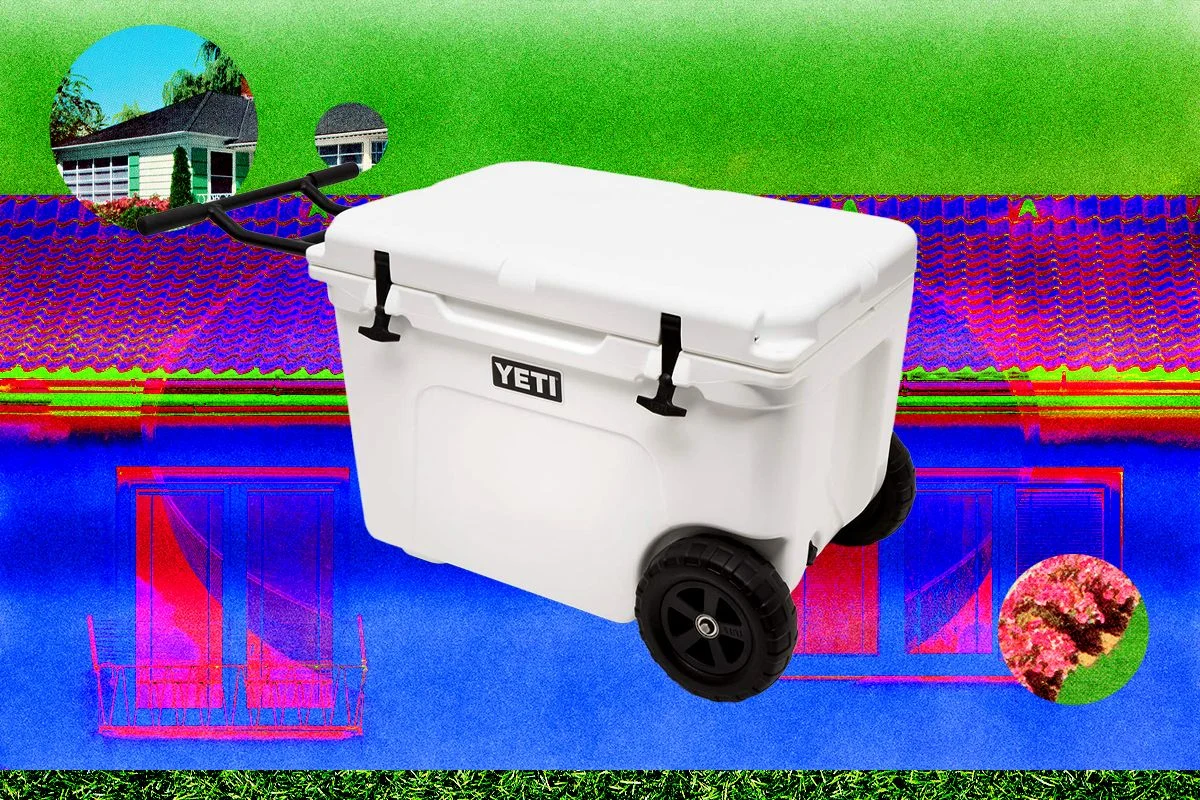
The Yeti Tundra Haul remains the benchmark for hard-sided, high-capacity coolers. Built with three-inch-thick insulated walls and puncture-proof wheels, it demonstrated the ability to keep ice frozen for six consecutive days in 90-degree heat. While the unit’s weight and premium price point are significant barriers for some, its durability represents a "buy-it-for-life" investment. Industry analysts note that Yeti’s success prompted a wave of competition, most notably from RTIC.
The RTIC Ultra-Tough Cooler has emerged as a high-value alternative, offering roughly 20 to 40 percent savings while maintaining similar thermal performance. A key finding in the 45-quart category was that RTIC provides a "true" 45-quart capacity, whereas some competitors’ internal volumes are smaller than their model names suggest. This model’s closed-cell foam core and padded handles make it a preferred choice for week-long trips where space in a standard sedan is a limiting factor.
For budget-conscious consumers, the Igloo Wheelie Cooler continues to serve as a reliable entry point. Despite lacking a drain plug and featuring simpler construction, it has proven resilient over a decade of use, highlighting that high-end rotomolding is not always a prerequisite for casual day trips or beach outings.

Innovation in Thermal Engineering: Vacuum Insulation and Dry Zones
Perhaps the most significant technological leap in recent years is the Oyster Tempo. Borrowing the double-walled vacuum insulation technology found in high-end travel mugs, the Norwegian-engineered Tempo uses an aluminum body to achieve superior thermal retention without the bulk of thick plastic walls. This allows for a compact exterior with a surprisingly large interior volume. Data from testing showed that the Tempo could maintain refrigerator-level temperatures for eight hours in a hot vehicle while using less than half the ice required by traditional foam-insulated models.
Simultaneously, Ninja has addressed a common consumer pain point with the FrostVault. By incorporating a dedicated dry-storage drawer, the FrostVault allows users to keep perishables like sandwiches or fruit at food-safe temperatures without exposing them to the "ice-water slurry" that often ruins food in traditional coolers. This design shift reflects a broader trend toward "camp chef" functionality, where organization is as valued as raw ice retention.
The Rise of Electric and Powered Refrigeration
As the overlanding and RV communities grow, electric "fridge-freezers" are becoming increasingly mainstream. The Engle MT17 and the Dometic CFX5 55IM represent the pinnacle of this sub-category. These units eliminate the need for ice entirely, utilizing AC or DC power to maintain precise temperatures. The Dometic CFX5 55IM even includes a built-in ice maker and a Bluetooth-connected app for remote temperature monitoring.
While these units are significantly more expensive—often exceeding $1,000—they offer a level of convenience that ice-based coolers cannot match. Analysis of customer support interactions suggests that brands like Engle maintain high loyalty through robust technical assistance, helping users troubleshoot electrical issues in the field. However, for the average camper, the weight and power requirements of these units may be considered "overkill" compared to a high-performance rotomolded box.

Portability and Specialized Cooling Solutions
For shorter excursions, soft-sided coolers and backpacks have gained traction. The Dometic Unrestricted Cooler Backpack was noted for its versatility, functioning as a legitimate travel pack with a laptop sleeve while maintaining cooling for approximately eight hours. Similarly, the RovR KeepR Caddy introduces a specialized "mobile cocktail bar" concept, featuring vacuum-insulated ice buckets and adjustable compartments for spirits and glassware.
The testing data for soft-sided coolers indicates a trade-off: while they offer superior ergonomics and lower weight, their ice retention is typically limited to 24 to 36 hours. The Dometic Recon series attempted to bridge this gap with stackable hard- and soft-sided options designed to fit into tight vehicle footwells, though testing revealed that the soft-sided variants struggle with exterior wrinkling and complex magnetic handle systems.
Aesthetic and Social Design Trends
The market has also seen a resurgence in "retro" and social-centric designs. The Igloo KoolTunes, a reboot of the classic Playmate, integrates Bluetooth speakers into the cooler’s lid. While audiophile-grade sound is not the primary objective—testing noted some "tinny" audio at high volumes—the unit serves a niche for beach-goers and casual picnickers. Similarly, the Igloo Retro Picnic Basket prioritizes aesthetic appeal and lightweight portability over long-term ice retention, catering to the "lunch date" demographic rather than the wilderness explorer.
For large-scale events, the Igloo Party Bar provides a massive 125-quart capacity on a rolling dolly. While its translucent lid and loose fit result in below-average ice retention, its ability to hold up to 158 cans makes it a logistical staple for domestic celebrations and "Texas ice house" style gatherings.

Strategic Maintenance and Best Practices
The effectiveness of any cooler is heavily dependent on user behavior. Supporting data suggests that "pre-chilling" a cooler—filling it with ice several hours before packing—can extend ice life by up to 24 hours. Furthermore, the use of "block ice" rather than cubed ice is recommended for long-duration trips due to its lower surface-area-to-mass ratio.
Experts also suggest a "two-cooler" strategy for extended trips: one dedicated to beverages and snacks, which is opened frequently, and a high-performance "deep freeze" unit for meat and dairy, which remains closed for the majority of the day. By minimizing the exchange of air, users can maximize the inherent thermal properties of the rotomolded or vacuum-insulated walls.
Conclusion and Future Outlook
The diversification of the cooler market reflects a broader shift in how people interact with the outdoors. No longer a one-size-fits-all commodity, the modern cooler is a specialized tool tailored to specific durations, terrains, and social contexts. As companies like Solo Stove, Coleman, and Pelican prepare to release new models in the coming seasons, the focus is expected to remain on sustainability—such as the recyclable aluminum construction of the Oyster Tempo—and the integration of smart technology to monitor food safety in real-time. For the consumer, the wealth of options ensures that whether they are embarking on a six-day wilderness trek or a two-hour park picnic, there is a thermal solution engineered precisely for their needs.
