

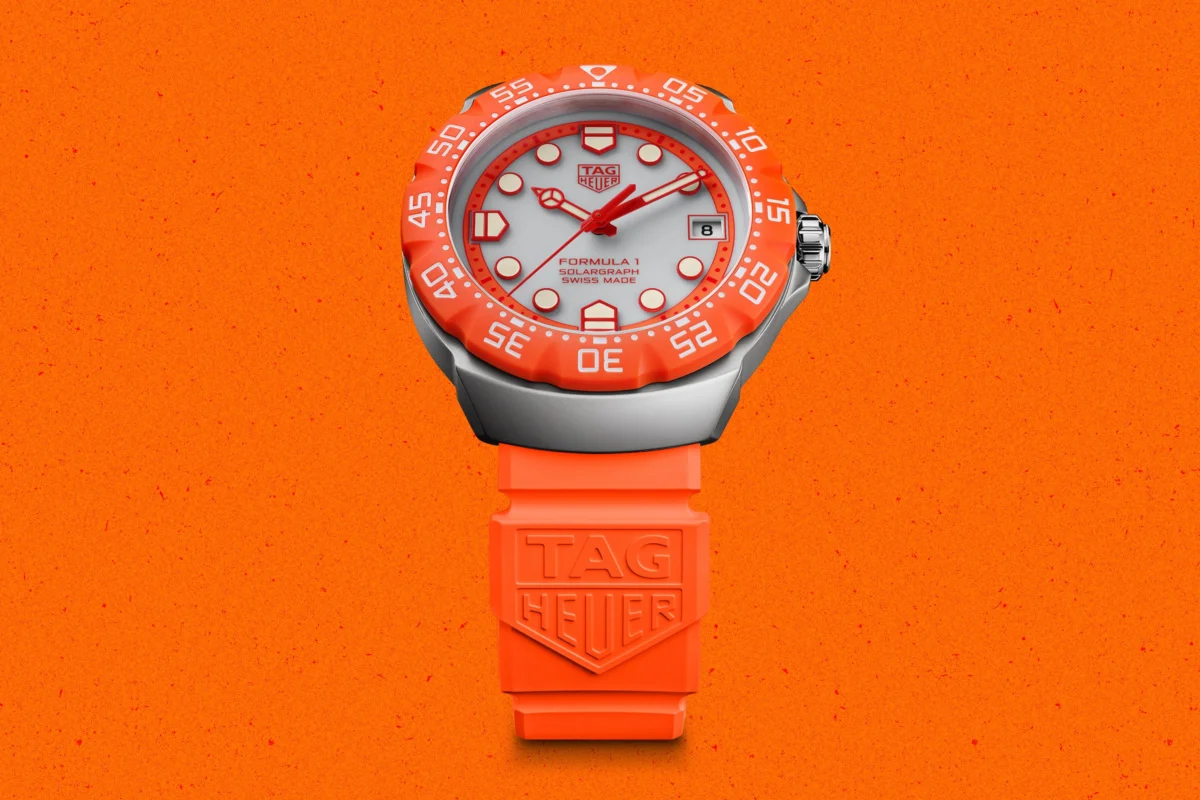
TAG Heuer has officially announced the expansion of its revitalized Formula 1 collection with the introduction of a new solar-powered model that pays homage to one of the most recognizable timepieces of the 1980s. The release marks a significant milestone in the brand’s strategy to blend heritage-inspired aesthetics with modern sustainable technology. Known colloquially among horological enthusiasts as "the Zandvoort," the new 38mm Solargraph model arrives as a tribute to the historic Dutch Grand Prix circuit, coinciding with rumors and reports regarding the future of the race on the global Formula 1 calendar.
The launch follows a successful campaign initiated last year when TAG Heuer began reimagining its entry-level professional sports watch for a new generation. The Formula 1 series, originally launched in 1986, served as the first collection released after the acquisition of Heuer by Techniques d’Avant Garde (TAG). The new iteration focuses on the "373.513" reference—later known as the WA1213—which was celebrated for its vibrant orange dial and was among the first in the series to transition from purely synthetic cases to those featuring metal components.
A Convergence of Heritage and Modern Horology
The 2025 Formula 1 Solargraph is a deliberate nod to the "Neo-Vintage" trend that has dominated the watch industry over the last decade. While the original 1980s models were offered in smaller 28mm and 35mm diameters, the new "Zandvoort" edition has been upsized to 38mm to meet contemporary consumer preferences. Despite the increase in size, the design remains faithful to the visual language established by designer Eddy Burgener nearly forty years ago.

The watch features a gray opalin dial that mirrors the specific hue used in the late 1980s, providing a muted backdrop that allows the bright orange accents to stand out. The orange rubber strap also retains the distinctive TAG logo molded into the sides, a hallmark of the original series that solidified its status as a lifestyle accessory as much as a tool watch.
However, the 2025 version introduces several technical upgrades. The most notable is the integration of the Solargraph movement. This technology, developed in partnership with the movement specialist Manufacture La Joux-Perret, allows the watch to be powered by any light source—natural or artificial. A few minutes of exposure to sunlight can provide enough power for a full day of operation, while a full charge allows the movement to run for up to six months in total darkness.
The Evolution of Materials: From Arnite to TH-Polylight
One of the defining characteristics of the original Formula 1 series was its use of innovative, cost-effective materials designed to appeal to a younger demographic. In the 1980s, TAG Heuer utilized "Arnite," a brand of thermoplastic (specifically PBT), to achieve the bright, saturated colors that defined the era. This was often molded over a stainless steel inner case to ensure water resistance and structural integrity.
For the new Solargraph series, TAG Heuer has pivoted toward sustainability without sacrificing durability. The brand has introduced "TH-Polylight," a high-performance bioplastic derived from castor-based polyamide. This material offers a lower carbon footprint than traditional petroleum-based plastics while maintaining the hardness and stability required for a sports watch. Like its predecessor, the TH-Polylight bezel and components are mounted on a steel core, ensuring the watch maintains its 200-meter water resistance rating.

The Zandvoort Connection and Formula 1 Context
While TAG Heuer has not officially branded the watch with the "Zandvoort" name in its marketing collateral, the timing and colorway have led the collector community to adopt the moniker. The Dutch Grand Prix, held at the Circuit Zandvoort, is inextricably linked with the color orange—the national color of the Netherlands and the signature hue of the "Orange Army" of fans supporting three-time World Champion Max Verstappen.
Industry analysts suggest that this release is timed to celebrate the circuit’s resurgence and its current standing in the sport. Following a 36-year hiatus, the Dutch Grand Prix returned to the F1 calendar in 2021. However, with the current contract set to expire after the 2026 season and Formula 1 management exploring a rotation system for European races, the "Zandvoort" Solargraph serves as a timely tribute to one of the most atmospheric stops on the tour.
Chronology of the TAG Heuer Formula 1 Series
To understand the impact of this new release, it is essential to look at the timeline of the collection’s development:
- 1985: Techniques d’Avant Garde (TAG) acquires Heuer, forming TAG Heuer.
- 1986: The first Formula 1 series is launched. It is the first watch to bear the "TAG Heuer" logo on the dial. The initial models are made of fiberglass and plastic, targeting surfers and divers.
- 1987-1990: The series expands to include metal-cased versions and the iconic orange dial models (Ref. 373.513).
- 2000: The original Formula 1 line is briefly discontinued as the brand shifts toward higher-end mechanical chronographs.
- 2004: The collection is revived with more substantial steel cases and upgraded quartz movements.
- 2022: TAG Heuer introduces the first "Solargraph" technology in the Aquaracer collection.
- 2024: The brand announces the full-scale revamp of the Formula 1 series, moving away from standard battery quartz to solar-powered movements.
- 2025: The "Zandvoort" orange edition is released, marking a return to the series’ most famous colorway.
Technical Specifications and Market Positioning
The new collection is divided into two primary configurations:

- Rubber Strap Model: Limited to 1,500 pieces, priced at approximately $2,150. This version utilizes the classic orange rubber strap but removes the "V-shaped" grooves found on the 1980s originals. Historically, those grooves allowed owners to cut the strap to size for use over wetsuits; modern luxury standards dictate a more refined, non-adjustable finish.
- Steel Bracelet Model: Limited to 1,000 pieces, priced at $2,250. This version is an online exclusive and features a three-row sand-blasted steel bracelet, a departure from the five-row jubilee-style bracelets found on the vintage metal F1 models.
By pricing these models in the $2,000 to $2,300 range, TAG Heuer is positioning the Formula 1 Solargraph as a premium entry-point into the brand. This strategy seeks to capture "aspirational" buyers who value both the historical legacy of the 1980s and the convenience of modern solar technology.
Analysis of Implications for the Luxury Watch Market
The release of the orange Solargraph highlights a broader shift in the luxury watch industry. Brands are increasingly looking toward their archives to find "hero" products that can be modernized. For TAG Heuer, the Formula 1 is more than just a watch; it was the product that saved the company during the tail end of the "Quartz Crisis." By the time the original line was first shelved, it had sold over 3 million units, making it one of the most successful watches in Swiss history.
Furthermore, the move to solar power reflects a growing demand for "set-and-forget" timepieces. While mechanical watches remain the preference for high-end collectors, the Solargraph movement appeals to active users who want a robust, accurate watch that does not require regular battery changes or winding.
Industry experts also note that the limited production run (2,500 total units between the two versions) is a calculated move to maintain exclusivity. In the 1980s, the F1 was a mass-market product; today, it is being treated as a collector’s item. This transition from mass-market to "attainable luxury" is a cornerstone of the strategy employed by LVMH, TAG Heuer’s parent company.

Official Response and Availability
While TAG Heuer executives have remained focused on the technical merits of the Solargraph movement, design lead Eddy Burgener has previously commented on the origins of the F1’s bold colors. According to Burgener, the original brief was to create a "fun, colorful, and young" watch that emulated the aesthetic of the American surf culture of the 1980s. The pivot to racing was a secondary development, driven by the company’s sponsorship of the McLaren F1 team.
The new "Zandvoort" orange Solargraph models are scheduled for release next week. Due to the limited nature of the steel bracelet version as an online exclusive, horological analysts predict a rapid sell-out, particularly among Dutch collectors and vintage TAG Heuer enthusiasts.
As the watch industry continues to navigate the balance between digital innovation and analog tradition, the TAG Heuer Formula 1 Solargraph stands as a testament to the enduring power of 1980s design. By combining the "popping" colors of the past with the sustainable energy of the future, TAG Heuer has ensured that its most famous entry-level watch remains relevant in a rapidly changing market.
