

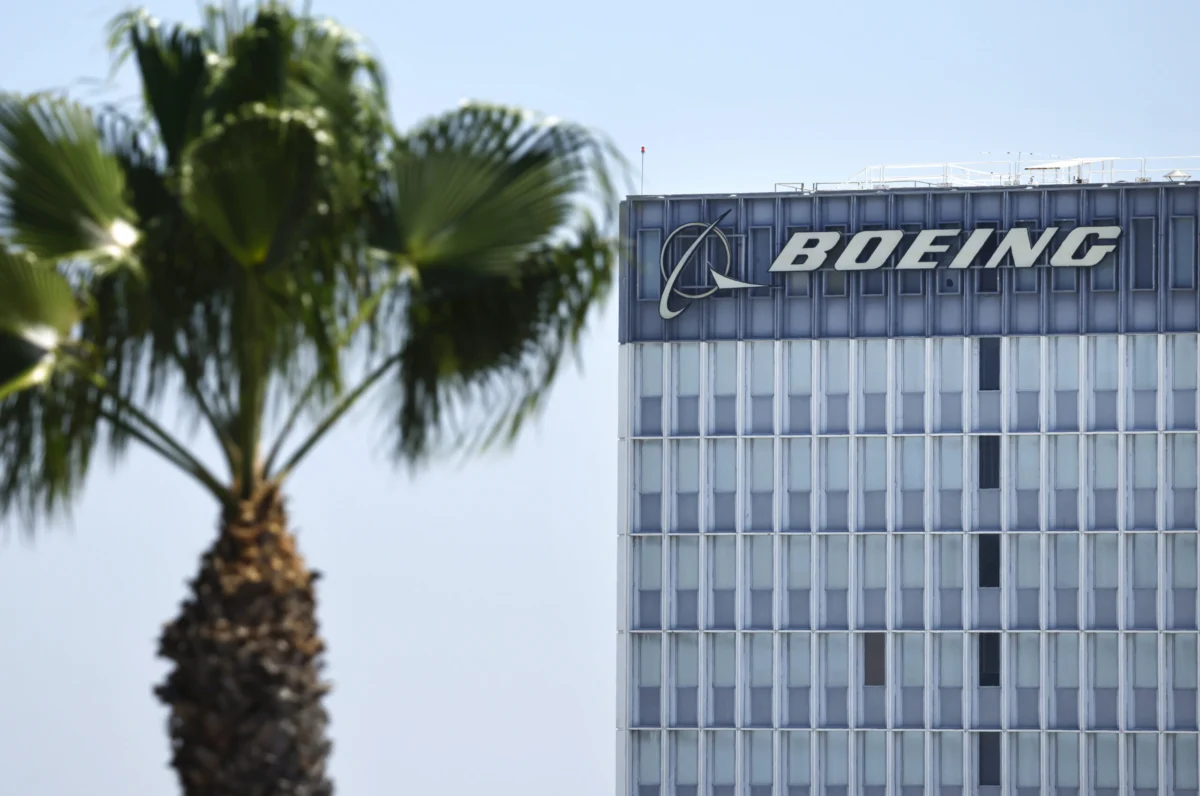
In a landmark transaction signaling a major realignment within the aerospace industry, The Boeing Company has reached an agreement to sell three of its prominent subsidiaries—Wisk Aero, SkyGrid, and Insitu—to Archer Aviation. The deal, announced on August 3, 2026, marks a pivotal moment for both companies as they navigate a rapidly evolving aviation landscape defined by a push for electrification, autonomy, and a return to manufacturing fundamentals. Under the terms of the agreement, Boeing will transfer full ownership of the three entities to Archer in exchange for a significant equity stake in the California-based electric vertical take-off and landing (eVTOL) startup.
Market reaction to the news was immediate and lopsided. Shares of Archer Aviation surged 18% in premarket trading as investors cheered the massive influx of intellectual property and established technology. Conversely, Boeing’s stock saw a marginal slip of 0.2%, reflecting a cautious but stable reception to the company’s ongoing efforts to streamline its sprawling portfolio. The move is widely interpreted as a "back to basics" play by Boeing, which has spent the last two years attempting to stabilize its commercial and defense divisions following a series of high-profile production and safety challenges.
A Strategic Exchange of Innovation and Scale
The three subsidiaries involved in the sale represent the cutting edge of unmanned and autonomous flight. Wisk Aero, perhaps the most high-profile of the trio, has been a leader in developing self-flying eVTOL aircraft. Originally a joint venture between Boeing and Kitty Hawk (the now-defunct startup backed by Larry Page), Boeing took full control of Wisk in early 2023. Wisk’s sixth-generation aircraft is designed to operate without a pilot on board, a feat that sets it apart from many competitors who are initially pursuing piloted operations.
SkyGrid, the second entity in the deal, specializes in digital infrastructure. As urban air mobility (UAM) moves from the experimental phase to commercial reality, the industry requires sophisticated air traffic management systems capable of deconflicting hundreds of small, low-altitude aircraft. SkyGrid’s software platform is designed to provide the "highways in the sky" necessary for safe, scalable air taxi operations.
The third subsidiary, Insitu, offers a more traditional but equally vital technological footprint. Based in Bingen, Washington, Insitu is a veteran in the unmanned aerial system (UAS) market. Its high-altitude drones, most notably the ScanEagle and Integrator, have been staples of maritime and land-based surveillance for the U.S. Navy and international allies for over two decades. By acquiring Insitu, Archer Aviation significantly diversifies its portfolio, moving beyond urban passenger transport into the lucrative defense and government surveillance sectors.
Boeing’s Path to Simplification Under Kelly Ortberg
The decision to divest these assets is a direct reflection of the leadership strategy implemented by Kelly Ortberg, who took the helm as Boeing’s CEO in August 2024. Ortberg inherited a company grappling with the fallout of the 737 MAX crisis, delays in the 777X program, and mounting losses in its defense sector. Since his appointment, Ortberg has been vocal about the need for Boeing to stop overextending itself and focus on its "Big Three" core businesses: commercial airplanes, defense and space, and global services.
"We need to reset priorities and create a leaner, more focused organization," Ortberg stated during a late 2024 earnings call, a sentiment he has reinforced through subsequent structural changes. By offloading Wisk, SkyGrid, and Insitu, Boeing reduces its direct R&D expenditure and operational overhead in high-risk, long-horizon sectors. However, by taking an equity stake in Archer, Boeing ensures it remains a primary beneficiary of the eVTOL revolution without having to manage the day-to-day complexities of startup-style development.
Brian Yutko, Boeing’s vice president of commercial airplanes product development, emphasized that the deal is a win for the technology itself. According to Yutko, the transition allows these specialized units to accelerate their time to market under Archer’s agile management, while Boeing retains a "vested interest in the future of flight" through its investment.
Archer Aviation’s Transformation into an Aerospace Powerhouse
For Archer Aviation, the acquisition is nothing short of transformative. Until now, Archer was primarily focused on its "Midnight" aircraft—a piloted four-passenger eVTOL designed for short-range urban hops. By absorbing Wisk, Archer now controls the most advanced autonomous flight program in the world. This provides Archer with a dual-track strategy: launching piloted commercial flights in the near term while simultaneously developing the autonomous technology that many experts believe is the only way to make air taxis truly profitable at scale.
Archer CEO Adam Goldstein framed the deal as a "diversified platform" play. "This is the next big step forward in becoming a more robust entity," Goldstein said. "By bringing Wisk, SkyGrid, and Insitu under the Archer umbrella, we are not just building an aircraft; we are building the entire ecosystem—from the drones that serve our military to the software that manages the skies."

The addition of Insitu is particularly strategic. It allows Archer to compete for Department of Defense (DoD) contracts immediately, providing a steady stream of revenue that is less dependent on the complex regulatory approvals required for urban passenger flight. It also leverages Archer’s expertise in electric propulsion to potentially modernize Insitu’s existing drone fleet with quieter, more efficient electric or hybrid powerplants.
The Broader Context: The Race to the 2028 Olympics
The timing of this deal is crucial. The eVTOL industry is currently in a race against the clock to meet the Federal Aviation Administration’s (FAA) "Innovate28" framework. This initiative aims to have air taxi operations functional in at least one U.S. location by 2028, coinciding with the Los Angeles Summer Olympics.
Archer, along with its primary rival Joby Aviation, has been aggressively lobbying for infrastructure and regulatory pathways. By acquiring SkyGrid, Archer now owns a key piece of the regulatory puzzle. Having a proprietary air traffic management system could give Archer a significant advantage in working with the FAA to establish "vertiports" and flight corridors in densely populated cities like Los Angeles, New York, and Chicago.
Furthermore, the consolidation of Wisk into Archer removes a major competitor from the field and replaces it with a partner. This consolidation is a sign of a maturing industry where the massive capital requirements of aerospace manufacturing are forcing smaller players to merge and larger players to pick their battles.
Financial and Operational Implications
From a financial perspective, the deal is structured to preserve cash for both parties. Boeing avoids a cash-draining divestiture by accepting equity, which could appreciate significantly if Archer successfully scales. For Archer, issuing shares instead of spending billions in cash allows it to maintain its liquidity for the final stages of the "Midnight" aircraft’s certification process.
However, integration challenges remain. Merging the cultures of a legacy drone manufacturer like Insitu, an autonomous-first startup like Wisk, and an air-traffic software firm like SkyGrid will require deft management from Goldstein’s team. There is also the question of how the FAA will view the merger of autonomous and piloted programs under one roof, as the certification pathways for the two are currently distinct.
A New Chapter for Urban Air Mobility
As of August 2026, the aerospace sector is at a crossroads. Boeing’s retreat from direct ownership of these subsidiaries signals a period of consolidation where the "titans" of the 20th century are partnering with the "disruptors" of the 21st. Boeing’s stake in Archer suggests that while the company may not want to build the air taxis itself, it still believes the market is worth billions.
For the traveling public, this deal likely accelerates the arrival of air taxis. With Archer now commanding a vast array of Boeing-developed technologies, the path to commercialization is clearer. If Archer can successfully integrate Wisk’s autonomy and SkyGrid’s management systems, the dream of "pressing a button and getting a flight" across a congested city moves several years closer to reality.
The deal also serves as a reminder of the shifting priorities in global defense. The inclusion of Insitu highlights that the future of the military is unmanned and high-altitude. As Archer expands its military portfolio, it joins the ranks of other "new-defense" companies like Anduril, which are challenging traditional contractors by prioritizing software and rapid iteration over decades-long procurement cycles.
In the end, this transaction reshapes the competitive landscape. Archer Aviation has evolved from a startup with a promising prototype into a diversified aerospace conglomerate with interests in commercial transport, military surveillance, and digital infrastructure. Boeing, meanwhile, takes another step toward the "leaner, more focused organization" Kelly Ortberg promised—a company that builds the world’s commercial jets and defense systems while letting its partners lead the way into the urban skies.
