

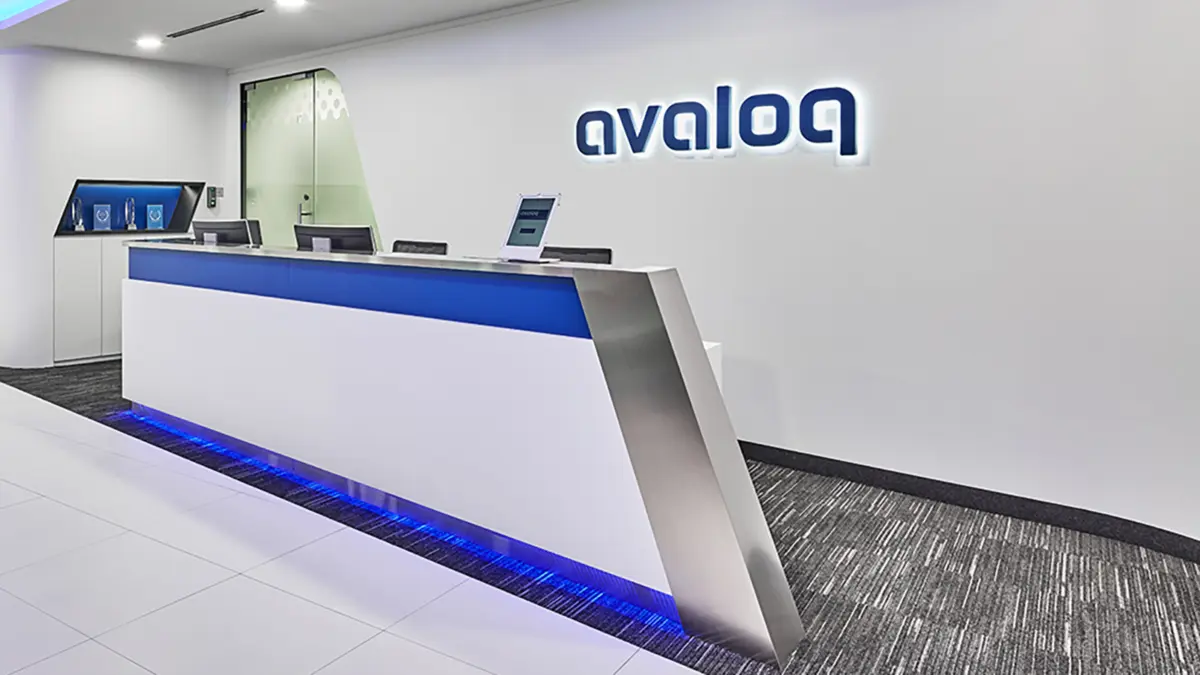
New York, NY – November 13, 2026 – Avaloq, a prominent Swiss-based provider of digital banking and wealth management technology, has officially announced its strategic entry into the United States market. This expansion marks a significant move for the company, which currently manages over $5.1 trillion in client assets and powers the core operations for more than 170 wealth managers and banks across 35 countries. The firm’s arrival in the U.S. is poised to challenge existing technology infrastructures within the domestic wealth management sector, particularly those struggling with legacy systems and the increasing demand for personalized, AI-driven investment strategies.
Avaloq’s U.S. debut is accompanied by the launch of Avaloq Mosaic, a flexible, modular platform designed to enable wealth managers to modernize their investment technology without requiring a complete overhaul of their existing systems. This innovative solution aims to bridge the gap between disparate investment data and portfolio processes, facilitating seamless integration across current technology environments. Avaloq’s strategy appears to directly target U.S. wealth managers who are increasingly hampered by complex, outdated technology, which impedes their ability to deliver scaled, personalized investment strategies and adopt advanced AI-enabled operating models.
The Avaloq Mosaic platform enters the U.S. market with two foundational capabilities: Portfolio IQ and Allocator. Portfolio IQ offers a comprehensive, real-time view of investments, aggregating holdings, transactions, and portfolio data from multiple accounts, custodians, and other sources. This unified perspective is crucial for advisors seeking to gain immediate clarity on client financial positions. Complementing this is Allocator, a tool engineered to translate sophisticated investment strategies into actionable portfolios for large and complex client bases. It is designed to support portfolio construction, personalization, and ongoing management at scale, addressing a critical need for efficiency and precision in modern wealth management.
The broader Avaloq Mosaic suite further includes Agent Connect, a feature that grants firms governed access to verified investment data through AI tools. Avaloq has indicated plans to expand this suite with additional functionalities in the near future. These planned additions include Tax, which will focus on tax-aware investment management; Asset Servicing, for position keeping and securities event administration; and Lending, to facilitate margin and securities-backed lending decisions. This phased rollout suggests a deliberate strategy to address a spectrum of wealth management needs, from core portfolio management to more specialized financial services.
Suzzanna Gill, the newly appointed president of Avaloq U.S., brings a wealth of experience in wealth management transformation, having held senior positions at established financial institutions such as Morgan Stanley, Credit Suisse, UBS, and Bank of America. Her background is expected to be instrumental in navigating the intricacies of the U.S. market and positioning Avaloq’s offerings effectively.
"U.S. wealth managers are balancing greater scale with increasingly sophisticated portfolios and rising client demand for faster, more personalized insight, often on technology infrastructures built over many years," Gill stated in a press release. "The opportunity for firms is to connect investment data with processes they already have, so they can modernize where it creates the greatest business impact." This sentiment highlights the pragmatic approach Avaloq intends to take, focusing on incremental modernization rather than disruptive replacements for many clients.
Avaloq’s entry into the U.S. market is part of a broader trend of global financial technology leaders expanding their reach into North America. FNZ, another significant player in the wealth management technology space, made its U.S. market debut in 2020 and secured $650 million in capital in November 2025 to fuel its expansion efforts. This competitive landscape suggests a growing recognition of the U.S. market’s potential and the evolving demands of its wealth management sector.
Nitrogen Integrates Advisor Tools with Leading AI Chatbots, Enhancing Workflow Efficiency
In parallel developments within the wealth management technology sector, Nitrogen has announced its Fall 2026 product release, which notably extends its suite of advisor tools into popular AI platforms like Claude and ChatGPT. This release also involves an expansion of capabilities for its agentic AI engine, Nucleus. The integration strategy is designed to embed Nitrogen’s functionalities directly into the workflows and platforms that financial advisors are already utilizing daily.
Advisors can now access Nitrogen’s features through Claude and ChatGPT, deploy Nucleus within collaboration tools such as Slack and Microsoft Teams, and connect via Microsoft Copilot. This ubiquitous integration aims to streamline access to client information and Nitrogen’s proprietary workflows, bringing essential tools directly to where advisors work.
Justin Boatman, Chief Marketing Officer and Head of Product Strategy at Nitrogen, emphasized the user-centric approach behind these integrations. "AI should make it easier for advisors to get work done, wherever they choose to work," Boatman commented. This philosophy underscores a commitment to enhancing advisor productivity by reducing the friction associated with switching between disparate applications. The integrations are equipped with permission-based controls and are available at no additional cost to advisors who already subscribe to Nucleus access.
Further enhancing its Fall release, Nitrogen has also integrated with Contio, an AI-powered meeting intelligence platform founded by Nitrogen co-founder Aaron Klein. Klein, who remains on Nitrogen’s board, has spearheaded this collaboration. Additionally, a bi-directional integration with Zocks, a competitor to Contio, has been established, indicating a strategic effort to broaden the ecosystem of AI-powered meeting and productivity tools available to advisors.
Goodfin Democratizes Private Market Intelligence for AI Agents
Goodfin, an agentic wealth platform focused on broadening access to private-market investing, has announced a significant development: making its proprietary private-market deals and intelligence accessible to external AI agents through the Model Context Protocol (MCP). This move positions Goodfin as a pioneer in the private markets sector, being one of the first platforms of its kind to adopt MCP, a protocol that enables external AI agents to leverage its data and capabilities.
The company first gained attention in Wealth Management in February of this year for its innovative approach to private markets. Anna Joo Fee, founder and CEO of Goodfin, articulated the strategic intent behind this initiative. "We’ve spent years building financial intelligence that is focused on private markets and by opening that intelligence to other agents through MCP, we’re making Goodfin part of a much larger ecosystem and giving external AI agents access to Goodfin’s exclusive deal flow, data and capabilities," Fee stated. This expansion is expected to foster a more interconnected and efficient environment for private market analysis and investment.
Private markets are notoriously complex for AI due to fragmented data, the need for document interpretation, and multi-stage investment workflows encompassing research, due diligence, monitoring, and compliance. Goodfin’s agentic platform, including its Goodfin Go platform, is designed to address these challenges by applying AI-powered intelligence across the entire investment lifecycle. Extending these capabilities through MCP broadens the reach of Goodfin’s architecture beyond its native interface, creating new opportunities for AI-driven insights and actions.
Healthspan Wealth Introduces "Leaky Bucket" Risk Score to Identify At-Risk AUM
In a move aimed at addressing a critical challenge in wealth management – client relationship longevity – Healthspan Wealth has introduced a new set of features culminating in its "Leaky Bucket AUM Risk Score." Launched just three weeks prior to this announcement, Healthspan Wealth’s new scoring system is designed to help wealth managers identify assets under management (AUM) that are at risk due to aging client relationships and the lack of identified successors.
The Leaky Bucket score aims to quantify the risk of revenue attrition stemming from an aging client base, specifically where successors have not been formally identified or engaged. This score provides firms with a metric to assess the portion of their revenue tied to clients and advisors who have surpassed a certain age threshold without a clear succession plan in place. By quantifying this risk, firms can proactively address potential AUM flight.
The scoring mechanism is based on a 100-point index that evaluates risk across 24 variables, weighted across four key themes: relationship breadth and depth, planning breadth and depth, exclusivity, and demographics. This multi-faceted approach allows for a nuanced assessment of a firm’s vulnerability to client attrition due to demographic shifts.
The timing of this launch is particularly relevant given the ongoing "Great Wealth Transfer," a period during which an estimated $84 trillion in assets are expected to change hands. Registered Investment Advisors (RIAs) face significant pressure to retain these assets within families across generations. According to Cerulli Associates, RIAs typically experience average annual asset attrition rates of 2% to 5%, even excluding clients who depart the firm entirely.
"Families often decide whom they trust during the moments when they need the most help," said Suzanne Schmitt, Healthspan’s co-founder and COO. "We’re helping firms recognize that supporting the next generation through those moments is an investment in the future of the business." This statement underscores the human element of wealth transfer and the importance of nurturing intergenerational relationships for long-term business sustainability.
The Healthspan Wealth platform is currently in early access, onboarding a select group of advisor and firm partners. Interested professionals can request a demonstration through the company’s website at healthspanwealth.com.
Broader Implications for the Wealth Management Technology Landscape
The confluence of these announcements from Avaloq, Nitrogen, Goodfin, and Healthspan Wealth paints a vivid picture of the rapidly evolving wealth management technology landscape. Avaloq’s entry signifies increased global competition and a demand for modern, scalable solutions. The company’s modular approach with Avaloq Mosaic suggests a strategic pivot towards addressing the specific pain points of U.S. firms grappling with technological debt, rather than forcing a complete system rip-and-replace. This flexibility is likely to resonate with a broad segment of the market.
Nitrogen’s aggressive integration strategy with leading AI chatbots and collaboration platforms highlights the industry’s growing reliance on AI to enhance advisor productivity and client engagement. By embedding its tools into advisors’ existing workflows, Nitrogen is prioritizing accessibility and ease of use, a critical factor in technology adoption. This trend indicates a future where AI is not a standalone tool but an integrated component of daily advisor operations.
Goodfin’s pioneering use of the Model Context Protocol for private markets underscores the push towards interoperability and data sharing within specialized financial sectors. As AI agents become more sophisticated, the ability to access and process unique data sets, such as those found in private markets, will become a significant competitive advantage. This opens doors for new analytical capabilities and investment strategies previously inaccessible to many.
Finally, Healthspan Wealth’s "Leaky Bucket" score addresses a fundamental business risk that has historically been difficult to quantify and manage. The looming Great Wealth Transfer presents both an opportunity and a challenge, and tools that help firms proactively manage client relationships and generational transitions are likely to see increased demand. The focus on demographics and successor identification points to a more data-driven and strategic approach to client retention and business continuity.
Collectively, these developments signal a strong momentum towards more intelligent, integrated, and data-informed wealth management. The increasing sophistication of AI, coupled with a growing emphasis on user experience and specialized data access, suggests that technology providers who can offer flexible, adaptable, and insight-driven solutions will be best positioned to thrive in the coming years. The U.S. market, with its vast scale and diverse needs, will undoubtedly serve as a crucial proving ground for these innovations.
