

The global effort to mitigate climate change faces one of its most daunting hurdles in the heavy industrial sector, specifically within the realm of steel production. As an industry traditionally reliant on coking coal and carbon-intensive processes, steel manufacturing accounts for a significant portion of global greenhouse gas emissions. However, a strategic shift is underway in India, led by the renewable energy giant Suzlon Group. By forging high-stakes partnerships with global steel leaders like ArcelorMittal, Suzlon is positioning itself as a primary architect of a cleaner industrial future. These collaborations represent a pivotal step in addressing the "thorny" challenge of decarbonization, offering a blueprint for how renewable energy providers can help heavy industry transition away from fossil fuels through large-scale wind and solar integration.
The Suzlon-ArcelorMittal Partnership: A $900 Million Catalyst
In January 2024, Suzlon Group, headquartered in Pune, India, announced a landmark agreement that signaled a new era for industrial energy procurement. The company secured a 248.85-megawatt (MW) wind power order from the ArcelorMittal Group, one of the world’s largest steel producers. This deal is not merely a transactional purchase of hardware; it is a critical component of a massive $900-million investment strategy aimed at revolutionizing ArcelorMittal’s energy footprint in India.
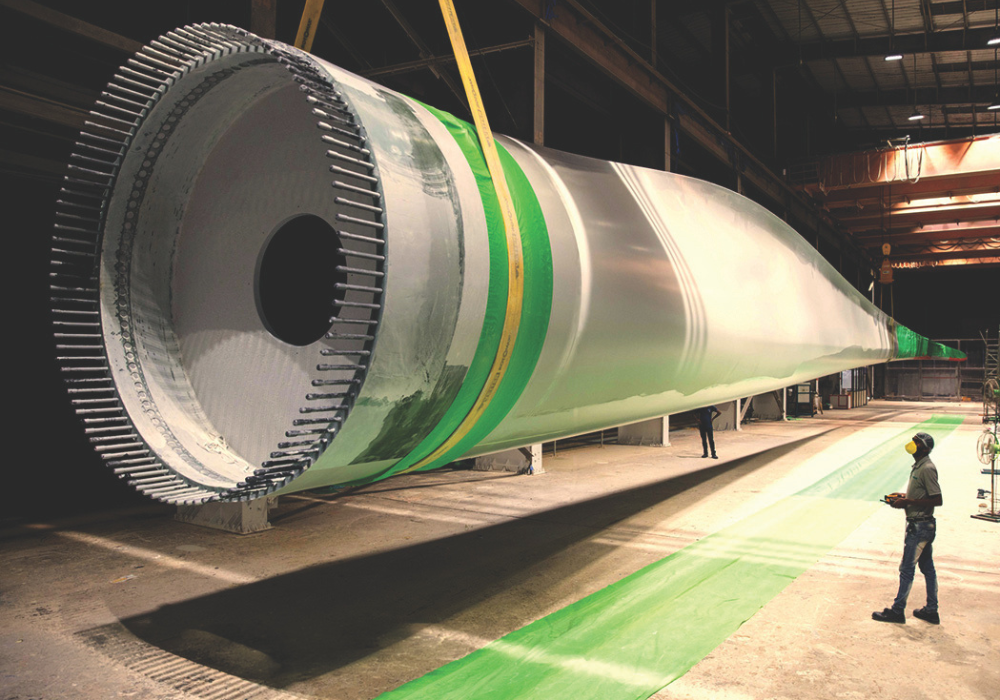
The project scope is expansive, involving the installation of 79 wind turbine generators (WTGs) featuring a hybrid lattice tubular tower. These turbines, each with a rated capacity of 3.15 MW, are part of Suzlon’s 3-MW series, designed specifically to maximize energy yield in the varying wind conditions of the Indian subcontinent. The installations are slated for sites across Maharashtra, Rajasthan, and Gujarat—states that have become the frontlines of India’s renewable energy revolution.
When fully operational, this suite of projects will integrate 250 MW of wind power with 736 MW of solar power and 800 megawatt-hours (MWh) of battery energy storage systems (BESS). This hybrid approach is essential for the steel industry, which requires a steady, "always-on" supply of electricity to maintain its high-heat operations. By combining wind and solar with storage, ArcelorMittal aims to double its renewable capacity in India to two gigawatts (GW) by 2028. The environmental impact is substantial: collectively, these initiatives are projected to eliminate approximately 1.59 million tonnes of carbon dioxide emissions annually.
The Scale of the Challenge: India’s Carbon-Intensive Steel Sector
The urgency of these investments is underscored by the current state of the Indian steel industry. Currently, steel production accounts for roughly 12% of India’s total carbon dioxide emissions. The domestic industry’s carbon intensity is particularly high; for every tonne of steel produced in India, approximately 2.55 tonnes of CO2 are released into the atmosphere. This figure is 38% higher than the global industry average of 1.85 tonnes of CO2 per tonne of steel.
This disparity is largely due to the continued reliance on the Blast Furnace-Basic Oxygen Furnace (BF-BOF) route, which utilizes coal as both a fuel and a reducing agent. As India pursues ambitious infrastructure goals under the "Make in India" initiative, its steel production capacity is expected to soar. Projections suggest that the industry’s annual emissions, currently hovering around 240 million tonnes, could double by 2030 if current practices remain unchanged. Consequently, the success of companies like Suzlon in providing renewable alternatives is not just a corporate milestone but a national environmental necessity.
Navigating the Emissions Spectrum: Scope 1 vs. Scope 2
To understand the impact of Suzlon’s wind projects, it is necessary to distinguish between the different types of industrial emissions. The energy supplied by Suzlon primarily addresses Scope 2 emissions—those resulting from the generation of purchased electricity used by steel facilities. While switching to wind and solar power significantly reduces the carbon footprint of the plant’s auxiliary operations and finishing lines, it does not solve the industry’s most persistent problem: Scope 1 emissions.
Scope 1 emissions are direct emissions from sources owned or controlled by the company. In steelmaking, these occur primarily within the blast furnace, where the chemical reaction required to turn iron ore into molten iron releases massive amounts of CO2. Suzlon’s wind turbines provide the "green" electricity needed to power the site, but they do not replace the coal-fired furnaces themselves. This distinction is at the heart of the ongoing debate over what truly constitutes "green steel." For a product to be genuinely carbon-neutral, manufacturers must address the chemical process of iron reduction, moving toward technologies like Green Hydrogen-based Direct Reduced Iron (DRI) or Electric Arc Furnaces (EAF) powered entirely by renewables.
The Technological Evolution: Beyond the Blast Furnace
The transition to lower-carbon steel requires a fundamental shift in manufacturing technology. Currently, about 70% of global steel is produced via blast furnaces. The remaining portion is largely produced using Electric Arc Furnaces, which melt recycled steel scrap or DRI. EAFs are significantly cleaner, especially when paired with a renewable-heavy grid. However, the EAF route faces its own set of challenges, including a global shortage of high-quality steel scrap and the massive capital expenditure required to decommission existing blast furnaces and build new electric facilities.
Today, a little over a quarter of global steel production comes from EAFs. To scale this further, the industry is looking toward "hydrogen metallurgy," where green hydrogen—produced via electrolysis using renewable energy from providers like Suzlon—is used instead of carbon-rich gas or coal to reduce iron ore. This would effectively eliminate the CO2 byproduct of the reduction process, leaving only water vapor. While promising, this technology is still in the pilot and demonstration phases in most parts of the world and requires a massive drop in the cost of green hydrogen to become commercially viable.
Defining "Green Steel": Regulatory Frameworks and Standards
The lack of a globally unified definition for "green steel" has historically allowed for a "Wild West" of environmental claims. Without clear standards, companies can engage in "greenwashing"—marketing products as environmentally friendly based on minor improvements while ignoring the bulk of their carbon impact.
However, the regulatory landscape is shifting rapidly. India took a leadership role in this area by adopting an official definition for green steel in December 2024. This move provides a clear benchmark for domestic producers and helps align Indian exports with international expectations. Similarly, the European Union is developing stringent standards for low-emissions steel under its upcoming green product rules and the Carbon Border Adjustment Mechanism (CBAM). The CBAM, in particular, will impose a carbon price on imports of carbon-intensive goods, including steel, forcing Indian exporters to decarbonize or face significant financial penalties when selling to the European market.
In the United States, the federal government is utilizing its massive purchasing power to drive change. New programs steer public procurement toward low-carbon materials, and proposed legislation seeks to support the construction of steel plants that meet the criteria of "ResponsibleSteel," an international sustainability standard.
Expert Analysis and the Path Forward
The role of regulatory frameworks cannot be overstated. Ysanne Choksey, a representative of the German think tank Agora Energiewende, emphasizes that these rules are the "critical benchmarks" necessary to ensure that capital flows toward genuine innovation rather than superficial marketing. "What the industry needs are rules that direct investments into low-carbon technologies," Choksey notes. She warns that weak standards risk enabling greenwashing, allowing firms to label products as "green" without making the necessary multi-billion-dollar capital investments to overhaul their core operations.
The implications of this transition are both economic and environmental. For Suzlon, the steel industry represents a massive, untapped market for renewable energy capacity. For steelmakers, renewable energy is the first and most accessible step in a long, expensive journey toward net-zero.
Timeline of Key Developments in Industrial Decarbonization
- 2021-2022: Global steel prices surge, increasing the capital available for R&D in green technologies. Suzlon begins refocusing its business model on large-scale "Commercial & Industrial" (C&I) clients.
- January 2024: Suzlon secures the 248.85 MW wind power order from ArcelorMittal, marking one of the largest renewable-to-industry deals in India.
- December 2024: India officially adopts a legal definition for "Green Steel," setting the stage for domestic carbon markets.
- 2025-2026: Expected commencement of the EU’s CBAM full implementation, placing pressure on global steel exporters to lower their carbon intensity.
- 2028: ArcelorMittal’s target date to reach 2 GW of renewable energy capacity in India, aided by Suzlon’s wind infrastructure.
- 2030: The Indian government’s target for reaching 300 million tonnes of steel production capacity, a goal that must be balanced against its "Net Zero by 2070" commitment.
Conclusion: A Symbiotic Relationship for a Greener Future
The partnership between Suzlon and ArcelorMittal is a microcosm of the broader industrial transition. It illustrates that while renewable energy alone cannot "fix" the steel industry’s carbon problem, it is an indispensable foundation. By reducing Scope 2 emissions and providing the cheap, clean power necessary for future technologies like green hydrogen and EAFs, Suzlon is enabling the steel industry to take its first meaningful steps toward sustainability.
The road ahead remains challenging. It will require not only the deployment of thousands of more wind turbines and solar panels but also a total reimagining of how iron is refined and how steel is recycled. However, with clear regulatory definitions, massive capital investments, and strategic partnerships between energy providers and industrial giants, the vision of a "green" steel industry is moving from a theoretical possibility to a tangible industrial reality. The success of this transition in India, one of the world’s most critical growth markets, will likely determine the success of global industrial decarbonization efforts for decades to come.
