

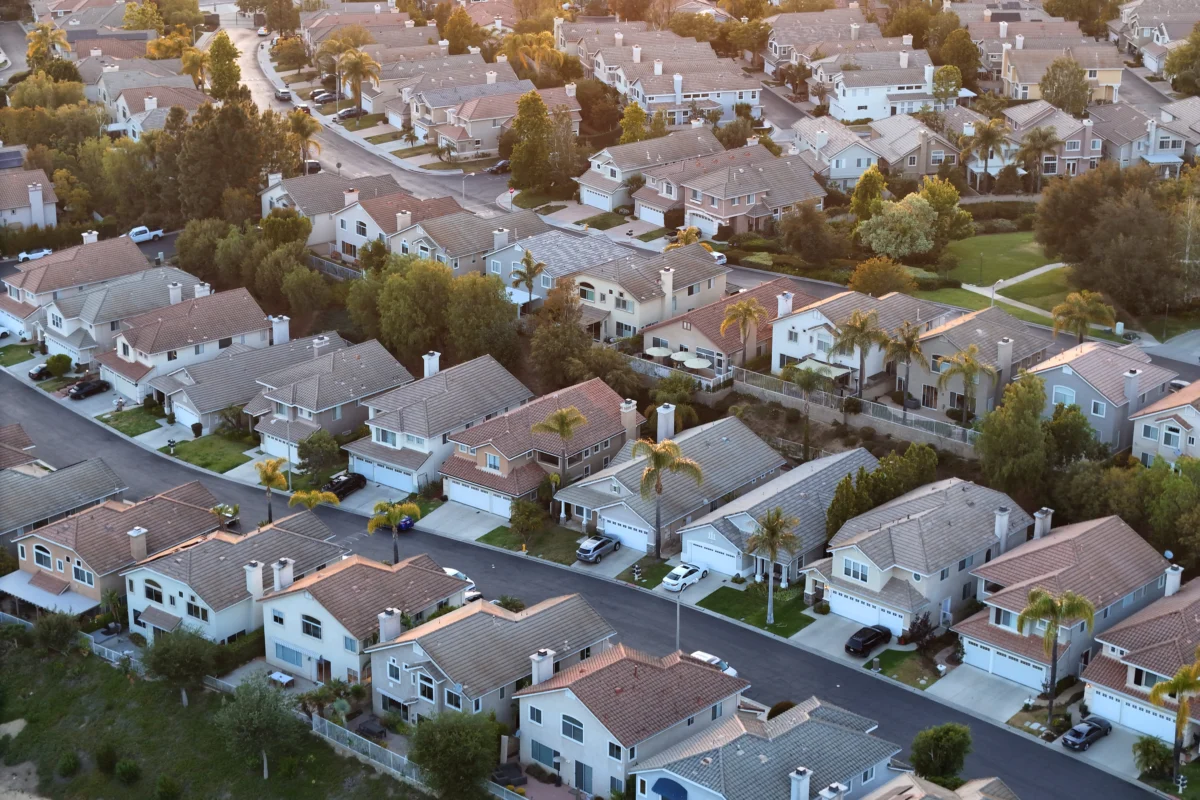
Investor sentiment in the single-family housing market has plummeted to an unprecedented three-year low, signaling profound anxieties among real estate professionals regarding the escalating costs of finance, insurance, and property acquisition, further exacerbated by the ongoing geopolitical conflict in Iran. The sharp decline, recorded at the end of June 2026, reflects a growing pessimism that permeates both the fix-and-flip and rental property segments, threatening to reshape the landscape of individual and mid-sized real estate investment across the nation.
The RCN Capital/CJ Patrick Company Investor Sentiment Index (ISI), a critical quarterly barometer surveying over 300 active investors, revealed a dramatic downturn for the second consecutive quarter. Only 26% of respondents expressed a belief that market conditions had improved compared to a year ago, marking the lowest positive outlook since the index’s inception in 2023. This figure represents a significant drop from 35% in the first quarter of 2026. Conversely, a substantial 45% of investors surveyed now believe that market conditions have deteriorated, the highest level of pessimism recorded in the survey’s history. This stark reversal from previous quarters underscores a rapidly shifting economic environment, where a confluence of factors is eroding the confidence that once characterized this dynamic sector.
A Confluence of Economic and Geopolitical Headwinds
The erosion of investor confidence is not attributable to a single cause but rather a complex interplay of economic pressures and geopolitical instability. Jeffrey Tesch, CEO of RCN Capital, a prominent private lender to real estate investors, articulated the multifaceted challenges in a recent statement: "In addition to the ongoing conflict in Iran, rising finance costs, limited inventory, escalating home and renovation costs, and downward pressure on rental rates are all contributing factors for their increased pessimism." This comprehensive assessment paints a grim picture for investors navigating an increasingly unpredictable market.
The Shadow of Rising Interest Rates
Perhaps the most immediate and impactful factor is the sharp increase in mortgage rates. Following a brief period of moderation at the end of February 2026, rates surged dramatically with the onset of intensified hostilities in Iran. They now stand at their highest point in over a year, placing significant financial strain on investors reliant on borrowed capital. More than half of the survey respondents explicitly identified the high cost of financing as "one of the biggest problems in today’s market." A staggering three-quarters of these investors harbor no expectation of near-term rate relief, with a notable segment even anticipating further increases.
To contextualize this, central banks, including the Federal Reserve, have been engaged in a sustained campaign to combat persistent inflationary pressures that have lingered since late 2023. Following a series of aggressive rate hikes throughout 2024 and early 2025, benchmark rates had somewhat stabilized, leading to the brief dip in mortgage rates in late February. However, the geopolitical shockwaves emanating from the Iran conflict reignited inflation concerns, particularly regarding energy prices, compelling central banks to maintain a hawkish stance. Analysts from Global Economic Insights noted that the average 30-year fixed mortgage rate, which had touched 6.8% in February, spiked to over 8.1% by late May, representing a significant jump that directly impacts the profitability calculations for real estate investors. For investors utilizing bridge loans and other short-term, variable-rate financing common in fix-and-flip operations, the increases have been even more acute, with some seeing their borrowing costs climb by 150-200 basis points in a matter of weeks.
Escalating Costs Beyond Finance: Insurance and Renovation
Beyond financing, the operational costs of real estate investment have seen unprecedented surges. Home insurance premiums, a significant component of carrying costs, have been on a relentless upward trajectory. This trend is driven by several factors, including the increasing frequency and severity of climate-related events—such as wildfires in regions like California, extreme weather across the Midwest, and coastal flooding—which have led to substantial payouts by insurers. In many states, insurers have responded by significantly raising premiums, tightening coverage, or even withdrawing from certain high-risk markets entirely. Data from the National Association of Property Insurers indicates an average nationwide increase of 18% in homeowner insurance premiums in 2025, with specific high-risk areas experiencing hikes of over 30%.
Simultaneously, the costs associated with home renovation and construction have continued their upward climb. Supply chain disruptions, remnants of the post-pandemic era, coupled with persistent labor shortages in skilled trades, have inflated material and labor costs. Lumber, steel, plumbing fixtures, and electrical components have all seen price increases ranging from 10-25% over the past year. This directly erodes the profit margins of fix-and-flip investors, who rely on predictable renovation budgets to ensure project viability. "The calculus for a profitable flip has become exponentially more complex," stated Eleanor Vance, President of the National Association of Real Estate Investors. "What might have been a viable project six months ago could now be underwater due to unexpected increases in materials and labor, not to mention the higher carrying costs from interest rates."
The Geopolitical Shadow: War in Iran
The ongoing conflict involving Iran has cast a long shadow over global markets and directly contributed to the current economic malaise. While the specifics of the conflict remain a complex international issue, its economic ramifications are clear. The escalation of tensions and military engagements, which intensified dramatically in late February 2026, immediately sent shockwaves through global energy markets, driving up crude oil prices. This, in turn, has translated into higher transportation costs for construction materials, increased utility bills for rental properties, and a general inflationary pressure across the economy. Furthermore, the broader geopolitical uncertainty discourages investment, leading to a flight to safety and a more conservative approach from lenders and investors alike. The conflict has disrupted supply lines for various commodities and manufactured goods, indirectly contributing to the rising costs faced by the real estate sector.
Legislative Interventions: The 21st Century ROAD to Housing Act
Adding another layer of complexity to the investment landscape is the recently enacted 21st Century ROAD to Housing Act. This landmark legislation, passed in early 2026, aims to address housing affordability by limiting the expansion of large institutional investors in the single-family housing market. Specifically, the act generally prohibits investors with at least 350 single-family homes from acquiring additional properties. This measure was championed by advocates who argued that institutional buying was pricing out individual homebuyers and exacerbating housing shortages in certain markets.
While the act primarily targets massive corporate entities, its very existence has sent ripples through the entire investor community. The vast majority of investors surveyed in the ISI report fall into the small- to mid-sized category, distinct from the large institutional players constrained by the new law. These smaller investors typically rely on a mix of bridge loans for short-term projects, specialized investor loans for rental properties, and conventional 30-year fixed-rate mortgages. Notably, 28% of those surveyed reported paying cash for their recent purchases, highlighting a segment less directly impacted by interest rate fluctuations but still vulnerable to rising property and insurance costs.
The ROAD to Housing Act, while not directly impacting smaller investors’ acquisition limits, influences market dynamics by potentially reducing competition from institutional buyers in some segments. However, it also creates an environment of regulatory uncertainty and signals a governmental intent to actively shape the housing market, which can make some investors more cautious. "The Act is a double-edged sword," explained Dr. Anya Sharma, a housing policy expert at the Metropolitan Institute for Urban Development. "While it could theoretically open up more inventory for smaller investors and owner-occupants by curbing institutional behemoths, it also suggests a tightening regulatory environment that could evolve further, potentially impacting even smaller players in the future."
Impact on Investor Purchase Activity and Market Outlook
The cumulative effect of these pressures is demonstrably impacting investor behavior. Rick Sharga, CEO of the CJ Patrick Company, highlighted the significant slowdown in acquisition activity: "Real estate investors purchased 23% fewer homes in the first quarter of 2026 than they did in the previous quarter and in the first quarter of 2025." This sharp decline underscores a widespread hesitation to commit capital in the current environment. Furthermore, the survey reveals a bleak outlook for future acquisitions, with 32% of respondents stating they do not plan to buy any properties at all this year. A mere 9% anticipate increasing their property acquisitions compared to a year ago, indicating a significant contraction in investor-driven market activity.
Despite this pullback in purchasing, an interesting paradox emerges regarding price expectations. More than 60% of respondents now expect home prices to rise over the next six months, an increase from just under 52% in the prior survey. This suggests that while investors are hesitant to buy at current prices and costs, they still foresee continued appreciation in property values. This seemingly contradictory sentiment can be attributed to several factors: persistent housing supply shortages in many desirable markets, continued demand from a growing population, and the inflationary environment itself, which can drive up the nominal value of assets. Higher prices, while increasing the potential value of existing holdings, simultaneously raise acquisition costs for new investments, making the entry barrier even higher for those contemplating purchases.
Broader Implications and Future Outlook
The dramatic decline in single-family housing investor confidence carries significant broader implications for the housing market and the economy as a whole. A sustained reduction in investor activity, particularly from small-to-mid-sized entities, could impact the availability of renovated homes for sale and the supply of rental properties. Many smaller investors play a crucial role in revitalizing older housing stock and providing rental options in communities. Their retrenchment could lead to:
- Reduced Housing Supply: Fewer fix-and-flip projects mean fewer updated homes entering the market, potentially exacerbating existing inventory shortages.
- Stagnation in Rental Markets: While some investors noted "downward pressure on rental rates," a significant reduction in new rental property acquisitions could, in the longer term, lead to tighter rental markets and eventual upward pressure on rents if demand outstrips the dwindling supply of investor-owned rental units.
- Economic Ripple Effects: The real estate sector is a significant driver of economic activity, supporting construction, renovation, lending, and related service industries. A slowdown in investor activity can have cascading negative effects on employment and overall economic growth.
- Market Bifurcation: The combination of the ROAD to Housing Act and the current economic pressures could further stratify the market. Large institutional investors are constrained, while small-to-mid-sized investors face severe economic headwinds. This could leave a gap in certain market segments or shift investment strategies towards less capital-intensive ventures.
Looking ahead, the recovery of investor confidence hinges on several critical factors. A significant easing of interest rates, which would likely require a substantial cooling of inflation and a stable global economic outlook, is paramount. Resolution or de-escalation of the conflict in Iran would also contribute to greater stability and predictability in energy markets and the broader economy. Furthermore, addressing the underlying issues of housing supply shortages and the escalating costs of insurance and renovation will be essential to restoring the attractiveness of single-family housing as an investment vehicle. Until these systemic challenges are adequately addressed, the single-family housing investment market appears set for a period of continued caution and contraction, with small-to-mid-sized investors bearing the brunt of the current economic storm.
