

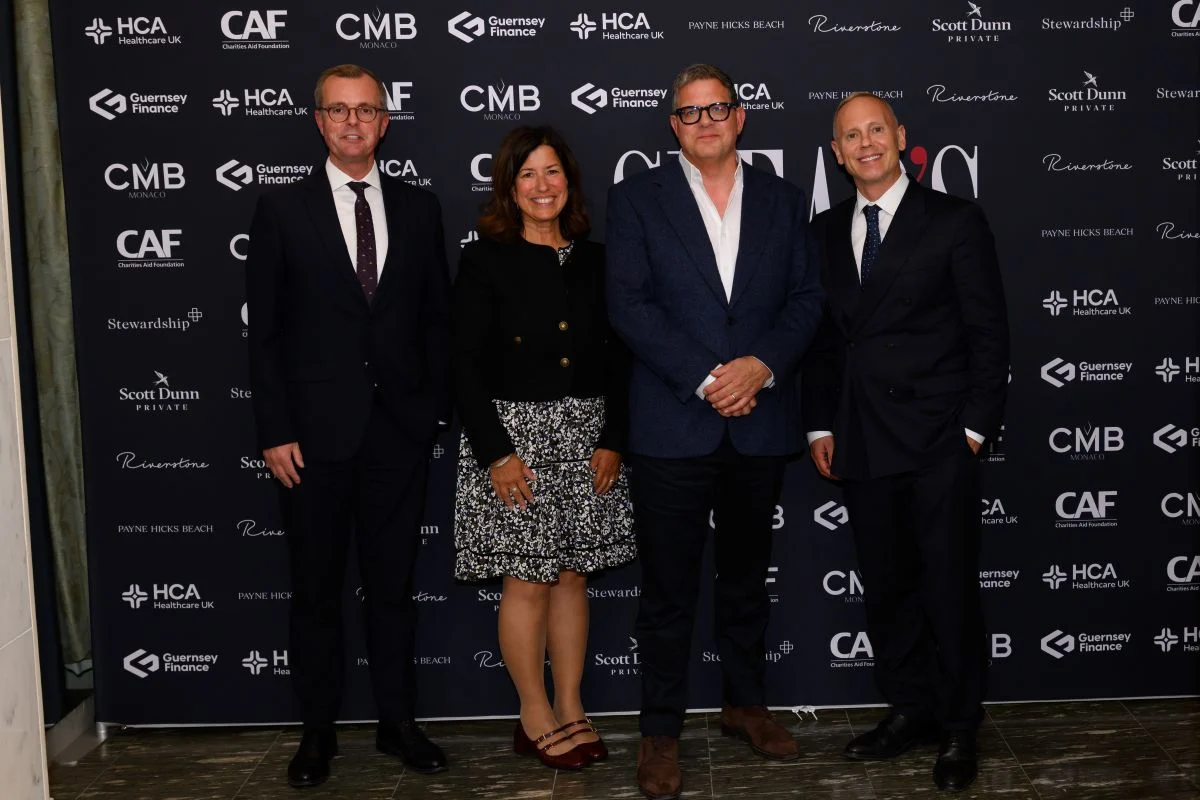
Barrister and media personality Rob Rinder MBE has characterized the current digital landscape, particularly social media platforms and emerging AI chatbots, as a chaotic and unregulated "Wild West" for individuals and organisations attempting to safeguard their reputations. Speaking at Spear’s 500 Live on 6 May, Rinder highlighted the profound challenges posed by the rapid evolution of online communication and the difficulties in establishing accountability for defamatory or misleading content.
The event, held at The Savoy in London, brought together leading experts in reputation management, law, and wealth advisory to dissect the complexities of navigating misinformation, disinformation, and the ever-present threats to personal and corporate standing in the digital age. Rinder, widely recognized for his role as "Judge Rinder" on ITV, although not a sitting judge, articulated a stark reality: the very platforms that have democratized information dissemination also present unprecedented hurdles for reputation management.
"There is no uniform way in which TikTok, X, and Instagram are required to lawfully behave, because it’s worth remembering they aren’t publications, they’re platforms," Rinder stated, emphasizing the distinction that often complicates legal recourse. "It’s quite literally the Wild West." This sentiment underscores a critical issue: the global nature of these platforms and the differing legal frameworks across jurisdictions create a complex web for those seeking to address online harms.
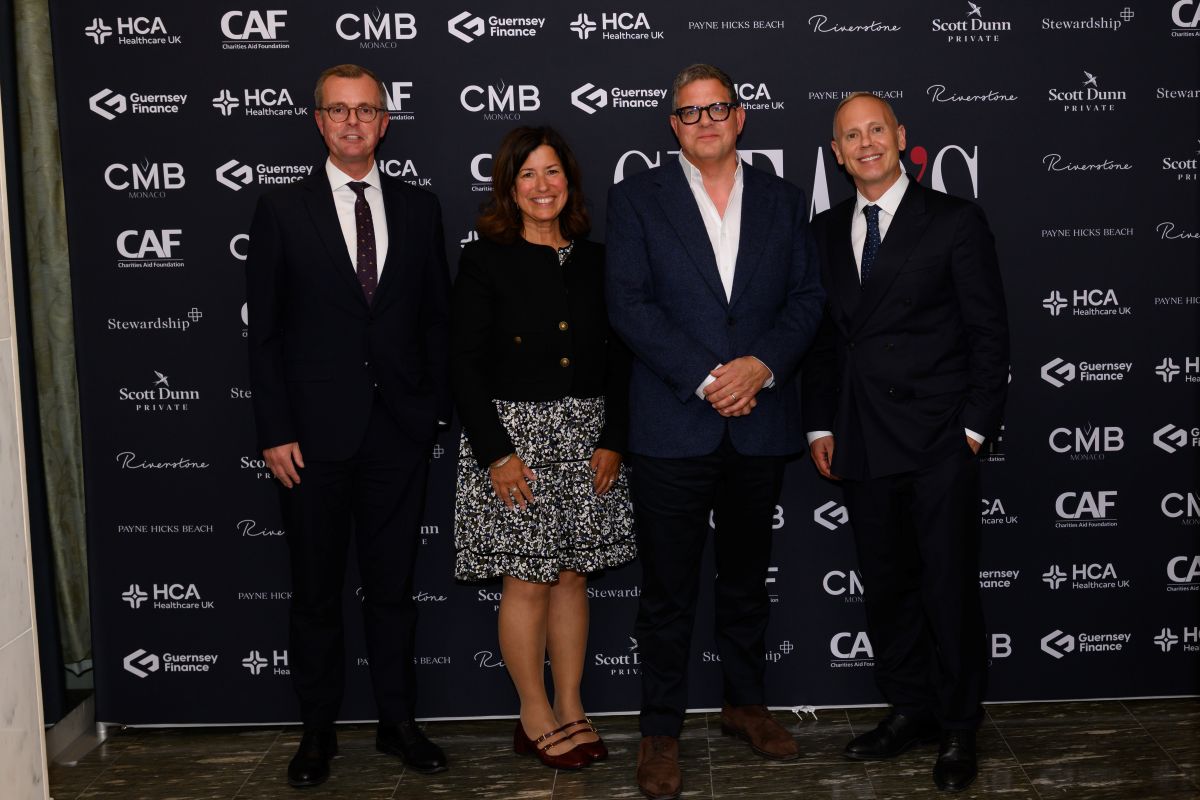
The panel, titled "Misinformation, disinformation and the evolution of reputational threats in the digital age," delved into the escalating stakes for high-net-worth individuals (HNWIs) and businesses whose reputations are increasingly intertwined with their online presence. Rinder, a prominent public figure himself, shared insights drawn from his experience with the challenges of managing public perception in an era where false narratives can spread with viral speed.
"We are at a new moment where it is not just a different idea of truth, not just post-truth, where reputations of individuals and companies have never, ever been more threatened," he asserted. This sentiment resonates with a growing concern among professionals in the legal and communications sectors, who witness firsthand the devastating impact of online falsehoods. Data from various industry reports consistently indicate a rise in online defamation cases and reputational crises, often originating from social media or less regulated online forums.
Rinder further elaborated on the practical difficulties faced by those seeking redress. "It is not about whether [your lawyer] thinks you have been defamed. It’s about whether or not there’s anything you can do about it." This statement points to a significant gap between the legal definition of defamation and the practical enforceability of such laws in the borderless digital space. The sheer volume of content, the speed of its propagation, and the anonymity often afforded to perpetrators make identifying and prosecuting offenders a formidable task.
The Delicate Balance: Overreaction vs. Underreaction
Reputation manager Andrew Honnor, founder of Greenbrook, a prominent firm in the field, echoed Rinder’s concerns, stressing the delicate balance required when managing a reputational crisis. "These could be very difficult, emotional things," Honnor noted. "It may well be the most difficult situation an individual, in their personal life, has had. So, there is a risk of overreaction, as well as underreaction. You do have to balance it out quite carefully."
This advice is particularly pertinent in an age where AI-generated content can mimic legitimate news sources with unnerving accuracy, and the speed at which information travels can escalate a minor issue into a full-blown crisis within hours. Honnor elaborated on the accelerating pace of the digital news cycle, stating, "It’s turbocharging everything in terms of speed, how issues develop, and how you need to respond. We find we need to lead more quickly than we used to before. And even with social media, we’ve got speedier, but now I feel we’re sprinting all the time."
The implications of this accelerated environment are significant. For HNWIs and corporations, a delayed or mishandled response can result in irreparable damage to their brand, personal relationships, and financial standing. The ability to quickly assess a situation, formulate a strategy, and implement it effectively is paramount. This often requires a coordinated effort involving legal counsel, public relations experts, and digital forensics teams.
Unmasking the Motive: The Key to Reputational Defence
Defence and investigations lawyer Mark Jones, of Payne Hicks Beach, emphasized the critical importance of understanding the underlying motive behind any reputational threat. "Motive is always one of the most important things that I look for, in terms of ‘why this is happening’ and ‘where is it coming from?’" Jones explained. "It is often quite important in terms of dictating how you may then go on to deal with the matter, and what the response might look like."
Identifying the source and motivation behind a smear campaign or misinformation can provide crucial leverage in developing a defence strategy. Whether the aim is financial gain, political influence, personal vendetta, or simply disruption, understanding the intent can inform legal actions, public statements, and damage control efforts. Jones cautioned against impulsive reactions, noting that while clients are entitled to representation, a measured approach is essential. He humorously alluded to the legal principle of presumed innocence, stating, "The presumption of innocence, as far as I’m aware, still exists in this country."

The Evolving Role of Law Firms and the Need for Regulation
Hanna Basha, also a reputation lawyer at Payne Hicks Beach, seconded the sentiment regarding the need for careful strategy. However, she introduced a crucial point about the evolving responsibilities of law firms themselves. In an era marked by an increase in Strategic Lawsuits Against Public Participation (SLAPPs), law firms must exercise due diligence in selecting clients to safeguard their own professional reputations.
SLAPPs, characterized by the use of intimidating legal action to silence critics or journalists, have become a growing concern. While legislation such as the Economic Crime and Corporate Transparency Act 2023 in the UK addresses some aspects of SLAPPs in financial cases, advocates like the UK Anti-SLAPP Coalition argue that a more comprehensive legal framework is still needed to protect individuals and organizations from such tactics.
"We have to be careful, especially in the SLAPPs world that we now live in, as defamation and reputation lawyers," Basha stated. She added, "But, as Mark said, people are entitled to representation." This highlights the inherent tension between providing legal services and maintaining ethical standards in an increasingly complex and often adversarial environment.
Basha, like Rinder, called for greater regulation of social media platforms. "I think we need more regulation on social media platforms," she urged. "So often, people will say ‘it’s on social media, it’s in the press, what do we do now?’. The most difficult thing for us is getting instructed after the first publication." The delay in legal intervention is often a critical factor in the success or failure of reputation management efforts, as early action can sometimes prevent widespread dissemination and mitigate long-term damage.

The Enduring Value of Decorum in the Digital Age
Despite the daunting challenges presented by the digital frontier, Rob Rinder concluded with a timeless piece of advice that transcends technological advancements. "The first thing is to not be an arsehole," he stated, reminding the audience that fundamental principles of good conduct and respect still hold significant weight, even in the face of sophisticated online threats. This seemingly simple advice underscores the importance of personal conduct as a foundational element of reputation management, both online and offline.
The Spear’s 500 Live event, a flagship gathering for private client professionals and influential figures within the private wealth and family office ecosystem, provided a crucial platform for these discussions. The 2026 edition, held on May 6th, brought together a curated group of experts and industry leaders to address the most pressing issues facing the sector. The event was presented in association with esteemed partners including the Charities Aid Foundation, CMB Monaco, Guernsey Finance, HCA Healthcare UK, Payne Hicks Beach, Riverstone, Scott Dunn Private, and Stewardship, underscoring the collaborative effort required to navigate the complexities of wealth management and reputation in the modern era.
The discussions at Spear’s 500 Live serve as a vital reminder that while technology continues to reshape the landscape of reputational risk, the core principles of integrity, strategic thinking, and responsible conduct remain indispensable. As AI and social media continue their rapid evolution, the need for clarity, accountability, and robust regulatory frameworks will only become more pronounced, impacting not just individuals but the very fabric of public discourse and trust. The "Wild West" may be a fitting analogy, but the future of reputation management demands a more structured and ethically grounded approach.
