

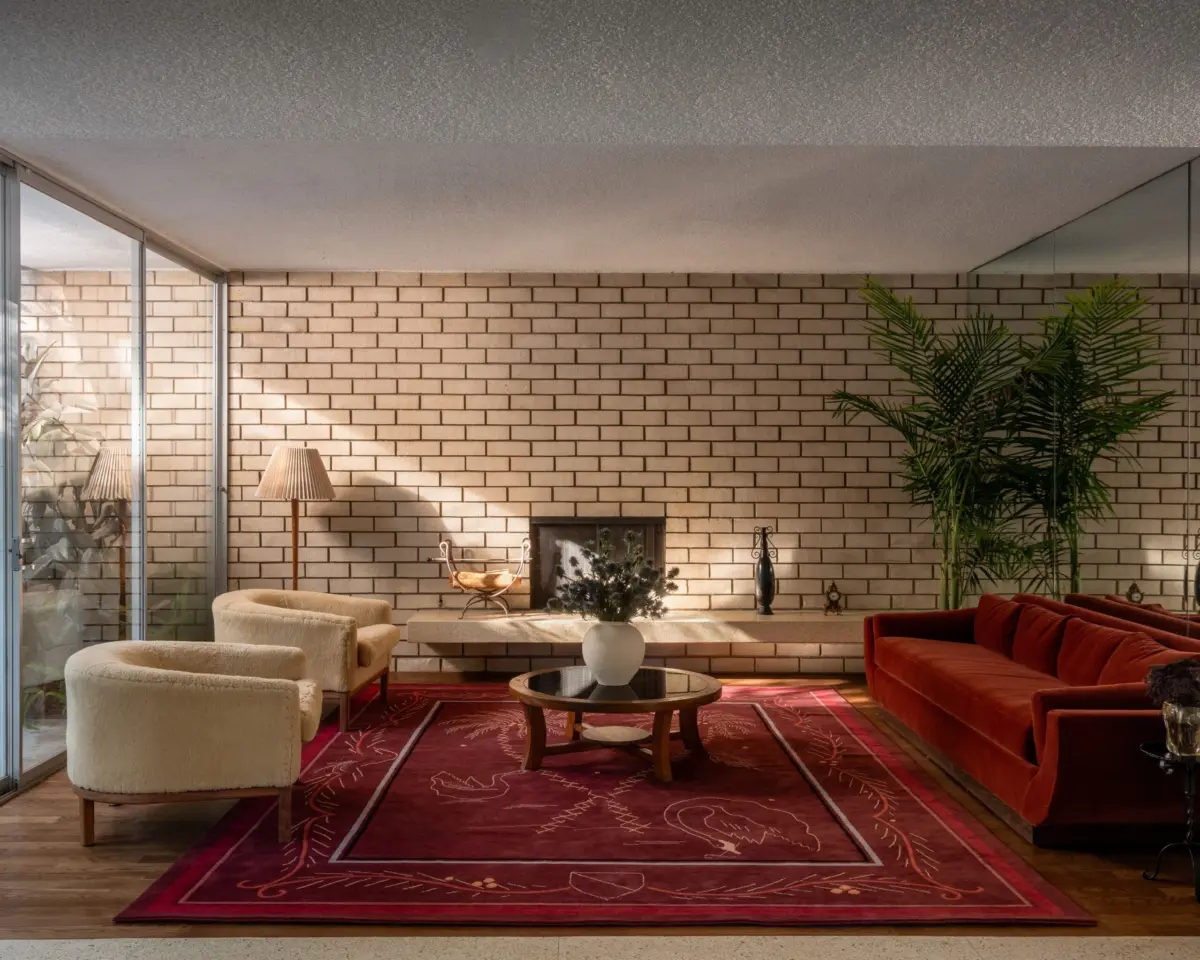
The transition from the runway to the living room has become a definitive hallmark of modern lifestyle branding, and the sustainable fashion powerhouse Reformation is the latest to bridge this gap. For years, patrons of Reformation’s retail boutiques have expressed a consistent curiosity not regarding the linen dresses or recycled cashmere on the racks, but rather the artisanal textiles beneath their feet. According to Lauren Caris Cohan, the brand’s Chief Creative Officer, the aesthetic allure of their physical stores—specifically the custom floor coverings—has generated a persistent demand from a global customer base. Until now, these pieces were the exclusive domain of the brand’s showrooms, meticulously guarded by the French rugmaker Les Editions de Tapis. This week marks a significant pivot in the brand’s commercial strategy as it unveils its debut home collection, a limited-edition collaboration that makes these coveted designs available to the public for the first time.
The partnership between Reformation and Les Editions de Tapis represents more than a simple product expansion; it is a synthesis of European heritage and Southern California’s mid-century modern sensibilities. The collection features nine distinct, made-to-order styles with price points ranging from $1,000 to $5,000. By integrating interior design into its portfolio, Reformation is positioning itself as a holistic lifestyle curator, responding to a market trend where consumers increasingly seek a seamless aesthetic thread between their wardrobes and their homes.

The Genesis of the Collaboration: From Fashion to Interiors
The creative force behind the rugs is Thomas Coccimiglio, the founder of Les Editions de Tapis. Coccimiglio’s trajectory mirrors the collection’s own cross-disciplinary nature. Before establishing his presence in the interior design world, he spent over 15 years as a textile designer within the high-fashion industry, holding pivotal roles in London, Paris, and New York. His tenure at Tory Burch was particularly transformative; during research expeditions to meet master embroiderers in Italy and India, he began to see the parallels between garment embellishment and rug manufacturing.
When the global pandemic prompted a reevaluation of the fashion cycle, Coccimiglio pivoted toward interiors, bringing a "couture" perspective to floor coverings. This background is evident in the way he conceptualizes each piece. Coccimiglio views a rug not merely as furniture, but as a large-scale piece of embroidery. His collaboration with Reformation began as a bespoke service for their retail spaces. As the brand expanded—opening more than 15 new stores annually—Coccimiglio provided each location with a unique, hand-sketched motif and a custom colorway. The exclusivity of these designs was a point of pride; the designer famously refused to reuse Reformation’s specific patterns for other clients, creating a "precious" brand identity that only fueled consumer desire.
Design Philosophy: French Humor Meets West Coast Modernism
The debut home collection is characterized by what Cohan describes as a "bone-dry French sense of humor," an attribute that aligns with Reformation’s own brand DNA. The creative direction for the capsule was largely left to Coccimiglio, though the final products were born from a collaborative dialogue involving references to historical figures like Marie Antoinette, naturalistic symbols like swans, and a color palette dominated by "French Blue" and varying shades of pink.

The collection is structured around several flagship designs:
- The Chintz Rugs: These pieces feature hand-sketched crossed palm trees—an idea proposed by Cohan—interspersed with trailing vine borders. The roots of the trees are inhabited by herons and swans, blending a traditional botanical aesthetic with a whimsical, illustrative touch.
- Swans Fans: This design utilizes a French blue foundation, depicting black-outlined swans nestled among spiky fan palms. It serves as a visual bridge between the classicism of a Parisian hôtel particulier and the tropical flora of Los Angeles.
- Le Chat: Perhaps the most minimalist and "humorous" of the collection, this rug features a field of lilac that is almost entirely vacant, save for a single striped cat walking along a broken black line.
- Le Classique: Designed for those with a more understated sensibility, this ivory-ground rug features wavering oxblood borders and a solitary dot, eschewing the menagerie theme for pure geometric character.
Coccimiglio notes that these pieces may feel "strangely familiar" to long-time Reformation customers, acting as a "Proustian madeleine" that evokes the atmosphere of the brand’s physical showrooms.
Technical Artistry and Global Manufacturing
To maintain the quality associated with luxury interiors, the collection utilizes high-end materials including hand-knotted wool, silk, and linen. The manufacturing process is split between two of the world’s most renowned regions for textile production: India and Nepal.

Large-scale pieces are produced in India, a region Coccimiglio favors for its softer wool, which provides the necessary drape and feel for expansive formats. Conversely, the smaller editions are crafted in Nepal using Himalayan wool. This specific variety of wool is significantly denser, allowing for the intricate, ornate detailing that Coccimiglio likens to "jewelry." The choice of hand-knotting over machine-tufting ensures longevity, a core tenet of Reformation’s sustainability-focused mission. While the price range is higher than mass-market alternatives, it is notably lower than Coccimiglio’s standard bespoke work, which often commands much higher premiums in the luxury market.
The 12-Piece Apparel Connection: A Cohesive Launch
In a move to reinforce the synergy between fashion and home, Reformation has launched a partnering 12-piece clothing campaign alongside the rugs. This apparel capsule mirrors the motifs found in the rug collection, utilizing the same swans, botanical prints, and color stories. This strategy of "coordinated living" has become increasingly popular among Gen Z and Millennial consumers, who value brand ecosystems that offer a unified aesthetic across multiple life categories.
The marketing campaign for the collection further emphasizes this "LA-meets-France" narrative. The visuals were shot in a historic residence in Laurel Canyon’s Wonderland Park, a 1950s enclave famous for its concentration of mid-century modern architecture, including Pierre Koenig’s iconic Case Study House No. 21. By placing the French-designed rugs within the context of a quintessential Los Angeles architectural landmark, the brand reinforces the collection’s versatility. Cohan notes that while the rugs are inspired by French heritage, they are equally at home in a mid-century Hollywood Hills house or a herringbone-floored New York City apartment.

Market Context and Broader Implications
Reformation’s entry into the home sector follows a broader industry trend where "affordable luxury" fashion brands are seeking to capture a larger share of the consumer’s wallet. Industry analysts suggest that the home goods market is a logical extension for brands with a strong visual identity. According to data from the Business of Fashion, the global home decor market is projected to continue its steady growth, driven by a post-pandemic "nesting" instinct and a desire for high-quality, sustainable goods.
For Reformation, this move serves two primary functions. First, it monetizes an existing "unmet demand" that has been voiced by retail customers for years. Second, it elevates the brand’s positioning. By collaborating with a designer who works out of a 17th-century hôtel particulier in Dijon, Reformation is infusing its brand with a level of European artisanal prestige that distinguishes it from fast-fashion competitors.
The "made-to-order" model also aligns with Reformation’s environmental commitments. By producing pieces only when they are purchased, the brand minimizes waste and avoids the overstock issues that plague the traditional retail industry. This approach reflects a growing consumer preference for "slow decor," where quality and provenance are valued over immediate availability and low cost.

Timeline and Availability
The Reformation x Les Editions de Tapis collection officially becomes available for order on November 9 via the brand’s primary e-commerce platform. Because each rug is hand-knotted to order, customers should expect lead times consistent with artisanal production. The launch of the rug collection is being treated as a marquee event in the brand’s fourth-quarter calendar, signaling that home decor may become a permanent or recurring fixture in Reformation’s future offerings.
As the lines between fashion, architecture, and interior design continue to blur, Reformation’s debut home collection stands as a testament to the power of cohesive brand storytelling. By transforming the literal foundation of their stores into a retail product, they have invited their community to bring a piece of the "Ref" lifestyle into their private sanctuaries, one hand-knotted swan at a time.
