

The world’s oceans have long served as the planet’s primary defense against the most severe impacts of climate change, acting as a massive thermal and chemical buffer. By absorbing approximately 30% of anthropogenic carbon dioxide emissions and sequestering nearly 90% of the excess heat trapped within the atmosphere, marine ecosystems have effectively slowed the rate of global atmospheric warming. However, this critical ecosystem service is coming at a devastating ecological cost. As sea temperatures reach record highs and coastal salinities shift, a dangerous group of microorganisms known as Vibrio bacteria is finding new territories to inhabit. This expansion is transforming once-safe coastal waters into potential breeding grounds for life-threatening infections, prompting public health authorities and climate scientists to issue urgent warnings about the intersection of marine ecology and human pathology.
The Biological Profile of a Rising Pathogen
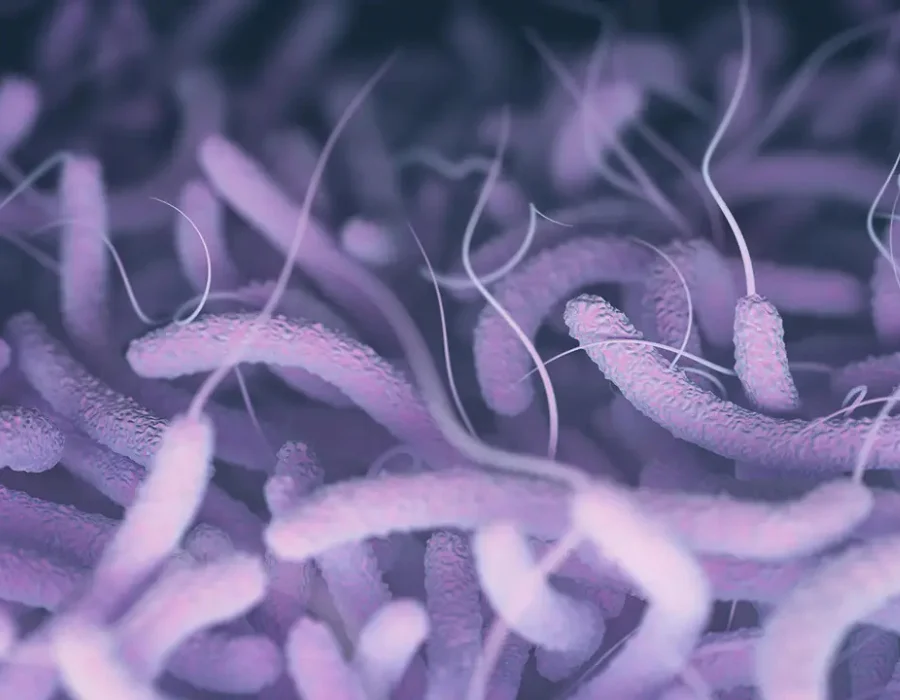
Vibrio bacteria represent a genus of Gram-negative, comma-shaped bacteria that naturally inhabit coastal and estuarine environments worldwide. While there are dozens of species within the genus, only a handful are pathogenic to humans. The most well-known is Vibrio cholerae, the agent responsible for cholera, but in the context of warming temperate waters, two other species are causing increasing concern: Vibrio parahaemolyticus and the highly lethal Vibrio vulnificus.
These pathogens are highly sensitive to their environment, thriving specifically in "brackish" water—a mix of fresh and saltwater found in estuaries and coastal lagoons—and requiring warm temperatures to proliferate. Historically, these bacteria were restricted to tropical and subtropical climates, such as the Gulf of Mexico. However, as the climate crisis accelerates, the "thermal envelope" required for Vibrio survival is moving poleward. In recent years, these bacteria have been detected in the waters of the Pacific Northwest, the United Kingdom, and the Baltic Sea, areas that were once considered too cold to support significant populations of the pathogen.
Vibriosis, the illness caused by these bacteria, typically manifests as gastrointestinal distress, including diarrhea, cramping, and vomiting, often contracted through the consumption of raw or undercooked shellfish. However, the more severe form of the infection occurs when the bacteria enter the body through open wounds. Vibrio vulnificus, frequently referred to in popular media as "flesh-eating bacteria," can cause necrotizing fasciitis, a severe infection where the flesh surrounding an open wound dies rapidly. For those with underlying health conditions, particularly liver disease or compromised immune systems, the mortality rate for V. vulnificus wound infections can exceed 20%, with death sometimes occurring within 48 to 72 hours of exposure.
Statistical Trends and the 2024 CDC Surveillance Report
The scale of the threat is becoming increasingly clear through modern epidemiological tracking. According to the U.S. Centers for Disease Control and Prevention (CDC), 3,743 cases of vibriosis were reported in 2024 alone. While this number includes a variety of Vibrio strains, the data highlights 222 cases specifically linked to the dangerous Vibrio vulnificus.
The geographic distribution of these cases confirms the northward migration of the pathogen. While the Gulf Coast remains a significant source of infections, the Atlantic Coast states now account for a disproportionately large share of the national total. Public health experts note that these figures are likely a conservative estimate. Because many mild cases of gastrointestinal vibriosis are never formally diagnosed or reported to health departments, the actual incidence of the disease in the United States could be significantly higher.
The trend line is equally concerning. Data from the last three decades suggests that the incidence of V. vulnificus infections in the Eastern United States has increased eightfold. Furthermore, the northern limit of these infections is moving at a rate of approximately 48 kilometers (about 30 miles) per year. If current warming trends continue, scientists predict that by the end of the century, Vibrio infections could be a routine occurrence in coastal communities as far north as Canada.
A Chronology of Environmental Transformation
The emergence of Vibrio as a major public health concern is not an overnight phenomenon but the result of decades of gradual oceanographic shifts. To understand the current crisis, one must look at the timeline of scientific discovery and environmental change:
- The Late 20th Century: Vibrio infections were largely viewed as a localized issue for the Gulf Coast and tropical regions. Surveillance was minimal, and the link between climate and the pathogen was not yet a primary focus of research.
- 2004-2005: A significant outbreak of Vibrio parahaemolyticus occurred in Alaska, linked to the consumption of raw oysters. This was the first time an outbreak had been recorded so far north, signaling to the scientific community that rising sea surface temperatures were beginning to alter the pathogen’s range.
- 2012: A landmark study published in Nature Climate Change analyzed decades of data from the Baltic Sea. Researchers found a direct correlation between warming sea surface temperatures and the emergence of Vibrio cases in Northern Europe. This study served as a definitive "canary in the coal mine" for the global scientific community.
- 2023: Record-breaking ocean heatwaves affected the North Atlantic. Sea surface temperatures reached levels never before recorded in modern history, leading the CDC to issue a National Health Advisory in September of that year, warning of the increased risk of V. vulnificus infections.
- 2024: The latest surveillance data confirms that the pathogen has established a firm foothold in the Northeastern United States, with cases appearing regularly in states like Connecticut, New York, and New Jersey.
The Science of Ocean Heat Absorption
The primary driver behind this microbial expansion is the massive accumulation of energy in the global ocean system. NASA’s Earth Observatory reports that the ocean’s heat content (OHC) is at an all-time high. Because water has a much higher heat capacity than air, the oceans have acted as a massive thermal reservoir, absorbing more than 90% of the excess energy trapped by greenhouse gases since the mid-20th century.
This heating is not uniform. Surface waters, where humans are most likely to interact with the sea, are warming faster than the deep ocean. This surface warming creates a stratified layer of warm, buoyant water that is ideal for the rapid reproduction of Vibrio. Furthermore, climate change is altering salinity levels. Increased heavy rainfall events and melting glaciers deliver more freshwater into coastal zones, lowering the salinity of seawater and creating the "brackish" conditions in which Vibrio thrives.
The 2024 review published in PLOS Pathogens emphasizes that Vibrio should be viewed as a "model organism" for understanding the broader impacts of climate change on infectious diseases. By studying how Vibrio responds to temperature and salinity shifts, researchers can gain insights into how other waterborne and vector-borne diseases—such as malaria, dengue fever, and West Nile virus—might shift their ranges as the planet warms.
Official Responses and Public Health Challenges
The rise of Vibrio presents a complex challenge for health authorities, who must balance public safety with the economic interests of coastal tourism and the seafood industry. In response to the 2024 data, several state health departments along the Atlantic Coast have updated their public guidance.
Medical professionals are being urged to consider vibriosis as a potential diagnosis for any patient presenting with severe wound infections after exposure to coastal waters or the handling of raw seafood. Early intervention with antibiotics such as doxycycline or cephalosporins is critical; in cases of V. vulnificus, a delay of even a few hours can mean the difference between a treatable infection and the need for limb amputation or the onset of fatal septicemia.
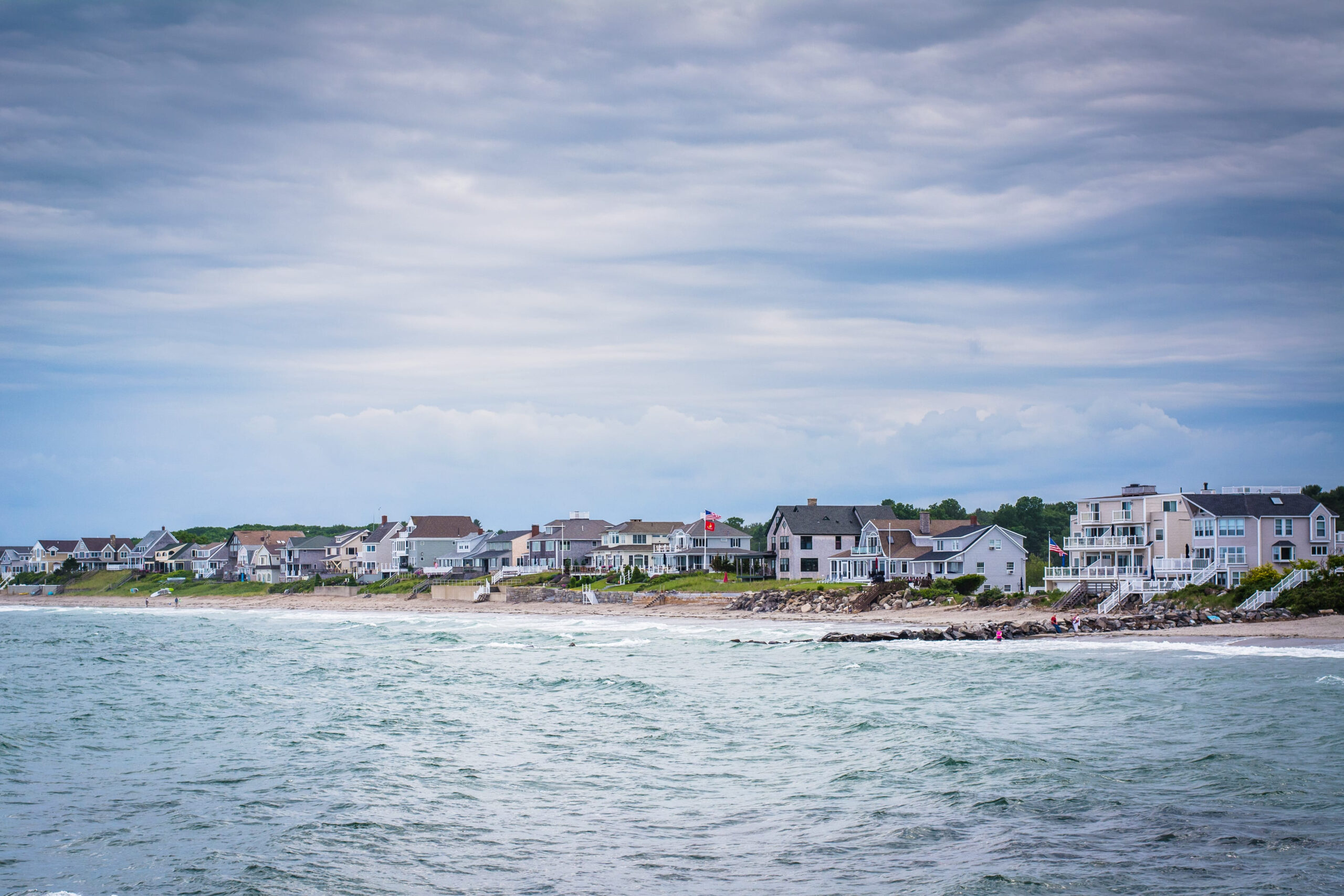
Public health messaging has also become more targeted. The CDC currently advises individuals with open wounds, including recent piercings, tattoos, or surgical sites, to avoid entering brackish or salt water. For those who do enter the water, the recommendation is to cover wounds with waterproof bandages and to wash thoroughly with soap and clean water immediately after exiting.
However, communicating these risks effectively remains difficult. "The challenge is that the water often looks perfectly clean," says one public health analyst. "Unlike a red tide or a visible oil spill, Vibrio is invisible. You cannot see it, smell it, or taste it. This makes it hard to convince the public that a refreshing swim in the ocean could potentially be life-threatening."
Economic and Broader Social Implications
The implications of the Vibrio expansion extend far beyond the clinic. The shellfish industry, worth billions of dollars globally, is particularly vulnerable. Oysters, clams, and mussels are filter feeders that can concentrate Vibrio bacteria in their tissues. As waters warm, the window of time during which shellfish can be safely harvested is shrinking, and the costs associated with refrigeration and safety testing are rising.
Furthermore, coastal tourism—a cornerstone of many state economies—could face long-term declines if public perception shifts to view the ocean as a source of danger. The "flesh-eating" label, while scientifically accurate in describing the bacteria’s effect on tissue, carries a significant psychological stigma that can deter travelers.
From an environmental justice perspective, the rise of Vibrio also highlights existing inequalities. Vulnerable populations, including those with limited access to healthcare or those who rely on subsistence fishing, are at the highest risk. As the pathogen moves into new areas, communities that have no historical experience with the bacteria may lack the medical infrastructure and public awareness necessary to manage the threat.
Analysis: The Future of Coastal Safety
The emergence of Vibrio in the North Atlantic is a tangible manifestation of the "hidden costs" of ocean carbon and heat absorption. While the oceans have protected us from even more extreme atmospheric temperature spikes, we are now seeing the biological consequences of that trade-off.
The 2024 data serves as a reminder that climate change is not merely a future threat to sea levels or weather patterns; it is a present-day crisis for human health. The expansion of Vibrio is a symptom of a larger ecological imbalance. As we continue to pump carbon into the atmosphere, the oceans will continue to warm, and the microbial landscape of our coasts will continue to shift.
To mitigate this threat, a multi-pronged approach is required. First, there must be an investment in more robust real-time environmental monitoring. Satellite data and sensors that track sea surface temperature and salinity can help predict "high-risk" days for Vibrio blooms, allowing authorities to issue temporary beach closures or seafood advisories. Second, public education must be modernized to reflect the changing reality of coastal risks. Finally, and most importantly, the rise of these pathogens underscores the urgent need to address the root cause of ocean warming: global greenhouse gas emissions.
The oceans have bought us time by absorbing the brunt of our environmental impact. But as the rise of Vibrio demonstrates, that time is coming with a high price tag. Protecting the health of the oceans and the health of the humans who depend on them are now inextricably linked. The "flesh-eating" strain of the Atlantic is not just a biological anomaly; it is a signal from a marine environment under extreme stress, warning that the boundaries of safety are shifting.
