

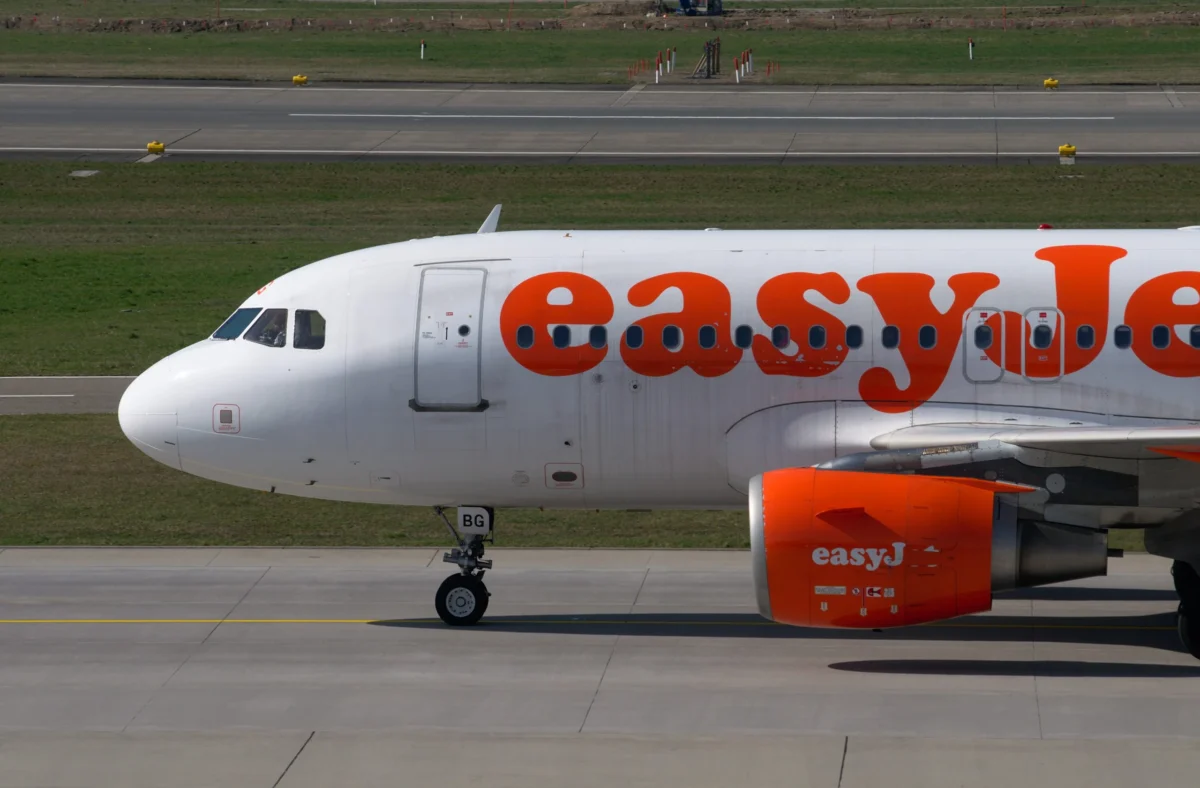
Apollo Global Management has agreed to acquire UK-listed airline easyJet in a £5.7bn transaction, ending a competitive bidding process and marking a significant consolidation within the European aviation sector. This monumental deal, valued at approximately $7.2 billion USD based on current exchange rates, represents one of the largest private equity acquisitions in the airline industry in recent years and is poised to reshape the competitive dynamics of low-cost air travel across the continent. The acquisition, which is subject to regulatory approvals and shareholder consent, is expected to close by the end of the fiscal year, though the exact timeline remains subject to the complexities of the approval processes.
The agreement comes after a protracted and highly competitive period of negotiation, with multiple parties reportedly expressing interest in acquiring the budget airline. While details of the other bidders remain undisclosed, sources close to the transaction suggest that the final offer from Apollo emerged as the most compelling, both financially and strategically. The valuation of £5.7 billion signifies a substantial premium over easyJet’s recent market capitalization, reflecting the perceived long-term value and potential for operational enhancements under private ownership.
Background of the Deal and Strategic Rationale
The acquisition of easyJet by Apollo Global Management is not an isolated event but rather a development that underscores broader trends impacting the aviation industry. The sector has faced unprecedented challenges in recent years, including the lingering effects of the COVID-19 pandemic, volatile fuel prices, increasing environmental regulations, and evolving consumer travel habits. In this environment, private equity firms have been increasingly active, seeking to acquire airlines with strong market positions and the potential for turnaround or growth under new ownership and capital structures.
Apollo, a global leader in alternative investment management with a significant track record in leveraged buyouts, is understood to be attracted to easyJet’s established brand recognition, extensive route network across Europe, and its loyal customer base. The firm’s strategy is likely to focus on optimizing operational efficiencies, leveraging its financial expertise to streamline costs, and potentially investing in fleet modernization and digital transformation initiatives. The privatization of easyJet could also provide the airline with greater flexibility to make strategic investments and navigate the capital-intensive nature of the airline business without the immediate pressures of public market scrutiny and quarterly earnings expectations.
Chronology of the Acquisition Process
While the exact timeline of the initial expressions of interest remains confidential, reports of Apollo’s serious consideration of a bid for easyJet began to surface in late Q3 of the previous fiscal year. The initial stages likely involved extensive due diligence, including a deep dive into easyJet’s financial health, operational performance, competitive landscape, and future growth prospects. This phase is critical for any private equity acquisition of this magnitude, ensuring that the valuation is justified and that potential risks are thoroughly understood.
As negotiations progressed, the competitive nature of the bidding process became apparent, with multiple interested parties engaging with easyJet’s board and its financial advisors. This competitive tension is a common feature of significant M&A transactions and can often lead to an improved offer price for the seller. Apollo’s ability to secure exclusivity in negotiations, a crucial step in any major deal, indicates a significant level of commitment and a clear path towards a definitive agreement.
The formal announcement of the agreement marks the culmination of these extensive discussions and negotiations. Following the announcement, the process enters a new phase, which typically involves:
- Regulatory Filings: Submitting applications to relevant competition authorities and aviation regulators in the various jurisdictions where easyJet operates. This is a critical step, as antitrust concerns or regulatory hurdles could potentially derail the transaction.
- Shareholder Approval: Obtaining the necessary consent from easyJet’s shareholders. Given the premium offered, it is likely that shareholders will be receptive, but a formal vote will be required.
- Financing Arrangements: Finalizing the debt and equity financing required to fund the acquisition. Apollo, with its substantial capital base, is well-positioned to secure the necessary funding.
- Closing: Once all approvals are secured and conditions are met, the transaction will officially close, and easyJet will transition from a publicly traded company to a privately held entity under Apollo’s ownership.
This phased approach, while standard, can extend the timeline considerably, with potential for unforeseen delays. Industry analysts suggest that the entire process could take anywhere from six to twelve months, depending on the complexity of regulatory reviews.
Supporting Data and Market Context
easyJet, founded in 1995, has grown to become one of Europe’s largest and most recognized low-cost carriers. As of the last publicly available financial reports, the airline operated a fleet of over 300 aircraft, serving more than 130 airports across Europe and North Africa. Its business model, characterized by point-to-point routes and a focus on secondary airports, has historically been a highly successful strategy in capturing a significant share of the leisure and VFR (visiting friends and relatives) travel markets.
In the fiscal year preceding the announcement, easyJet reported revenues in the region of £8 billion, with a net profit that, while subject to the industry’s cyclicality, demonstrated its operational capacity and market resilience. The airline’s passenger numbers typically exceed 80 million annually, underscoring its significant footprint in the European travel landscape.
The acquisition also takes place against a backdrop of increasing consolidation in the European airline industry. In recent years, mergers and acquisitions have been driven by the need for scale, cost synergies, and enhanced route networks to compete effectively. The proposed Apollo deal for easyJet is arguably the most significant such event in recent memory for the budget carrier segment.
Potential Implications and Analysis
The acquisition of easyJet by Apollo Global Management is likely to have several far-reaching implications for the airline industry, consumers, and the broader European economy.
For easyJet and its Operations
- Operational Flexibility and Strategic Investment: Under private ownership, easyJet may gain greater agility in making long-term strategic decisions, such as fleet renewal, network expansion, or investment in new technologies, without the immediate pressures of public market expectations. This could allow for a more focused approach to innovation and efficiency.
- Cost Optimization: Private equity firms are often adept at identifying and implementing cost-saving measures. Apollo may seek to streamline operations, renegotiate supplier contracts, and optimize its workforce structure to enhance profitability.
- Debt Structure: The acquisition will likely involve a significant amount of debt financing, which could alter easyJet’s capital structure and potentially lead to a different approach to financial management.
- Brand Identity: While Apollo is acquiring easyJet, the airline’s brand is strong. It is probable that the core brand identity will be retained, but operational changes could be implemented behind the scenes.
For the Competitive Landscape
- Reduced Competition (Potentially): If Apollo consolidates or integrates easyJet with other aviation assets in its portfolio, or if the airline’s strategic direction shifts significantly, it could lead to a reduction in competitive intensity on certain routes. However, the budget airline market remains highly fragmented, with strong players like Ryanair and Wizz Air.
- Increased Private Equity Influence: This deal reinforces the trend of private equity firms playing a more significant role in the aviation sector, potentially leading to further consolidation and restructuring of airlines.
- Impact on Other Carriers: Competitors will be closely watching Apollo’s strategy for easyJet, as it could set a precedent for future M&A activity and influence their own strategic planning.
For Consumers
- Potential for Price Stability or Increases: The impact on ticket prices is a key concern for consumers. While private equity firms often aim to improve efficiency, which can sometimes translate to lower costs, there is also the possibility that increased leverage or a focus on maximizing returns could lead to higher prices in the long run. However, the continued presence of strong competitors in the low-cost segment is likely to act as a moderating factor.
- Service and Network: It remains to be seen how easyJet’s route network and service offerings might evolve under new ownership. Apollo may seek to optimize the network for profitability, which could lead to changes in less profitable routes.
Broader Economic Impact
- Investment and Employment: The acquisition represents a significant injection of capital into the European aviation sector. The impact on employment will depend on Apollo’s operational strategy, but large-scale restructurings can sometimes lead to job losses, while also creating new opportunities in areas of growth.
- Market Dynamics: The deal contributes to a broader trend of consolidation in the travel and leisure industries, reflecting the ongoing search for scale and efficiency in a rapidly evolving global market.
Official Statements and Reactions (Inferred)
While specific official statements from all parties involved are not yet public beyond the initial announcement, the typical reactions to such a significant deal would include:
- From Apollo Global Management: A statement emphasizing their confidence in easyJet’s business model, their strategic vision for the airline’s future growth and efficiency, and their commitment to delivering value to customers and stakeholders. They would likely highlight their expertise in managing and growing complex businesses.
- From easyJet’s Board and Management (prior to acquisition closing): An endorsement of the offer as being in the best interests of shareholders, acknowledging the premium offered and the strategic benefits of partnering with a firm like Apollo. They would also likely express their belief in easyJet’s long-term potential under new ownership.
- From Industry Analysts and Experts: A range of opinions, with some focusing on the potential for operational improvements and financial restructuring, while others might express concerns about potential job losses or the impact on competition and consumer prices.
- From Regulatory Bodies: Statements indicating that the acquisition will be subject to thorough review to ensure compliance with competition laws and aviation regulations.
The acquisition of easyJet by Apollo Global Management is a landmark event that signals a new chapter for one of Europe’s leading low-cost airlines. The coming months will be critical as the deal navigates regulatory approvals and shareholder consent, with the ultimate outcome poised to significantly influence the future trajectory of the European aviation market. The focus will now shift to Apollo’s strategic implementation and how it intends to leverage its financial strength and operational expertise to enhance easyJet’s competitive position in an increasingly dynamic and challenging industry.
