


Against a backdrop of accelerating disruption across technology, geopolitics, and talent markets, making ever-faster, high-stakes decisions with increasingly imperfect information is the norm. Here’s how six CEOs are adapting.
The modern business landscape is characterized by an unprecedented convergence of disruptive forces. From the relentless march of technological innovation to the volatile shifts in global geopolitics and the evolving dynamics of talent acquisition and retention, leaders are increasingly compelled to make critical decisions under conditions of heightened uncertainty and with incomplete data. This pervasive environment of disruption, once a cyclical challenge, has now become a structural reality, demanding a fundamental recalibration of strategic thinking and operational execution.
Luis Valls, co-CEO of Turtle, an electrical and industrial distribution company based in Clark, New Jersey, encapsulates this shift. With 22 years of experience steering the company through various challenges, Valls notes that while uncertainty has always been a factor, its current manifestation is qualitatively different. "Volatility isn’t temporary anymore—it’s structural," Valls states. He points to the impact of tariffs and geopolitical tensions on his company’s supplier markets as a prime example. "Lead times for critical equipment like transformers, switchgear, and grid infrastructure can stretch years. You can’t react your way out of that." This structural shift means that traditional reactive strategies are no longer sufficient; proactive resilience and foresight are paramount.
The sentiment expressed by Valls is echoed across industries. CEOs globally report that disruptive shocks, which previously arrived in sequential waves, are now converging into a complex maelstrom of competing forces. Technological advancements are reshaping business models at a pace that outstrips traditional planning cycles. Simultaneously, demographic shifts are redefining both labor markets and consumer demand patterns. Compounding these internal and market-driven changes, geopolitical volatility poses a constant threat, capable of derailing supply chains, disrupting capital allocation, and altering the fundamental assumptions upon which business strategies are built.

Jeanne Johnson, a principal in KPMG’s advisory practice, observes the accelerated nature of these shifts. "The speed of the planning cycles, the investment cycles—how quickly change can manifest—that’s what’s hitting everybody differently today," Johnson explains. "Decisions that once unfolded in predictable annual rhythms are now overlapping, and at the same time, investment cycles are getting compressed." This compression of timeframes leaves leaders with less opportunity to gather comprehensive data and shorter windows to course-correct when unforeseen events occur. The onus is increasingly placed on real-time judgment and agile decision-making. Johnson articulates the core challenge: "How much information is enough to make what kind of change at what pace? But while you’re figuring all this out, while you’re calibrating this, you’ve got to keep moving."
To understand how leaders are navigating this complex terrain, conversations were held with six CEOs from diverse industries and geographies. Their collective insights reveal a common thread: the necessity of an approach to strategy that is anchored by long-term conviction yet flexible enough to evolve with changing conditions. These leaders shared their practical tactics for mitigating risks proactively, tightening operational discipline, and most importantly, guarding against decision paralysis.
Proactive Resilience and Enduring Principles
Focusing on the Unchanging: A Foundation for Strategic Agility
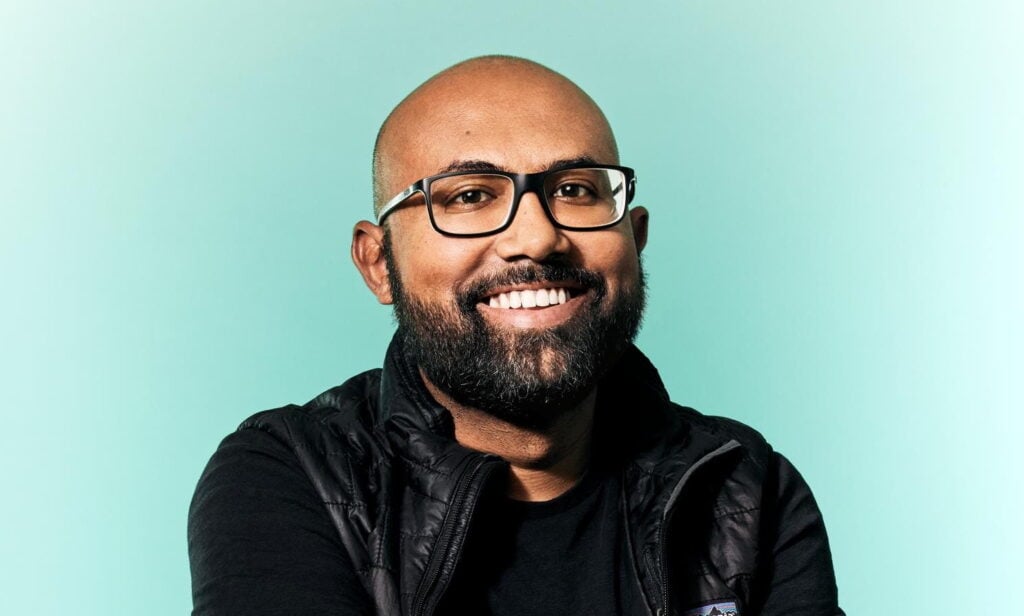
Sadi Khan, CEO of Aven, a fintech company based in Campbell, California, brings a unique perspective shaped by his experience at Facebook, a company known for its rapid iteration and disruptive innovation. In today’s unpredictable markets, Khan advocates for a strategic approach that prioritizes enduring goals over transient variables. "The most valuable approach to strategy is to start with what won’t change," he asserts. "Because at any given point in time, there are often a handful or subset of variables that are probably not going to change. And what you can do is index on those."
For Aven, a fundamental and unchanging principle is that consumers will always benefit from a lower cost of capital. This core truth remains constant irrespective of interest rate cycles, regulatory shifts, or technological advancements. Aven’s mission to reduce the total cost of borrowing is pursued through relentless innovation aimed at removing friction and enhancing efficiencies, thereby lowering transactional costs. Early in its development, this required tackling specific, seemingly intractable constraints, such as the "wet signature" requirement for mortgage documents, a relic of a bygone era in a digital world.
A pivotal strategic decision involved a significant investment in building a proprietary, patented robotic arm to automate the digital notary and document-signing process. This innovation enabled borrowers to complete lending processes remotely, drastically reducing both time and cost. Khan recounts the classic build-versus-buy dilemma that ensued: "Initially we were like, ‘Oh man, like should we even build this thing? We’re a startup. We have very little capital. Should we allocate it to inventing an entire new way of doing signatures?’ We were not in the signature business, we were in the asset-backed credit card business at that time."
The decision was ultimately informed by advice from a long-term board member who highlighted the immense potential of the technology. When questioned about the capital investment, the board member’s response was illuminating: "He said, the value of this is so high that if you’re reasonably confident you’re not going to die, you should go ahead." This perspective was transformative for Khan, reinforcing the value of long-term conviction. "And it’s been invaluable as we continue to invest heavily in long-term bets because we think that longer-term conviction over the shorter term is the only true alpha left in the game. Everything else kind of washes out. If you believe in something and can hold a longer-term view that you’re willing to bet on, you will win as long as you don’t die. At the end of the day, the advantage we have over others is that we think over a longer time horizon. Everything else kind of washes out." This philosophy underscores the power of identifying enduring market needs and committing resources to innovative solutions that address them, even when faced with short-term capital constraints.
Designing Resilience into the System: Anticipating and Absorbing Shocks
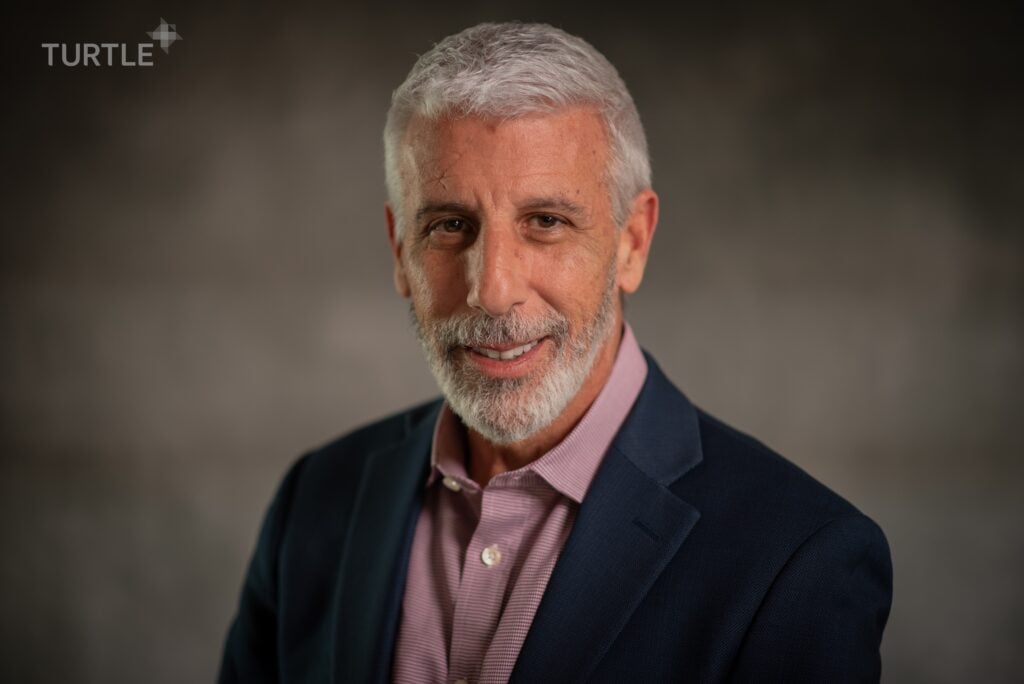
Luis Valls, Co-CEO of Turtle, a company providing electrical and industrial solutions, emphasizes the imperative of building resilience directly into business operations. Turtle’s strategic planning is guided by an overarching mission to evolve from a transactional distributor to a trusted partner in infrastructure solutions. "Our job is to absorb complexity, so that our customers don’t feel it," Valls explains. "Because in critical infrastructure, a missed shipment isn’t just an inconvenience, it’s downtime, lost revenue, or operational risk."
Over the past decade, the 103-year-old company has implemented a series of measures to proactively mitigate supply chain disruptions. These include embracing dual sourcing strategies globally, maintaining strategic inventory levels, staging long-lead equipment procurement well in advance, and forging deep, collaborative partnerships with manufacturers worldwide to secure capacity ahead of anticipated demand. "Before, supply chain was taken for granted; now it’s a strategic part of our infrastructure planning," Valls notes, referencing recent trips to Turkey and Mexico to explore potential OEM partnerships. "You can’t react your way out of volatility, so we design resilience into the system upfront."
Turtle is also front-loading its management of talent-related risks. Acknowledging the demographic shifts that could lead to a significant exodus of experienced workers and institutional knowledge, the company has invested in comprehensive training and mentorship programs. Furthermore, Turtle has developed digital platforms to capture and preserve critical knowledge, making it accessible as a resource for new employees. This initiative ensures that employees have on-demand access to software that can answer questions and guide them through complex processes in real-time.
"We’re also in the process of conducting a companywide skills-gap analysis," Valls reports. "We’re looking at not only what skills our people need today but tomorrow, and how do we start preparing them for that? We think it’s important to have a roadmap for this new generation where they can see that they can grow and be challenged." This forward-looking approach to talent development is crucial for maintaining operational continuity and fostering innovation in an era of rapid technological and market evolution.
Navigating Volatility with Discipline and Adaptability
The Power of Longevity: Building Strength Through Stability
Eran Mizrahi, CEO of Source86, a company specializing in global sourcing solutions, operates within a business model inherently exposed to uncertainty. As an importer, Source86 navigates a complex web of interest rate swings, foreign exchange volatility, tariff policy shifts, and fluctuating market sentiment. When tariff unpredictability intensified in early 2025, the company was compelled to pivot from a growth-acceleration strategy, focused on new product introductions and staff expansion, to a more risk-mitigation-centric approach.
"On strategy, the first thing we’re trying to do is identify areas under our control where we can reduce or manage risks," Mizrahi states. He describes adopting a "smoke detector" practice, involving continuous monitoring of inventory exposure, interest-rate sensitivity, and cash management. "When tariffs went crazy and customers were looking to cancel every order they had with us, we had to almost open our books up to our customers and to our suppliers and figure out how to communicate a lot faster to make sure we could react. We were in hyper alert every day looking at cash and being very deliberate about every inventory decision because one wrong turn could put us in a lot of danger."
This period of intense scrutiny and adaptation ultimately strengthened the company. By fostering tighter relationships with customers, suppliers, and lenders, and by outlasting less resilient competitors, Source86 emerged with a more disciplined approach to virtually every business function. This includes robust quoting tools, advanced scenario-analysis capabilities, and more thoughtful hiring and resource allocation practices.
Instead of front-loading hiring, the company now links staff expansion to specific sales or cash-flow indicators. Marketing budgets are deployed in discrete tranches tied to performance thresholds, with immediate reallocation or suspension if metrics are not met. "We’re asking: What do we need to see? How long will it take? What’s the maximum we’re willing to lose?" Mizrahi explains. "We’re not being as aggressive with new initiatives as in the past, and we build in exit paths along the way."
Mizrahi maintains a strong commitment to a robust people function, characterized by consistent practices that align more with large corporations than the ephemeral perks of some startups. Source86 offers clear salary bands, transparent promotion paths, predictable pay increases, and long-term incentives. Rather than relying on traditional performance ratings, the company practices "performance enablement," aiming to foster continuous employee development. "Doing everything we can to make sure that our employees are moving forward, that where you are today is not where you are tomorrow."

This approach is not merely altruistic. In an era marked by high job mobility, Mizrahi argues that the value of tenure compounds significantly, citing companies like Costco where a long-serving workforce has become a distinct competitive advantage. "It’s Maslow’s hierarchy—with that framework people feel safe. They know what the expectations are and how they will be rewarded for managing those things. We’re aggressive about people progressing because we want people to stay and be part of the success. If you can do that, the value is incredible. Longevity at a company is underrated."
Overcoming Paralysis: The Power of Core Values and Rigorous Processes
Sonya Mughal, CEO of Bailard, a wealth management firm with 57 years of history, offers a perspective forged over 32 years within the company. Her primary insight into navigating market volatility is stark: "The biggest mistake is paralysis—convincing yourself that the environment is so different than what you have seen in the past that you have to throw all your tried-and-true disciplines out the window," she asserts. "Environments can be quite terrifying. They can look different and present differently, but thinking you’ve got to somehow come up with something radically new or not do anything at all is not the way to handle volatility."
At Bailard, adherence to six core values—accountability, compassion, courage, fairness, excellence, and independence—provides a steadfast compass through both turbulent and stable market cycles. During periods of heightened volatility, Mughal leans heavily on these values. "For me, the guiding North Star is independence, because we’re largely employee-owned, so we’re each answerable and accountable for every single decision," she explains. "There’s no deep-pockets bank, insurance company, private equity shop. So there’s a heavy weight that comes with that."
To instill accountability across a multi-generational workforce, Bailard cultivates autonomy through comprehensive mentorship programs. Mughal also prioritizes cultural fit during recruitment, employing a rigorous, cross-functional, committee-based approach to vet candidates. "There will be five or six of us, and we do not talk with one another during the process; we have our HR person collect notes," she details. "That way everyone has already put their notes down when we meet so no one voice can drown out the others. It’s a way to avoid groupthink so that when you have unanimity around the right candidate it’s real—not from people trying to influence one another. That’s worked brilliantly for us in terms of surfacing talent." This deliberate process ensures that hiring decisions are based on objective assessments and genuine alignment with the company’s values, fostering a stable and accountable workforce capable of navigating uncertainty.
Embracing Agility: Loosely Held Plans and Empowered Execution
Lisa Nichols, CEO of Technology Partners, an IT staffing firm based in Chesterfield, Missouri, has embraced compressed planning cycles and a steadfast focus on agility to lead over 450 employees. In an industry where strategy demands constant recalibration, Nichols emphasizes the importance of flexibility. "I believe in having strategic plans, in goals, but you have to make sure you’re holding your plan loosely," she advises. "We’ve chunked ours down to quarterly goals because of the changing landscape. Because if you go off course just by one degree and don’t realign, you can end up 100 miles from your intended destination."

Nichols eschews top-down directives, instead empowering her leadership team to communicate an overarching organizational direction. Individual goal-setting is then pushed down to employees, each tasked with developing quarterly "top 10" objectives. These objectives and progress updates are captured digitally and are accessible to all team members, fostering transparency and collective accountability. "We don’t dictate to them, we say, ‘Here’s where we’re going, how do you fit into that?’" Nichols explains. "Then at the end of the quarter, every individual has to look and go, ‘Why didn’t I get my top 10s done?’ And, ‘For the next quarter, are those goals still relevant or do I need to adjust a little bit?’ So we’re continually setting goals and adjusting as we go."
The pervasive influence of artificial intelligence is a significant focus at Technology Partners. Recognizing the need for widespread familiarity with AI tools, Nichols has encouraged employees to dedicate time to experimentation and to share their findings in regular AI Day sessions. "We’re learning from one another and also bringing in third-party partners we’ve worked with that share what they’ve been doing with AI for clients in different industries," Nichols notes. "There’s really not a function area of our company where AI is not infused. And, of course, we have our own AI group that goes in and talks with clients about AI road-mapping because sometimes it’s hard to know where to start. So it’s about having a Sherpa to guide you through climbing that mountain." This proactive integration of AI and a commitment to continuous learning are vital for maintaining a competitive edge in the rapidly evolving technology sector.
Emulating Startups: Nimbleness, Experimentation, and Permission to Fail
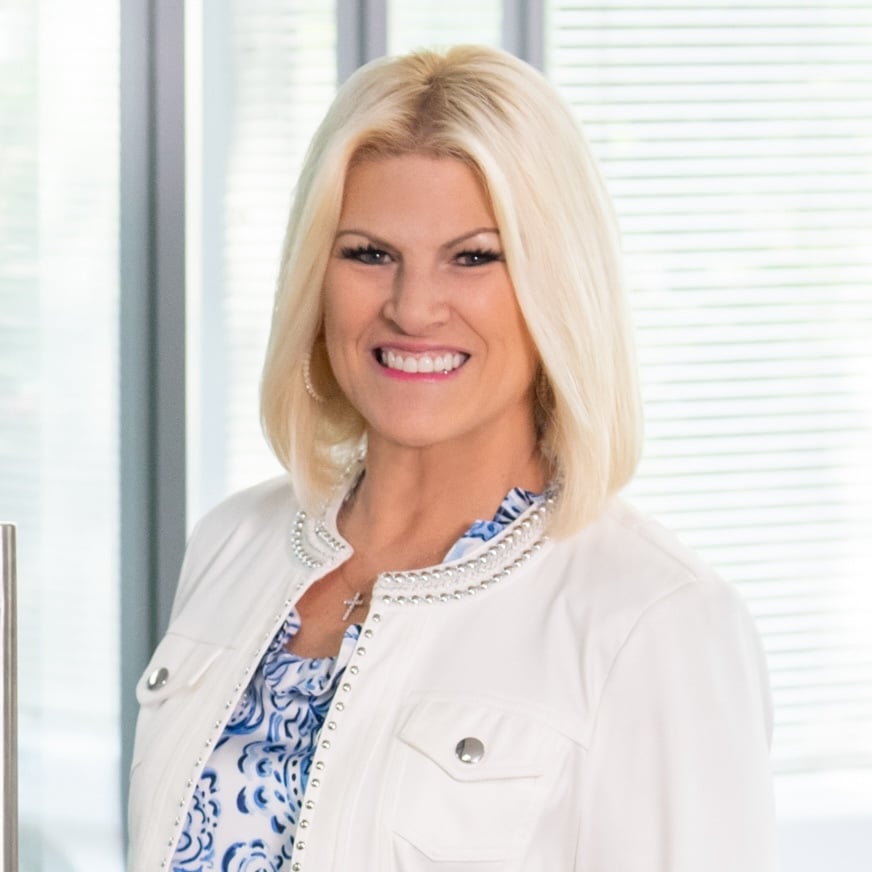
Catherine Wolfe, General Manager of CT Corporation, a division of Wolters Kluwer providing corporate services and entity management solutions, believes that increased chaos necessitates enhanced nimbleness. "When the degree of change feels overwhelming, it’s important to pick a point on the horizon and head toward it because you can get very distracted by all the possibilities and implications," she states. "So you need a clear strategy you can focus on executing—but then be prepared to pivot as needed. I choose to focus on opportunities because there are so many great stories of businesses starting up during economic downsides."
Adopting a startup mentality within a large division of a major corporation presents significant challenges, Wolfe acknowledges. However, Wolters Kluwer is leveraging AI to facilitate this transition. "On the opportunity side, we can actually act a lot more like a startup," Wolfe says. "Startups focus on experiments, on learning, doing things initially that are reversible rather than really big projects and pivoting much more quickly rather than really big projects. Whereas if you think about change at a big company—for example if you think about changing a big tech stack you already have—it’s like modernizing an old house, right? It’s more expensive and takes longer than you’d ever think."
AI is proving instrumental in enabling companies to build and test new processes with greater speed. At CT Corporation, Wolfe has focused on deploying AI to identify customer needs and accelerate the development and iteration cycles for new products and services. The formation of "Tiger Teams" to oversee and drive this iterative process is another tactic designed to emulate startup agility. For each potential opportunity, a small, cross-functional group of employees is assembled, given an ambitious timeline and objective, and tasked with charting the path forward and reporting back.
Crucially, these teams are granted "permission to fail." "The group members need the safety to know that we all know it might not work, but let’s see what we can do," Wolfe emphasizes. She cites a recent sales and marketing initiative aimed at accessing a promising growth market. The Tiger Team developed and launched an effort to convert more website visitors into customers. While initial results were disappointing, the team’s ability to identify and correct deficiencies led to a 450 percent increase in conversion rates over three months.
"What we’re learning is that at a big company, if you can kind of pull things out and focus on them, you can get to a result—whether to keep going and scale up or to walk away—much faster," Wolfe concludes. "But you do need to start with some sort of strategy; otherwise it’s kind of random. And you really have to be okay with it not working, which you make possible by keeping it at a level that you can walk back if it doesn’t work. That takes the stress out of it, and honestly, it’s fun—that innovation experience, especially when things work." This approach, blending strategic direction with experimental freedom and a tolerance for calculated risk, offers a potent model for navigating the complexities of the modern business environment.
