

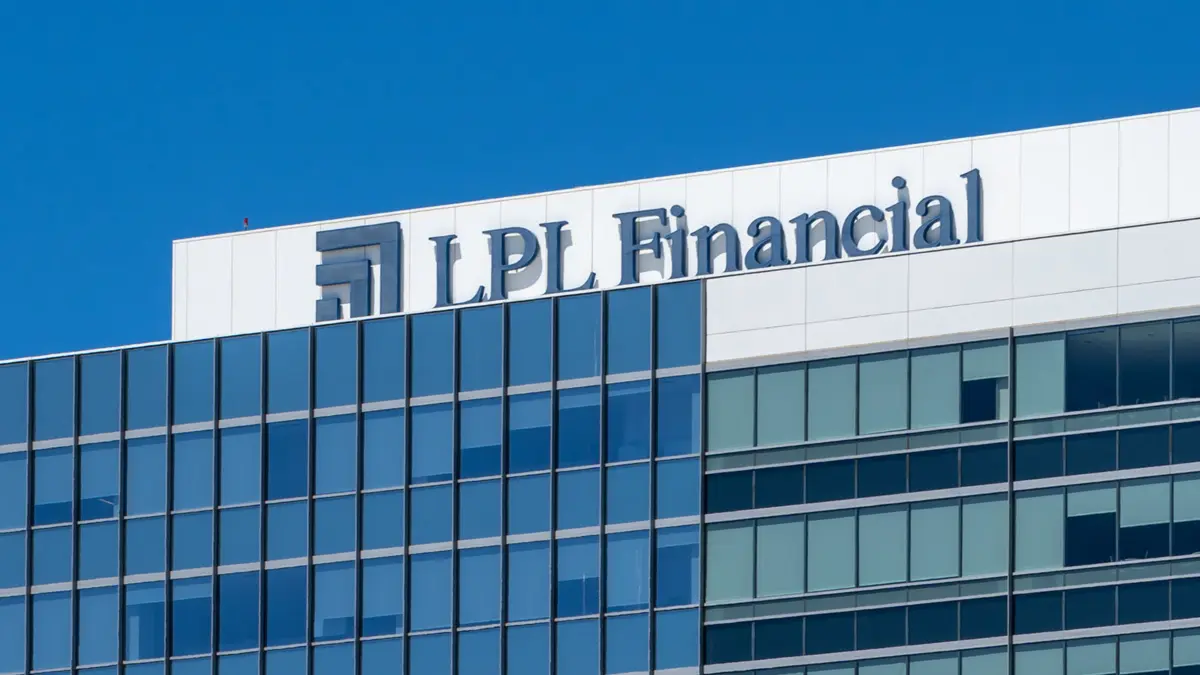
LPL Financial is set to introduce an in-house securities-based lending option for its network of advisors, a strategic move that expands its existing suite of third-party lending solutions and signals a significant push into offering comprehensive financial services. This new offering, dubbed the Secured Credit Account, will allow financial advisors and their clients to leverage securities held within advisory accounts for borrowing purposes without necessitating the sale of those assets. The development, confirmed through a regulatory filing on November 13 and by the firm, represents a substantial enhancement to LPL’s wealth management platform, aiming to provide greater liquidity and flexibility to its clientele, particularly those with higher net worth.
Strategic Expansion into Lending Services
The introduction of the Secured Credit Account marks a pivotal moment for LPL Financial, a leading independent broker-dealer and registered investment advisor (RIA) custodian. For years, LPL has facilitated access to securities-based loans through a network of third-party banks. However, by bringing this capability in-house, LPL aims to streamline the process, enhance advisor control, and capture the associated revenue streams directly. This initiative is part of a broader strategy, as hinted at during an advisor conference in August, where LPL showcased its expanding banking and lending capabilities.
The firm’s commitment to this new service was further articulated in a recent release: "LPL continues to advance development of its in-house securities-backed lending offering, the Secured Credit Account, while expanding integrated cash management capabilities." This suggests a holistic approach to financial management, where lending services are integrated seamlessly with existing investment and advisory functions.
Mechanics of the Secured Credit Account
While specific launch dates remain undisclosed, the Secured Credit Account is poised to become an integral part of LPL’s collateralized lending program. This program already encompasses lines of credit facilitated through partner banks. The new in-house offering will position LPL as the direct lender, responsible for managing the loans, collecting interest, and fees. This direct involvement means LPL will now receive all interest and fees generated from outstanding loans, which can fluctuate based on market conditions and are governed by loan agreements and fee schedules provided by LPL.
The regulatory filing outlines that the terms for these loans will vary. LPL’s transparency regarding potential conflicts of interest is notable. By acting as the direct lender, the firm acknowledges that advisors might find it beneficial to recommend these loans, as they provide clients with accessible liquidity without forcing them to liquidate their investment portfolios. Currently, LPL receives a referral fee of up to 0.75% for loans facilitated through partner banks and no compensation from non-partner banks. The shift to an in-house model fundamentally alters this revenue dynamic.
Navigating Potential Conflicts of Interest
LPL’s compliance team has proactively addressed the potential for conflicts of interest. The firm emphasizes in its filings that while advisors can assist clients in facilitating these lines of credit, the ultimate responsibility for evaluating loan terms and suitability rests with the client. This aligns with industry best practices and regulatory expectations, ensuring that client interests remain paramount. The firm’s stance is clear: "While an IAR [Investment Advisor Representative] may assist the client with facilitating a line of credit, clients are responsible for independently evaluating the terms of the loan and deciding whether the loan meets their needs."
This approach aims to balance the firm’s business objectives with its fiduciary responsibilities to its clients and advisors. By providing clear guidance and emphasizing client autonomy, LPL seeks to mitigate risks associated with its new lending role.
Expert Perspectives on LPL’s Strategic Pivot
Industry consultants view LPL’s move to offer in-house securities-based lending as a strategic imperative with multiple drivers. Alios Pirker, a wealth management consultant and CEO of Pirker Partners, identifies two primary motivations. Firstly, he points to the ability to "manage the economics" of the lending solution internally. For a firm with an extensive network of over 32,000 advisors, this control over revenue streams can be highly advantageous.
Secondly, Pirker highlights LPL’s ambition to ascend the wealth management spectrum and attract a greater share of high-net-worth (HNW) and ultra-high-net-worth (UHNW) clients. "You need [securities-based lending] to be relevant with HNW clients and the HNW advisors you want to win to the firm," Pirker explains. This is particularly pertinent following LPL’s acquisition of Commonwealth Financial Network, which brought onboard many advisors catering to HNW individuals.
LPL has publicly acknowledged its focus on this demographic. In August, Chief Wealth Officer Aneri Jambusaria noted the firm’s "support for HNW and ultra-high-net-worth (UHNW) clients" through its Private Wealth Partners channel. The firm currently manages over $300 billion in HNW and UHNW assets, underscoring the significant market opportunity.

The Growing Securities-Based Lending Market
LPL’s strategic expansion into securities-based lending aligns with a broader trend of increasing demand for such services across the financial industry. Securities-based loans, often referred to as pledged asset lines, allow individuals to borrow against the value of their investment portfolios. This provides a flexible source of liquidity for various needs, such as real estate purchases, business investments, or managing unexpected expenses, without disrupting long-term investment strategies.
According to an estimate from Deloitte, cited by The Wall Street Journal, the global market for securities-based lending has surged to approximately $5.4 trillion, predominantly backed by stocks and bonds. This market has experienced a compound annual growth rate of around 12% over the past decade. This growth is attributed, in part, to the increasing accessibility of these products for less affluent clients and retail investors, moving beyond traditional HNW and UHNW segments.
This burgeoning market is attracting significant attention from various financial institutions. Charles Schwab, a major RIA custodian, has also reported substantial growth in its pledged asset lines. A recent survey by Schwab indicated that approximately 50% of 1,235 RIAs surveyed offer pledged asset lines to their clients, reflecting a strong uptake among advisory firms. This indicates a robust demand for such liquidity solutions within the independent advisor space, validating LPL’s strategic direction.
Implications for Advisors and Clients
The introduction of the Secured Credit Account by LPL Financial has several key implications for its network of advisors and their clients:
- Enhanced Liquidity Options: Advisors can offer clients a readily available source of funds by leveraging their existing investment portfolios, potentially avoiding the need for asset sales that could trigger capital gains taxes or disrupt investment plans.
- Streamlined Process: An in-house solution is expected to offer a more integrated and efficient borrowing experience compared to navigating third-party providers. This could translate to faster loan approvals and simpler administrative processes.
- Revenue Opportunities for Advisors: While LPL will be the direct lender, advisors play a crucial role in facilitating these loans. This could lead to new revenue streams or enhanced client service offerings for advisors, though the specific compensation structures will need to be clearly defined.
- Potential for Increased Client Engagement: By offering a comprehensive suite of financial services, including lending, LPL aims to deepen its relationships with clients and position itself as a one-stop shop for their financial needs. This can lead to increased client retention and satisfaction.
- Focus on Higher-Net-Worth Clients: The strategic emphasis on HNW and UHNW clients suggests that LPL is tailoring its offerings to meet the complex financial needs of this demographic. Securities-based lending is a common tool utilized by affluent individuals for wealth management and estate planning.
LPL’s Broader Financial Ecosystem
LPL’s move to offer in-house lending is part of a larger strategy to build a more robust financial ecosystem for its advisors. This includes expanding its banking and cash management capabilities, integrating more seamlessly with other financial services, and providing a platform that supports a wide range of client needs. By diversifying its service offerings, LPL aims to strengthen its competitive position against wirehouses and other large financial institutions that offer a more integrated suite of products.
The firm’s commitment to innovation and advisor support is evident in its continuous efforts to enhance its technology and service offerings. The Secured Credit Account represents a significant step in this ongoing evolution, providing advisors with a powerful new tool to serve their clients more effectively and comprehensively.
Regulatory Considerations and Fiduciary Duty
In its regulatory filings, LPL has been careful to delineate the boundaries of its fiduciary duty in the context of securities-based lending. The firm explicitly states that any actions taken as a lender against pledged assets, including liquidation to meet margin calls, fall outside the scope of the fiduciary duty owed under a client’s advisory agreement. This distinction is critical for managing client expectations and adhering to regulatory frameworks.
The introduction of an in-house lending product, while offering significant benefits, also necessitates robust compliance protocols and clear communication with both advisors and clients regarding risks, terms, and responsibilities. The success of this initiative will hinge on LPL’s ability to manage these complexities effectively while continuing to prioritize client outcomes.
The Future of Integrated Financial Services
The trend toward integrated financial services, where lending, investment management, and other financial solutions are offered under one roof, is expected to continue. As Alios Pirker noted, LPL is "stopping short of becoming a bank," but its expansion into in-house products and services indicates a clear trajectory towards offering a broader spectrum of financial solutions. This strategy requires significant investment, dedication, and meticulous execution to ensure seamless integration with the firm’s core infrastructure.
For a firm of LPL’s size, implementing such complex product offerings can present considerable operational challenges. However, the potential rewards – in terms of advisor satisfaction, client retention, and market share – are substantial. LPL’s commitment to refining its offerings and ensuring a smooth user experience for its advisors and clients will be paramount as it navigates this new frontier in financial services. The firm’s proactive approach to enhancing its wealth management platform, now including in-house securities-based lending, positions it strongly to meet the evolving demands of the modern financial landscape.
