

Lotus Infrastructure Partners, a leading private equity firm specializing in the global energy transition, has announced the successful final closing of its latest capital raise, totaling approximately $1.8 billion. This significant capital infusion includes commitments for Lotus Infrastructure Fund IV, associated co-investment vehicles, and a dedicated single-asset continuation vehicle. Headquartered in Greenwich, Connecticut, the firm confirmed that this represents the largest capital raise in its history, reflecting a robust institutional appetite for infrastructure assets that support decarbonization, grid reliability, and the evolving needs of the modern industrial economy.
The successful closing comes at a critical juncture for the global energy sector, which is currently grappling with the dual challenges of meeting surging electricity demand—driven largely by the proliferation of artificial intelligence (AI) and data centers—and the urgent requirement to transition toward low-carbon energy sources. Lotus Infrastructure Partners has positioned itself at the center of this transition, deploying a strategy that spans the entire value chain of energy and related sustainable industries.
A Comprehensive Investment Mandate: Electrons and Molecules
The firm’s investment philosophy is bifurcated into two primary categories: "electrons" and "molecules." This comprehensive approach allows Lotus to address both the electrification of the economy and the decarbonization of hard-to-abate sectors that cannot easily be powered by electricity alone.
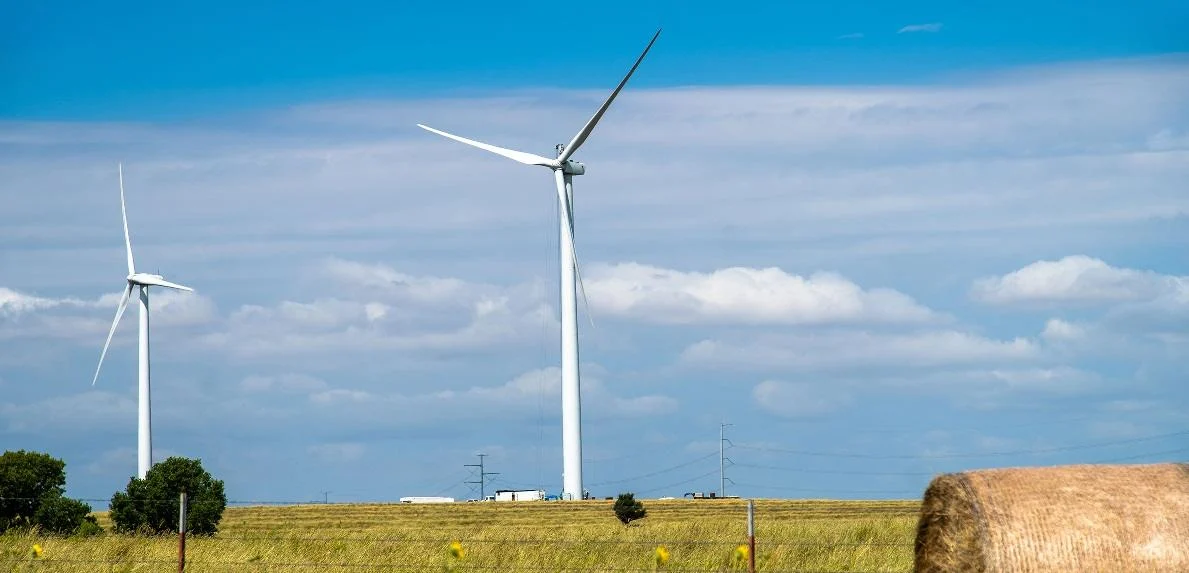
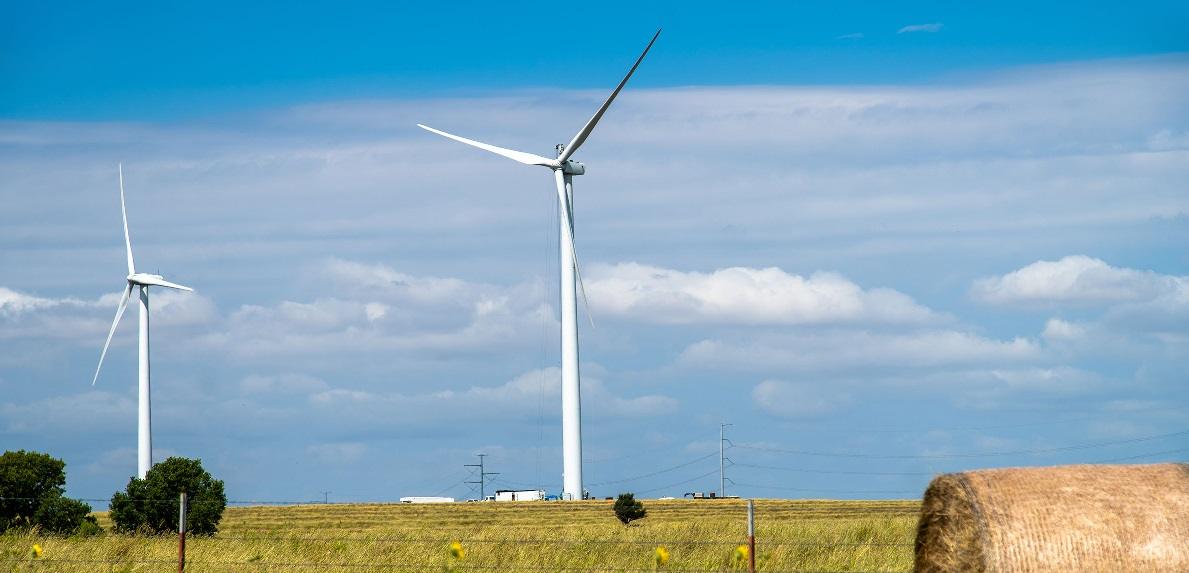
Within the "electrons" category, Lotus targets assets essential for the generation and movement of power. This includes renewable energy projects such as utility-scale wind and solar, as well as battery energy storage systems (BESS) which are increasingly vital for managing the intermittency of renewable sources. Furthermore, the firm invests in electric transmission infrastructure—the "backbone" of the grid—and thermal power generation facilities that have clear, actionable pathways to decarbonization. By maintaining a presence in thermal power, Lotus aims to ensure grid stability while implementing technologies to reduce the carbon footprint of traditional baseload power.
The "molecules" category focuses on the production and distribution of low-carbon fuels and chemical feedstocks. This includes green and blue ammonia, hydrogen, renewable diesel, and sustainable aviation fuel (SAF). Additionally, Lotus is active in the burgeoning sector of carbon capture and sequestration (CCS), along with renewable natural gas (RNG) and related midstream and downstream infrastructure. These assets are considered critical for the "net-zero" ambitions of heavy industries, including shipping, aviation, and chemical manufacturing.
Strategic Context: AI and the Resurgence of Industrial Demand
The timing of this $1.8 billion raise is inextricably linked to the shifting macro-energy landscape. Himanshu Saxena, Chairman and Chief Executive Officer of Lotus Infrastructure Partners, emphasized that the current market environment is characterized by "unprecedented levels" of demand for new infrastructure.
A primary driver of this demand is the rapid expansion of the digital economy. Artificial intelligence and high-performance computing require massive amounts of continuous, reliable power. Unlike residential demand, which fluctuates throughout the day, data centers operate with high load factors, requiring "firm" power that renewable energy alone often struggles to provide without significant storage or transmission support. Consequently, infrastructure investors are increasingly looking toward diversified portfolios that can provide 24/7 carbon-free energy solutions.
Beyond the tech sector, a broader trend of industrial re-shoring and the expansion of domestic manufacturing in North America has contributed to a spike in energy consumption. The electrification of industrial processes, coupled with the transition of the transportation sector toward electric vehicles and renewable fuels, has created a "super-cycle" for infrastructure investment.
Chronology and Fundraising Evolution
Lotus Infrastructure Partners has evolved significantly since its inception, previously operating as the infrastructure arm of Starwood Capital Group before rebranding and becoming an independent entity. The firm has a long-standing track record of managing complex energy assets, having invested billions of dollars across multiple fund vintages.
The path to the $1.8 billion closing for Fund IV involved a rigorous fundraising cycle that attracted a diverse group of institutional investors. This cohort includes public and private pension funds, sovereign wealth funds, insurance companies, and family offices. The inclusion of a single-asset continuation vehicle in this raise is a notable trend in the private equity space. Continuation vehicles allow firms to extend their holding period for high-performing assets, providing liquidity to existing investors while allowing new investors to participate in the future growth of proven infrastructure projects.
By securing this capital, Lotus has demonstrated its ability to navigate a complex interest rate environment and a shifting regulatory landscape. The firm’s focus on "value-add" infrastructure—projects that require significant technical expertise, development work, or operational improvements—sets it apart from "core" infrastructure funds that typically target lower-risk, lower-return utility assets.
Supporting Data and Market Dynamics
The $1.8 billion raise by Lotus reflects broader global trends in energy transition financing. According to recent industry reports, global investment in the energy transition reached record levels in the mid-2020s, yet a significant "funding gap" remains if international climate targets are to be met. Private capital is increasingly seen as the primary engine for bridging this gap, as public budgets face constraints and traditional utilities struggle to modernize aging grids at the necessary pace.
Key data points highlighting the need for Lotus’s strategy include:

- Grid Congestion: In many regions, renewable energy projects are currently stalled in interconnection queues due to a lack of transmission capacity. Lotus’s focus on transmission assets addresses this specific bottleneck.
- Storage Scaling: To reach a grid powered by 80% or more renewables, global battery storage capacity must increase by more than tenfold over the next decade.
- Hard-to-Abate Sectors: Aviation and heavy shipping account for approximately 5-10% of global CO2 emissions. The development of SAF and ammonia-based fuels, key focus areas for Lotus, is the only viable path to decarbonizing these sectors.
Official Responses and Institutional Support
The firm expressed deep gratitude for the support of its limited partners. Himanshu Saxena noted that the successful raise is a testament to the firm’s disciplined investment approach and its ability to identify value in a rapidly changing sector.
"We are grateful for the continued support of our investors and pleased to have completed this capital raise which is the largest in our firm’s history," Saxena stated. "We are at a pivotal moment in the energy markets with demand for new energy infrastructure at unprecedented levels, driven by AI and rising industrial consumption."
Institutional investors have highlighted Lotus’s technical proficiency as a key factor in their commitment. Unlike generalist private equity firms, Lotus employs a team with deep engineering and operational backgrounds, allowing them to manage the technical risks associated with new technologies like hydrogen electrolysis or carbon sequestration.
Broader Impact and Future Implications
The deployment of $1.8 billion into clean energy infrastructure will have tangible effects on regional economies and the broader environment. Lotus’s investments often involve large-scale construction projects that create thousands of high-skilled jobs in the engineering, construction, and technology sectors.
Furthermore, the firm’s focus on decarbonizing thermal power and developing renewable fuels provides a pragmatic roadmap for the energy transition. By investing in "transition assets"—those that are not yet fully green but have a clear path to becoming so—Lotus helps maintain energy security while reducing aggregate emissions. This "brown-to-green" strategy is increasingly recognized by ESG (Environmental, Social, and Governance) frameworks as a vital component of a responsible climate strategy.
Looking ahead, the success of Lotus Infrastructure Fund IV is expected to signal a continued robust market for specialized energy transition funds. As the world moves toward the late 2020s, the integration of digital infrastructure and energy infrastructure will likely become the dominant theme in the private equity landscape. Lotus, with its dual focus on the "electrons" that power the digital world and the "molecules" that fuel the physical world, is positioned to remain a central player in this global transformation.
The firm’s Greenwich-based team will now focus on the deployment phase, seeking out proprietary opportunities where their technical expertise can unlock value in complex, multi-year infrastructure developments. As the energy transition accelerates, the capital raised by Lotus will serve as a critical catalyst for the next generation of sustainable industrial assets.
