

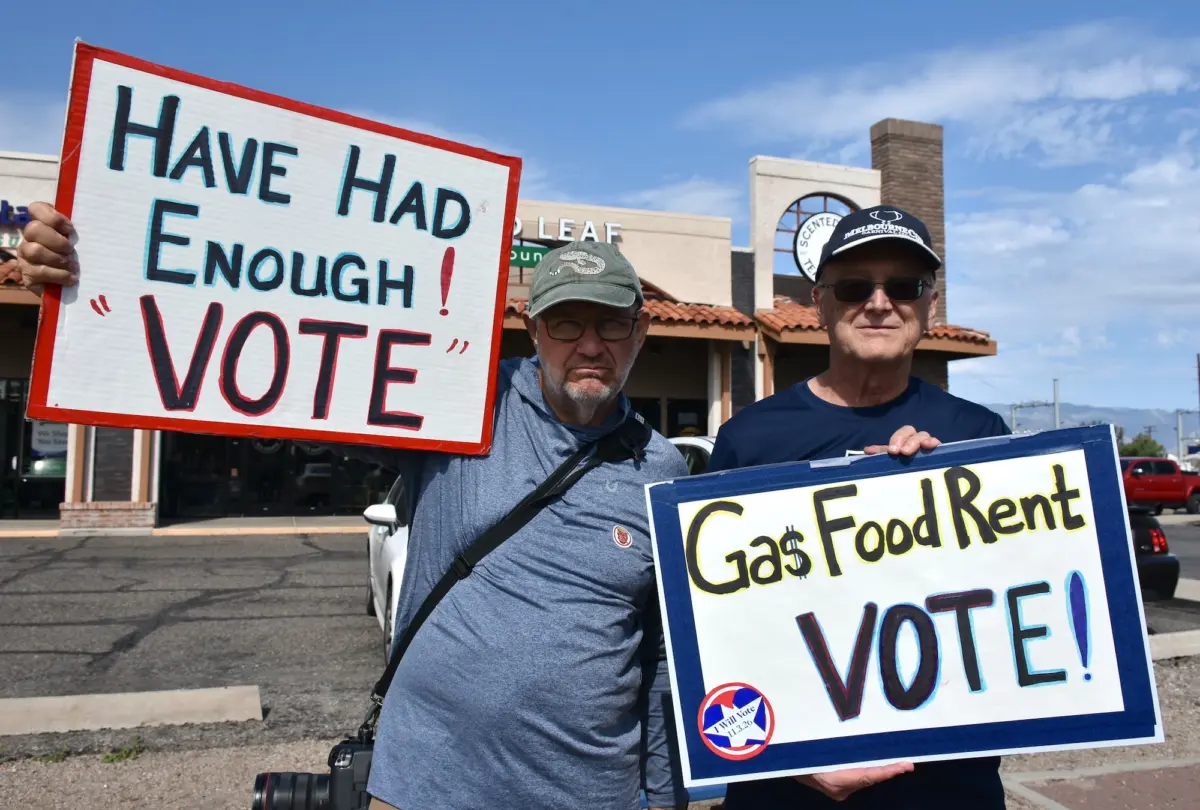
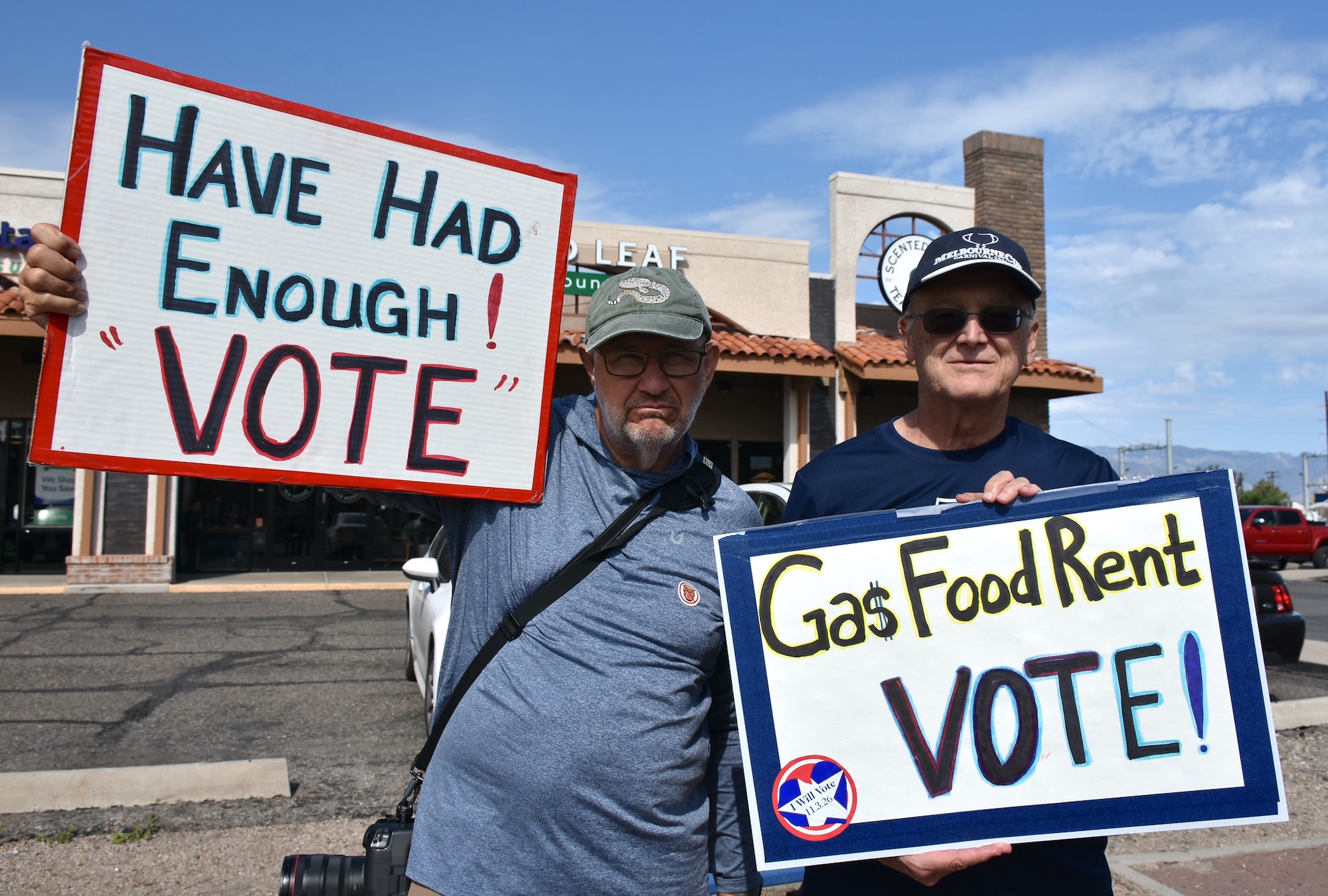
As the 2026 midterm elections progress across the United States, a complex mosaic of hyper-local concerns is emerging as a decisive factor that could override broader national economic trends. While traditional metrics such as inflation, the cost of living, and the general state of the economy remain central to the national discourse, voters are increasingly motivated by specific regional crises ranging from environmental health in the Midwest to the rapid expansion of digital infrastructure in the Sun Belt. In Tucson, Arizona, and across several battleground states, grassroots coalitions like the "No Kings" movement are mobilizing early voters, signaling a shift toward a more granular, issue-based political engagement.
This shift suggests that the 2026 elections will not be decided by a single national mandate but by a series of localized battles over public health, reproductive autonomy, and the physical footprint of the modern technology industry. As political strategists analyze the early voting data, it is becoming clear that the candidates who successfully navigate these specific community anxieties are the ones gaining the most significant momentum.
The Public Health Crisis in the American Heartland
In Iowa, a state once considered a reliable swing territory that has trended Republican in recent cycles, a burgeoning public health crisis has scrambled traditional partisan alignments. Iowa currently holds the distinction of having the second-highest cancer incidence rate in the United States and is the only state where the rate of new cancers is actively increasing. Research conducted by the Iowa Environmental Council and various academic institutions has drawn a direct correlation between these health outcomes and the state’s intensive agricultural practices, specifically the widespread use of pesticides and the contamination of groundwater by nitrates from industrial fertilizers.
The political fallout of this crisis has reached a fever pitch in the 2026 gubernatorial race. While the state government has been under Republican control for a decade, a growing number of voters are expressing frustration with what they perceive as legislative inertia regarding water quality. The "MAHA" (Make America Healthy Again) movement, which has gained traction among predominantly female voters and has ties to broader health-conscious populist factions, has begun to pressure candidates from both parties to address the environmental determinants of health.
Democratic challengers are leveraging this discontent, arguing that the "trifecta" of Republican control—the governorship, the state House, and the state Senate—has failed to protect the rural population from industrial runoff. Conversely, Republican incumbents are finding themselves in the difficult position of balancing their support for the state’s powerful agricultural lobby with the rising demands of a constituency fearful of a "cancer corridor" developing in their own backyards.
The Physical Footprint of the Digital Age: The Data Center Conflict
Parallel to the health concerns in the Midwest is a growing national resistance against the rapid expansion of data centers. As the demand for artificial intelligence and cloud computing skyrockets, tech giants are racing to build massive industrial complexes to house the necessary hardware. However, these facilities, which were once welcomed for their tax revenue, are now facing fierce opposition in states like Kansas, Ohio, and Virginia.
The opposition is multifaceted. Residents cite the massive consumption of electricity and water required to cool these facilities, which can strain local grids and drive up utility costs for households. Furthermore, there are growing concerns regarding the "surveillance state" implications of the technology housed within these walls, as well as the noise pollution generated by industrial-scale cooling fans.
In 2026, this tension has moved from local zoning boards to the ballot box. Voters in 13 states are deciding on at least 50 local ballot measures that would either restrict the placement of data centers or eliminate the tax incentives previously used to attract them. In Kansas alone, three major cities—El Dorado, Emporia, and Ottawa—are voting on citizen-led petitions to limit data center construction. The federal backdrop to this issue is equally contentious; the current administration’s efforts to shield data center operators from certain environmental pollution lawsuits have provided a rallying cry for local activists who feel the federal government is prioritizing "Big Tech" over community well-being.
The Ongoing Legal Mosaic of Reproductive Rights
Four years after the U.S. Supreme Court’s decision in Dobbs v. Jackson, which overturned the federal right to abortion, reproductive rights remain a primary driver of voter turnout. The 2026 midterms feature a unique "ping-pong" effect in states like Missouri, where the legal status of abortion has been in a state of flux since 2022.
Following a total ban in 2022, Missouri voters successfully passed a ballot measure in 2024 to restore reproductive rights. However, in a move that highlights the persistence of the anti-abortion movement, a counter-measure has been placed on the 2026 ballot seeking to nullify the 2024 results. This cyclical legal battle has created a sense of "ballot fatigue" for some, but for younger voters, particularly Gen Z, it has served as a catalyst for sustained political activism.
Recent polling indicates that nearly 77 percent of Gen Z voters express concern that they or someone close to them will be personally impacted by restrictive reproductive healthcare laws. This demographic is expected to turn out in record numbers in Idaho, Nevada, and Virginia, where constitutional amendments regarding abortion access are also on the ballot. The outcome of these votes will not only determine the legal landscape for reproductive health in those states but will also serve as a barometer for the national mood heading into the next presidential cycle.
Youth Mobilization and the Battle for Polling Access
The 2026 election cycle has also seen a renewed focus on the mechanics of voting itself. In several states, the closure of on-campus polling places has been met with organized resistance from student bodies. Initiatives like "When We All Vote," championed by former First Lady Michelle Obama, have been instrumental in organizing students at historically Black colleges and universities (HBCUs) and large state universities to demand equitable access to the ballot.
In North Carolina, a state with a history of contentious voting rights litigation, hundreds of students at North Carolina Agricultural and Technical State University (NC A&T) marched to off-campus polling sites in October 2026 to cast early ballots. These marches are more than symbolic; they are a direct response to legislative efforts that have made it increasingly difficult for students to vote using campus addresses or student IDs.
The data suggests that these mobilization efforts are working. Early voting totals among voters aged 18 to 25 are trending higher than in previous midterm cycles, potentially offsetting the impact of voter suppression tactics in key swing districts. The ability of youth organizers to frame voting access as a fundamental civil rights issue has resonated deeply in communities that feel targeted by recent changes to state election laws.
The "Culture War" and the Limits of Anti-DEI Rhetoric
While some Republican candidates have doubled down on a "culture war" strategy—specifically targeting diversity, equity, and inclusion (DEI) policies and transgender rights—there are signs that this approach may be reaching a point of diminishing returns. In Texas, for instance, the U.S. Senate race has become unexpectedly competitive. Despite a barrage of attack ads focused on LGBTQ+ issues, Democratic candidates have seen a surge in support by pivoting the conversation toward healthcare and infrastructure.
In Arizona, Proposition 142 represents the high-water mark of this legislative trend. The proposed constitutional amendment would ban DEI programming within city governments and publicly funded educational institutions. However, the measure has faced significant pushback from a broad coalition of civic organizations, including the League of Women Voters. Opponents argue that the amendment is redundant—as discrimination is already illegal—and that its true purpose is to stifle necessary discussions regarding historical and systemic inequalities.
The performance of Proposition 142 and similar measures in other states will provide a definitive answer to whether "culture war" issues remain a viable path to victory or if voters are more concerned with the tangible delivery of government services and the protection of individual liberties.
Climate Change as a "Pocketbook Issue"
Finally, the 2026 midterms are revealing a shift in how voters perceive climate change. Rather than viewing it as an abstract global threat, a majority of voters in battleground states now see the energy transition as a local economic issue. Polling from September 2026 indicates that 70 percent of likely voters would favor candidates who prioritize a transition away from fossil fuels, citing the potential for job creation in the renewable energy sector and the need to mitigate the rising costs associated with extreme weather events.
There is a notable disconnect, however, between voter sentiment and candidate rhetoric. While over half of surveyed voters say they want to hear more about pollution and climate change, many candidates remain hesitant to lead with these issues, fearing they might alienate industrial donors or be labeled as "radical." Nevertheless, the data suggests that voters are increasingly linking climate policy to their personal financial security, viewing the transition to green energy as a necessary step to stabilize long-term energy costs.
Analysis of Implications and Broader Impact
The 2026 midterm elections are serving as a critical stress test for the American political system. The move toward hyper-localism suggests a citizenry that is becoming more sophisticated in its understanding of how state and local policy affects daily life. From the nitrate levels in Iowa’s water to the zoning of data centers in Kansas, the "all politics is local" adage has never been more relevant.
For the national parties, the implications are clear: a "one size fits all" platform is no longer sufficient. To win in 2026 and beyond, candidates must be prepared to engage with the specific, often technical, grievances of their constituents. The results of these elections will determine the trajectory of U.S. policy on energy, health, and civil rights for the remainder of the decade. As the final ballots are cast, the focus remains on whether the localized energy seen in Tucson and across the country will translate into a mandate for substantive legislative change or if the current patterns of polarization will continue to stall progress at both the state and federal levels.
