

The final week of November 2026 has proven to be a pivotal moment for the global transition toward a sustainable economy, marked by significant breakthroughs in European renewable energy infrastructure, the formalization of new international carbon accounting standards, and a shifting landscape in the North American ESG investment sector. As the year draws to a close, the integration of environmental, social, and governance factors into the core of financial decision-making is no longer a peripheral consideration but a fundamental requirement for market participation. This week’s developments underscore a maturing market that is moving past the initial hurdles of disclosure and into the complex reality of large-scale implementation and enforcement.
Central Europe Accelerates Wind Energy Expansion
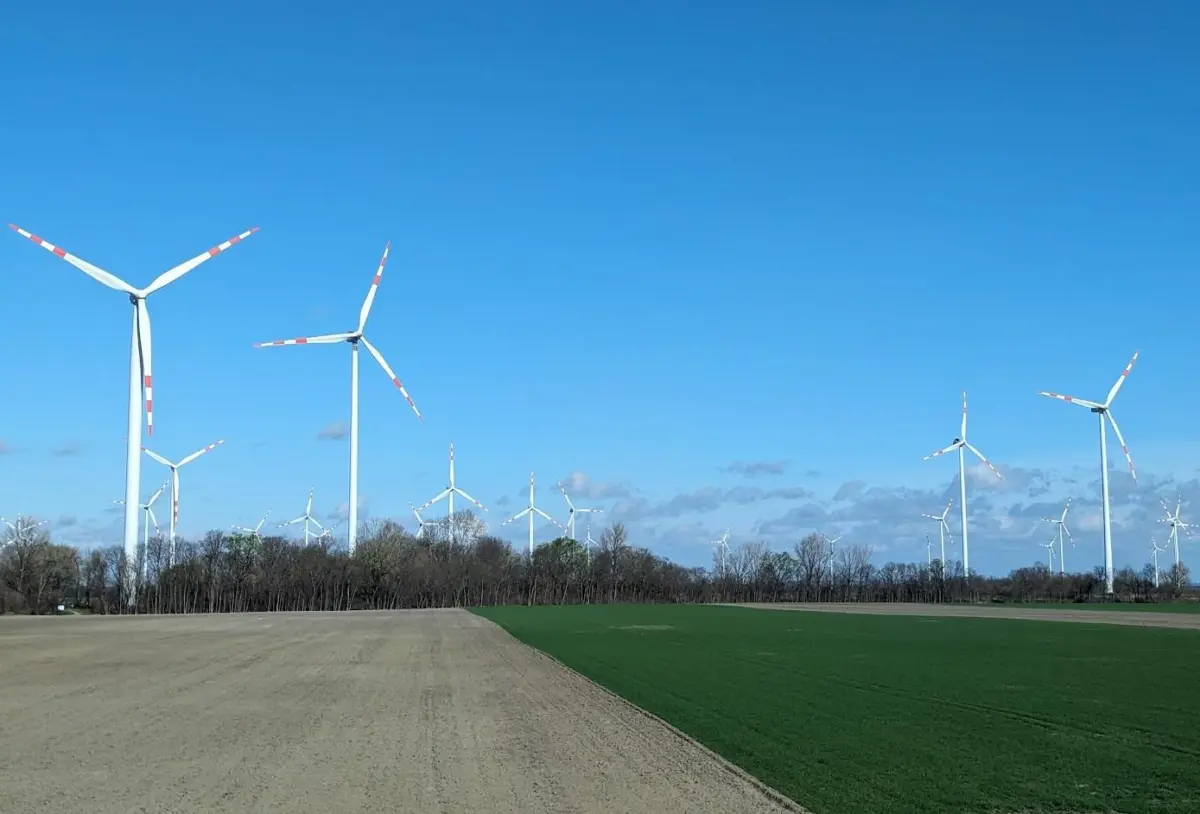
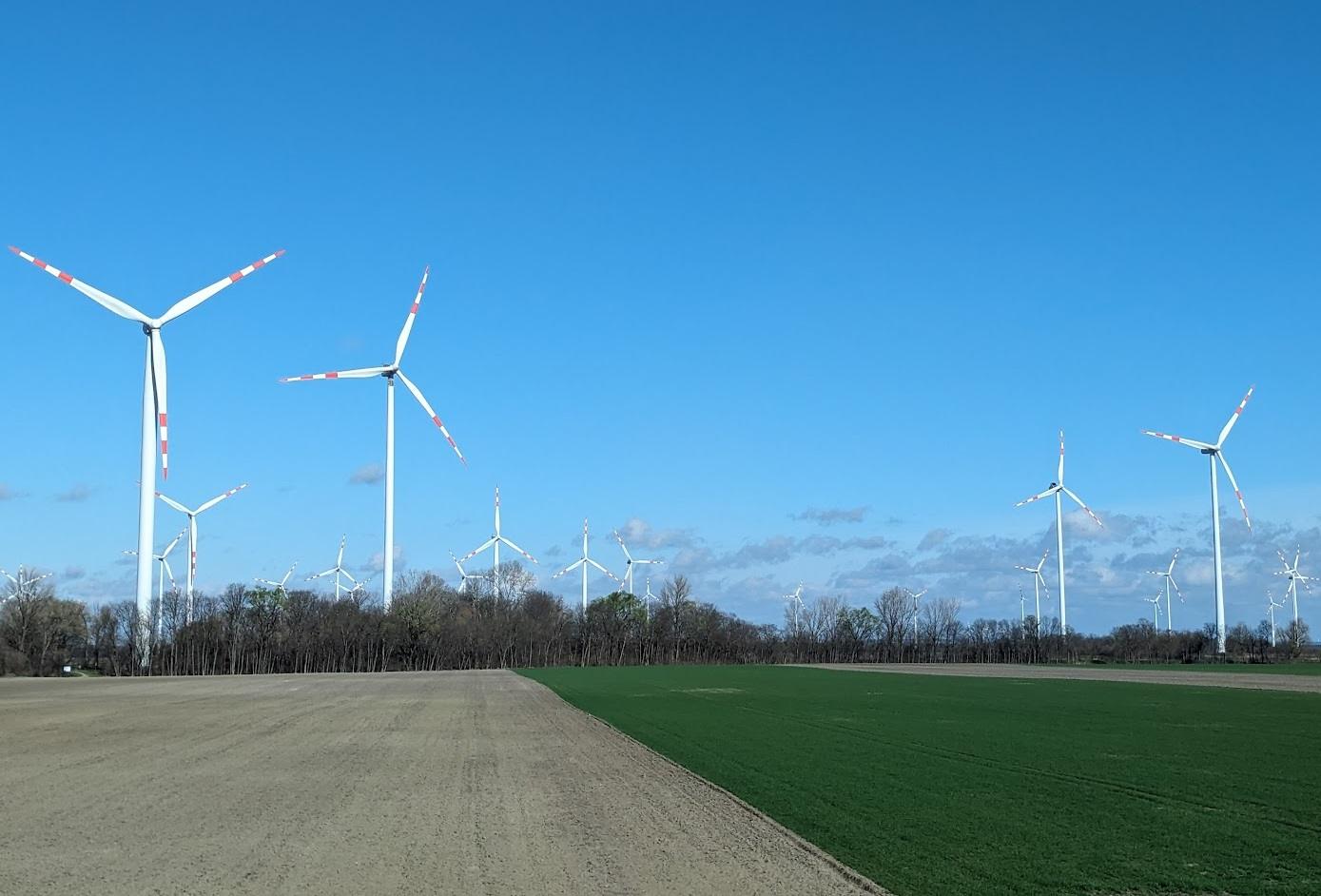
A primary focus of this week’s news is the substantial advancement of wind energy projects across Central Europe, with Austria emerging as a surprising leader in Alpine wind technology. On November 19, 2026, the Austrian Ministry for Climate Action, Environment, Energy, Mobility, Innovation and Technology announced the completion of the "Tauern-Wind Phase III" project. This expansion adds 450 megawatts (MW) of high-altitude wind capacity to the national grid, utilizing newly developed turbine blades designed specifically for low-density air and extreme icing conditions.
The project represents a broader trend across the European Union to reduce reliance on imported natural gas by leveraging geographical niches previously thought unsuitable for large-scale renewables. According to data released by WindEurope this week, Austria has increased its total wind capacity by 18% in the last 12 months alone, surpassing its 2025 projections. This surge is attributed to the "Renewables Expansion Act" (EAG) reforms, which streamlined the permitting process—a move that has been mirrored by neighboring Germany and Switzerland.
Financial analysts note that the funding for these projects is increasingly coming from "green-certified" institutional capital. Mark Segal, founder of ESG Today and former head of U.S. equities at Delaney Capital Management, observed that the "risk premium for high-altitude wind has collapsed as the technology matures and the regulatory environment provides the long-term certainty that pension funds crave."
The Global Reporting Landscape: CSRD’s Second Wave
As corporations prepare for the 2027 reporting cycle, this week saw the European Financial Reporting Advisory Group (EFRAG) release updated guidance for the Corporate Sustainability Reporting Directive (CSRD). This "Second Wave" of guidance specifically targets non-EU companies with significant operations within the bloc, a group that includes over 3,000 U.S.-based multinationals.
The new mandates require a level of "double materiality" that many firms are still struggling to quantify. For the first time, companies must report not only how climate change affects their bottom line but also how their operations impact the global ecosystem in a granular, audited format. The timeline for this week’s regulatory updates is as follows:
- November 17: EFRAG publishes the final sector-specific standards for the oil, gas, and mining industries.
- November 18: The European Securities and Markets Authority (ESMA) announces a new enforcement task force to monitor "greenwashing" in the first batch of CSRD-compliant reports.
- November 20: A coalition of 50 global CFOs issues a joint statement requesting further clarification on "Scope 3" supply chain data requirements, citing difficulties in obtaining accurate emissions data from SMEs in emerging markets.
The data suggests that while 85% of large EU firms are ready for the upcoming deadlines, only 42% of impacted U.S. firms have established the necessary internal controls to meet the "limited assurance" audit requirements mandated for the next fiscal year.
COP31 Preparations and the "Belem to Brisbane" Transition
Following the conclusion of COP30 in Brazil earlier this month, the international community has shifted its gaze toward COP31, which is set to be co-hosted by Australia and Pacific Island nations in late 2027. This week, preliminary negotiations began in Canberra, focusing on the "Loss and Damage" fund and the phase-out of fossil fuel subsidies.
A significant point of contention raised this week involves the definition of "transition fuels." Australia, a major exporter of liquefied natural gas (LNG), is advocating for a framework that includes "low-carbon gas" coupled with Carbon Capture and Storage (CCS). However, a report released on November 21 by the International Energy Agency (IEA) suggests that for the world to remain on a 1.5°C pathway, investment in new fossil fuel infrastructure must cease entirely by 2027, regardless of CCS integration.
The diplomatic friction highlights the ongoing struggle between resource-dependent economies and the scientific necessity of rapid decarbonization. Pacific Island leaders, representing the most climate-vulnerable nations, issued a "Vava’u Declaration" this week, demanding that COP31 be the "Final Stand" for coal and gas subsidies.
Supporting Data: The State of Green Finance in Q4 2026
Market data for the fourth quarter of 2026 indicates a robust recovery in green bond issuance after the volatility of 2024–2025. According to the Climate Bonds Initiative (CBI), global green bond issuance for the week ending November 22 reached $14.2 billion, a 22% increase compared to the same week in 2025.
Key metrics from this week’s financial reports include:
- Sovereign Green Bonds: France and Japan led the market this week with multi-billion dollar issuances aimed at hydrogen infrastructure and nuclear fusion research.
- Carbon Pricing: The EU Emissions Trading System (ETS) price hovered around €115 per tonne, providing a strong incentive for industrial decarbonization.
- ESG Fund Inflows: Despite political headwinds in certain U.S. states, global ESG-integrated funds saw net inflows of $5.8 billion this week, driven largely by European and Asian institutional investors.
This data suggests that the "anti-ESG" sentiment that dominated headlines in previous years has largely been superseded by the fiduciary reality that climate risk is financial risk. Investors are no longer debating the ethics of ESG but are instead focused on the accuracy and comparability of the data.
Official Responses and Industry Reactions
The reaction to this week’s developments has been mixed, reflecting the diverse interests of global stakeholders. The Global Reporting Initiative (GRI) welcomed the new EFRAG guidance, stating that "standardization is the antidote to skepticism." Eelco van der Enden, CEO of GRI, noted in a press release that the alignment between CSRD and the International Sustainability Standards Board (ISSB) is "the most significant achievement in corporate transparency in a generation."
Conversely, the American Petroleum Institute (API) expressed concerns regarding the extraterritorial reach of EU regulations. In a statement issued on November 20, the API argued that the "double materiality" requirement imposes an "unprecedented administrative burden on American companies that may not align with U.S. GAAP principles."
In the technology sector, the emergence of AI-driven carbon accounting software has been a highlight of the week. Microsoft and Google both announced updates to their cloud-based sustainability suites, promising "real-time Scope 3 tracking" using satellite imagery and machine learning. This move is seen as a direct response to the data gaps identified by CFOs earlier in the week.
Broader Impact and Long-term Implications
The events of this week signal a transition from the "pledging phase" of the climate crisis to the "execution phase." The expansion of wind power in Austria demonstrates that the technical solutions for decarbonization are ready and economically viable; the challenge now lies in the speed of deployment and the modernization of aging electrical grids.
The regulatory updates from Europe suggest that the era of voluntary reporting is officially over. For global corporations, the cost of non-compliance is no longer just a matter of reputation but involves significant legal and financial penalties. As Mark Segal noted in his analysis, "We are seeing the birth of a new era of corporate accountability. The companies that will thrive are those that view sustainability data with the same rigor as they view their balance sheets."
Looking forward, the focus will remain on the mobilization of private capital toward the Global South. While the "Loss and Damage" fund is a start, the $100 billion annual target established years ago is now considered insufficient. Estimates suggest that trillions of dollars in annual investment will be required to meet the 2030 targets. The progress made this week in wind energy and reporting standards provides a blueprint, but the scale of the task remains immense.
As the "Week in Review" concludes, the narrative is clear: the global economy is being redesigned in real-time. Whether it is through the installation of turbines in the Alps or the implementation of complex disclosure rules in Brussels, the momentum toward a net-zero future is accelerating, driven by a combination of technological innovation, regulatory pressure, and the undeniable reality of a changing climate.
