

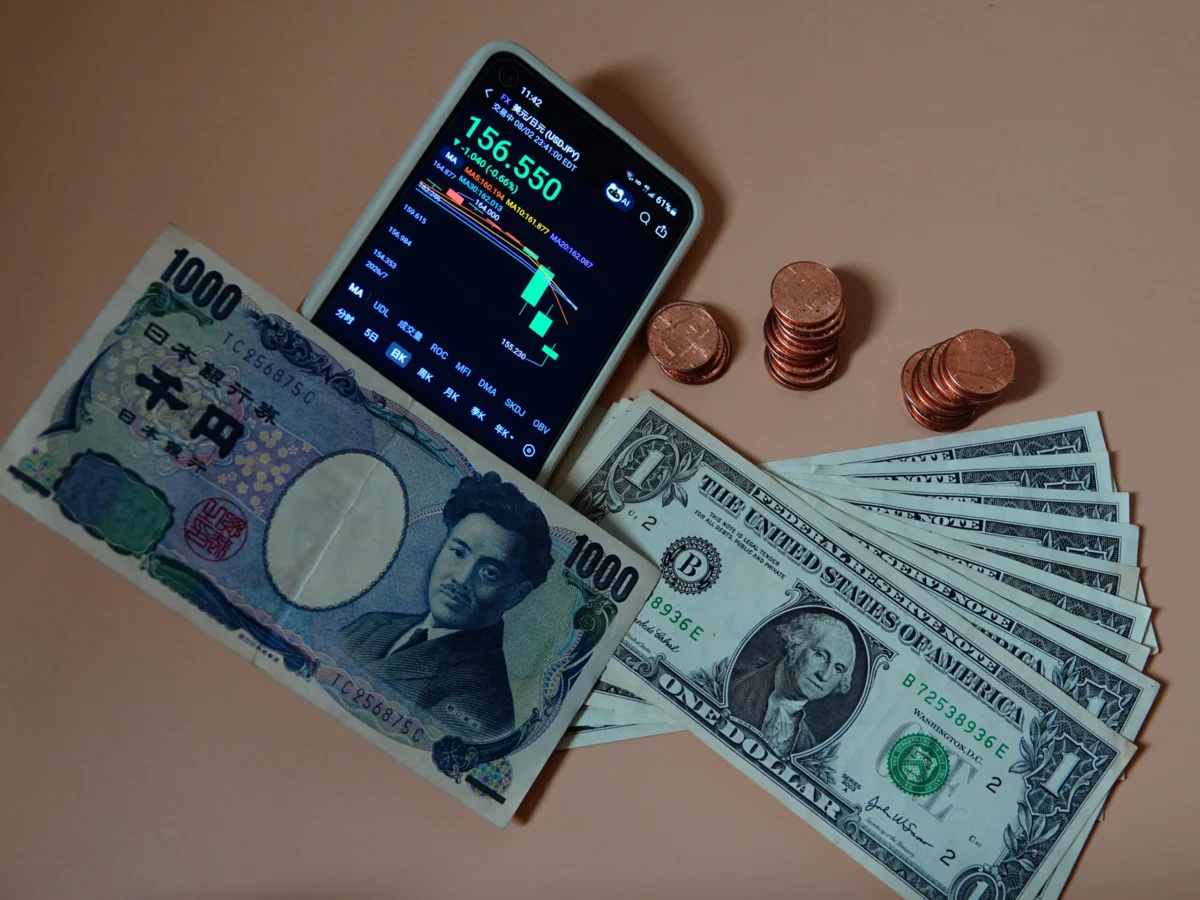
Japan’s foreign reserves have experienced their steepest decline on record, a stark indicator of the nation’s intensive efforts to shore up its weakening currency. In August, reserves tumbled by 6.18%, marking the most significant monthly drop since the Ministry of Finance began tracking this data in 2000. This substantial decrease underscores the aggressive and costly interventions undertaken by Japanese authorities to counteract the yen’s persistent slide against major global currencies.
The latest figures reveal that Japan’s foreign reserves stood at $1.207 trillion at the end of August, a notable decrease from the $1.287 trillion recorded in July. This marks the fourth consecutive month of decline, surpassing the previous record drop of 5.58% observed in May. While the Finance Ministry did not explicitly detail the reasons behind this precipitous fall, reports from Japanese media, citing unnamed officials within the ministry, point to a dual cause: direct currency market interventions to bolster the yen and a decline in the valuation of Japanese government bonds as global yields have surged.
The Yen’s Unrelenting Decline and Intervention Efforts
The yen has been under significant pressure throughout 2026, driven by a widening interest rate differential between Japan and other major economies, particularly the United States. As the Bank of Japan has maintained its ultra-loose monetary policy to stimulate domestic growth and combat deflation, central banks like the U.S. Federal Reserve have embarked on aggressive interest rate hikes to tame inflation. This divergence has made dollar-denominated assets more attractive, leading to capital outflows from Japan and a weakening yen.
By late July, the yen had reached a critical juncture, touching a 40-year low of 163.98 against the U.S. dollar on July 23rd. This level of depreciation raised serious concerns about its impact on Japan’s import costs, corporate profitability, and overall economic stability. In response, Tokyo initiated a series of coordinated interventions, a strategy not seen in such scale for years.
A Timeline of Aggressive Currency Defense
The intervention efforts by Japanese authorities have been escalating throughout 2026:
- April and May 2026: Japan conducted initial rounds of intervention, spending approximately 11.73 trillion yen (equivalent to roughly $75.26 billion at the time) to support the yen. These early moves signaled the growing concern within the government about the currency’s rapid depreciation.
- Late July 2026: In a more significant and unprecedented move, Japan undertook a larger intervention, reportedly spending 15.4 trillion yen. This intervention was notably supplemented by coordinated action from the United States, which involved the U.S. selling euros to help prop up the yen. This marked the first joint intervention by Japan and the U.S. to support the yen since 1998, highlighting the severity of the situation and the shared interest in currency stability.
The cumulative spending on these interventions has reached a record high. According to finance ministry data, the combined 27.1 trillion yen spent so far in 2026 on currency intervention is the largest yearly amount ever recorded, surpassing the previous record of 20.4 trillion yen set in 2003. This substantial outflow of funds directly impacts Japan’s foreign reserves.
The Dual Impact on Foreign Reserves
The dramatic fall in Japan’s foreign reserves can be attributed to two primary factors:

- Direct Intervention Costs: The most significant driver of the decline is the direct cost of selling foreign currencies (primarily U.S. dollars) to buy yen. Each intervention effectively reduces the stockpile of foreign assets held by the central bank. The sheer scale of the yen-buying operations means that a substantial portion of these reserves has been deployed to achieve the desired currency appreciation.
- Declining Valuation of Foreign Bond Holdings: A secondary, yet significant, factor contributing to the decrease in the dollar value of reserves is the rising global bond yields. Japan’s foreign reserves are held in various foreign assets, including bonds issued by other governments. As interest rates have climbed globally, the market value of these existing, lower-yielding bonds has fallen. This decline in asset value, when translated into U.S. dollars, reduces the overall reported value of the foreign reserves. This effect is exacerbated by the fact that yields in major economies like Germany, the UK, and U.S. Treasuries have been hitting multi-year highs throughout 2026.
Masahiko Loo, a senior fixed income strategist at State Street Investment Management, articulated this point clearly, stating that the "decline is primarily the result of Japan’s recent dollar-selling, yen-buying FX interventions." He further clarified that the drop in reserves should not necessarily be interpreted as a sign of financial distress but rather as a direct consequence of policy action.
Broader Economic Context and Implications
The yen’s depreciation and the subsequent interventions have significant implications for the Japanese economy. A weaker yen generally makes Japanese exports cheaper for foreign buyers, potentially boosting export volumes. However, it also increases the cost of imports, including essential commodities like energy and food, thereby contributing to inflationary pressures within Japan.
For consumers, a weaker yen means that imported goods become more expensive, eroding purchasing power. For businesses that rely on imported raw materials or components, higher costs can squeeze profit margins. Conversely, Japanese companies with significant overseas earnings can see their profits increase when repatriated into a weaker yen.
The coordinated intervention with the U.S. suggests a shared concern among major economies about excessive currency volatility. Uncontrolled currency depreciation can disrupt global trade and financial markets. The U.S. participation in the intervention, while seemingly counterintuitive given its own interest rate policy, likely stems from a desire to maintain stability in key currency pairs and prevent the yen’s weakness from spilling over into other markets or causing undue strain on the Japanese economy, a critical trading partner.
Looking Ahead: The Sustainability of Intervention
The record spending on interventions raises questions about the sustainability of such a strategy. Japan’s foreign reserves, while substantial, are not inexhaustible. Continued aggressive intervention would eventually deplete these reserves, limiting the government’s capacity to act in the future.
Analysts are closely watching the Bank of Japan’s policy stance. Any shift towards a less dovish monetary policy, or even hints of such a shift, could significantly impact the yen’s trajectory without requiring direct market intervention. However, the Bank of Japan has consistently emphasized its commitment to maintaining accommodative monetary policy until sustainable wage growth and a stable inflation target are achieved.
The yen, which stood at 155.98 against the dollar at the time of reporting, has shown some recovery from its 40-year low. However, the fundamental economic forces driving its weakness, primarily the interest rate differential, remain in place. The effectiveness of future interventions will depend on their scale, duration, and the broader global economic environment. The recent sharp decline in foreign reserves serves as a potent reminder of the significant financial commitment involved in defending a currency in the face of powerful market forces. The coming months will be critical in determining whether these aggressive measures can engineer a sustainable stabilization of the yen or if further, potentially more costly, actions will be required.
