

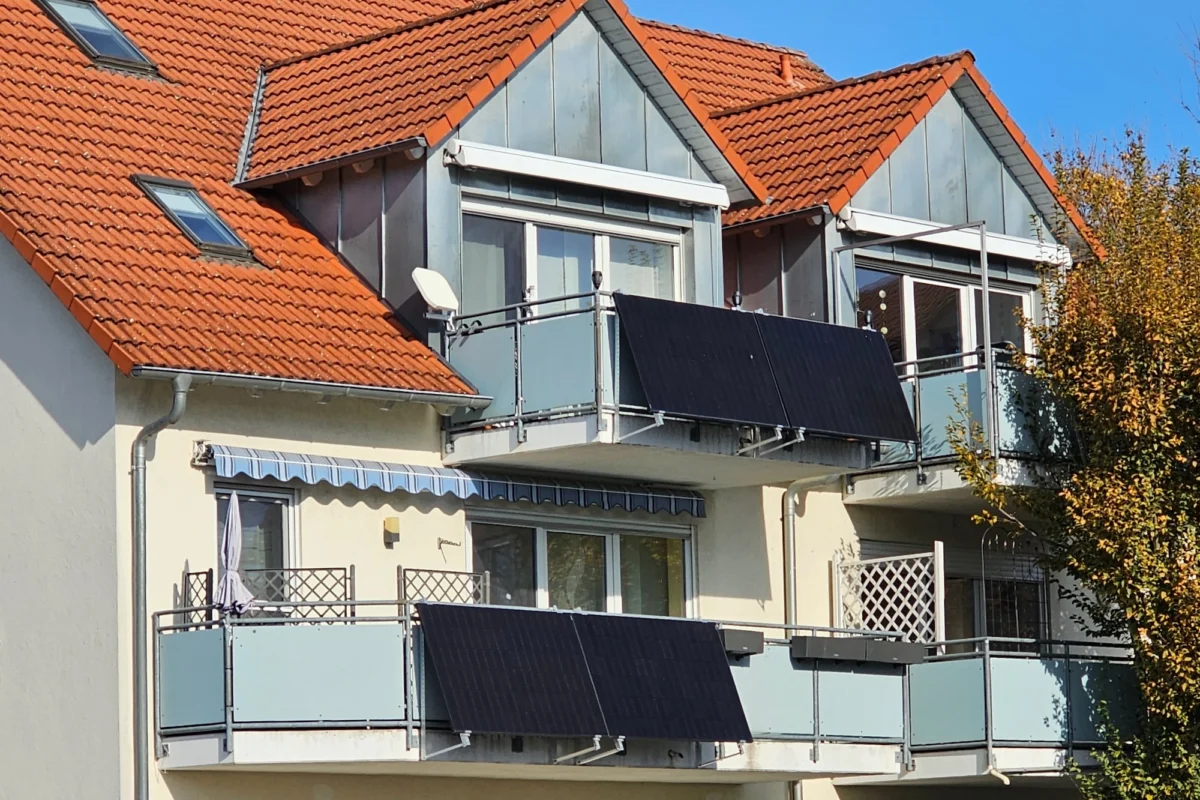
As the global transition toward renewable energy accelerates, a new frontier in residential power generation is emerging not on expansive rural tracts or sprawling suburban rooftops, but on the modest railings of urban apartment balconies. Known colloquially as "balcony solar," this technology represents a significant shift in the democratization of energy, offering renters and multi-family housing residents a pathway to solar adoption that was previously reserved for homeowners. While the technology has reached a fever pitch of adoption across Europe—most notably in Germany—the United States is only now beginning to navigate the complex web of regulatory, safety, and legislative hurdles required to bring plug-in solar into the American mainstream.
Understanding the Mechanics of Balcony Solar
Balcony solar systems, often referred to as "plug-in solar," are compact photovoltaic kits designed for ease of installation and immediate use. Unlike traditional rooftop installations, which require professional mounting, complex wiring, and permanent integration into a building’s electrical panel, balcony systems typically consist of one or two lightweight panels, a micro-inverter, and a standard power cord. The panels are secured to a balcony railing or patio fence using heavy-duty brackets, and the micro-inverter converts the direct current (DC) generated by the sun into alternating current (AC). This power is then fed directly into the home’s electrical system through a standard 120-volt wall outlet.
The primary appeal of these systems lies in their simplicity and "behind-the-meter" efficiency. When the sun is shining, the electricity produced by the panels is consumed first by appliances currently running in the home—such as refrigerators, Wi-Fi routers, and home office equipment—thereby reducing the amount of power drawn from the utility grid. While these systems generally lack the capacity to power an entire household, particularly high-draw appliances like air conditioners or electric stoves, they serve as a consistent "baseload" offset.
The Economic Case: Costs, Savings, and Payback Periods
For the average consumer, the financial barrier to entry for balcony solar is significantly lower than that of traditional solar. Industry estimates from marketplaces such as EnergySage suggest that a typical balcony kit, producing between 400 and 800 watts, costs between $500 and $1,500. This is a stark contrast to rooftop systems, which often exceed $20,000 before incentives.
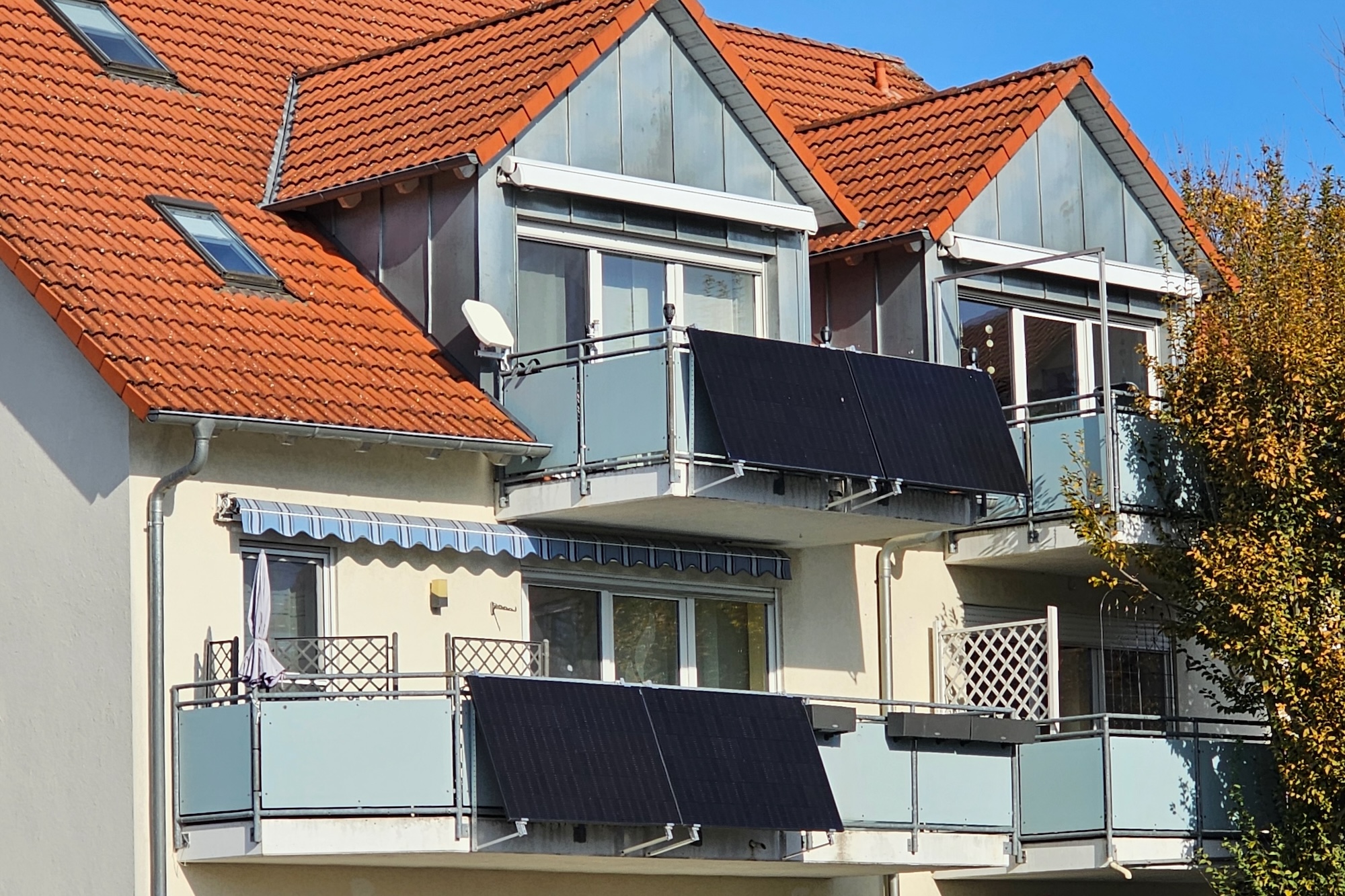
The return on investment for these smaller units is driven by local utility rates and sun exposure. On average, a well-placed balcony unit can reduce a monthly electricity bill by $15 to $50. In a high-cost energy market, a $1,500 system saving $50 a month would reach its break-even point in approximately 30 months. Even under less optimal conditions, where savings might hover around $15 a month, the system would pay for itself in roughly eight years. Given that modern solar panels are rated to last 25 years or more, the long-term value proposition is compelling for long-term renters or condo owners.
The European Blueprint: A Case Study in Germany
To understand the potential trajectory of the U.S. market, one must look to Germany, the undisputed leader in balcony solar adoption. As of early 2026, German authorities reported that approximately 4 million balcony solar units were registered across the country. The boom was catalyzed by a combination of high electricity prices and a proactive government effort to simplify the bureaucratic process.
The German "Solarpaket I" legislative package was instrumental in this growth. It removed the requirement for residents to register their small systems with grid operators, instead allowing for a simple entry into a central federal database. Furthermore, German standards were updated to allow for a "plug-and-play" model using standard Schuko plugs, provided the inverter capacity did not exceed 800 watts. This regulatory ease, combined with a cultural shift toward energy independence following the European energy crisis of 2022, turned balcony railings into a common sight for solar generation.
Regulatory Hurdles and the American Context
In the United States, the path to widespread adoption has been considerably more fragmented. The primary obstacles are three-fold: Homeowner Association (HOA) restrictions, utility interconnection policies, and local building codes.
Historically, HOAs and rental property managers have viewed solar panels as aesthetic detriments or potential safety hazards. While "Right to Solar" laws exist in several states, they often apply specifically to rooftops, leaving balcony installations in a legal gray area. Furthermore, U.S. utilities have traditionally been wary of plug-in devices that feed power back into the grid, citing concerns over "islanding"—a condition where a local generator continues to power a line even after the utility has shut it down for maintenance, potentially endangering line workers.

Perhaps the most significant barrier has been the lack of a unified safety standard. Until recently, U.S. electrical codes often required that any solar installation be hard-wired and inspected by a licensed electrician, a requirement that effectively doubles the cost of a $500 balcony kit and defeats the purpose of a consumer-friendly "plug-in" device.
The 2025-2026 Turning Point: UL 3700 and Legislative Momentum
The landscape began to shift dramatically in late 2025 and early 2026. A pivotal moment occurred in January 2026, when UL Solutions, a global leader in applied safety science, announced the launch of the UL 3700 standard. This framework provides a dedicated testing and certification process specifically for plug-in solar systems.
"UL 3700 marks a major step forward, helping remove regulatory uncertainty and making plug-in solar a potential choice for consumers across the U.S.," stated Robert Slone, UL Solutions chief scientist and vice president. By certifying the entire system—including the panel, the mounting hardware, the inverter, and the plug—as a single safe appliance, UL 3700 allows manufacturers to market products that meet the rigorous safety requirements of the National Electrical Code (NEC).
On the legislative front, Utah emerged as an unlikely pioneer. In 2025, Utah became the first state to pass comprehensive legislation aimed at removing utility-imposed barriers for plug-in solar. Though the initial rollout was slowed by the lack of certified hardware, the establishment of UL 3700 has since cleared the way for implementation.
Following Utah’s lead, a "Brightsaver" legislative tracker indicated that by the second quarter of 2026, 10 states had passed supportive legislation, with 35 others considering similar bills. In May 2026, Virginia Governor Abigail Spanberger signed a landmark bill that not only protected the rights of tenants to install balcony solar but also streamlined the permitting process.

"By diversifying our energy usage, we can make sure that Virginia families are less exposed to volatility," Governor Spanberger noted during the signing ceremony. "That is what energy independence means in practice, and that is exactly what we are building toward."
Technical Analysis: Impact on the Grid and Distributed Energy
The broader implication of the balcony solar movement is its contribution to the growth of Distributed Energy Resources (DERs). Unlike centralized power plants, DERs generate power at the point of consumption. While a single 400-watt panel is negligible, the aggregate impact of millions of such units is substantial.
Rooftop solar already contributes approximately 46 gigawatts to the U.S. power profile. If the U.S. follows the German model of adoption, balcony solar could add several gigawatts of capacity within a decade. This "bottom-up" energy generation helps to flatten the "duck curve"—the timing imbalance between peak solar production and peak demand—especially when balcony units are paired with small-scale battery storage systems, which are increasingly being marketed alongside the panels.
Furthermore, balcony solar addresses the "split incentive" problem in rental housing. Traditionally, landlords have little incentive to install solar because the tenants pay the utility bills. Conversely, tenants have no incentive to pay for a permanent rooftop installation on a building they do not own. Balcony solar solves this because the system is portable; when a tenant moves, they can simply unplug their panels and take their "mini-power plant" with them to their next residence.
Future Outlook and Industry Challenges
Despite the current momentum, challenges remain. The industry must still address the "holistic certification" gap. As of April 2026, while the UL 3700 framework exists, very few manufacturers have completed the full certification process for a complete kit. Until certified "all-in-one" boxes are readily available at major retailers, the market will likely be limited to tech-savvy early adopters who work with licensed electricians to ensure code compliance.

Additionally, utility companies are expected to continue lobbying for strict limits on the number of units per household to manage grid stability. Some states are considering "notice-only" requirements, where a tenant must inform the utility of the installation but does not need to wait for a formal permit, provided the system is UL-certified.
The evolution of balcony solar represents more than just a new consumer gadget; it is a fundamental shift in how society views energy production. By turning the millions of underutilized balconies across the United States into productive assets, the movement is poised to make clean energy an accessible reality for the urban population, further insulating households from the volatility of global energy markets and contributing to a more resilient, distributed national grid.
