

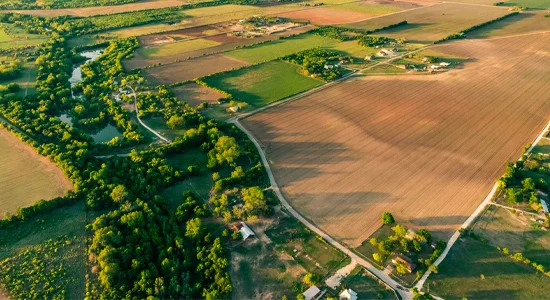
The agricultural sector is poised for a significant injection of capital as TRS Louisiana, a prominent investment entity, has committed up to $150 million towards agricultural initiatives slated for 2027. This substantial pledge underscores a growing confidence in the long-term viability and transformative potential of agri-food technology and sustainable farming practices. The announcement arrives amidst a flurry of activity in the agritech investment landscape, including the Clean Growth Fund’s successful second close on Fund II at £81 million, Innventure AgriFood Tech’s launch of its own Fund II, and Agreena’s significant deal to provide 4.45 million soil carbon credits, collectively signaling a robust and expanding ecosystem dedicated to advancing agricultural innovation and sustainability.
TRS Louisiana’s Strategic Agricultural Investment
The decision by TRS Louisiana to allocate a considerable sum to agriculture in 2027 is a testament to the sector’s evolving role beyond traditional food production. Modern agriculture is increasingly recognized as a critical component of economic development, environmental stewardship, and technological advancement. This investment is expected to flow into various areas, potentially encompassing cutting-edge research and development in crop science, the adoption of precision agriculture technologies, the development of sustainable farming methods, and investments in infrastructure that supports efficient and environmentally conscious food systems. While specific allocation details remain forthcoming, the sheer magnitude of the commitment suggests a strategic focus on projects with the potential for high impact and long-term returns.
The timing of this announcement is particularly noteworthy. As global populations continue to grow, placing increasing demands on food production, and as the urgency to address climate change intensifies, investments in agriculture are shifting towards solutions that enhance productivity while minimizing environmental footprints. TRS Louisiana’s pledge aligns with this global trend, positioning the state and its agricultural stakeholders at the forefront of innovation. The $150 million commitment could catalyze significant advancements in areas such as vertical farming, alternative protein sources, bio-based materials, and advanced water management systems, all of which are crucial for building resilient and sustainable food systems for the future.
Broader Agritech Investment Landscape: A Surge of Activity
The commitment from TRS Louisiana is not an isolated event but rather part of a broader, dynamic surge in agri-food technology investment. The Clean Growth Fund’s successful second close on Fund II, reaching £81 million, indicates strong investor appetite for companies focused on climate-friendly innovations within the food and agriculture sectors. This fund, which aims to invest in early-stage businesses that can deliver significant carbon reductions, is well-positioned to support technologies that address pressing environmental challenges in agriculture, such as reducing greenhouse gas emissions, improving resource efficiency, and promoting circular economy principles. The £81 million raised signifies a considerable scaling up of the fund’s capacity to deploy capital and support a wider range of innovative ventures.
Complementing this, Innventure AgriFood Tech has launched its own Fund II, further expanding the pool of capital available for agricultural innovation. Innventure’s focus on identifying and scaling disruptive technologies within the agri-food sector suggests a strategic approach to identifying high-growth opportunities. The launch of a second fund often indicates a successful track record with the first, suggesting that Innventure has a proven ability to identify promising startups and guide them towards commercial success. This increased funding will likely foster the development and adoption of novel solutions across the agri-food value chain, from farm to fork.
The Rise of Soil Carbon Markets and Agreena’s Significant Deal
Adding another layer to the burgeoning agri-food investment narrative is Agreena’s substantial deal to provide 4.45 million soil carbon credits. This agreement highlights the growing importance of carbon sequestration in agricultural lands as a viable climate solution and a new revenue stream for farmers. Soil carbon credits represent a tangible financial incentive for farmers to adopt practices that enhance soil health, such as cover cropping, no-till farming, and improved manure management. These practices not only sequester carbon but also improve soil fertility, water retention, and biodiversity, offering a win-win scenario for both the environment and agricultural producers.
Agreena’s significant deal underscores the maturation of the soil carbon market. The ability to generate and verify millions of carbon credits suggests that the methodologies for measuring and trading soil carbon are becoming more robust and accepted by the market. This development is crucial for unlocking the full potential of agriculture as a tool for climate mitigation. As more companies and investors recognize the value of these credits, it is likely to spur further innovation in soil science and agricultural practices aimed at maximizing carbon sequestration. The 4.45 million credits represent a substantial volume, indicating a growing demand for verifiable environmental assets generated from agricultural activities.
Supporting Data and Context
The agricultural sector is a cornerstone of the global economy, employing billions of people and providing essential food and resources. However, it is also a significant contributor to greenhouse gas emissions, accounting for approximately 24% of the global total, according to the Food and Agriculture Organization of the United Nations (FAO). This presents both a challenge and an opportunity for innovation. Investments in agritech are critical for addressing this dual reality.
Precision agriculture, for instance, which utilizes data and technology to optimize crop yields and resource use, has the potential to significantly reduce waste and environmental impact. The global precision agriculture market was valued at approximately USD 7.5 billion in 2022 and is projected to grow at a compound annual growth rate (CAGR) of over 13% from 2023 to 2030, according to market research reports. This growth is driven by increasing adoption of technologies like GPS, sensors, drones, and IoT devices.
Similarly, the development of alternative proteins, including plant-based and cultivated meat, is gaining traction as a way to reduce the environmental footprint of food production, particularly concerning land use and greenhouse gas emissions associated with traditional livestock farming. The global plant-based food market is expected to reach over USD 74 billion by 2027, with significant investment pouring into research and development.
The soil carbon market, while nascent, holds immense promise. Studies have shown that agricultural soils have the potential to sequester billions of tons of carbon globally. For example, research published in journals like Nature has indicated that widespread adoption of regenerative agricultural practices could sequester significant amounts of atmospheric carbon dioxide. The development of robust verification and trading platforms, like those Agreena operates within, is essential for realizing this potential on a commercial scale.
Chronology of Developments
While the specific timelines for TRS Louisiana’s investment are focused on 2027, the surrounding agritech developments illustrate a consistent upward trend in investment and innovation:
- Early 2020s: Growing awareness of climate change and the role of agriculture in both contributing to and mitigating it. Increased venture capital interest in agritech solutions.
- Mid-2023 to Early 2024 (Inferred): Clean Growth Fund likely initiated its fundraising for Fund II, culminating in the £81 million second close. This period also saw Innventure AgriFood Tech actively preparing for and launching its Fund II.
- Recent Months (Inferred): Agreena secured its significant deal for 4.45 million soil carbon credits, indicating a maturing market and growing demand for these environmental assets.
- Present: TRS Louisiana announces its significant $150 million commitment for agricultural investment in 2027, signaling a long-term strategic vision.
This ongoing series of announcements suggests a consistent and escalating momentum within the agri-food investment space. The staggered nature of these announcements, with TRS Louisiana’s commitment looking further ahead to 2027, indicates a strategic approach to capital deployment and a long-term outlook for the sector’s growth and innovation.
Potential Implications and Future Outlook
The combined impact of these developments is likely to be transformative for the agricultural sector.
For TRS Louisiana, the $150 million commitment represents a strategic diversification of its investment portfolio and a commitment to fostering economic growth and innovation within the state. This investment could lead to the creation of new jobs, the development of advanced agricultural infrastructure, and the establishment of Louisiana as a hub for agri-food technology. It also signals a forward-thinking approach, recognizing agriculture as a critical sector for addressing global challenges.
For the Clean Growth Fund and Innventure AgriFood Tech, their successful fundraising efforts mean greater capacity to identify, nurture, and scale promising agritech startups. This will accelerate the development and deployment of technologies that are crucial for sustainable food production, resource efficiency, and climate change mitigation. The increased capital will likely lead to a more diverse range of innovative solutions entering the market, from novel crop protection agents to advanced biomanufacturing processes.
For Agreena and the broader soil carbon market, the significant deal validates the economic potential of carbon sequestration in agriculture. This could incentivize more farmers to adopt climate-smart practices, leading to widespread improvements in soil health and carbon drawdown. It also opens up new avenues for investment in agricultural land as a provider of environmental services, potentially reshaping land management strategies and rural economies.
Collectively, these announcements point towards a future where agriculture is not only more productive and resilient but also a key player in addressing environmental challenges. The convergence of financial investment, technological innovation, and policy support is creating a fertile ground for a more sustainable and prosperous agricultural future. As these investments begin to materialize, the agri-food sector is set to undergo a significant evolution, driven by a commitment to innovation, sustainability, and long-term growth. The coming years will likely see a proliferation of new technologies and practices that redefine how food is produced, consumed, and managed, with profound implications for both the environment and global food security.
